
 EN
EN
 AR
AR
 NL
NL
 FR
FR
 DE
DE
 EL
EL
 HI
HI
 IT
IT
 JA
JA
 KO
KO
 PL
PL
 PT
PT
 ES
ES
 ID
ID
 VI
VI
 TH
TH
 TR
TR
 MS
MS

How to source a pet air purifier for wholesale and OEM projects?
Sourcing the right pet air purifier for wholesale and OEM projects requires careful consideration of multiple factors including filtration technology, market demand, and manufacturing capabilities. The pet care industry has experienced tremendous growth, with pet owners increasingly investing in specialized products to maintain healthier indoor environments for their furry companions. Understanding the technical specifications, regulatory requirements, and consumer preferences is essential for successful procurement and distribution of pet air purifier units in competitive markets.
Understanding Pet-Specific Air Filtration Requirements
Essential Filtration Technologies for Pet Environments
Pet air purifier systems must incorporate advanced filtration technologies specifically designed to address unique challenges presented by pet ownership. HEPA filtration remains the gold standard for capturing microscopic pet dander particles, which typically measure between 0.5 to 10 microns in diameter. These particles are primary allergens that trigger respiratory issues in sensitive individuals and require high-efficiency filtration to achieve meaningful reduction in indoor air quality improvement.
Activated carbon filtration plays an equally important role in pet air purifier functionality, specifically targeting volatile organic compounds and odor molecules associated with pet waste, urine, and natural pet odors. The carbon media must be properly treated and have sufficient surface area to effectively adsorb these challenging contaminants over extended periods without frequent replacement requirements that could increase operational costs for end users.
Specialized Features for Pet Hair and Dander Management
Pre-filtration systems in quality pet air purifier units typically incorporate washable mesh filters or electrostatic pre-filters designed to capture larger particles including pet hair, fur clumps, and visible debris before reaching primary filtration stages. This approach extends the lifespan of expensive HEPA filters while maintaining consistent airflow performance throughout the unit's operational cycle.
Advanced pet air purifier models often include specialized ionization technology or UV-C sterilization capabilities to neutralize bacteria, viruses, and microorganisms commonly found in pet environments. These features provide additional value proposition for health-conscious pet owners willing to invest in premium air purification solutions for their homes and living spaces.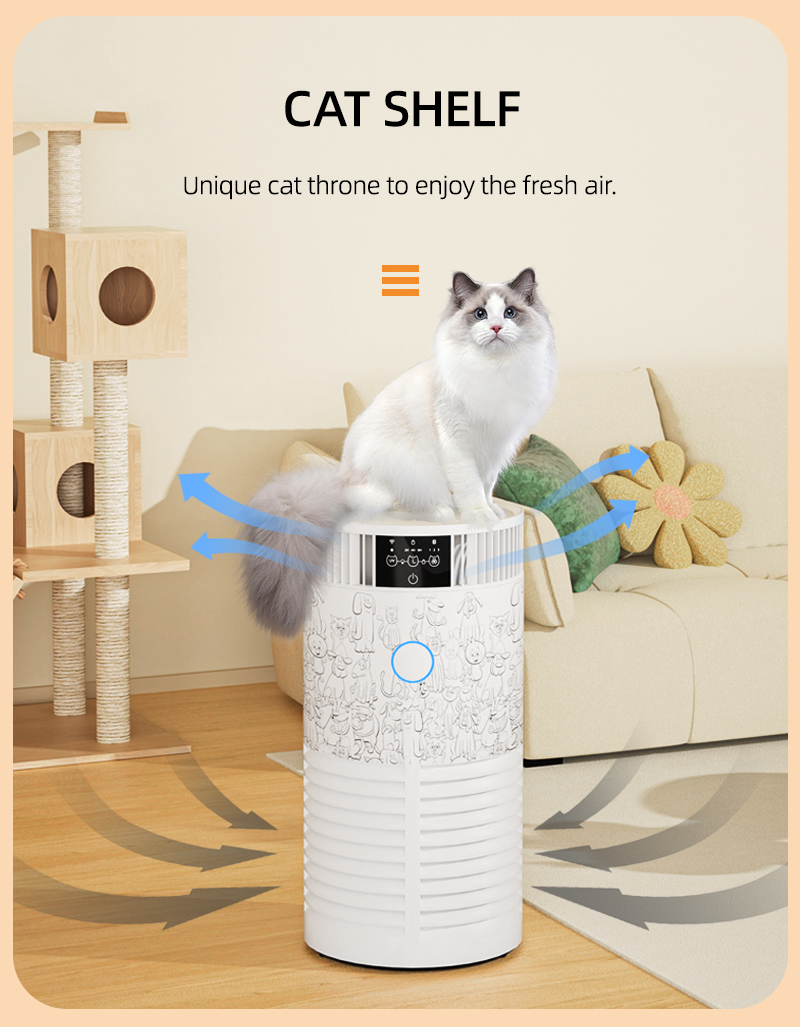
Market Analysis and Target Customer Identification
Wholesale Market Opportunities
The wholesale pet air purifier market presents significant opportunities across multiple distribution channels including pet specialty retailers, veterinary clinics, home improvement stores, and online marketplaces. Market research indicates consistent year-over-year growth in premium pet product categories, with air purification systems representing an emerging segment with strong profit margins and customer retention potential.
Successful wholesale positioning requires understanding regional preferences, seasonal demand patterns, and competitive pricing structures within target markets. Pet air purifier products typically command higher margins than general-purpose air purifiers due to specialized features and targeted marketing approaches that emphasize health benefits for both pets and their owners.
OEM Partnership Opportunities
Original equipment manufacturer partnerships for pet air purifier development offer substantial opportunities for customization, branding, and market differentiation. Established pet product brands increasingly seek OEM partners capable of delivering specialized air purification solutions that align with their existing product portfolios and brand positioning strategies.
OEM projects typically involve custom housing designs, specialized filter configurations, and unique feature sets tailored to specific brand requirements and target price points. Successful OEM relationships require manufacturers with flexible production capabilities, quality control systems, and ability to meet regulatory compliance standards across different international markets.
Technical Specifications and Performance Standards
Airflow and Coverage Area Requirements
Effective pet air purifier systems must deliver appropriate air exchange rates for typical residential spaces where pets spend significant time. Industry standards recommend minimum air changes per hour (ACH) ranging from 4-6 for rooms with multiple pets or high allergen concentrations, requiring careful calculation of fan capacity and filtration resistance to maintain optimal performance levels.
Coverage area specifications should align with common room sizes in target markets, typically ranging from 200-800 square feet for residential applications. Commercial-grade pet air purifier units may require larger coverage areas and higher airflow rates to accommodate veterinary clinics, pet grooming facilities, and boarding operations with different ventilation requirements.
Energy Efficiency and Operational Costs
Modern pet air purifier designs must balance powerful filtration performance with energy efficiency to meet growing consumer demand for environmentally conscious appliances. Energy Star certification or equivalent regional efficiency standards provide competitive advantages in markets where utility costs and environmental impact influence purchasing decisions.
Filter replacement costs and availability represent critical factors affecting long-term customer satisfaction and product viability. Sourcing strategies should prioritize suppliers offering readily available replacement filters at reasonable costs to ensure positive customer experiences and potential repeat purchases or referrals.
Supplier Evaluation and Quality Assurance
Manufacturing Capability Assessment
Evaluating potential pet air purifier manufacturers requires comprehensive assessment of production capabilities, quality control systems, and ability to meet specific technical requirements. Site visits and facility audits provide valuable insights into manufacturing processes, equipment condition, and workforce capabilities that directly impact product quality and delivery reliability.
Certification requirements vary by target market but typically include safety standards, electromagnetic compatibility, and energy efficiency ratings. Manufacturers should demonstrate established testing protocols and quality assurance procedures to ensure consistent production of pet air purifier units meeting or exceeding relevant industry standards and regulatory requirements.
Supply Chain Management and Logistics
Reliable supply chain management becomes critical for maintaining consistent product availability and meeting customer demand fluctuations common in seasonal pet product markets. Suppliers should demonstrate robust inventory management systems, flexible production scheduling, and established relationships with component manufacturers to minimize supply disruptions.
International shipping capabilities and customs handling experience are essential factors for global wholesale and OEM operations. Suppliers with established export procedures, proper documentation systems, and understanding of international trade regulations provide significant advantages in reducing delivery delays and customs complications.
Regulatory Compliance and Certification Requirements
Safety Standards and Testing Protocols
Pet air purifier products must comply with electrical safety standards specific to intended markets, including UL certification for United States distribution, CE marking for European markets, and equivalent certifications for other international destinations. These certifications require extensive testing of electrical components, housing materials, and overall product safety under normal and abnormal operating conditions.
Performance testing protocols should validate filtration efficiency claims, noise level specifications, and energy consumption measurements using standardized testing methods. Third-party testing laboratories provide credible validation of performance claims that support marketing materials and competitive positioning strategies in crowded pet product markets.
Environmental and Material Compliance
Environmental regulations increasingly impact pet air purifier design and component selection, particularly regarding restrictions on hazardous materials, recyclability requirements, and end-of-life disposal considerations. RoHS compliance for electronic components and REACH regulation compliance for chemical substances are common requirements across international markets.
Packaging materials and product documentation must also meet environmental standards and labeling requirements specific to target markets. Suppliers should demonstrate understanding of these requirements and ability to provide necessary documentation and certifications to support regulatory compliance throughout the product lifecycle.
Pricing Strategies and Profit Margins
Cost Structure Analysis
Understanding the complete cost structure for pet air purifier sourcing enables effective pricing strategies and profit margin optimization. Manufacturing costs typically include raw materials, labor, tooling amortization, and quality control expenses, while additional costs encompass shipping, customs duties, warehousing, and distribution expenses that vary by market and distribution channel.
Volume pricing tiers and minimum order quantities significantly impact unit costs and overall project profitability. Negotiating favorable terms requires understanding supplier cost structures, production capacity constraints, and competitive market conditions that influence pricing flexibility and long-term partnership opportunities.
Market Positioning and Value Proposition
Premium pet air purifier positioning allows for higher margins but requires demonstration of superior performance, build quality, or unique features that justify price premiums compared to generic air purification products. Brand positioning should emphasize pet-specific benefits, health improvements, and quality of life enhancements that resonate with target customer segments.
Value-oriented positioning strategies focus on delivering essential pet air purifier functionality at competitive price points while maintaining acceptable profit margins through efficient sourcing, streamlined features, and cost-effective distribution approaches that appeal to price-conscious pet owners seeking basic air quality improvements.
FAQ
What are the most important features to consider when sourcing pet air purifiers for wholesale
The most critical features include HEPA filtration for pet dander removal, activated carbon for odor control, appropriate room coverage capacity, low noise operation, and energy efficiency ratings. Additionally, consider pre-filter systems for pet hair capture, filter replacement availability and costs, warranty coverage, and compliance with relevant safety certifications for your target markets.
How do I evaluate the quality and reliability of pet air purifier manufacturers
Evaluate manufacturers through facility audits, quality control system reviews, certification documentation verification, and sample product testing. Request references from existing customers, review production capacity and scalability, assess financial stability, and verify compliance with international safety standards. Consider manufacturers with established export experience and proven track records in similar product categories.
What are typical minimum order quantities and lead times for pet air purifier sourcing
Minimum order quantities typically range from 100-1000 units depending on product complexity, customization requirements, and manufacturer capabilities. Standard production lead times generally span 30-60 days for existing models, while custom OEM projects may require 90-120 days including tooling and testing phases. Sample production and approval processes usually add 2-3 weeks to initial project timelines.
How can I ensure consistent filter availability for long-term customer satisfaction
Establish clear agreements with manufacturers regarding filter production capacity, inventory maintenance, and replacement part availability commitments. Consider stocking strategic filter inventory levels, developing relationships with multiple filter suppliers, and negotiating favorable pricing for ongoing filter orders. Ensure filter specifications are documented and can be produced by alternative suppliers if necessary to maintain continuity of supply.