
 EN
EN
 AR
AR
 NL
NL
 FR
FR
 DE
DE
 EL
EL
 HI
HI
 IT
IT
 JA
JA
 KO
KO
 PL
PL
 PT
PT
 ES
ES
 ID
ID
 VI
VI
 TH
TH
 TR
TR
 MS
MS

Why Is a Car Air Purifier Becoming a Must-Have for Modern Drivers?
Modern vehicles have become our second homes, where we spend countless hours commuting, traveling, and conducting business. As urban air quality continues to deteriorate and health consciousness rises, drivers are increasingly concerned about the air they breathe inside their vehicles. A car air purifier has emerged as an essential accessory that transforms your driving experience by creating a cleaner, healthier cabin environment.
The automotive industry has witnessed remarkable technological advancement in recent years, yet vehicle air quality remains a significant concern for many drivers. Traditional cabin air filters provide basic protection, but they often fall short of addressing microscopic pollutants, allergens, and harmful gases that infiltrate vehicle interiors. This growing awareness has propelled the demand for specialized air purification solutions designed specifically for automotive environments.
Vehicle interiors present unique challenges for air quality management. The confined space, constant exposure to external pollutants, and limited ventilation create an environment where contaminants can accumulate rapidly. From exhaust fumes and industrial emissions to pollen and pet dander, numerous airborne particles threaten passenger health and comfort during every journey.
Understanding Vehicle Air Quality Challenges
Common Pollutants in Vehicle Cabins
Vehicle interiors harbor various contaminants that pose health risks to occupants. Particulate matter from external sources penetrates cabin spaces through ventilation systems, windows, and door seals. These microscopic particles include dust, pollen, smoke particles, and industrial pollutants that can trigger respiratory issues and allergic reactions in sensitive individuals.
Chemical pollutants represent another significant concern within vehicle cabins. Volatile organic compounds emanate from interior materials such as plastics, adhesives, and upholstery fabrics. These chemicals can cause headaches, dizziness, and long-term health complications when exposure occurs repeatedly over extended periods.
Biological contaminants also thrive in vehicle environments, particularly in humid conditions or when organic matter accumulates. Bacteria, viruses, and mold spores can proliferate within air conditioning systems and upholstery, creating potential health hazards for passengers with compromised immune systems or respiratory sensitivities.
Health Impact of Poor Vehicle Air Quality
Extended exposure to poor vehicle air quality can manifest in various health symptoms ranging from mild discomfort to serious respiratory complications. Short-term effects include eye irritation, throat discomfort, headaches, and fatigue that can significantly impact driving concentration and safety. These immediate symptoms often worsen during rush hour traffic when pollution levels peak.
Long-term health consequences of prolonged exposure to vehicle air pollutants include increased risk of cardiovascular disease, respiratory disorders, and weakened immune system function. Professional drivers, daily commuters, and individuals with pre-existing health conditions face heightened vulnerability to these adverse effects.
Children and elderly passengers represent particularly vulnerable populations within vehicle environments. Their developing or compromised respiratory systems make them more susceptible to airborne pollutants, highlighting the critical importance of maintaining clean cabin air for family vehicles.
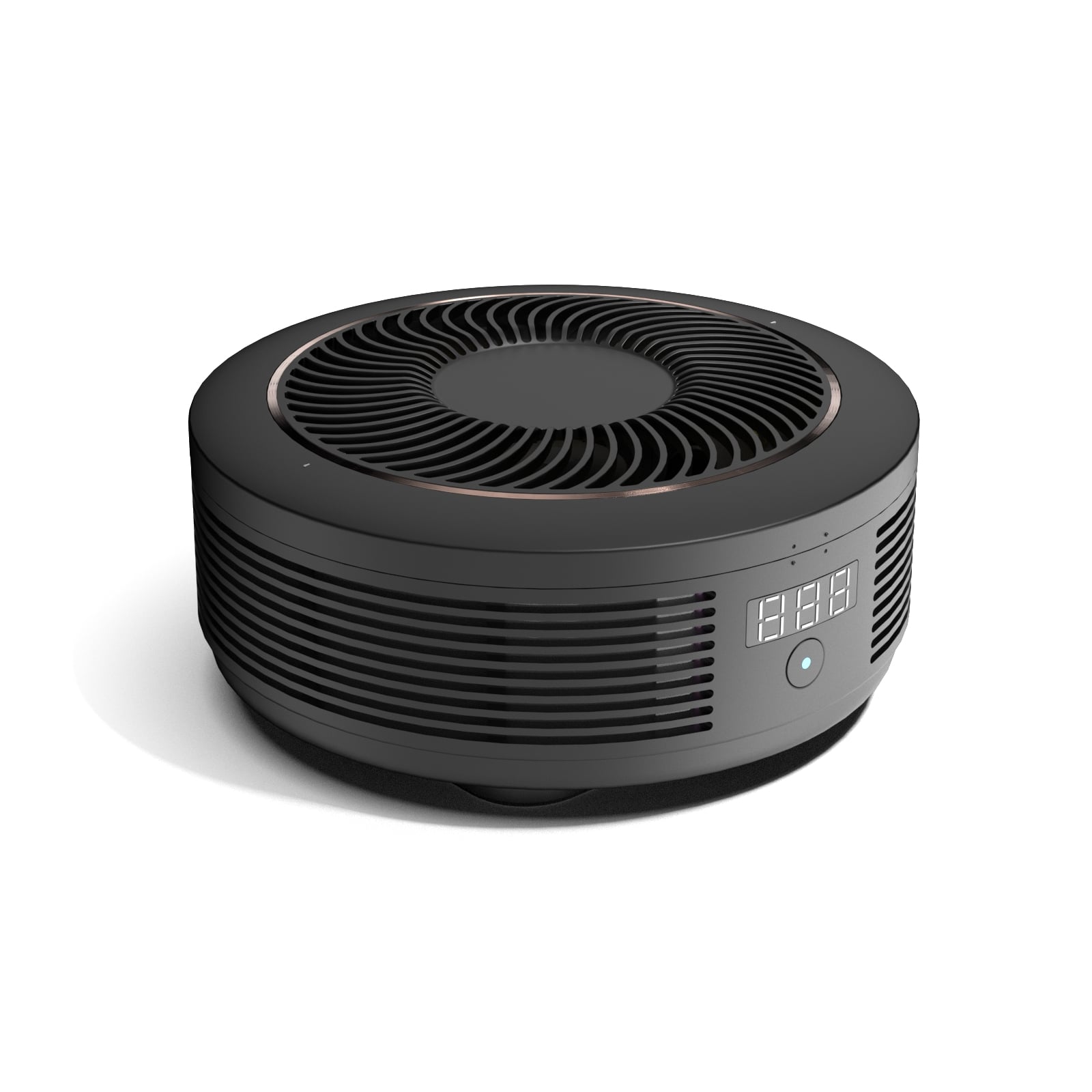
Technology Behind Modern Car Air Purifiers
Advanced Filtration Systems
Contemporary automotive air purification technology employs multiple filtration stages to address diverse contaminant types effectively. High-efficiency particulate air filters form the foundation of most systems, capturing particles as small as 0.3 microns with remarkable efficiency. These filters trap dust, pollen, smoke particles, and other microscopic debris that standard cabin filters cannot eliminate.
Activated carbon filtration provides secondary protection against gaseous pollutants and odors that particulate filters cannot address. This technology absorbs volatile organic compounds, exhaust gases, and chemical vapors that penetrate vehicle cabins through various entry points. The combination of particulate and gas-phase filtration creates comprehensive protection against airborne contaminants.
Some advanced car air purifier models incorporate ultraviolet sterilization technology to neutralize biological contaminants such as bacteria, viruses, and mold spores. This additional layer of protection proves particularly valuable during flu seasons or when transporting individuals with infectious illnesses.
Smart Features and Connectivity
Modern vehicle air purification systems integrate smart technology features that enhance user experience and system effectiveness. Automatic air quality sensors continuously monitor cabin conditions and adjust purification intensity accordingly, ensuring optimal air quality without manual intervention. These sensors detect pollutant levels, humidity changes, and other environmental factors that influence air quality.
Mobile app connectivity allows drivers to monitor and control their air purification systems remotely. Users can check filter status, adjust settings, receive maintenance notifications, and track air quality trends through smartphone applications. This connectivity feature enhances convenience and helps maintain optimal system performance.
Energy efficiency represents another crucial technological advancement in automotive air purifiers. Low-power consumption designs ensure minimal impact on vehicle electrical systems while maintaining effective air purification performance. Some models feature intelligent power management that adjusts operation based on engine status and battery conditions.
Benefits of Installing a Car Air Purifier
Immediate Health Improvements
Installing an automotive air purification system delivers immediate health benefits that enhance passenger comfort and wellbeing. Users typically experience reduced allergic reactions, fewer respiratory irritations, and decreased eye discomfort within days of installation. These improvements prove particularly noticeable for individuals with asthma, allergies, or other respiratory sensitivities.
Enhanced air quality also contributes to improved cognitive function and alertness during driving. Clean air increases oxygen availability and reduces exposure to fatigue-inducing pollutants, helping drivers maintain focus and reaction times essential for safe vehicle operation. This benefit proves especially valuable during long-distance travel or heavy traffic conditions.
Odor elimination represents another immediate benefit that enhances passenger comfort. Automotive air purifiers effectively neutralize unpleasant smells from food, pets, tobacco, and external sources, creating a more pleasant cabin environment for all occupants.
Long-term Health Protection
Consistent use of vehicle air purification systems provides long-term health protection by reducing cumulative exposure to harmful pollutants. Regular filtration of airborne contaminants helps prevent respiratory system damage and reduces risk of developing pollution-related health conditions over time.
Cardiovascular health benefits emerge from reduced exposure to fine particulate matter and toxic gases that can contribute to heart disease and circulation problems. Clean cabin air supports overall cardiovascular function and may help prevent pollution-related cardiovascular complications in susceptible individuals.
Immune system support represents another significant long-term benefit of consistent air purification. By reducing pathogen exposure and chemical burden, clean cabin air helps maintain robust immune function and may reduce frequency of respiratory infections and other health issues.
Choosing the Right Car Air Purifier
Key Selection Criteria
Selecting an appropriate automotive air purification system requires careful consideration of multiple factors that influence effectiveness and compatibility. Vehicle size and cabin volume determine the required air processing capacity, as larger vehicles need more powerful systems to achieve adequate air circulation and purification rates.
Filter technology compatibility with specific air quality concerns guides selection decisions. Drivers primarily concerned with allergens should prioritize HEPA filtration capabilities, while those dealing with chemical odors or gas emissions may benefit more from activated carbon or photocatalytic oxidation technologies.
Installation requirements and power source compatibility affect system selection and implementation success. Some models require professional installation and direct electrical connections, while others offer portable designs with cigarette lighter adapters for easy self-installation and transfer between vehicles.
Performance and Maintenance Considerations
Maintenance requirements significantly impact long-term ownership costs and system effectiveness. Models with easily replaceable filters and accessible cleaning components reduce maintenance complexity and ongoing expenses. Consider systems with filter life indicators that notify users when replacement becomes necessary.
Noise levels during operation influence passenger comfort, particularly during quiet highway driving or when conducting phone calls. Select systems with low operational noise levels that maintain effective air purification without creating audible distractions or discomfort.
Warranty coverage and manufacturer support provide important protection for your investment. Choose reputable manufacturers offering comprehensive warranties and accessible customer service to ensure long-term satisfaction and system reliability.
Installation and Maintenance Best Practices
Professional Installation Guidelines
Professional installation ensures optimal performance and prevents potential electrical or mechanical issues that could affect vehicle operation. Certified technicians possess the expertise to integrate air purification systems properly with existing vehicle electrical systems while maintaining manufacturer warranties and safety standards.
Proper placement within the vehicle cabin maximizes air circulation effectiveness and ensures all passengers benefit from purified air. Installation professionals understand optimal positioning strategies that account for airflow patterns, electrical access, and aesthetic considerations.
Electrical integration requires careful attention to vehicle power systems and circuit protection. Professional installers ensure proper fusing, grounding, and connection methods that prevent electrical problems and maintain system reliability over extended periods.
Ongoing Maintenance Requirements
Regular filter replacement maintains peak purification performance and prevents system degradation that could compromise air quality benefits. Follow manufacturer recommendations for replacement intervals, adjusting frequency based on local air quality conditions and usage patterns. Urban drivers typically require more frequent filter changes due to higher pollutant exposure.
System cleaning involves periodic maintenance of internal components, sensors, and air circulation pathways. Use appropriate cleaning methods and products recommended by manufacturers to prevent damage while ensuring optimal system hygiene and performance.
Performance monitoring through regular air quality assessments helps identify maintenance needs and system effectiveness. Many modern systems provide diagnostic information through display panels or mobile applications that simplify monitoring and maintenance scheduling.
FAQ
How effective are car air purifiers at removing allergens and pollutants?
High-quality automotive air purifiers with HEPA filtration can remove up to 99.97% of particles 0.3 microns or larger, including most allergens, dust, and pollutants. Systems combining multiple filtration technologies provide even broader protection against gases, odors, and biological contaminants. Effectiveness depends on proper sizing, installation, and maintenance of the system.
Do car air purifiers consume significant vehicle battery power?
Modern car air purifiers are designed for energy efficiency and typically consume minimal power, usually between 5-25 watts depending on the model and operation mode. Most systems include intelligent power management features that prevent battery drain when the engine is off, and many automatically adjust power consumption based on air quality needs.
How often do car air purifier filters need replacement?
Filter replacement frequency varies based on usage patterns, local air quality, and filter type. HEPA filters typically require replacement every 6-12 months, while activated carbon filters may need changing every 3-6 months. Systems with filter life indicators provide accurate replacement timing based on actual usage and contamination levels rather than fixed time intervals.
Can car air purifiers help reduce COVID-19 transmission risk?
Air purifiers with HEPA filtration can capture virus-sized particles when combined with proper ventilation practices. While no air purifier guarantees complete protection against airborne viruses, quality systems significantly reduce airborne particle concentrations and may lower transmission risk when used alongside other protective measures like mask wearing and proper ventilation.