air cleaner with filter
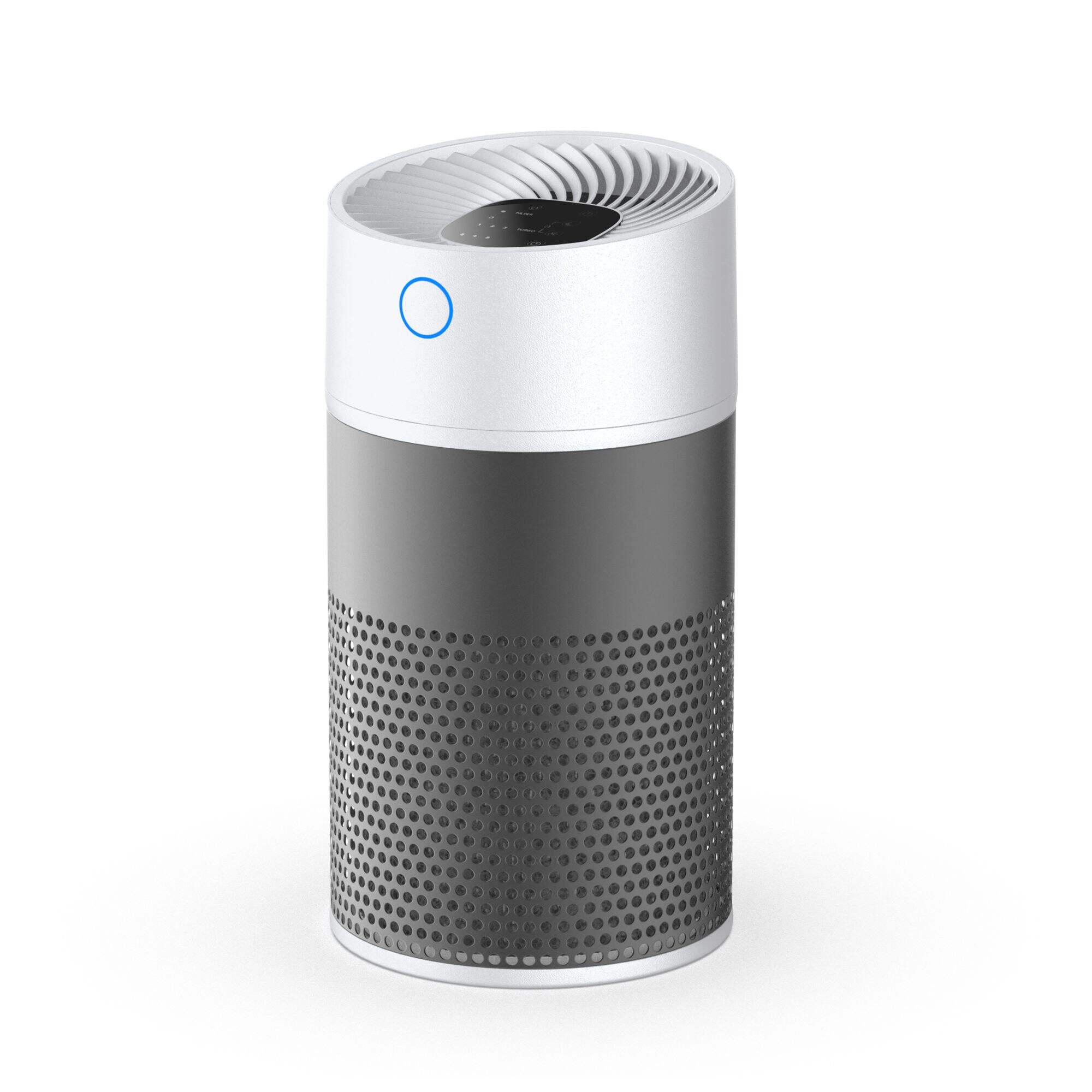
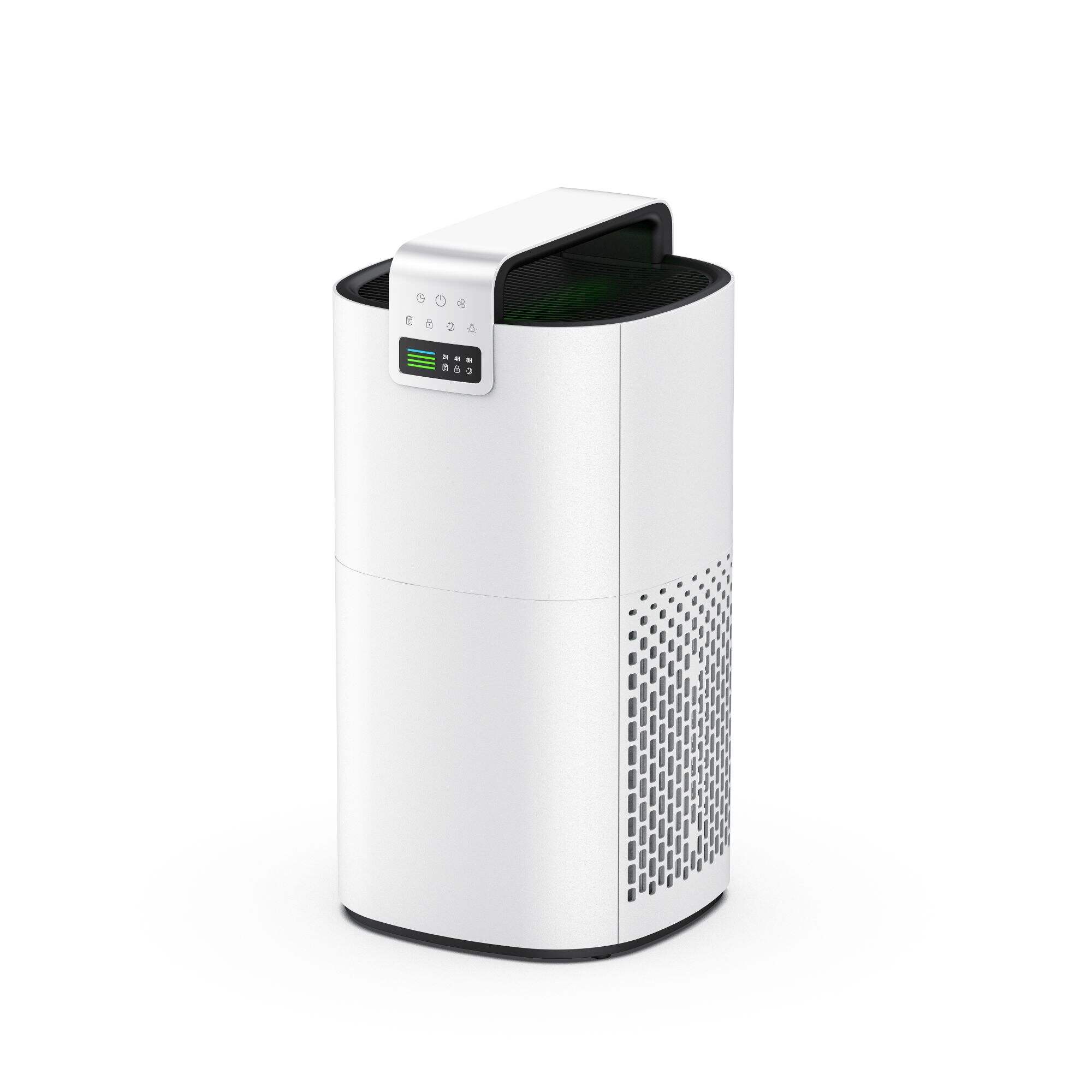
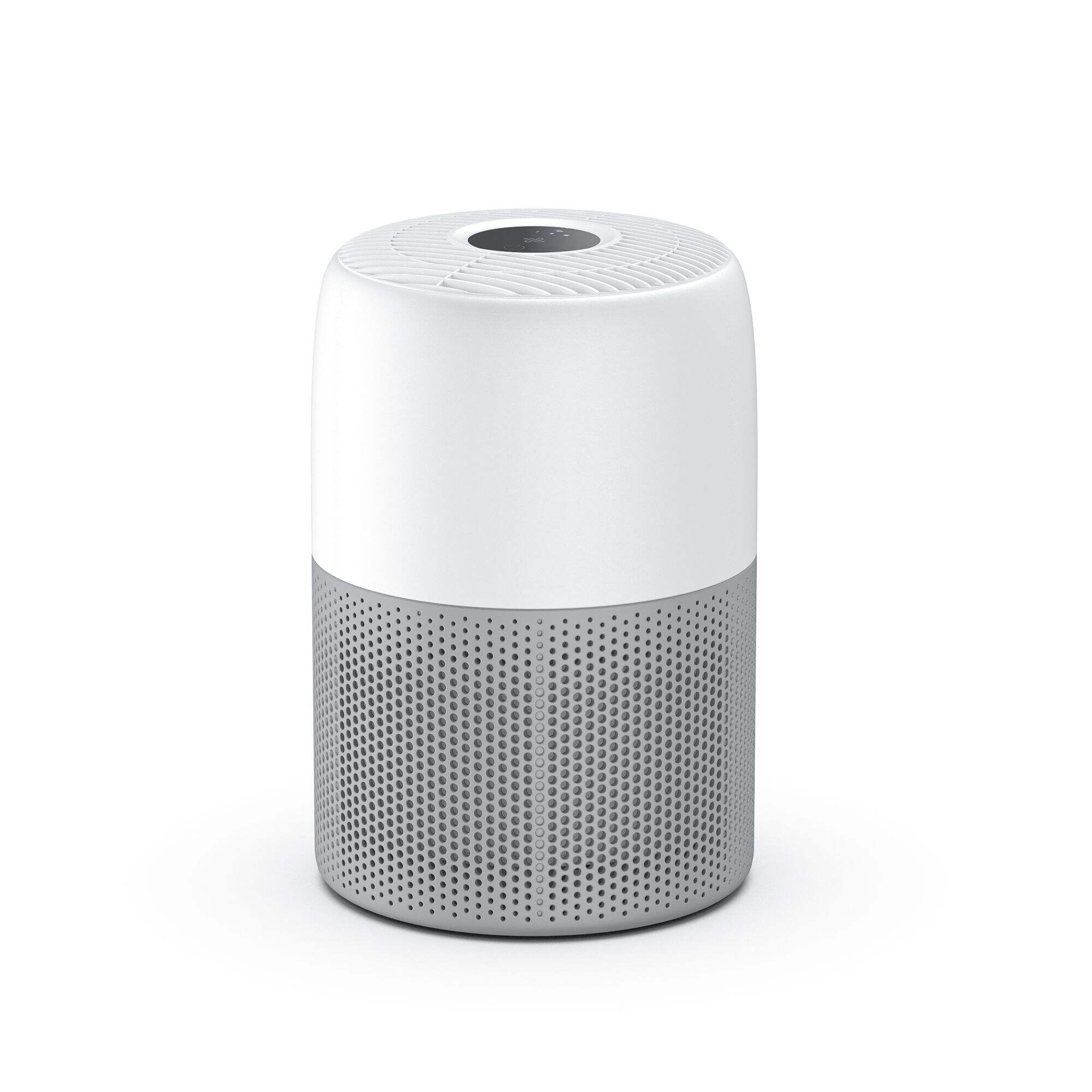
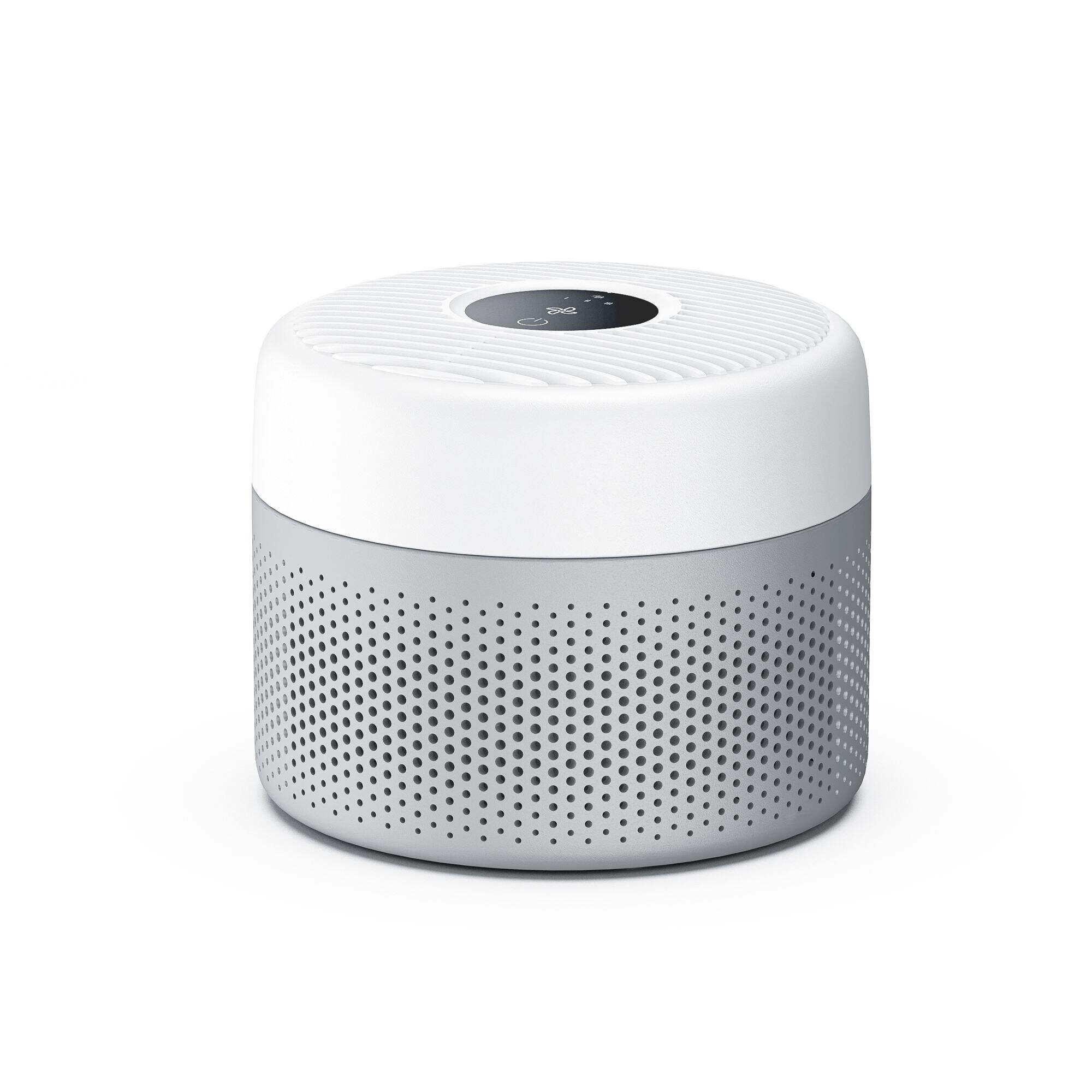
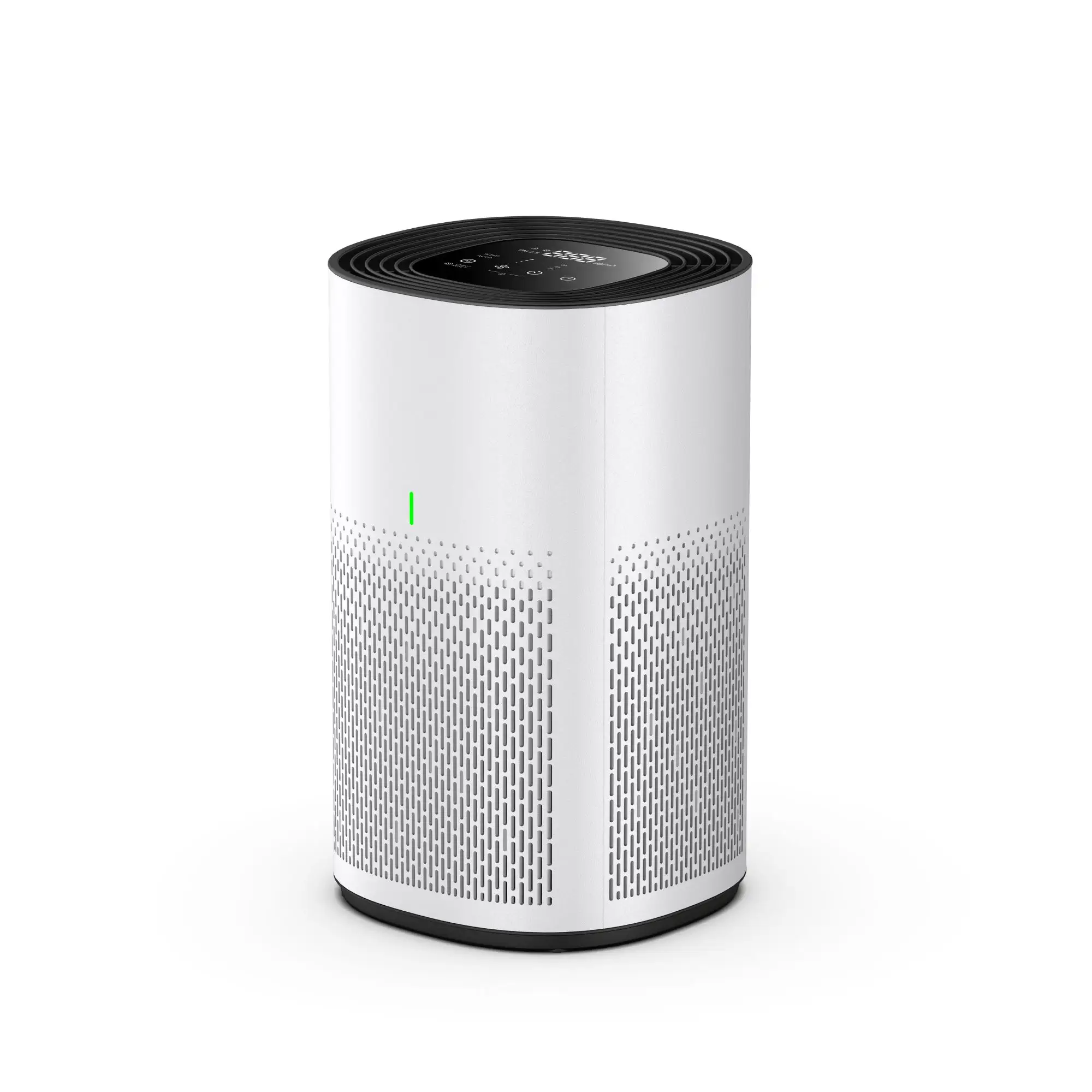
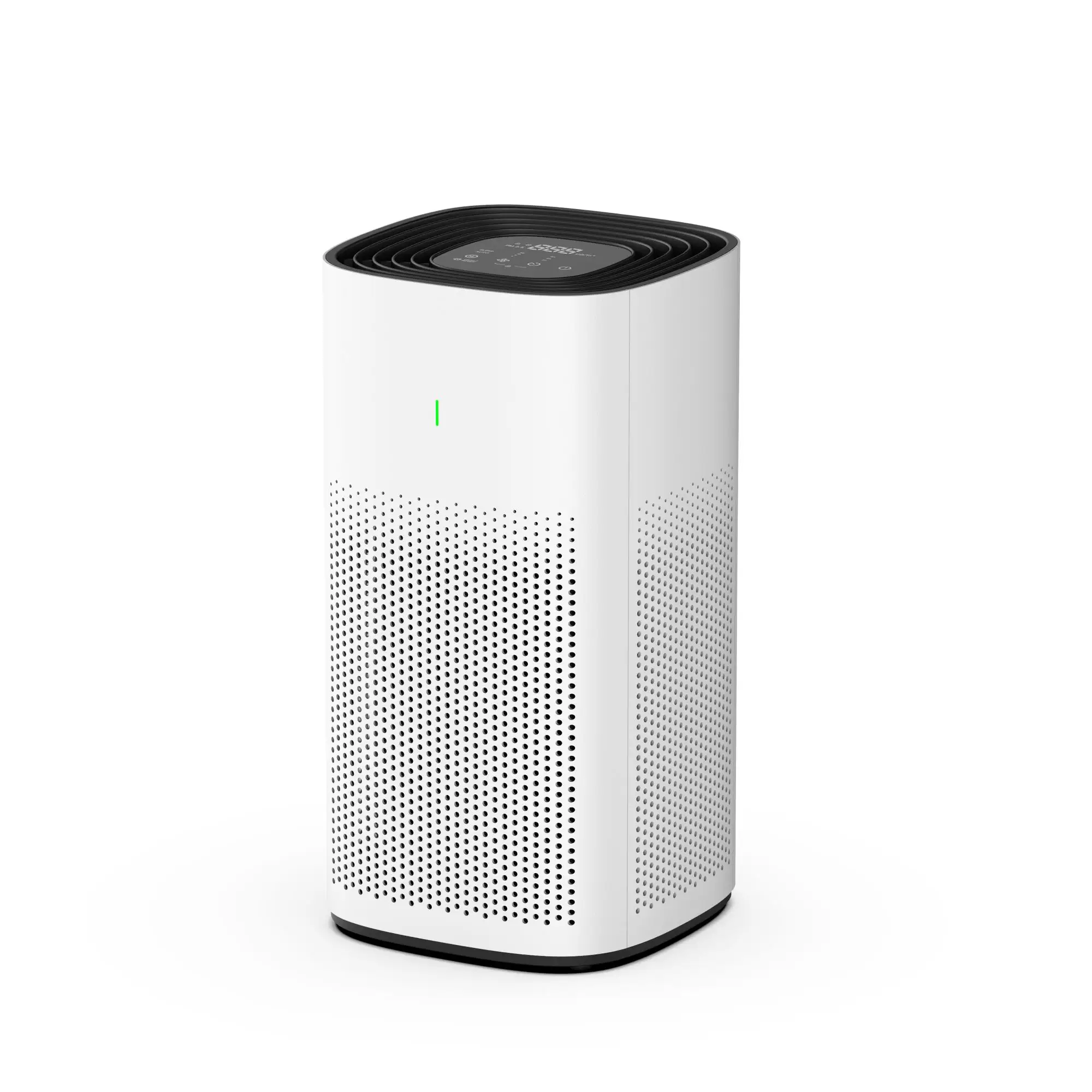
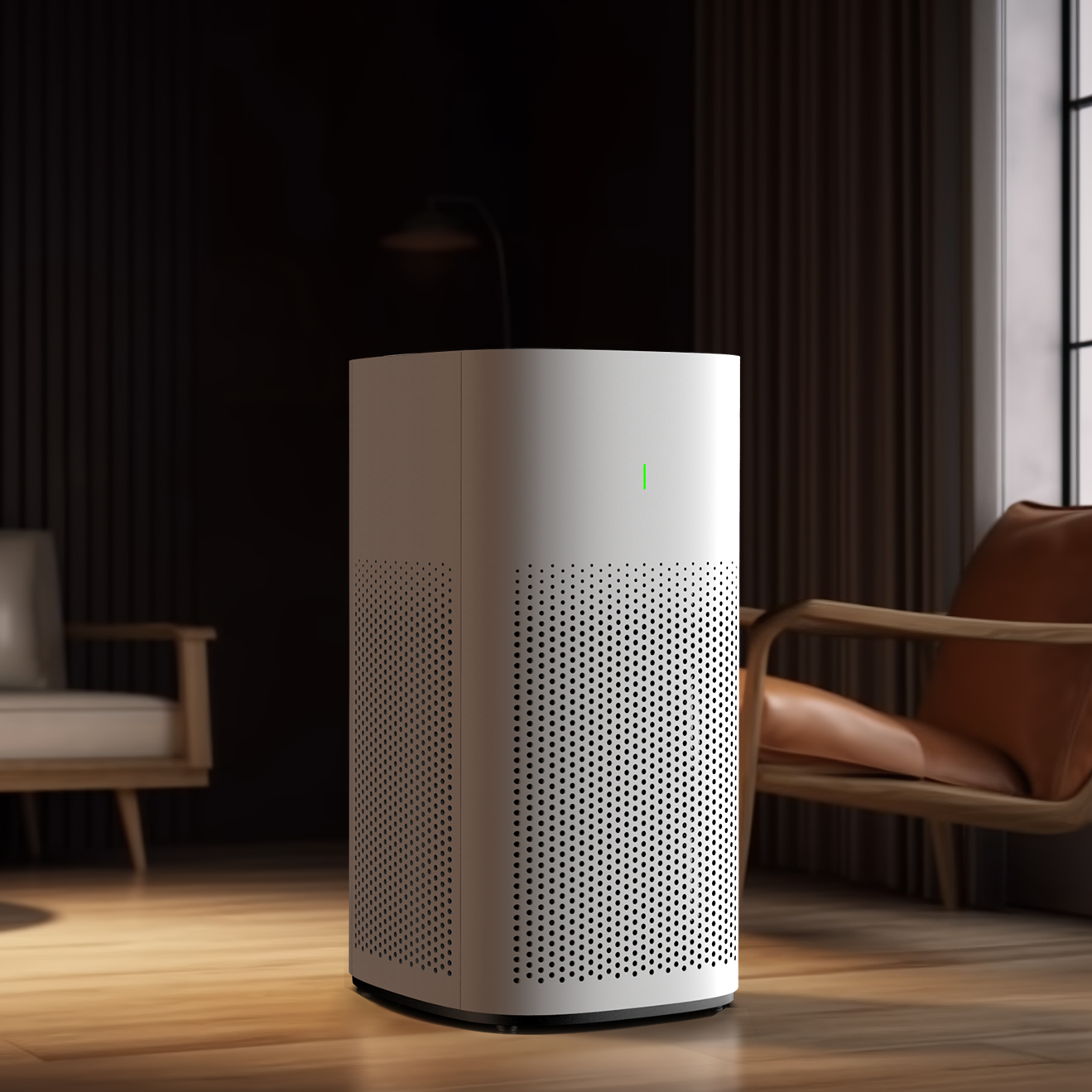
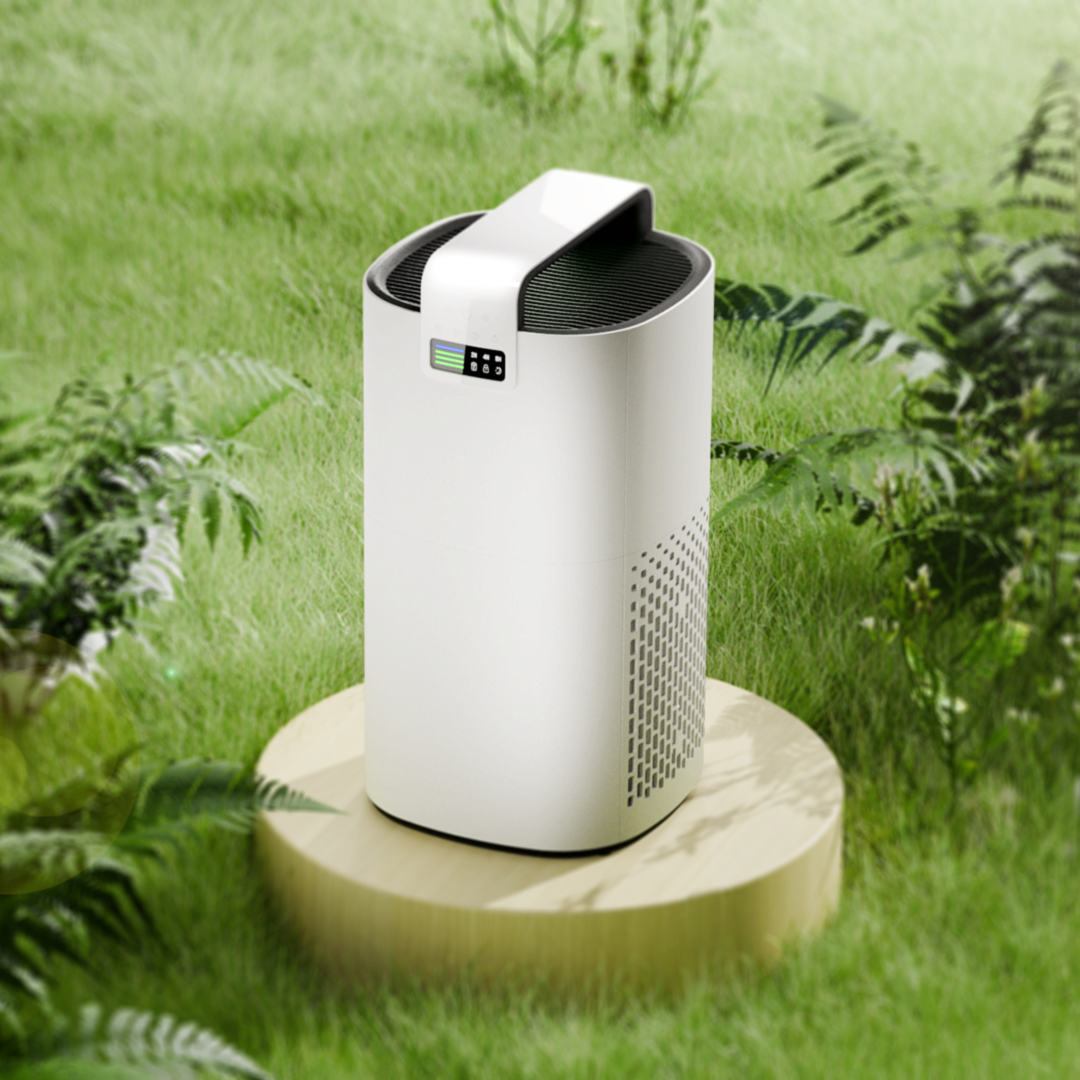
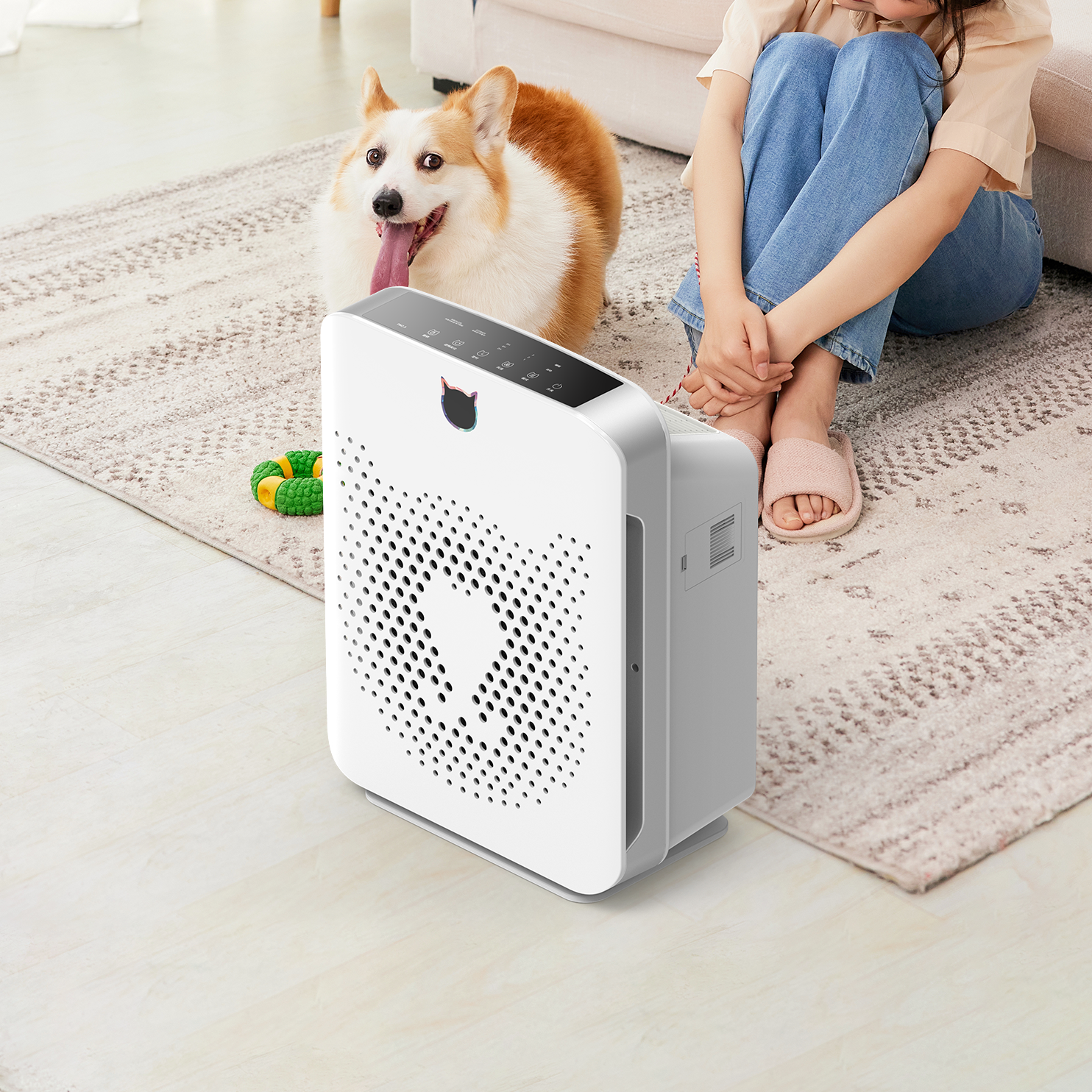
An air cleaner with filter represents an essential solution for maintaining superior indoor air quality in residential, commercial, and industrial environments. This sophisticated device operates by continuously drawing contaminated air through specialized filtration media that capture and remove harmful particles, allergens, pollutants, and microorganisms. The core mechanism involves a multi-stage filtration process where air passes through progressively finer filter layers, each designed to trap specific contaminant sizes. Modern air cleaner with filter systems incorporate advanced technologies such as HEPA filtration, activated carbon layers, and pre-filters that work synergistically to eliminate dust, pollen, pet dander, smoke particles, volatile organic compounds, and microscopic pathogens. The primary function extends beyond simple particle removal, as these units actively improve breathing conditions for individuals suffering from allergies, asthma, or respiratory sensitivities. Technological features include variable fan speed controls, smart sensors that detect air quality levels, automatic operation modes, and energy-efficient motors that minimize electricity consumption while maximizing performance. Many contemporary models integrate digital displays showing real-time air quality metrics, filter replacement indicators, and programmable timers for customized operation schedules. The applications span diverse settings including homes, offices, hospitals, schools, manufacturing facilities, laboratories, and cleanrooms where maintaining specific air purity standards is critical. An air cleaner with filter proves particularly valuable in urban environments where outdoor pollution infiltrates indoor spaces, and in buildings with poor ventilation systems. These devices accommodate various room sizes, with capacity ratings measured in square footage or air changes per hour, ensuring appropriate coverage for different spatial requirements. The versatility of air cleaner with filter technology makes it adaptable to specific needs, whether targeting smoke removal, odor elimination, or pathogen reduction, positioning it as a fundamental component of healthy indoor environmental management.

 EN
EN
 AR
AR
 NL
NL
 FR
FR
 DE
DE
 EL
EL
 HI
HI
 IT
IT
 JA
JA
 KO
KO
 PL
PL
 PT
PT
 ES
ES
 ID
ID
 VI
VI
 TH
TH
 TR
TR
 MS
MS