User-Friendly Interface With Customizable Comfort Settings
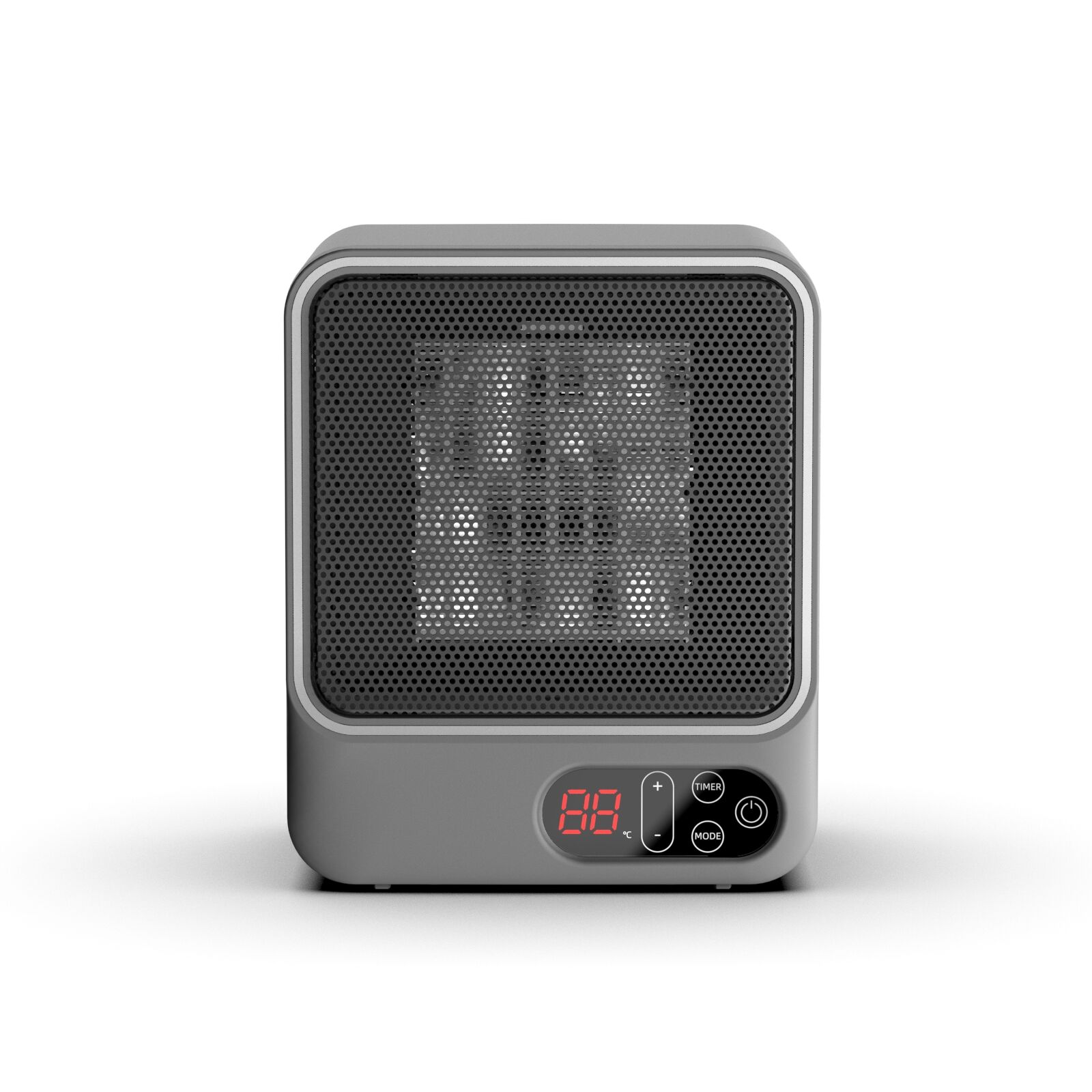
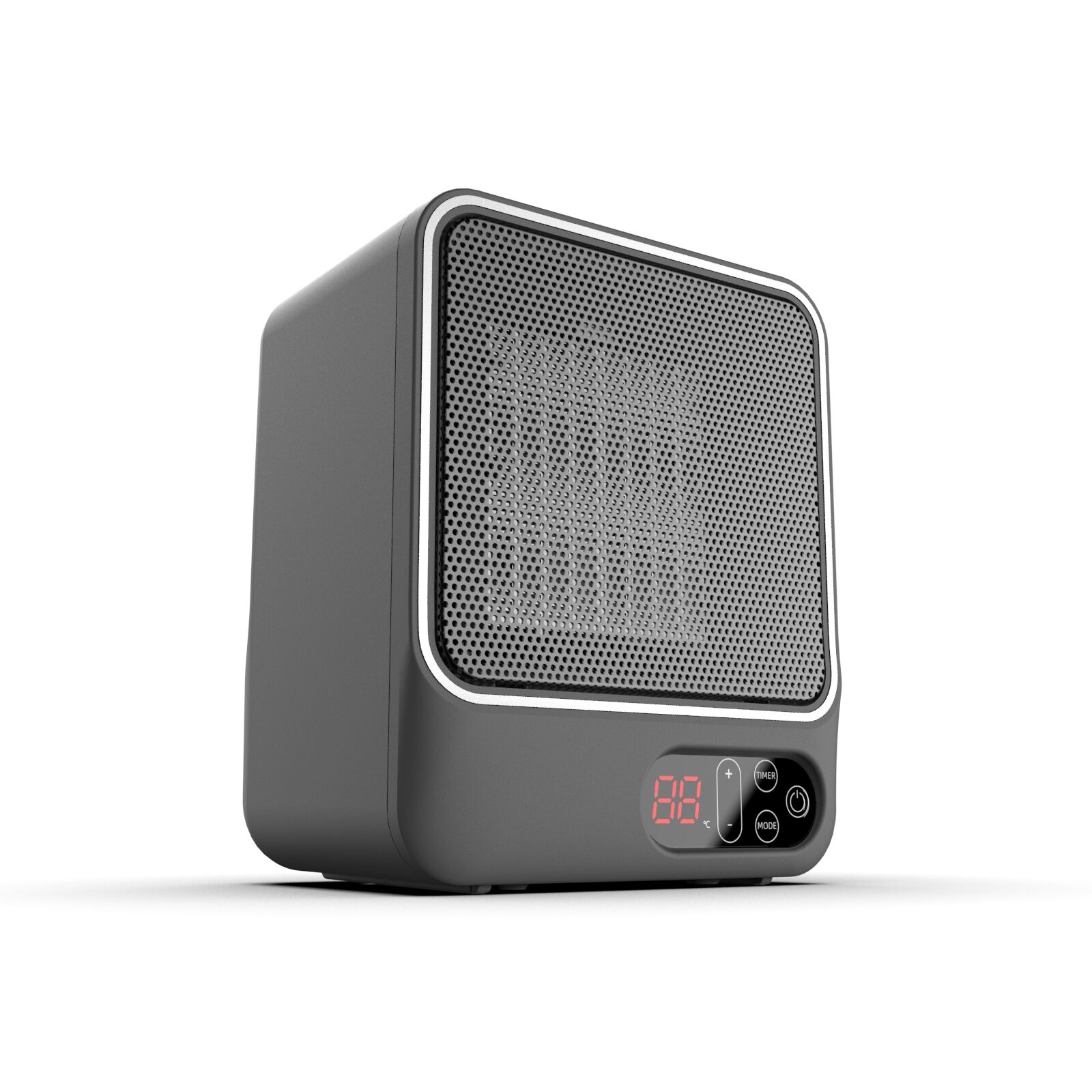
The user experience design of modern heaters with timer prioritizes accessibility and intuitive operation, recognizing that advanced functionality only delivers value when users can easily configure and modify settings according to their specific needs and preferences. Manufacturers have invested significantly in developing interfaces that balance comprehensive control options with straightforward navigation, resulting in heating solutions that serve both technology-enthusiastic users and those preferring simple operation. Digital displays represent the primary interface component on most heaters with timer, providing clear visual feedback about current operational status, programmed settings, remaining time in active cycles, and ambient temperature measurements. High-contrast LCD or LED screens ensure readability across various lighting conditions and viewing angles, with backlighting options enabling visibility during nighttime adjustments. These displays typically show multiple data points simultaneously, allowing users to verify settings at a glance without navigating through multiple menus. The control layout emphasizes logical organization, with dedicated buttons for primary functions like power, timer setting, temperature adjustment, and mode selection. Many models employ a hierarchical menu structure where basic operations require minimal button presses while advanced programming remains accessible through clearly marked pathways. This design philosophy ensures that simple tasks like adjusting temperature or checking remaining timer duration can be accomplished immediately, while more complex schedule programming is available when needed without cluttering the basic interface. Remote control capabilities extend convenience significantly, allowing users to modify heater with timer settings from across rooms without approaching the unit. This functionality proves particularly valuable for bedroom heating where users can adjust warmth levels from bed, or in situations where the heater occupies positions that would require moving furniture for direct access. Infrared remote systems provide reliable operation without requiring line-of-sight alignment, enhancing practical usability. Memory functions preserve programmed settings even during power interruptions, eliminating the frustration of reprogramming after electrical outages. Quality heaters with timer incorporate battery backup systems or non-volatile memory chips that retain user configurations indefinitely, ensuring schedule continuity and reducing setup burden. Preset mode options cater to common usage scenarios, offering one-touch activation of popular heating patterns. Users might select from presets like morning warm-up, evening comfort, overnight low temperature, or energy saver modes rather than programming from scratch. These shortcuts reduce the learning curve for new users while providing starting points that can be customized as familiarity grows. Multi-language support in display text and instruction materials broadens accessibility across diverse user populations, ensuring that language barriers do not prevent safe and effective heater with timer operation. The emphasis on user-friendly design extends throughout the ownership experience, from simplified initial setup procedures that get the heater with timer operational within minutes to clear indicator lights that communicate operational status instantly. This comprehensive approach to interface design transforms potentially complex heating technology into an approachable tool that enhances daily comfort through accessible automation.
 EN
EN
 AR
AR
 NL
NL
 FR
FR
 DE
DE
 EL
EL
 HI
HI
 IT
IT
 JA
JA
 KO
KO
 PL
PL
 PT
PT
 ES
ES
 ID
ID
 VI
VI
 TH
TH
 TR
TR
 MS
MS