JNUO - Experts in Indoor Air Quality Solutions

All Categories

indoor air filter

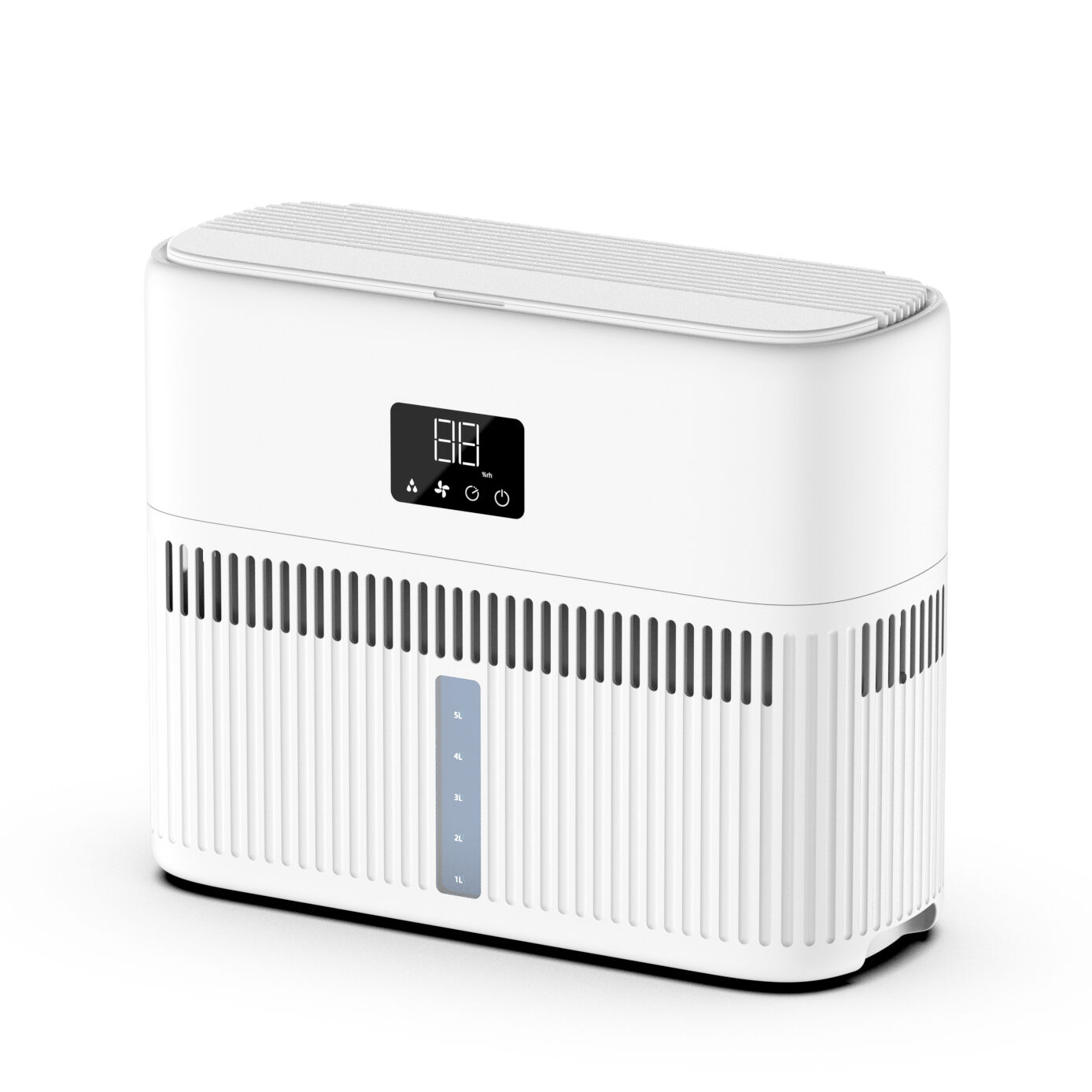
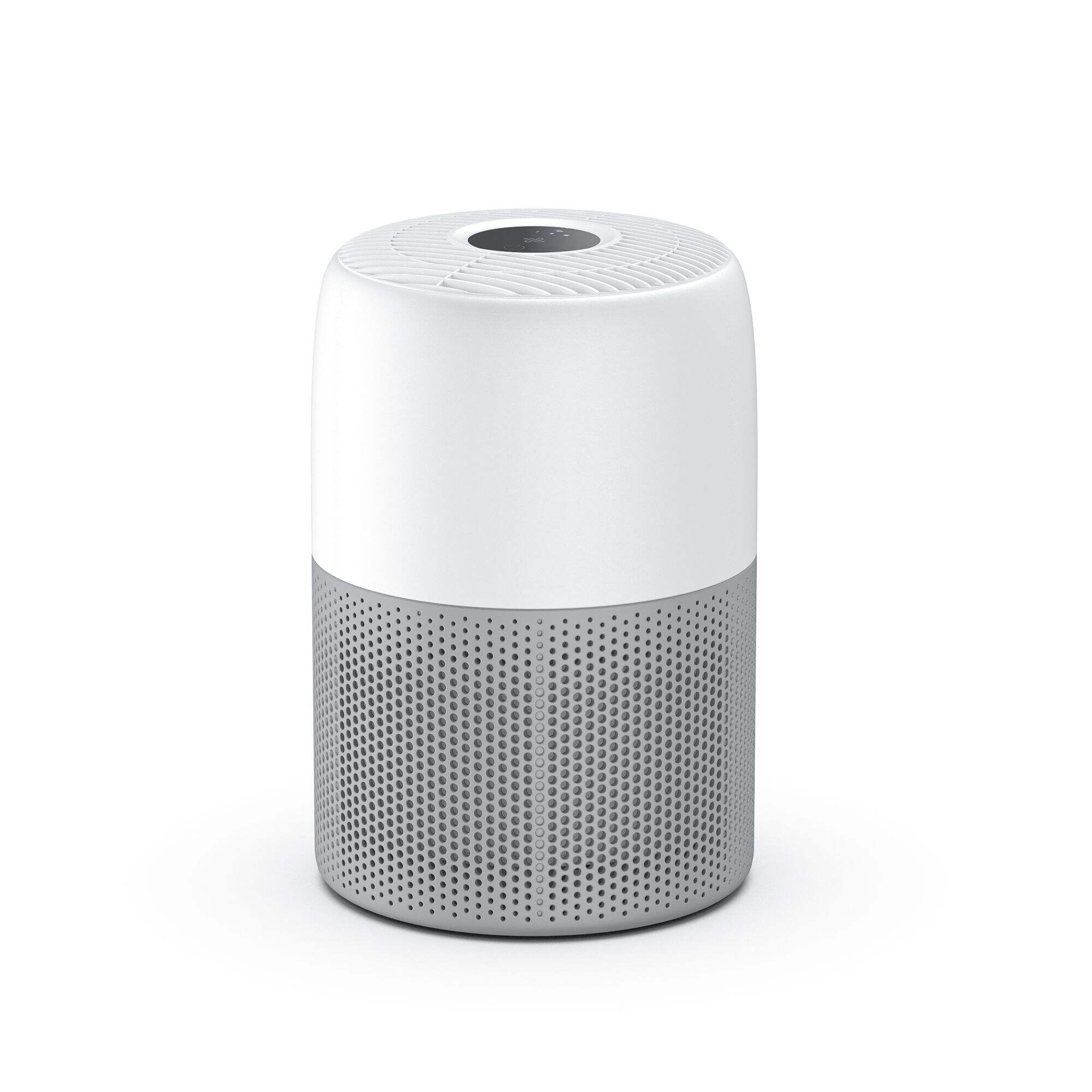
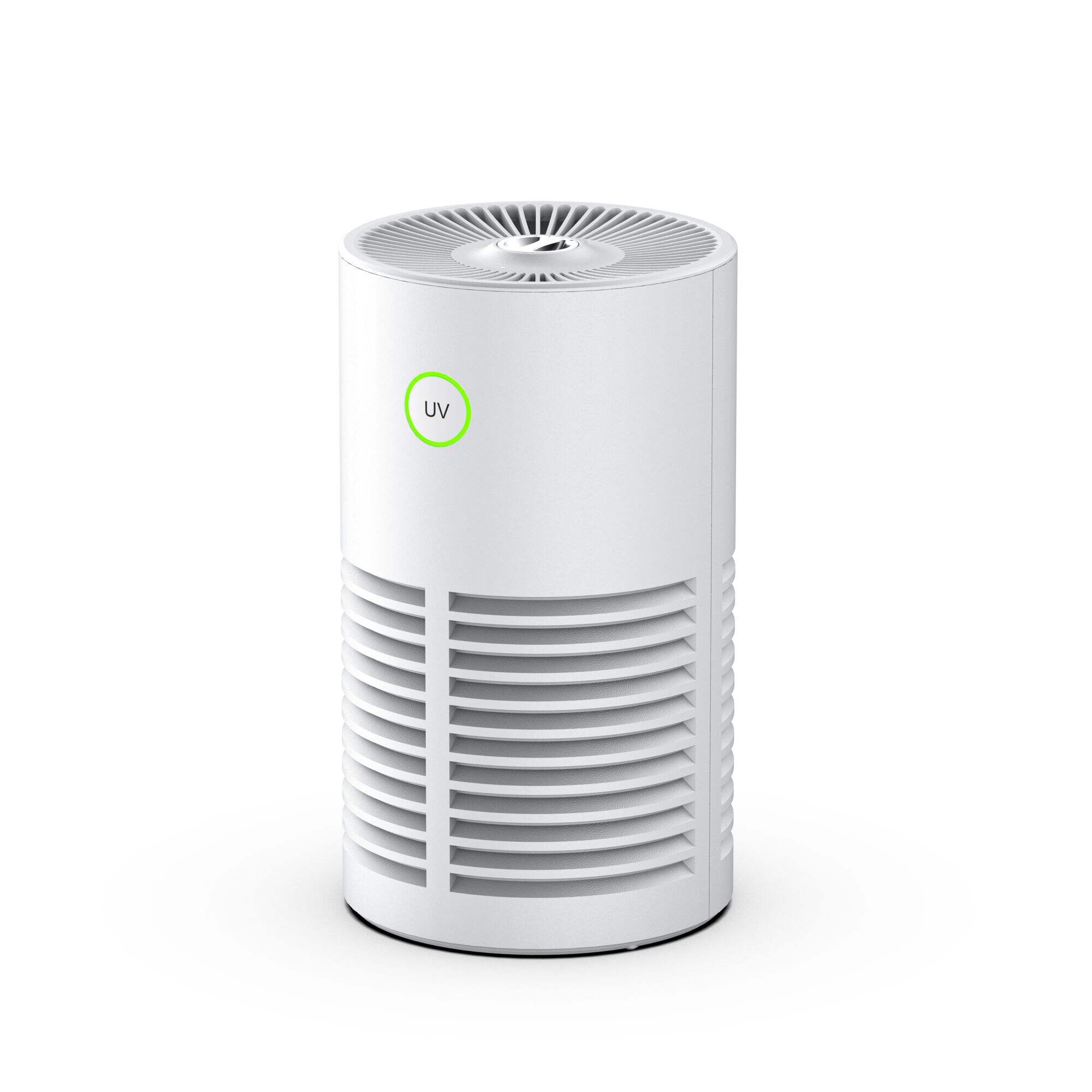
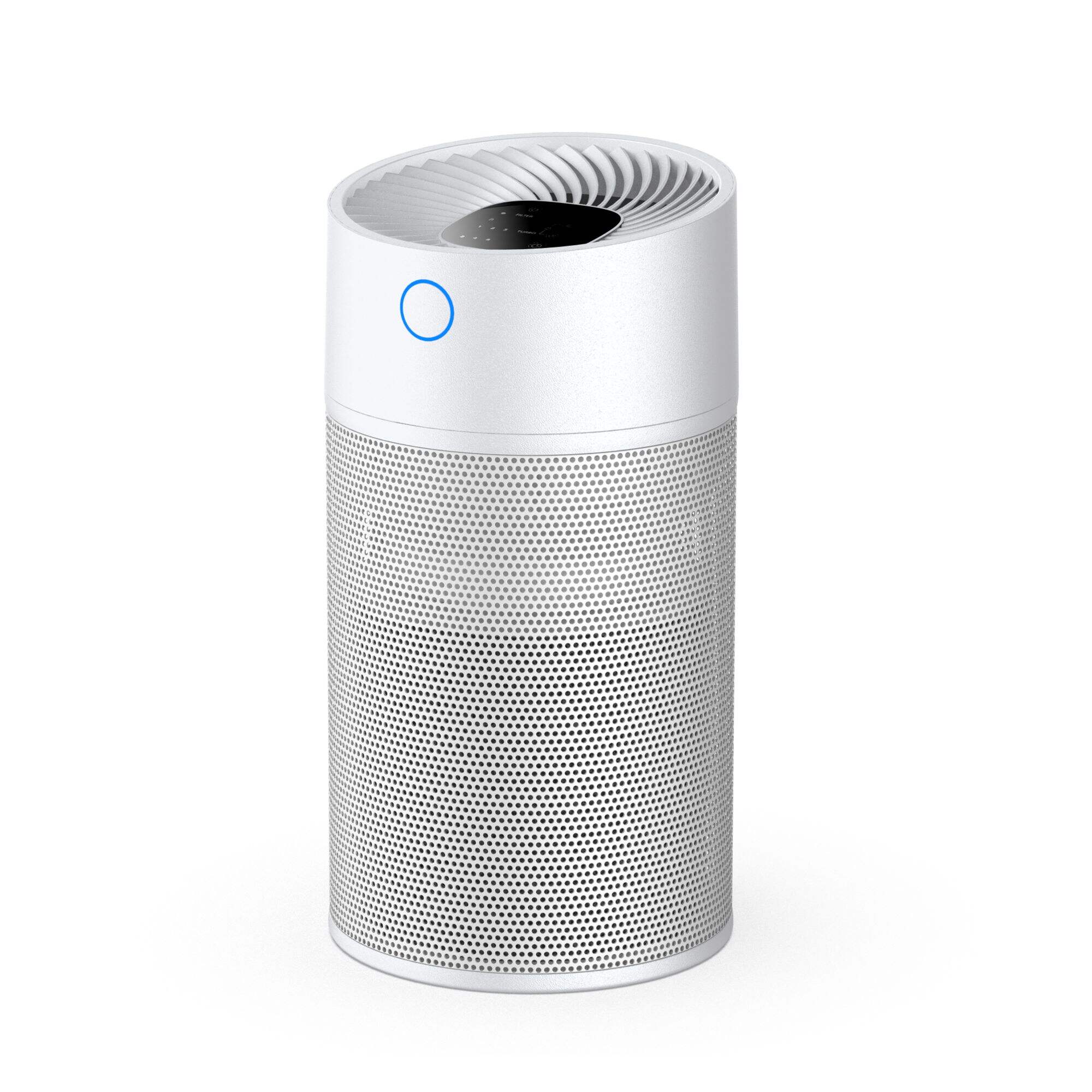
An indoor air filter represents an essential component in modern ventilation and climate control systems, designed to purify the air within residential, commercial, and industrial spaces. This sophisticated device works by capturing and removing airborne particles, contaminants, and pollutants that circulate through heating, ventilation, and air conditioning systems. The primary function of an indoor air filter involves trapping dust, pollen, pet dander, mold spores, bacteria, and various microscopic particles that can compromise air quality and human health. By continuously filtering the air that circulates throughout a building, these systems create healthier living and working environments for occupants. The technological features of contemporary indoor air filter systems have evolved significantly, incorporating multiple filtration stages and advanced materials to maximize efficiency. Many models utilize HEPA filtration technology, which can capture particles as small as 0.3 microns with remarkable effectiveness. Some advanced systems integrate electrostatic precipitation, activated carbon layers, and antimicrobial treatments to address different types of airborne contaminants. The applications of indoor air filter technology span numerous settings, from private homes and apartments to office buildings, hospitals, schools, manufacturing facilities, and retail spaces. These versatile systems adapt to various environmental conditions and contamination levels, providing customized solutions for different air quality challenges. Installation typically occurs within existing HVAC ductwork or as standalone units, depending on the specific requirements of the space. Regular maintenance, including periodic filter replacement, ensures optimal performance and longevity. The importance of indoor air filter systems has grown substantially as awareness of indoor air quality issues has increased, with research linking poor air quality to respiratory problems, allergies, and decreased productivity. Modern designs emphasize energy efficiency while maintaining high filtration standards, allowing users to improve air quality without significantly increasing operational costs.

New Products

Investing in an indoor air filter brings numerous practical benefits that directly improve your daily life and long-term wellbeing. First and foremost, these systems dramatically reduce the amount of dust that accumulates in your home or workplace, meaning you spend less time cleaning surfaces, furniture, and floors. This translates into real time savings and reduced effort in maintaining a clean environment. For individuals who suffer from allergies or asthma, an indoor air filter provides measurable relief by removing pollen, pet dander, and other common triggers from the breathing environment. Many users report fewer sneezing episodes, reduced congestion, and improved sleep quality after installing these systems. The health advantages extend beyond allergy relief, as removing bacteria, viruses, and mold spores from circulating air helps reduce the spread of illnesses among family members or coworkers. Parents particularly appreciate how an indoor air filter creates a safer breathing environment for children, whose developing respiratory systems are more vulnerable to airborne contaminants. Another significant advantage involves odor elimination, as quality filters capture smoke particles, cooking smells, and pet odors that would otherwise linger in fabrics and carpets. This keeps your indoor spaces smelling fresh without relying on artificial fragrances or constant ventilation. Energy efficiency represents another key benefit, as modern indoor air filter systems operate quietly and consume minimal electricity while providing continuous protection. Many models feature smart sensors that adjust filtration intensity based on detected air quality levels, optimizing performance while conserving energy. The financial advantages become apparent over time through reduced cleaning costs, fewer sick days, and decreased medical expenses related to respiratory issues. Property owners also discover that maintaining good air quality helps preserve furnishings, electronics, and building materials by reducing dust accumulation and moisture-related problems. Installation proves straightforward for most systems, with options ranging from simple filter replacements in existing HVAC units to comprehensive whole-house solutions. The longevity of quality indoor air filter systems provides years of reliable service with minimal maintenance requirements beyond periodic filter changes. Users gain peace of mind knowing their indoor environment remains protected against invisible threats that standard cleaning cannot address. The convenience factor cannot be overstated, as these systems work automatically in the background, requiring no daily interaction or monitoring. For businesses, investing in indoor air filter technology demonstrates commitment to employee health and can contribute to improved productivity and reduced absenteeism.

Tips And Tricks

Groundbreaking Ceremony of JNUO Smart Home Appliance (Zhangmutou) Production Project and JNUO intelligent production New Project

27

Mar

Groundbreaking Ceremony of JNUO Smart Home Appliance (Zhangmutou) Production Project and JNUO intelligent production New Project

JNUO held groundbreaking ceremonies for two smart home appliance projects in Zhangmutou, Dongguan. Totaling a ¥800 million investment, the initiatives encompass R&D centers, intelligent manufacturing hubs & production bases.
View More
Introducing the Intelligent Shoe Dryer of Footwear Care

03

Apr

Introducing the Intelligent Shoe Dryer of Footwear Care

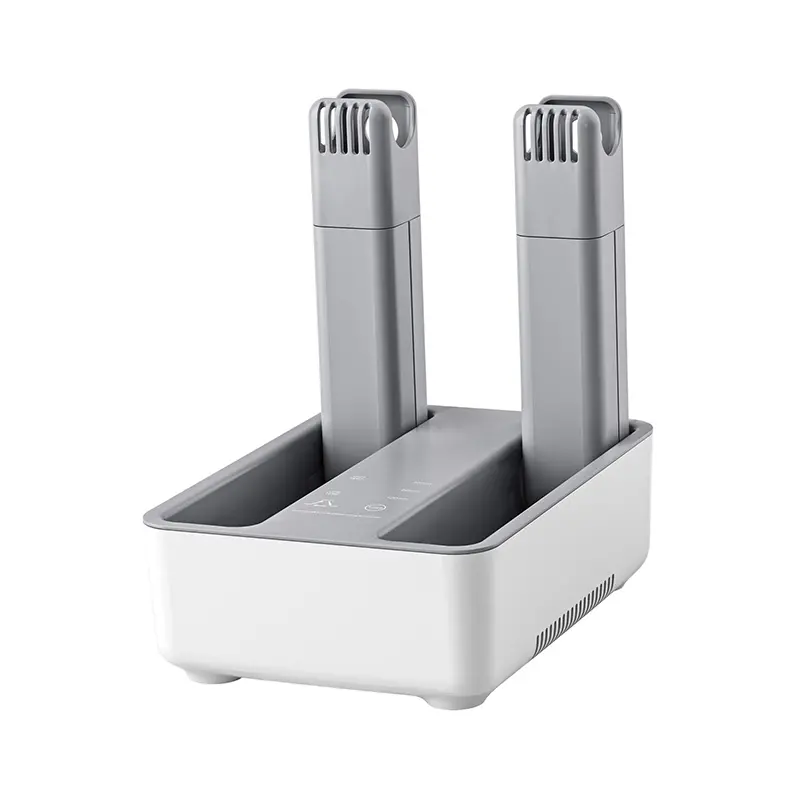
The intelligent shoe dryer combines advanced technology with practicality to provide a solution that not only dries shoes but also cares for them.
View More

Get In Touch

indoor air filter

Advanced Multi-Stage Filtration Technology

Advanced Multi-Stage Filtration Technology

The cornerstone of effective indoor air filter performance lies in sophisticated multi-stage filtration technology that addresses different types of airborne contaminants through specialized mechanisms. Unlike basic filters that capture only larger particles, advanced indoor air filter systems employ sequential filtration stages, each targeting specific particle sizes and contaminant types. The first stage typically consists of a pre-filter that captures larger particles like hair, lint, and visible dust, protecting subsequent filtration layers from premature clogging and extending overall system lifespan. This initial barrier proves essential for maintaining optimal airflow and efficiency throughout the entire filtration process. The second stage often incorporates HEPA-grade filtration media, representing the gold standard in particle capture technology. These high-efficiency filters utilize densely packed fibers arranged in a complex matrix that forces air through tortuous pathways, effectively trapping microscopic particles through impaction, interception, and diffusion mechanisms. This indoor air filter stage captures allergens, fine dust, pollen, and even some bacteria with exceptional efficiency, removing particles that would otherwise circulate continuously through indoor spaces. The third stage in premium indoor air filter systems introduces activated carbon filtration, addressing gaseous pollutants and odors that particle filters cannot capture. Activated carbon possesses an incredibly porous structure with vast surface area, allowing it to adsorb volatile organic compounds, chemical fumes, smoke particles, and unpleasant odors through chemical attraction. This stage proves particularly valuable in homes with pets, in urban environments with traffic pollution, or in spaces where cooking odors present challenges. Some advanced indoor air filter designs incorporate additional stages such as ultraviolet light sterilization, which neutralizes airborne pathogens including viruses and bacteria, or ionization technology that charges particles to enhance capture efficiency. The integration of these multiple technologies within a single indoor air filter system provides comprehensive protection against the full spectrum of indoor air quality threats, delivering cleaner, healthier air than any single filtration method could achieve alone.
Smart Monitoring and Automated Performance Optimization

Smart Monitoring and Automated Performance Optimization

Modern indoor air filter systems distinguish themselves through intelligent monitoring capabilities and automated performance optimization features that maximize effectiveness while minimizing energy consumption and maintenance requirements. At the heart of these smart systems lies an array of sophisticated sensors that continuously measure air quality parameters including particle concentration, volatile organic compound levels, humidity, and even carbon dioxide content. These sensors provide real-time data about the indoor environment, allowing the indoor air filter system to respond dynamically to changing conditions rather than operating at a constant, potentially inefficient level. When sensors detect elevated particle levels, perhaps from cooking activities or opened windows, the indoor air filter automatically increases fan speed and filtration intensity to rapidly address the contamination. Conversely, during periods of good air quality, the system reduces operation to conserve energy without compromising protection. This intelligent operation delivers significant advantages over traditional fixed-speed systems, reducing electricity costs while ensuring optimal air quality at all times. Many advanced indoor air filter models feature integrated displays or smartphone connectivity, allowing users to monitor air quality metrics in real time and receive notifications about filter replacement needs or detected air quality issues. This transparency empowers users to understand their indoor environment and make informed decisions about ventilation and activities that might affect air quality. The automated filter life monitoring represents another valuable smart feature, as sensors track airflow resistance and operating hours to calculate remaining filter life accurately. Users receive timely alerts when replacement becomes necessary, preventing the performance degradation that occurs when filters become saturated beyond their effective capacity. Some indoor air filter systems integrate with broader smart home ecosystems, enabling coordination with HVAC systems, windows, and other environmental controls for comprehensive indoor air quality management. The learning capabilities of advanced systems allow them to recognize patterns in air quality fluctuations, anticipating recurring events like daily cooking times or seasonal pollen increases, and proactively adjusting operation to maintain consistent air quality. These intelligent features transform the indoor air filter from a passive device into an active guardian of indoor environmental health.
Versatile Installation Options and Space-Efficient Designs

Versatile Installation Options and Space-Efficient Designs

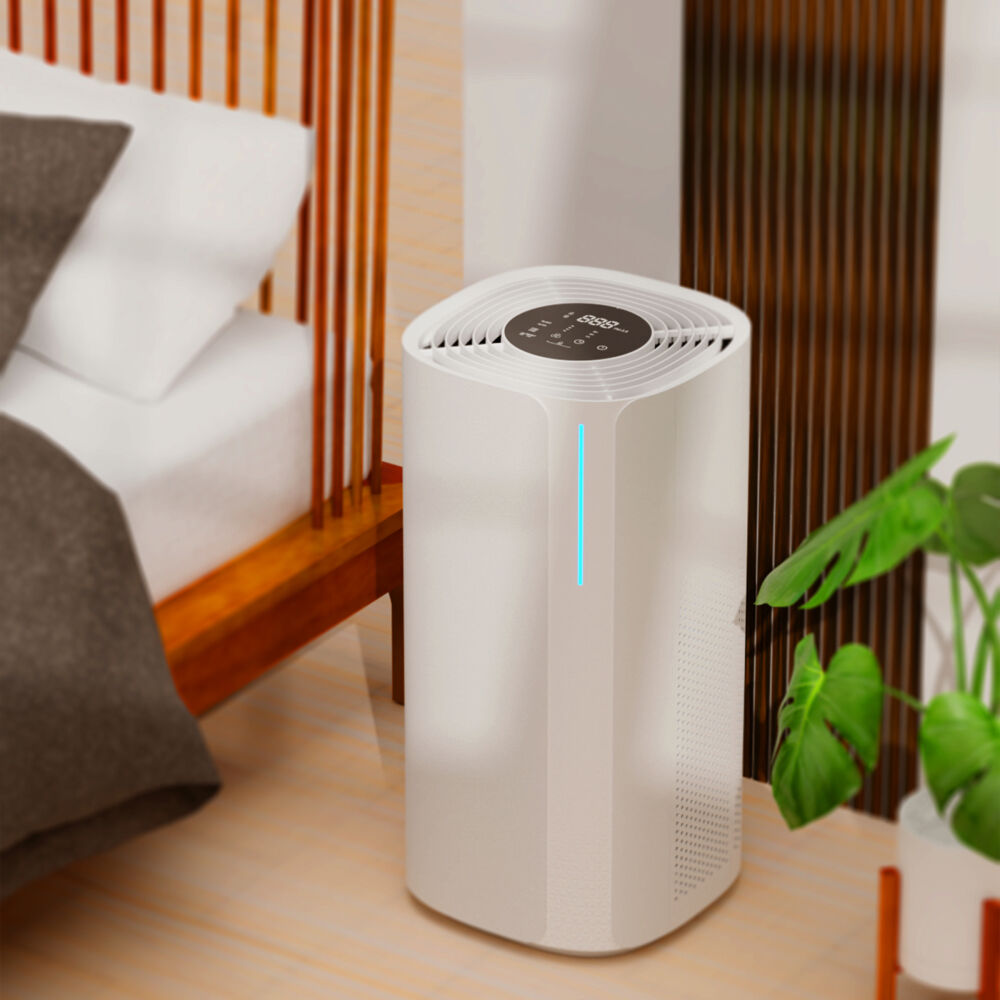
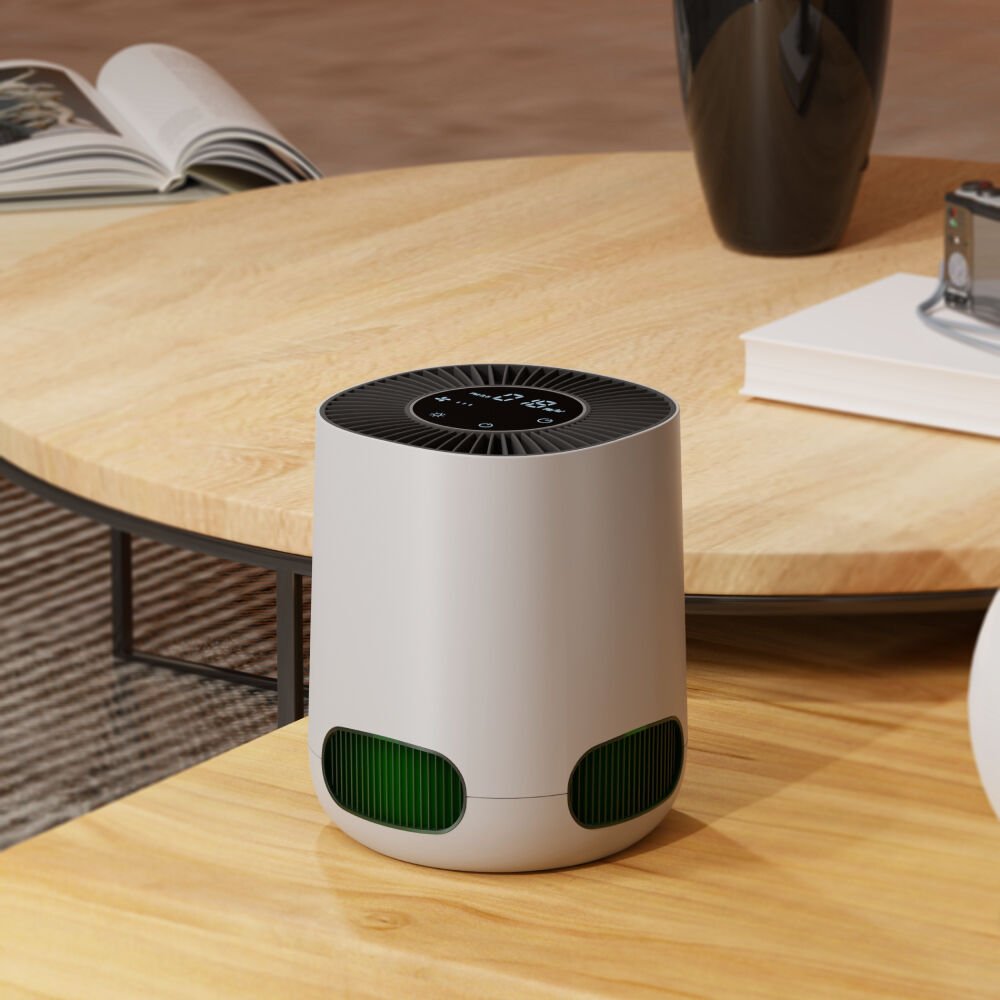
The practical value of an indoor air filter extends beyond its purification capabilities to encompass flexible installation options and space-efficient designs that accommodate diverse architectural configurations and user preferences. Recognizing that every building presents unique challenges and opportunities, manufacturers have developed indoor air filter solutions ranging from compact portable units to comprehensive whole-building systems integrated within existing ductwork. For homeowners and renters seeking immediate air quality improvement without permanent modifications, standalone indoor air filter units offer plug-and-play convenience, requiring only an electrical outlet and appropriate placement within the room. These portable systems prove ideal for bedrooms, home offices, or any space where occupants spend significant time, providing targeted protection where it matters most. The compact footprint of modern portable indoor air filter designs allows placement on floors, tables, or shelves without consuming valuable living space or creating obstacles. For those undertaking renovation projects or building new constructions, integrated indoor air filter systems installed within HVAC ductwork provide whole-home protection with minimal visible presence. These built-in systems filter all air circulating through the heating and cooling system, ensuring consistent air quality throughout every room without requiring multiple units or visible equipment in living spaces. The installation process for ducted indoor air filter systems typically involves professional HVAC technicians who ensure proper sizing, placement, and integration with existing climate control infrastructure. Between these extremes lie versatile options such as wall-mounted indoor air filter units that combine permanent installation with room-specific coverage, and return-vent filters that upgrade existing HVAC systems without extensive modifications. The space-efficient engineering of contemporary indoor air filter products reflects careful attention to residential and commercial aesthetics, with sleek profiles, neutral colors, and quiet operation that allow these essential devices to blend seamlessly into any decor. Noise reduction technology ensures that even high-capacity indoor air filter systems operate unobtrusively, making them suitable for bedrooms, libraries, and other quiet environments where disruptive mechanical sounds would prove unacceptable. The modular nature of many systems allows capacity expansion through additional units or upgraded filters as needs evolve, protecting the initial investment while accommodating changing requirements. Maintenance accessibility represents another design priority, with tool-free filter access panels and clear replacement indicators that simplify routine servicing without requiring technical expertise or professional assistance.
×
Let us know how we can help you.
Email Address *
Your Name
Phone
Company Name
Message *