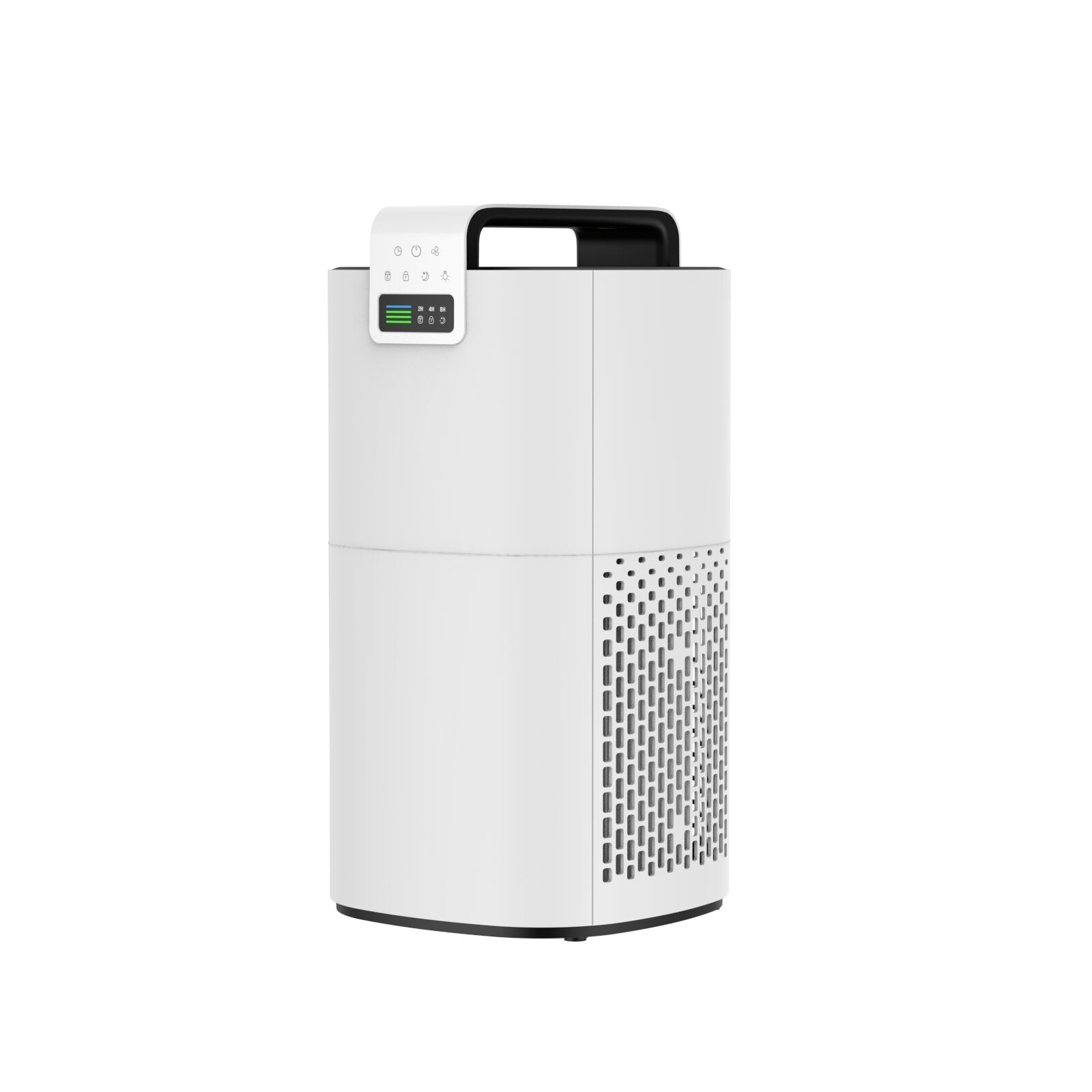
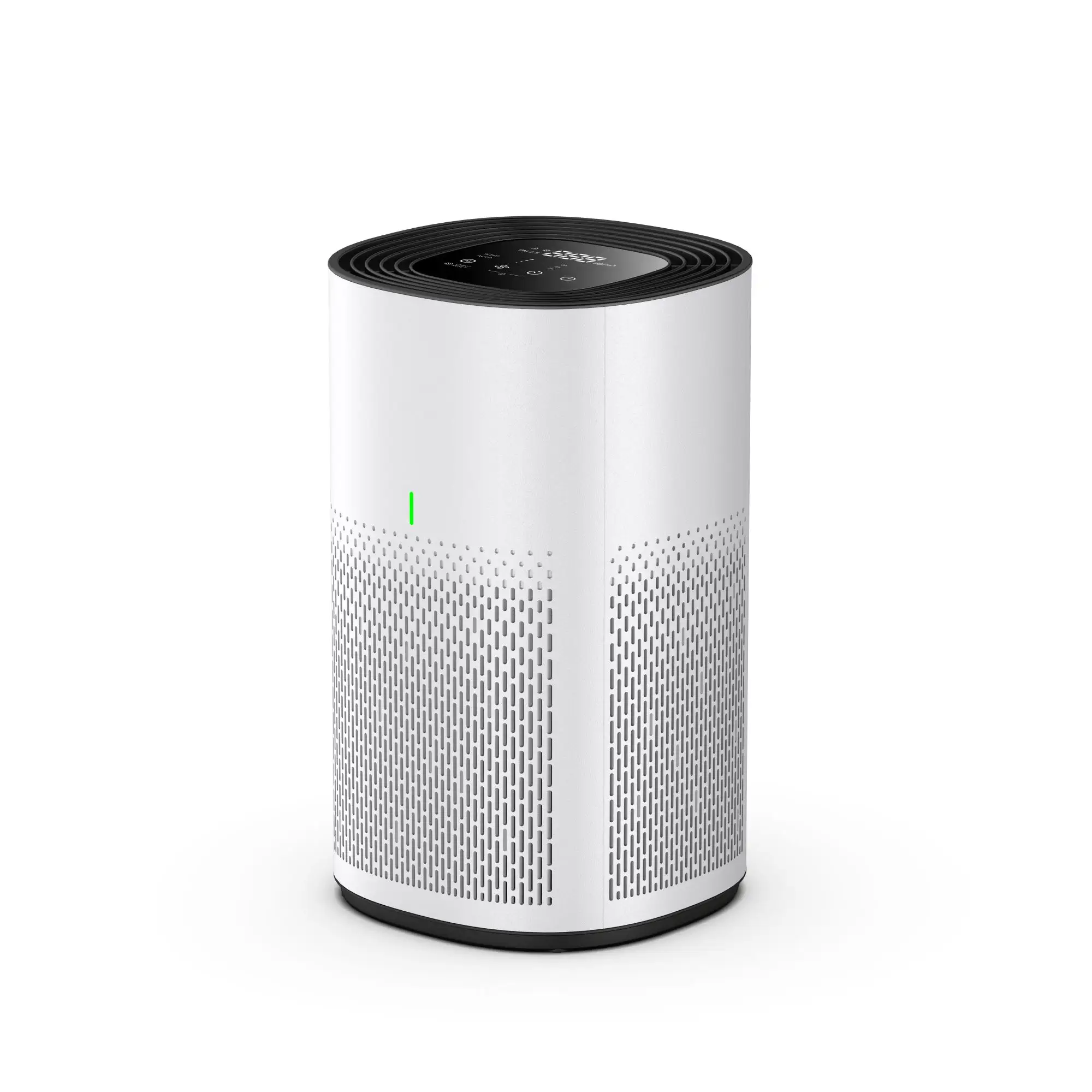
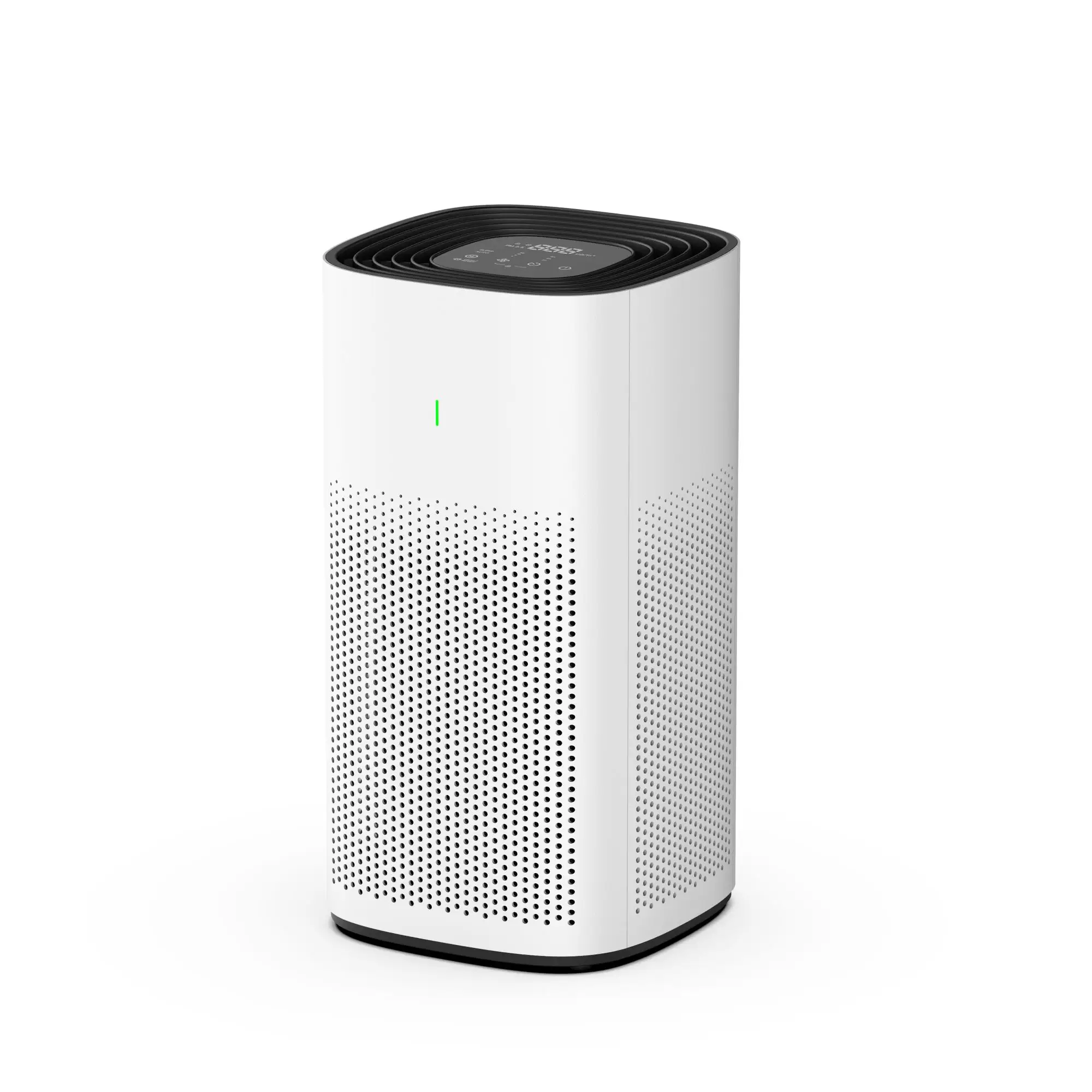
Advanced Multi-Stage Purification Technology
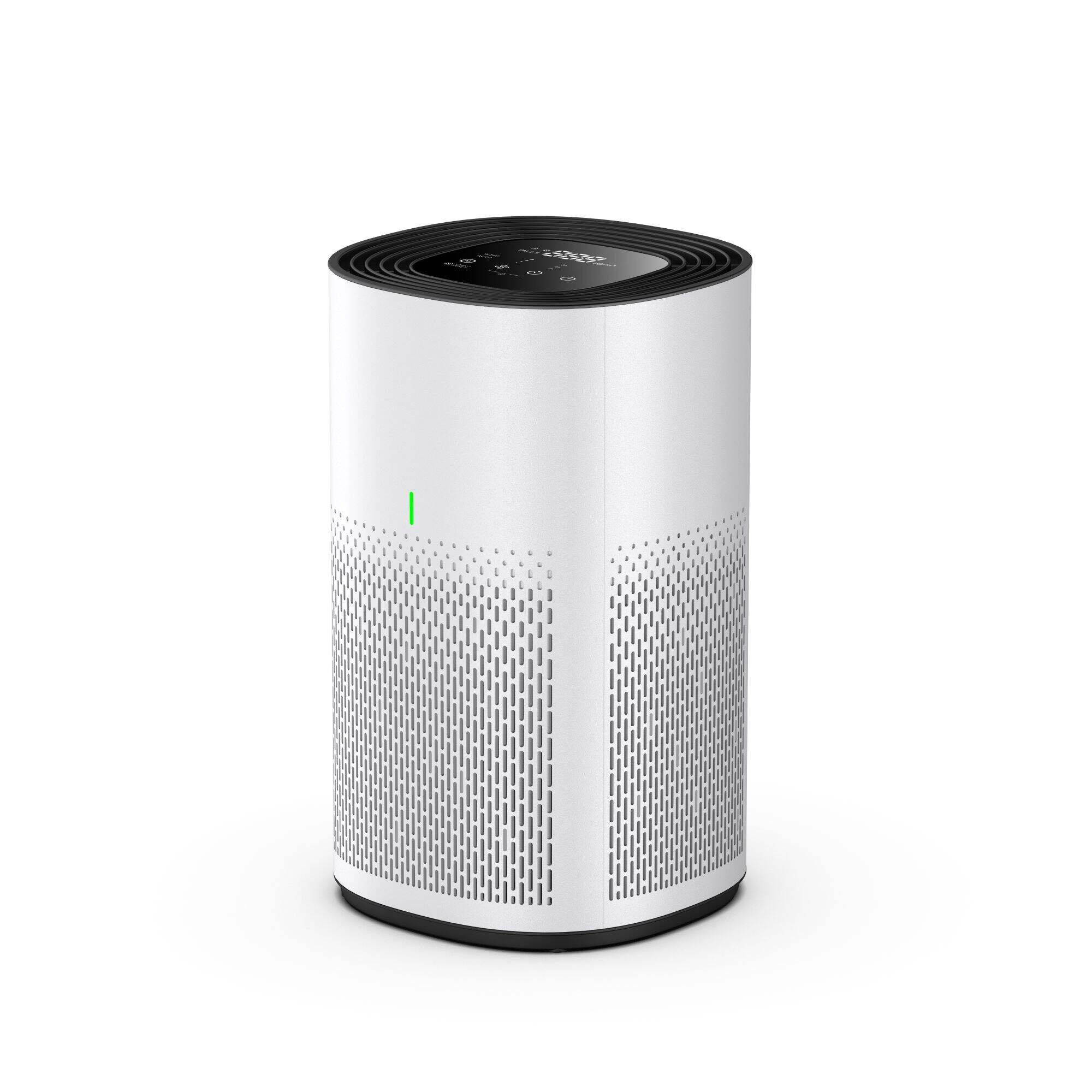
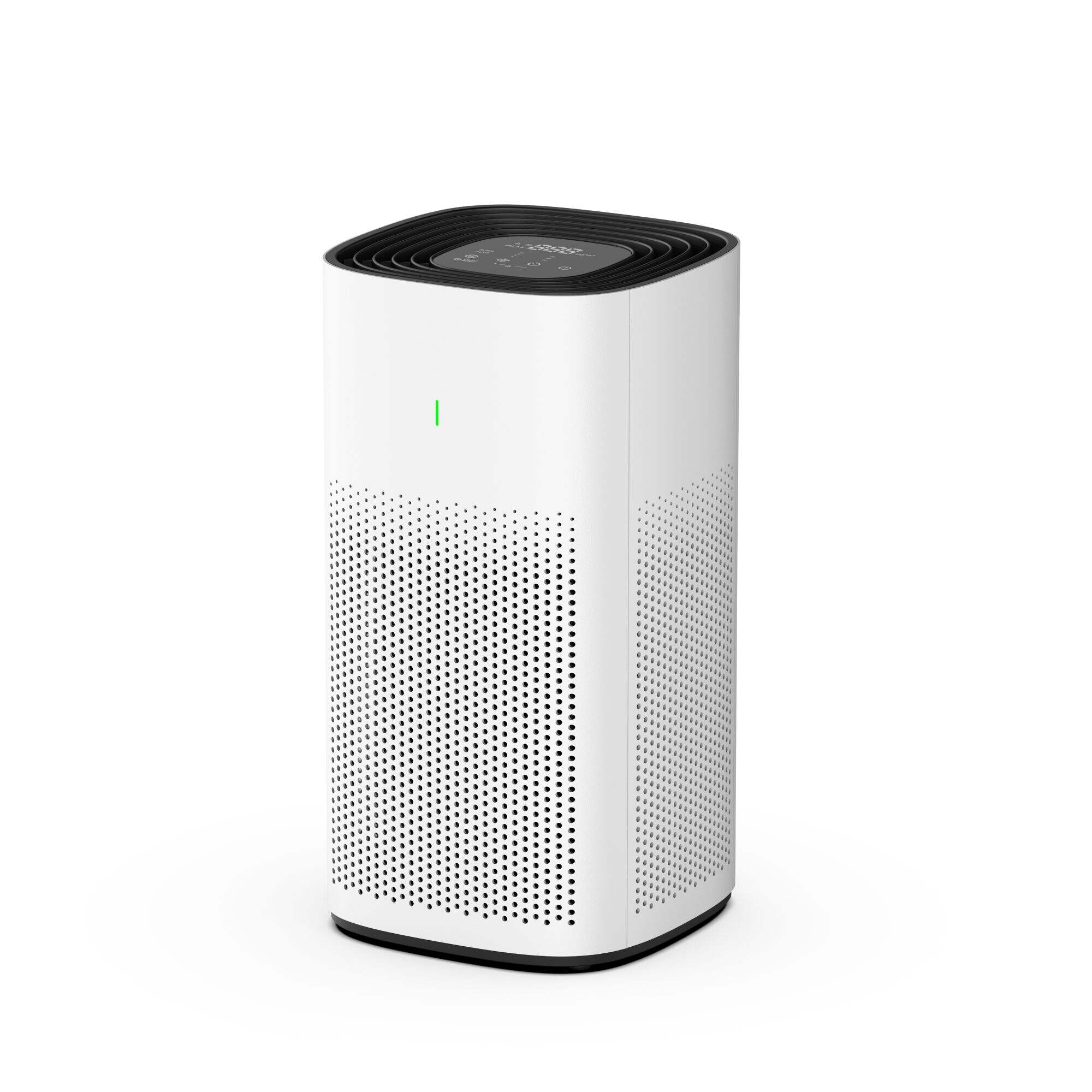
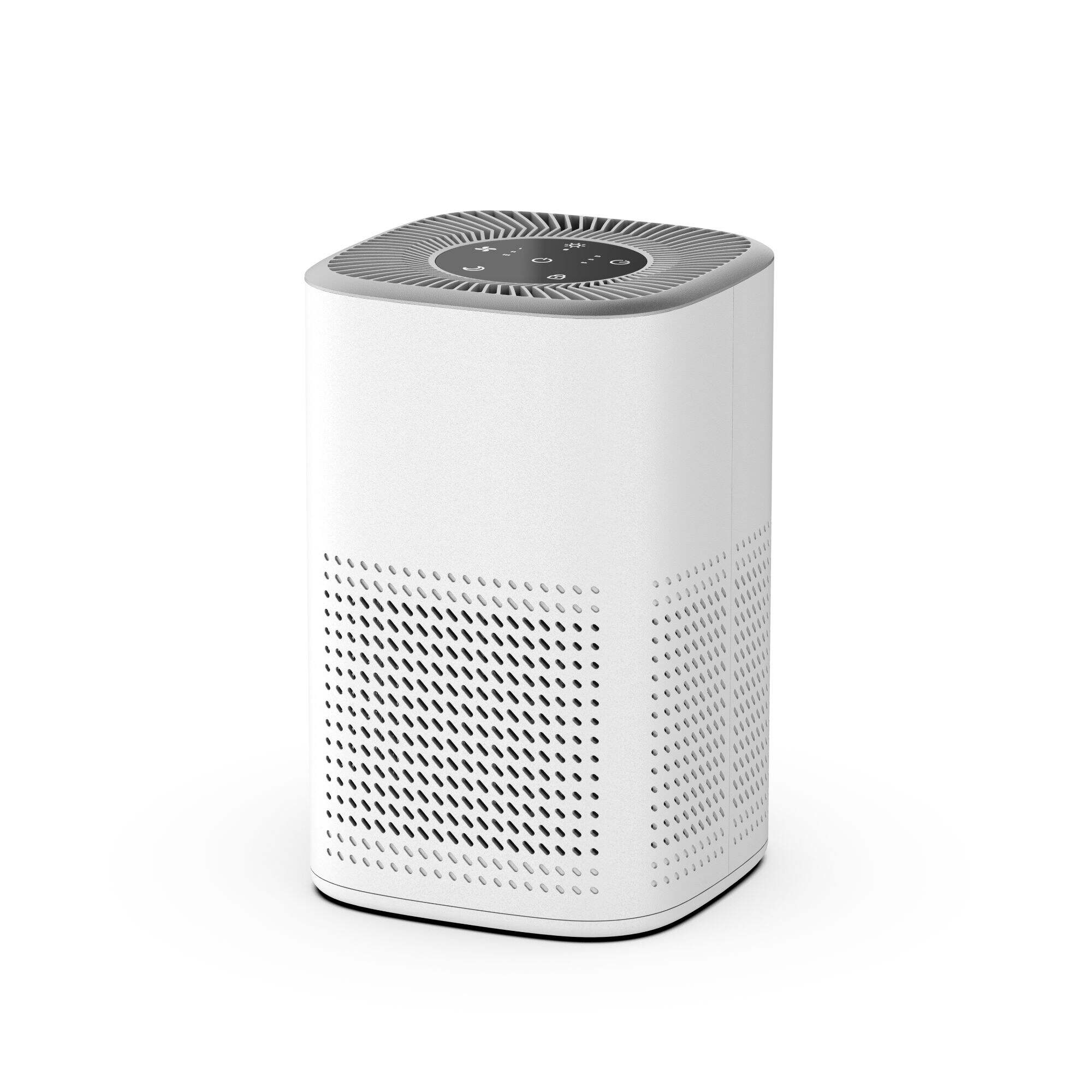
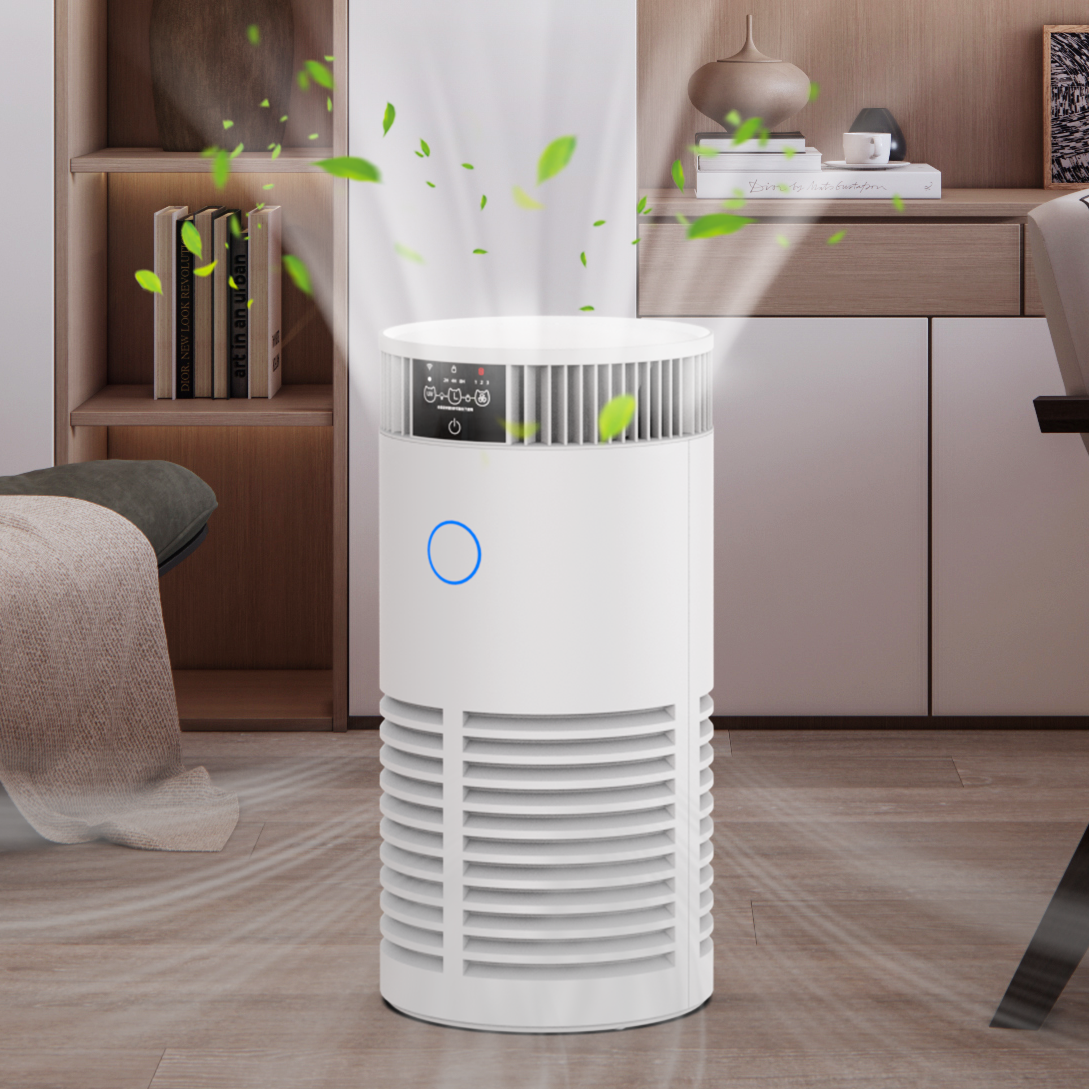
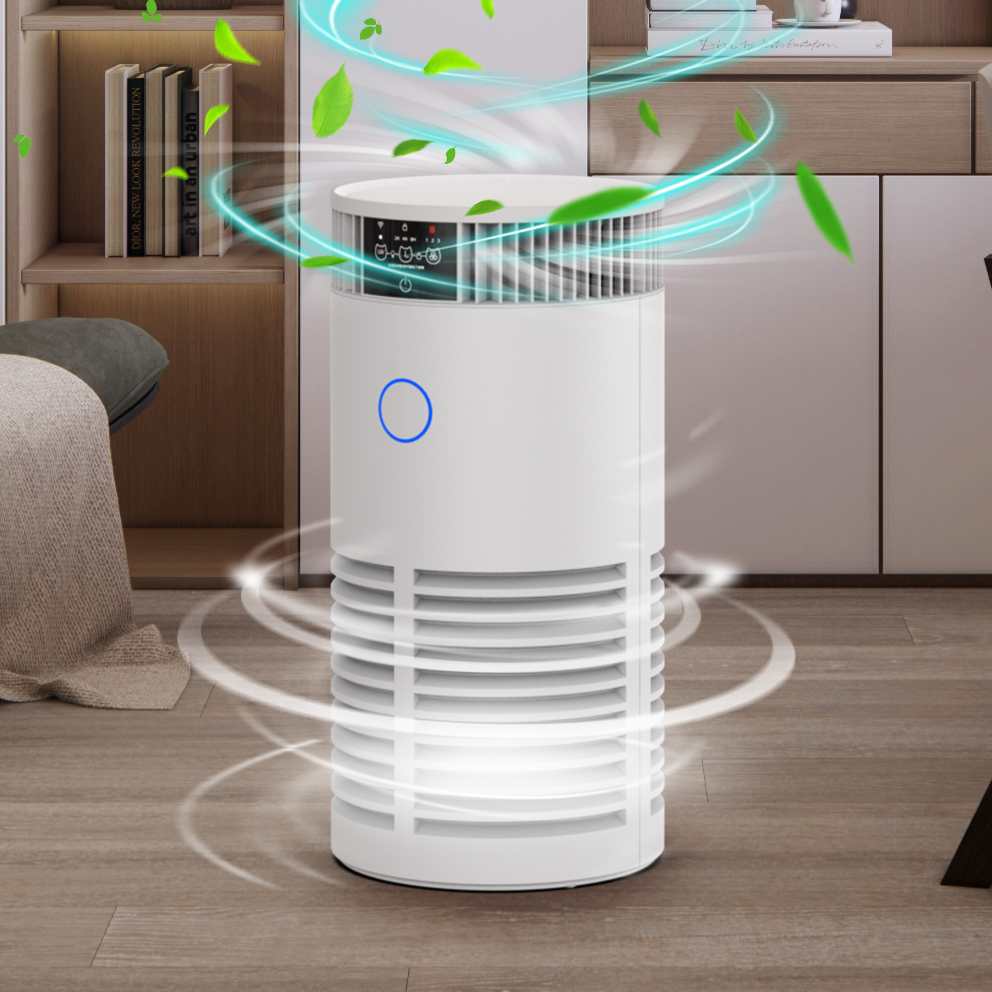
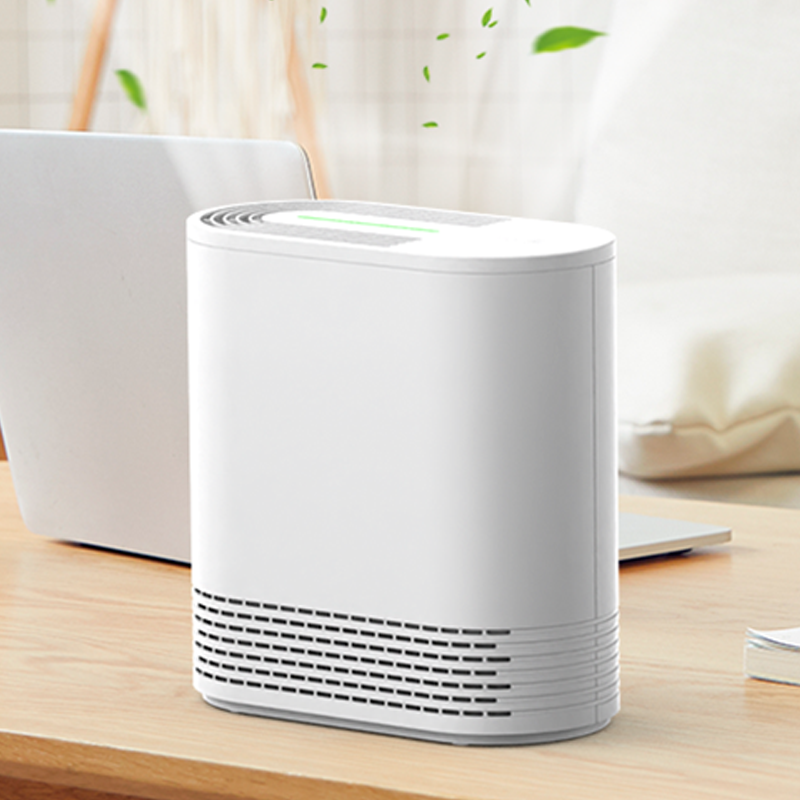
The room air sanitizer employs sophisticated multi-stage purification technology that sets it apart from conventional air treatment devices, delivering comprehensive protection against diverse airborne threats through a coordinated system of complementary purification methods. At the foundation lies true HEPA filtration, certified to capture 99.97 percent of particles as small as 0.3 microns, effectively trapping fine dust, pollen grains, mold spores, and even some bacteria that attempt to pass through. This mechanical filtration stage serves as the first line of defense, physically removing particulates before they can circulate further into your breathing space. Following this, activated carbon filtration targets gaseous pollutants, volatile organic compounds, and odor molecules that mechanical filters cannot address, using millions of microscopic pores to adsorb chemicals released from household products, building materials, and outdoor pollution that infiltrates indoor spaces. The third stage introduces UV-C germicidal irradiation, where powerful ultraviolet light at specific wavelengths disrupts the DNA and RNA of microorganisms, rendering viruses, bacteria, and mold spores unable to reproduce or cause infections. This photonic sterilization occurs as air passes through the chamber, ensuring pathogens receive lethal doses of UV exposure without any chemicals or consumables required. Advanced models incorporate photocatalytic oxidation, where UV light activates a titanium dioxide catalyst that generates hydroxyl radicals and superoxide ions, highly reactive molecules that break down organic pollutants, neutralize toxins, and destroy microorganisms at the molecular level with exceptional efficiency. The room air sanitizer further enhances purification through negative ion generation, releasing beneficial ions that attach to airborne particles, causing them to agglomerate into larger clusters that either fall from the air or become easier for filters to capture. This ionization process mimics the natural air purification that occurs near waterfalls and forests, creating the crisp, refreshing air quality associated with pristine outdoor environments. The synergistic effect of these combined technologies ensures no single type of pollutant escapes treatment, providing comprehensive sanitization that mechanical filtration alone cannot achieve. Intelligent sensors continuously monitor air quality parameters including particulate matter concentrations, volatile organic compound levels, and humidity, automatically adjusting purification intensity to match current conditions without manual intervention required.

 EN
EN
 AR
AR
 NL
NL
 FR
FR
 DE
DE
 EL
EL
 HI
HI
 IT
IT
 JA
JA
 KO
KO
 PL
PL
 PT
PT
 ES
ES
 ID
ID
 VI
VI
 TH
TH
 TR
TR
 MS
MS