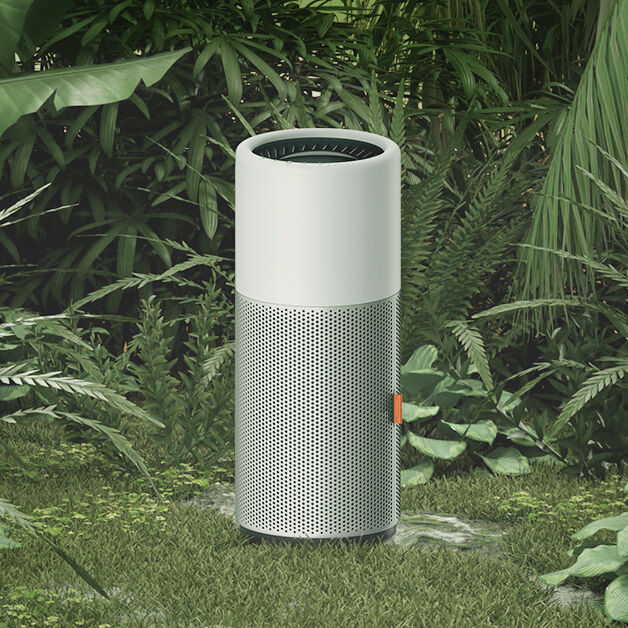
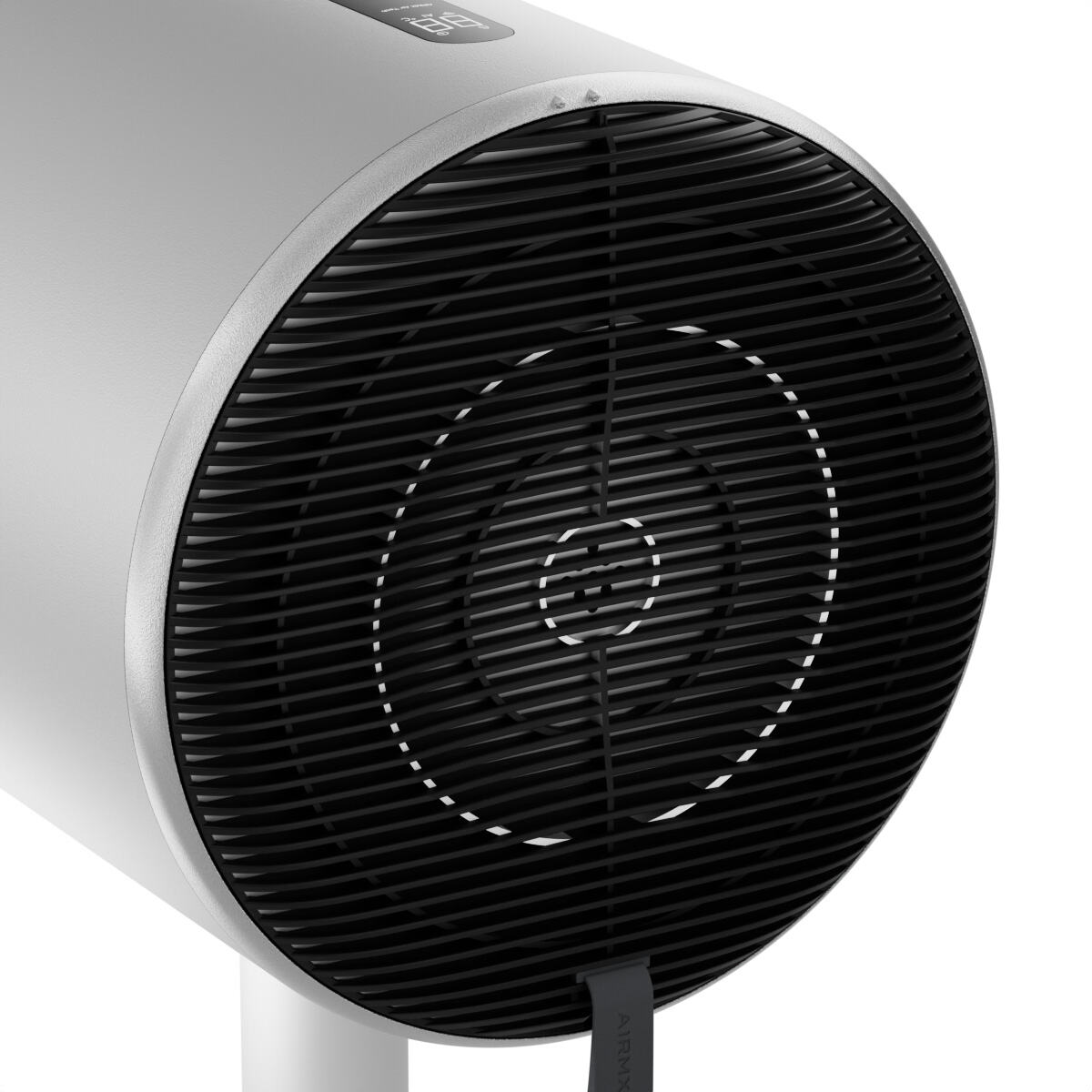
Superior Air Distribution Technology for Complete Room Coverage
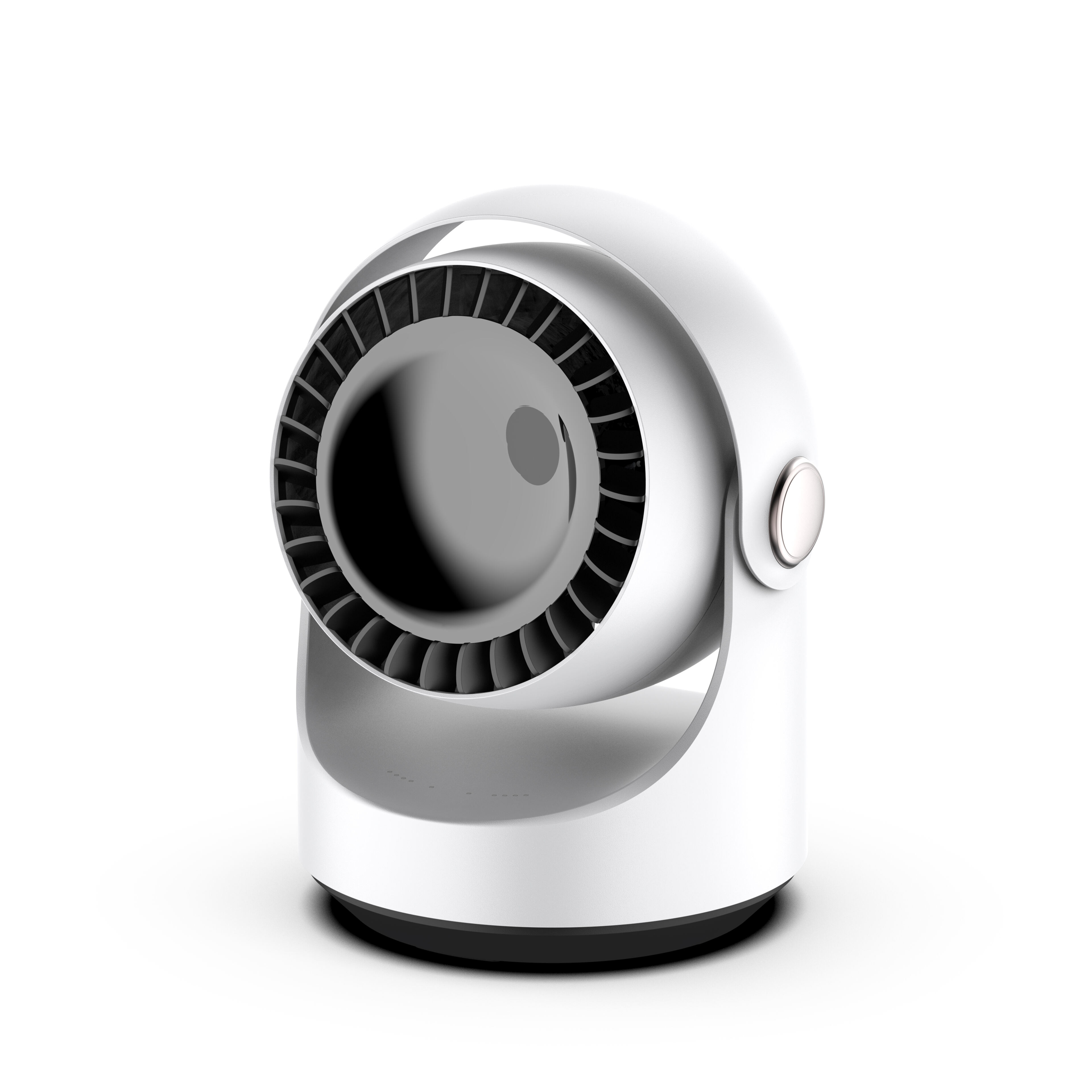
The advanced air distribution technology integrated into table air circulators represents a fundamental departure from traditional fan designs, offering users genuinely transformative climate control capabilities. This technology centers on creating a spiraling airflow pattern that extends far beyond the immediate vicinity of the device, reaching across entire rooms to establish comprehensive circulation. The engineering principles behind this achievement involve carefully calculated blade angles, precise motor speeds, and aerodynamically optimized housing designs that work in concert to produce a focused air stream with exceptional throw distance. When activated, a table air circulator generates a columnar air stream that maintains its coherence and velocity across remarkable distances, often reaching walls located twenty feet or more from the device. Upon contact with walls, this air stream disperses and redirects, creating a circulation loop that continuously moves air throughout the space. This circulation pattern proves far more effective than the localized breeze produced by conventional fans, which dissipates quickly and affects only small areas. The practical implications of superior air distribution extend to both comfort and efficiency. In rooms where temperature stratification creates uncomfortable hot zones near ceilings and cool zones near floors, a table air circulator equalizes these temperature differences by constantly mixing air layers. This mixing action ensures that conditioned air from heating or cooling systems reaches all areas of a room, rather than accumulating in specific zones while leaving others uncomfortable. The result is more consistent comfort throughout the entire space, eliminating the common problem of feeling too cold in one area while remaining too warm in another. Energy efficiency improvements represent another crucial benefit of superior air distribution. By helping heating and cooling systems distribute conditioned air more effectively, table air circulators reduce the runtime required from these energy-intensive appliances. Many households discover they can adjust thermostats by several degrees while maintaining equivalent comfort levels, translating directly to reduced energy consumption and lower utility costs. The table air circulator itself consumes only a fraction of the electricity required by climate control systems, making this efficiency gain particularly impressive. The technology also contributes to improved indoor air quality by preventing air stagnation. Stagnant air allows dust, allergens, and odors to settle and concentrate in specific areas, degrading the breathing environment. Continuous circulation keeps particulates suspended and moving toward filtration systems, while also preventing moisture accumulation that could lead to mold growth or musty odors. This constant air movement creates a fresher, cleaner atmosphere that benefits all occupants, particularly those with respiratory sensitivities or allergies.
 EN
EN
 AR
AR
 NL
NL
 FR
FR
 DE
DE
 EL
EL
 HI
HI
 IT
IT
 JA
JA
 KO
KO
 PL
PL
 PT
PT
 ES
ES
 ID
ID
 VI
VI
 TH
TH
 TR
TR
 MS
MS