
 EN
 AR
 NL
 FR
 DE
 EL
 HI
 IT
 JA
 KO
 PL
 PT
 ES
 ID
 VI
 TH
 TR
 MS
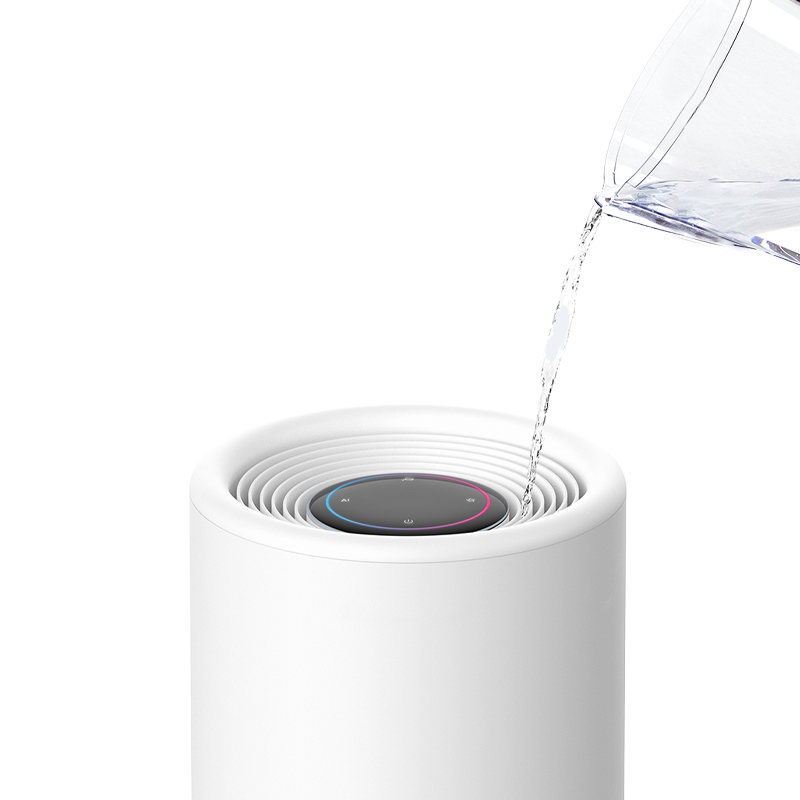
Dry indoor climates present a significant comfort challenge, particularly during winter months or in naturally arid regions. When indoor humidity levels drop below 30 percent, occupants often experience respiratory irritation, dry skin, and reduced overall comfort. A humidifier addresses these concerns by adding moisture back into the air, creating an environment that feels more pleasant and supports better health outcomes. Understanding whether a humidifier truly delivers on this promise requires examining the science behind moisture distribution and the real-world effectiveness of modern humidifier technology.

The effectiveness of a humidifier depends on several factors, including room size, humidifier capacity, maintenance practices, and ambient conditions. A properly selected and maintained humidifier can elevate indoor humidity to the optimal range of 40 to 60 percent, which research confirms improves comfort and reduces symptoms associated with dry air exposure. This article explores how a humidifier performs in real conditions, what benefits you can realistically expect, and how to maximize its effectiveness for your specific indoor environment.
How a Humidifier Works and Maintains Indoor Moisture Balance
The Mechanics of Moisture Distribution
A humidifier operates by releasing water vapor into the air, increasing relative humidity levels throughout a space. The humidifier draws water from its tank, vaporizes it through ultrasonic vibrations, warm mist generation, or evaporative wicking, and disperses the moisture as fine particles into the room. This process counteracts the drying effect caused by heating systems, outdoor climate conditions, and normal air circulation. The humidifier's effectiveness depends on its ability to produce sufficient vapor and distribute it evenly across the entire room.
Matching Humidifier Capacity to Room Size
The humidifier must be sized appropriately for the room in which it operates. A humidifier designed for a 200-square-foot bedroom will not adequately humidify a 500-square-foot living space, leading to inconsistent moisture levels and reduced perceived effectiveness. Large-capacity humidifier models with extended run times perform better in substantial rooms and open-concept layouts. Understanding the humidifier's coverage rating ensures you select a unit capable of maintaining optimal humidity levels consistently.
Measurable Comfort Benefits from Using a Humidifier
Respiratory and Skin Health Improvements
Users of a humidifier frequently report reduced throat irritation, less frequent coughing, and improved sleep quality during dry seasons. When a humidifier raises indoor humidity to the 40 to 60 percent range, mucous membranes remain moist and resilient, reducing infection risk and supporting natural respiratory function. Skin dryness, itching, and flaking diminish noticeably when a humidifier operates consistently. These benefits extend to individuals with asthma, allergies, or other respiratory sensitivities, where moisturized air passages support easier breathing and reduced symptom severity.
Enhanced Indoor Air Quality and Allergen Control
A humidifier indirectly supports better indoor air quality by maintaining humidity levels that discourage dust mite proliferation and promote settling of airborne particles. When humidity drops below 30 percent, dust and allergens remain suspended in air longer, while the humidifier's moisture addition encourages particles to settle naturally to surfaces where they can be cleaned away. Additionally, a humidifier helps prevent static electricity buildup, protecting electronics and reducing the uncomfortable shocks that plague occupants in very dry environments.
Realistic Expectations and Optimal Humidifier Performance Conditions
Environmental Factors That Affect Humidifier Effectiveness
The humidifier's real-world effectiveness depends on external conditions beyond its control. Outdoor air infiltration, ventilation system operation, and the building's natural permeability all influence how quickly a humidifier can raise and maintain moisture levels. In well-sealed modern homes, a humidifier works more efficiently because added moisture stays within the controlled space. Older, drafty buildings challenge a humidifier's ability to maintain consistent humidity because outdoor dry air constantly replaces the humidified indoor air. The humidifier performs optimally in spaces with controlled air exchange rates and proper sealing of gaps and cracks.
Maintenance Requirements to Sustain Humidifier Effectiveness
A humidifier requires regular maintenance to deliver consistent effectiveness and prevent microbial growth or mineral accumulation. Weekly tank cleaning, filter replacement according to manufacturer guidelines, and descaling with distilled water preserve the humidifier's vapor output and ensure clean mist dispersal. Neglecting humidifier maintenance allows mineral deposits to clog distribution vents, reducing the humidifier's actual output and creating visible performance decline. Proper humidifier care ensures the device continues delivering the moisture boost that maintains comfort levels throughout the heating season.
FAQ
Can a humidifier eliminate all symptoms of dry indoor air?
A humidifier significantly reduces dry air symptoms by restoring moisture levels to comfortable ranges, but individual responses vary based on overall health, humidity sensitivity, and concurrent environmental factors. Some occupants experience dramatic symptom relief within days of running a humidifier, while others notice gradual improvement over weeks. The humidifier works most effectively when used consistently and maintained properly, with realistic expectations that it addresses moisture-related discomfort rather than curing underlying health conditions.
What room size can a humidifier effectively cover?
The humidifier's coverage depends on its specific tank capacity and vapor output rating. Most humidifier models specify coverage areas ranging from 200 to 1000 square feet, with larger models supporting open-concept spaces and multiple connected rooms. A humidifier typically covers its rated square footage when doors remain open and air circulation is normal. For rooms larger than the humidifier's specification, consider a higher-capacity model or running the humidifier in strategic locations where moisture dispersal reaches the entire space most effectively.
How often should a humidifier run to maintain comfort in dry climates?
The humidifier should run continuously during dry seasons or whenever indoor humidity falls below 35 percent, though some users prefer operating it only during nighttime hours to maintain comfort while sleeping. A humidifier with automatic humidity sensors adjusts operation based on real-time moisture readings, providing efficiency and convenience. Most occupants find that running a humidifier at night combined with daytime operation during particularly dry days maintains the 40 to 60 percent humidity range that supports optimal comfort and health outcomes.