
 EN
 AR
 NL
 FR
 DE
 EL
 HI
 IT
 JA
 KO
 PL
 PT
 ES
 ID
 VI
 TH
 TR
 MS
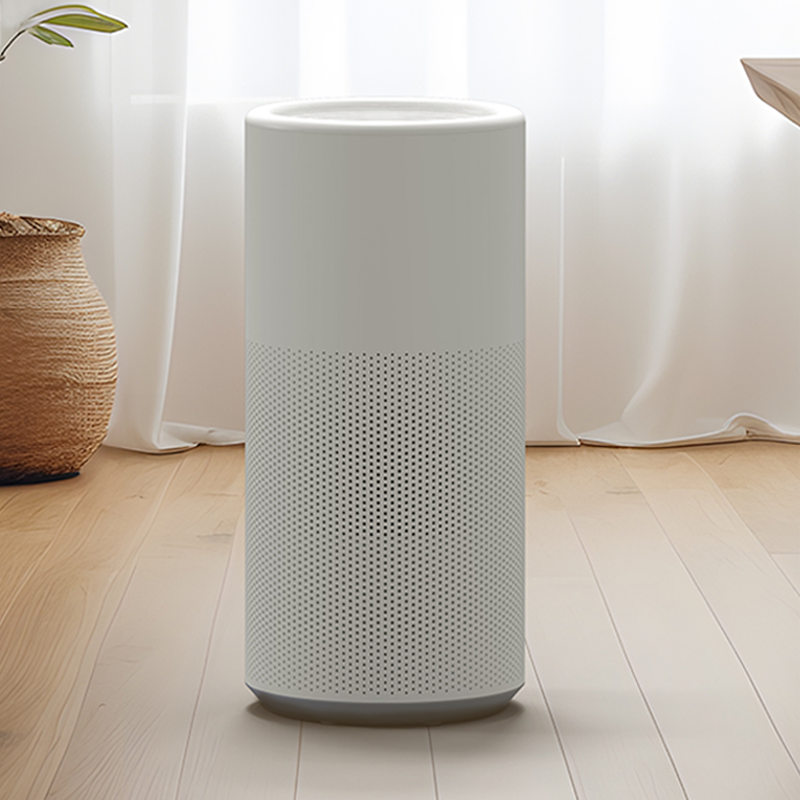
A humidifier can absolutely be suitable for large room moisture management, but success depends on selecting the right capacity, understanding coverage limitations, and matching the device to your specific environmental needs. Many property owners and facility managers struggle with maintaining optimal humidity levels across expansive spaces, yet the right humidifier solution can dramatically improve air quality, comfort, and health outcomes. This comprehensive guide examines whether a humidifier fits your large room requirements and what factors determine its effectiveness in your unique setting.

The decision to invest in a humidifier for large room environments requires understanding how room size, air circulation, existing humidity levels, and climate conditions interact to determine whether a single humidifier will meet your moisture management objectives. Unlike small bedroom applications, large rooms present distinct challenges that demand careful product evaluation and sometimes hybrid approaches combining multiple humidifier units or integrated ventilation strategies.
Understanding Humidifier Capacity and Room Coverage
How Humidifier Output Matches Room Volume
Every humidifier operates within defined capacity parameters measured in square footage or cubic volume, and this specification directly determines whether the unit can adequately serve your large room. A humidifier designed for 300 square feet will struggle meaningfully in a 1,000-square-foot space because its maximum moisture output cannot overcome the air exchange rate and evaporation dynamics in larger environments. The humidifier tank capacity, water evaporation rate, and runtime duration together establish how much moisture the device can introduce per hour, and this output must exceed the rate at which your large room naturally loses humidity through air leakage, ventilation, and surface absorption.
Selecting the Right Humidifier Size for Large Spaces
When evaluating whether a humidifier suits your large room, consult the manufacturer's coverage specifications and compare them directly to your room dimensions, ceiling height, and insulation quality. A commercial-grade or industrial humidifier designed for 500 to 1,000 square feet represents a more realistic choice for genuinely large rooms than consumer models rated for typical bedrooms. Your humidifier selection should include at least 20 to 30 percent additional capacity beyond your actual room size to account for natural humidity loss, seasonal climate variations, and the time required for moisture to distribute throughout the space uniformly.
Environmental Factors Affecting Humidifier Performance in Large Rooms
Air Circulation and Moisture Distribution
A humidifier's effectiveness in large room settings depends critically on air movement patterns, as stagnant zones will experience inadequate moisture levels even when a humidifier operates continuously. Dead zones near corners, behind furniture, or in enclosed alcoves often remain drier than the area immediately surrounding your humidifier unit, and this uneven distribution becomes more pronounced in spacious environments where airflow cannot penetrate every region equally. To optimize humidifier performance in a large room, position the unit centrally, use ceiling fans on low speed to enhance air circulation, and maintain clear pathways for vapor dispersion away from walls and obstacles that might trap moisture or impede distribution.
Climate, Season, and External Humidity Conditions
Your humidifier's success in a large room varies dramatically with outdoor humidity levels, seasonal changes, and your climate zone, as these factors determine the baseline humidity gradient your humidifier must overcome. In desert climates or during cold winters when outdoor air contains minimal moisture, even a high-capacity humidifier will work harder and consume more water to raise indoor humidity meaningfully because the air entering through ventilation and infiltration carries very low moisture content. Conversely, a humidifier may require less operating time during humid seasons or in tropical climates, and you might need to balance humidifier use with dehumidification strategies during peak moisture seasons to prevent excessive indoor humidity that encourages mold growth.
Practical Applications and Selection Criteria
Evaluating Large Room Moisture Management Challenges
Before committing to a humidifier for your large room, honestly assess whether low humidity represents your primary air quality concern and whether the space has adequate air sealing to retain added moisture. A humidifier works best when your large room maintains reasonable insulation and minimal air leakage, as drafty, poorly sealed spaces render even premium humidifiers ineffective because moisture escapes continuously. Consider whether your large room houses sensitive equipment, materials, or occupants requiring specific humidity ranges between 40 and 60 percent, as these applications demand reliable humidifier performance and may justify investment in higher-capacity or dual-unit configurations.
Combining Humidifier Strategy with Other Moisture Management Approaches
Large room moisture management often succeeds best when a humidifier operates as part of a broader strategy that includes proper ventilation balance, moisture source control, and complementary equipment rather than relying solely on a single humidifier device. Integrating a humidifier with energy recovery ventilation systems, dehumidification capabilities during humid seasons, and strategic room zoning ensures that your large room maintains optimal moisture levels consistently. Some facilities benefit from deploying a humidifier in primary work or living zones within the large room while accepting slightly lower humidity in adjacent or less-critical areas, effectively maximizing humidifier efficiency through prioritized moisture distribution.
FAQ
What size humidifier do I need for a 1,000-square-foot large room?
A humidifier rated for 1,000 to 1,200 square feet or higher capacity represents an appropriate starting point for a 1,000-square-foot large room, though the ideal humidifier size depends on ceiling height, insulation quality, air sealing, and your target humidity level. Most commercial-grade humidifiers in the 10 to 15-gallon tank range with hourly output rates of 2 to 4 gallons provide adequate moisture for this room size, and you should verify the humidifier manufacturer's specific coverage claims before purchasing to ensure adequate performance.
Can a single humidifier handle moisture management in a large open space?
A single quality humidifier can successfully manage moisture in many large open spaces if the unit capacity matches your room volume and air circulation supports even moisture distribution, but extremely large spaces exceeding 1,500 square feet sometimes benefit from two strategically positioned humidifier units or a centralized whole-building humidifier system. Your humidifier's performance depends on whether your large room layout, ceiling height, and air handling system can effectively deliver moisture throughout the entire space without significant dry zones.
How do I know if my large room humidity level is adequate?
Use an inexpensive hygrometer to measure relative humidity levels in your large room at multiple locations to verify whether your humidifier maintains your target range, typically between 40 and 60 percent for general comfort and health. Monitor humidity readings during different seasons and times of day to understand your humidifier's effectiveness and whether adjustments to unit placement, operation schedule, or capacity are necessary to achieve consistent moisture management across your large room.