
 EN
 AR
 NL
 FR
 DE
 EL
 HI
 IT
 JA
 KO
 PL
 PT
 ES
 ID
 VI
 TH
 TR
 MS
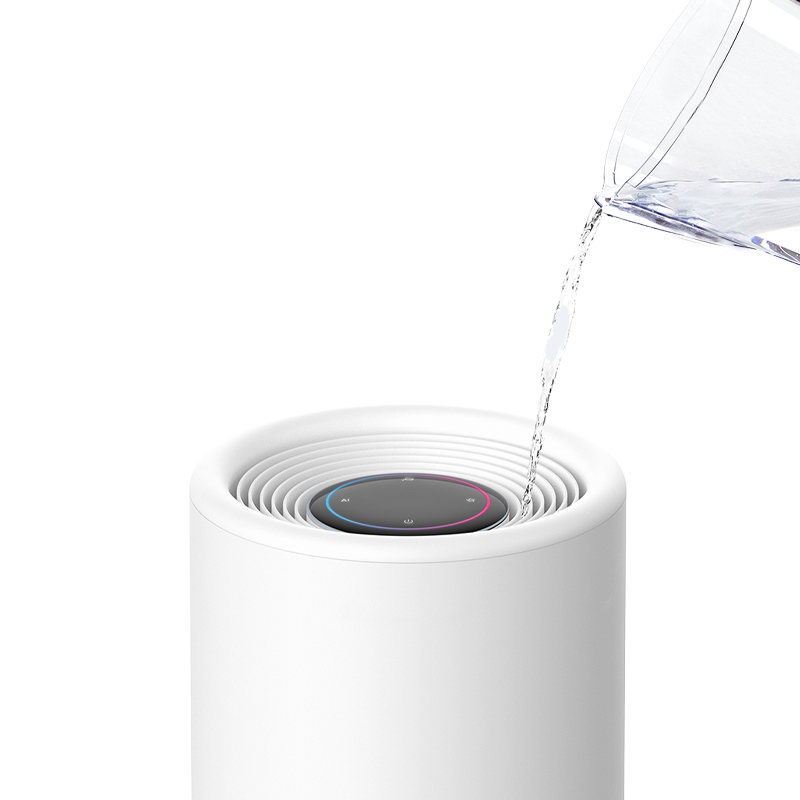
A humidifier is an essential appliance for maintaining optimal indoor air quality, especially during dry seasons or in arid climates. Understanding the factors that influence humidifier performance and maintenance is critical for maximizing its effectiveness and ensuring it operates reliably for years to come. Whether you're using a humidifier in your home, office, or industrial setting, knowing what affects its function can save you time, money, and frustration.

The performance of any humidifier depends on multiple interconnected variables, from water quality to environmental conditions and device design. Similarly, maintenance requirements vary based on usage patterns, water hardness, and the type of humidifier you own. By recognizing these factors early, you can implement preventive care strategies that extend your humidifier's lifespan and maintain consistent humidity levels throughout your space.
Water Quality and Mineral Buildup
Impact of Hard Water on Humidifier Performance
Water quality is one of the most significant factors affecting humidifier performance. Hard water contains high concentrations of minerals like calcium and magnesium, which accumulate inside your humidifier over time. These mineral deposits form a white chalky residue called limescale, which reduces the humidifier's output efficiency and can eventually clog the misting mechanism. A humidifier operating with heavy mineral buildup may produce less moisture and work harder to maintain target humidity levels, consuming more energy in the process.
Using distilled or demineralized water in your humidifier significantly reduces mineral accumulation and extends the device's operational life. Tap water contains dissolved minerals that vary by geographic location; areas with harder water experience faster deposits inside the humidifier's tank and internal components. Regular cleaning becomes essential when using tap water, whereas a humidifier filled with distilled water requires less frequent maintenance and delivers more consistent performance.
Maintenance Requirements Based on Water Type
The type of water you use directly determines your humidifier's maintenance schedule. If you use tap water in your humidifier, you should empty and clean it every three to seven days, depending on water hardness in your region. A humidifier maintained this way continues to operate at peak efficiency, delivering adequate moisture to your indoor environment. Conversely, using distilled water in a humidifier can extend cleaning intervals to two weeks or longer, reducing the overall maintenance burden.
Your humidifier's reservoir, misting mechanism, and wick filters all benefit from proper water selection. A humidifier that consistently operates with mineral-free water maintains cleaner internal pathways, ensuring vapor is distributed evenly throughout the room. Investing in distilled water for your humidifier is a cost-effective preventive measure that protects your investment and guarantees reliable humidity control.
Environmental Factors and Operating Conditions
Room Size and Humidity Saturation
The size of the space where your humidifier operates significantly affects its performance and efficiency. A humidifier designed for a small bedroom may struggle to maintain adequate humidity in a large living room or open-plan office. Conversely, oversizing a humidifier can lead to excessive moisture, creating conditions for mold growth and dust mites. Matching your humidifier capacity to room size ensures the device operates within its optimal range without overworking or underperforming.
Humidity levels also influence how your humidifier functions. If a room already has moderate moisture, your humidifier requires less runtime to reach the target humidity level, operating more efficiently and using less energy. In very dry environments, the humidifier must work continuously to raise humidity, which accelerates wear on internal components and increases maintenance needs. Understanding your local climate and the specific humidity challenges in your space helps you select a humidifier appropriately sized and powered for your needs.
Temperature Effects on Humidifier Operation
Temperature plays a crucial role in humidifier performance because warm air holds more moisture than cold air. A humidifier operating in a heated room during winter may require constant adjustment to maintain desired humidity, while the same humidifier in a cooler space operates less frequently. Temperature fluctuations throughout the day also affect your humidifier's output; morning cold snaps may reduce the effectiveness of vapor dispersion, while afternoon warming increases ambient moisture capacity.
Seasonal variations directly impact humidifier maintenance schedules. During winter months when heating systems run continuously, your humidifier may operate intensively, accelerating mineral deposit formation and wick filter saturation. Planning maintenance cycles around seasonal changes ensures your humidifier remains in top condition year-round and prevents performance degradation during critical periods when indoor air tends to be driest.
Device Design and Component Quality
Filter and Wick Longevity
The quality of internal components determines how long your humidifier maintains reliable performance before requiring replacement parts. Wick filters and absorbent materials gradually saturate with mineral deposits and organic growth, reducing their ability to absorb and distribute moisture. A humidifier with high-quality, durable filter materials continues functioning effectively through multiple cleaning cycles, while lower-quality components may fail prematurely, compromising your humidifier's output. Checking and replacing filters according to manufacturer recommendations is essential for sustained humidifier performance.
The design of your humidifier's water delivery system affects both performance and maintenance complexity. Ultrasonic humidifiers use vibrating membranes to create fine mist, requiring careful attention to mineral buildup on the piezoelectric element. Evaporative humidifiers rely on wick filters that must be kept clean and properly saturated for optimal function. Understanding your specific humidifier type allows you to tailor maintenance practices and address potential issues before they impact performance or air quality.
Sensor Accuracy and Automation Features
Modern humidifiers often include built-in humidity sensors and automatic shutoff features that adjust operation based on ambient moisture levels. A humidifier equipped with accurate sensors maintains precise humidity control, operating only when necessary and reducing unnecessary energy consumption. Poorly calibrated or faulty sensors may cause your humidifier to run excessively or fail to engage when humidity drops below target levels. Regular calibration checks and sensor maintenance ensure your humidifier responds appropriately to changing indoor conditions.
Automation features in contemporary humidifiers offer convenience and efficiency benefits that extend component lifespan and improve overall performance. A humidifier with smart humidity monitoring adjusts output automatically, preventing over-humidification that damages walls, furniture, and indoor materials. These advanced features require proper setup and occasional recalibration, but they significantly reduce the maintenance burden and ensure consistent, reliable humidifier operation throughout your home or workspace.
Usage Patterns and Maintenance Discipline
Daily Operation Impact on Component Wear
How frequently and intensively you operate your humidifier directly affects its maintenance requirements and component longevity. A humidifier running continuously throughout the day experiences accelerated wear on mechanical parts, increased mineral accumulation, and faster wick saturation compared to a device used intermittently. Establishing consistent usage patterns allows you to predict maintenance intervals and schedule cleaning before performance degrades. Understanding your humidifier's duty cycle helps you plan replacements and repairs proactively rather than facing unexpected failures.
Different seasons and weather patterns create varying demands on your humidifier. Winter operation requires more intensive use and frequent maintenance, while spring and fall use remains moderate. Planning your humidifier maintenance schedule around seasonal changes ensures you address accumulation during high-use periods and extend component life through regular preventive care. Documenting your humidifier's operating hours and cleaning history helps identify wear patterns and anticipate future maintenance needs.
Preventive Care and Cleaning Protocols
Implementing a consistent cleaning protocol is the most effective way to maintain humidifier performance and reliability. Weekly emptying and wiping of the water tank prevents algae growth and bacterial contamination that compromise air quality and humidifier function. Monthly deep cleaning of internal components, misting mechanisms, and filter elements removes mineral deposits and organic buildup that restrict moisture output. A well-maintained humidifier operates quietly, produces consistent mist, and delivers reliable humidity control throughout your indoor environment.
Proper storage during off-season periods also protects your humidifier from degradation. Before storing your humidifier for extended periods, drain all water, dry internal components thoroughly, and clean all removable parts. Storing your humidifier in a cool, dry location prevents mold growth and mineral crystallization that damage seals and mechanical components. When you reactivate your humidifier the following season, it starts with all components clean and functioning optimally, requiring minimal initial maintenance to reach full performance capacity.
FAQ
How often should I clean my humidifier to maintain performance?
The cleaning frequency for your humidifier depends on water type and local water hardness. If using tap water, clean your humidifier every three to seven days to prevent mineral buildup and maintain consistent output. With distilled water, cleaning intervals can extend to two weeks or longer. Inspect your humidifier weekly regardless of cleaning schedule to catch early signs of mineral accumulation or mold growth that indicate more frequent cleaning is necessary.
Can a humidifier fail due to mineral deposits?
Yes, mineral deposits can severely damage or completely disable your humidifier if left unchecked. Limescale accumulation clogs the misting mechanism, blocks water flow, and restricts vapor output until your humidifier fails to function. Using distilled water and maintaining a regular cleaning schedule prevents this damage and extends your humidifier's operational lifespan significantly. If your humidifier has already stopped working due to mineral buildup, extensive cleaning or component replacement may be necessary to restore function.
What is the ideal humidity level my humidifier should maintain?
The ideal indoor humidity level ranges between 30 and 50 percent for comfort and health. Your humidifier should maintain humidity within this range to prevent dry skin, respiratory issues, and static electricity while avoiding excessive moisture that promotes mold growth. Most humidifiers include adjustable settings that allow you to select your target humidity, and many modern models feature automatic sensors that maintain levels precisely without manual adjustment throughout the day.