
 EN
EN
 AR
AR
 NL
NL
 FR
FR
 DE
DE
 EL
EL
 HI
HI
 IT
IT
 JA
JA
 KO
KO
 PL
PL
 PT
PT
 ES
ES
 ID
ID
 VI
VI
 TH
TH
 TR
TR
 MS
MS
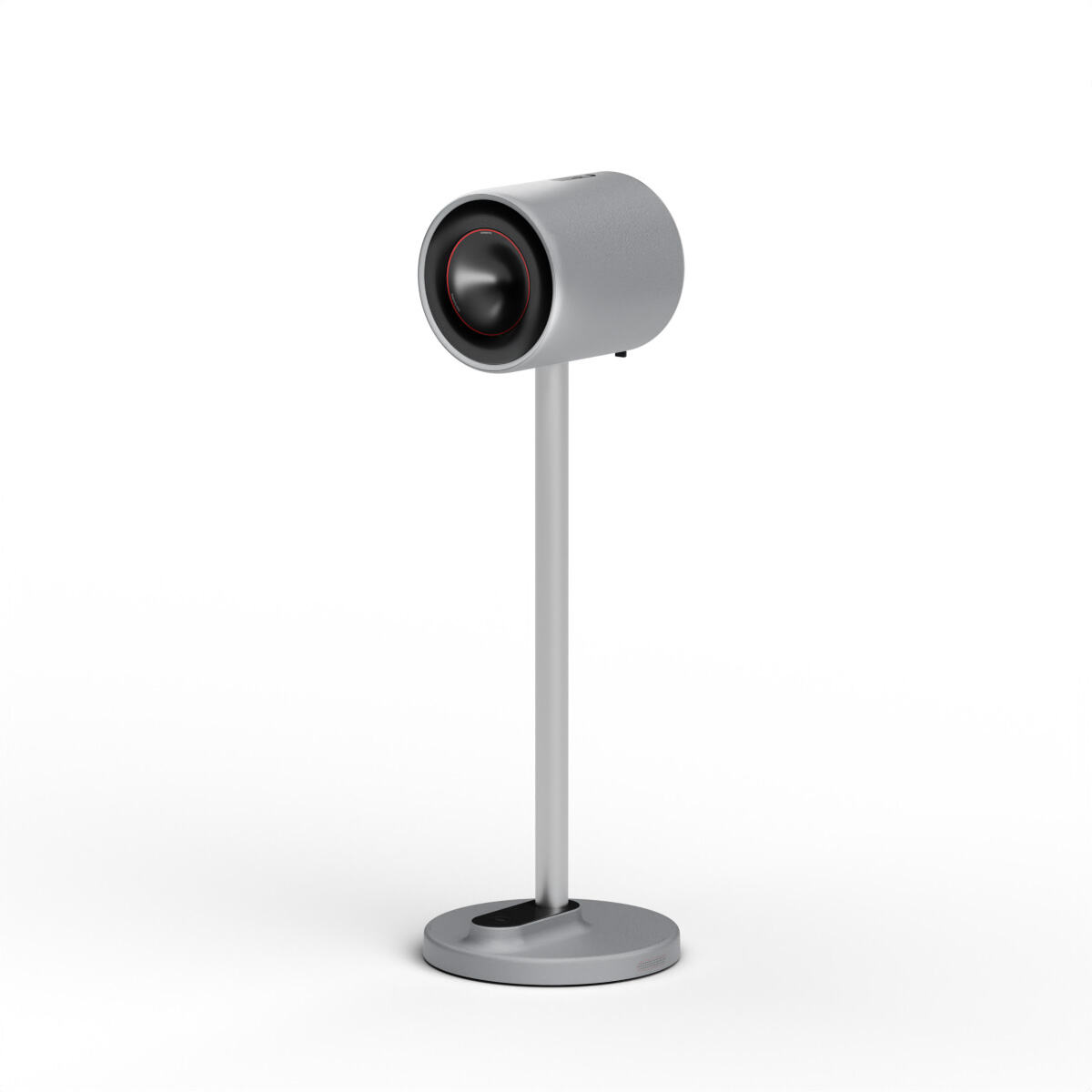
When we talk about air quality and thermal comfort, the question of how a fan improve ventilation often comes up in both residential and commercial contexts. Fans are among the most widely used mechanical devices in the world, yet their role in actively improving ventilation is frequently misunderstood. Many people assume fans simply move air around, but the reality is far more nuanced. A well-selected and properly positioned fan can fundamentally change how air circulates, how pollutants are diluted, and how temperature gradients are managed across a space.
Understanding the mechanisms by which a fan improve ventilation helps building managers, homeowners, and engineers make better decisions about air system design. Whether the goal is to reduce indoor air pollutants, manage moisture in a warehouse, or cool workers in an outdoor industrial yard, the choice and placement of fans plays a central role. This article explores the science behind fan-driven ventilation, the differences between indoor and outdoor applications, and the conditions under which fans work best as part of a broader air management strategy.
The Science Behind How Fans Drive Air Movement
Pressure Differentials and Airflow Generation
At the heart of every ventilation system is the concept of pressure difference. A fan improve ventilation by creating a pressure differential between two zones, forcing air to move from high-pressure areas to low-pressure areas. This movement displaces stale, humid, or contaminated air and replaces it with fresher air drawn from the outside or from a cleaner zone within the same building. Without a mechanical driver like a fan, this exchange relies entirely on natural forces such as wind and thermal buoyancy, which are often insufficient in modern tightly sealed buildings.
Axial fans, centrifugal fans, and mixed-flow fans each generate pressure differentials in different ways and at different efficiencies. Axial fans are most commonly used for through-wall or through-roof installations where the primary goal is to push or pull large volumes of air with relatively low resistance. Centrifugal fans are better suited for duct systems where the air must travel longer distances or overcome greater static pressure. Understanding this distinction is essential when designing a system intended to genuinely fan improve ventilation rather than simply circulate air within a closed loop.
The direction in which air flows also matters significantly. Exhaust fans remove air from a space, creating negative pressure that draws in fresh air through passive inlets. Supply fans do the opposite, pushing outside air in and pressurizing the space to push stale air out. A bidirectional system combines both functions, offering the most balanced approach to ventilation control in sensitive environments like laboratories, hospitals, or energy-efficient homes.
Heat Transfer and Evaporative Cooling Effects
Beyond pressure and airflow, a fan improve ventilation by accelerating the rate of heat transfer between surfaces and the surrounding air. When air moves faster over a warm surface, whether it is a person's skin, a machine, or a floor, the convective heat transfer coefficient increases significantly. This is why a room with moving air feels cooler than a room with stagnant air at the same temperature. In industrial settings, this effect is harnessed to cool equipment, reduce heat stress among workers, and manage thermal loads without necessarily lowering ambient temperature.
In outdoor applications, fans can also enhance evaporative cooling when combined with moisture sources. Open-air markets, sports stadiums, and outdoor restaurants frequently use large directional fans to extend the usable time in hot environments. The fan improves ventilation by moving heat-laden air away from the occupied zone and drawing in air that has a lower temperature or humidity load. This creates a passive cooling effect that does not require refrigeration, making it highly energy-efficient.
Indoor Applications Where Fans Transform Air Quality
Residential Spaces and Daily Air Renewal
In homes, the primary concern is the renewal of indoor air to remove carbon dioxide, volatile organic compounds, moisture, and cooking byproducts. A fan improve ventilation in residential settings by ensuring that the natural air change rate, which is often below one air change per hour in modern insulated homes, is supplemented with mechanically driven airflow. Kitchen exhaust fans, bathroom extract fans, and whole-house ventilation units all rely on fan technology to actively exchange indoor air with outdoor air.
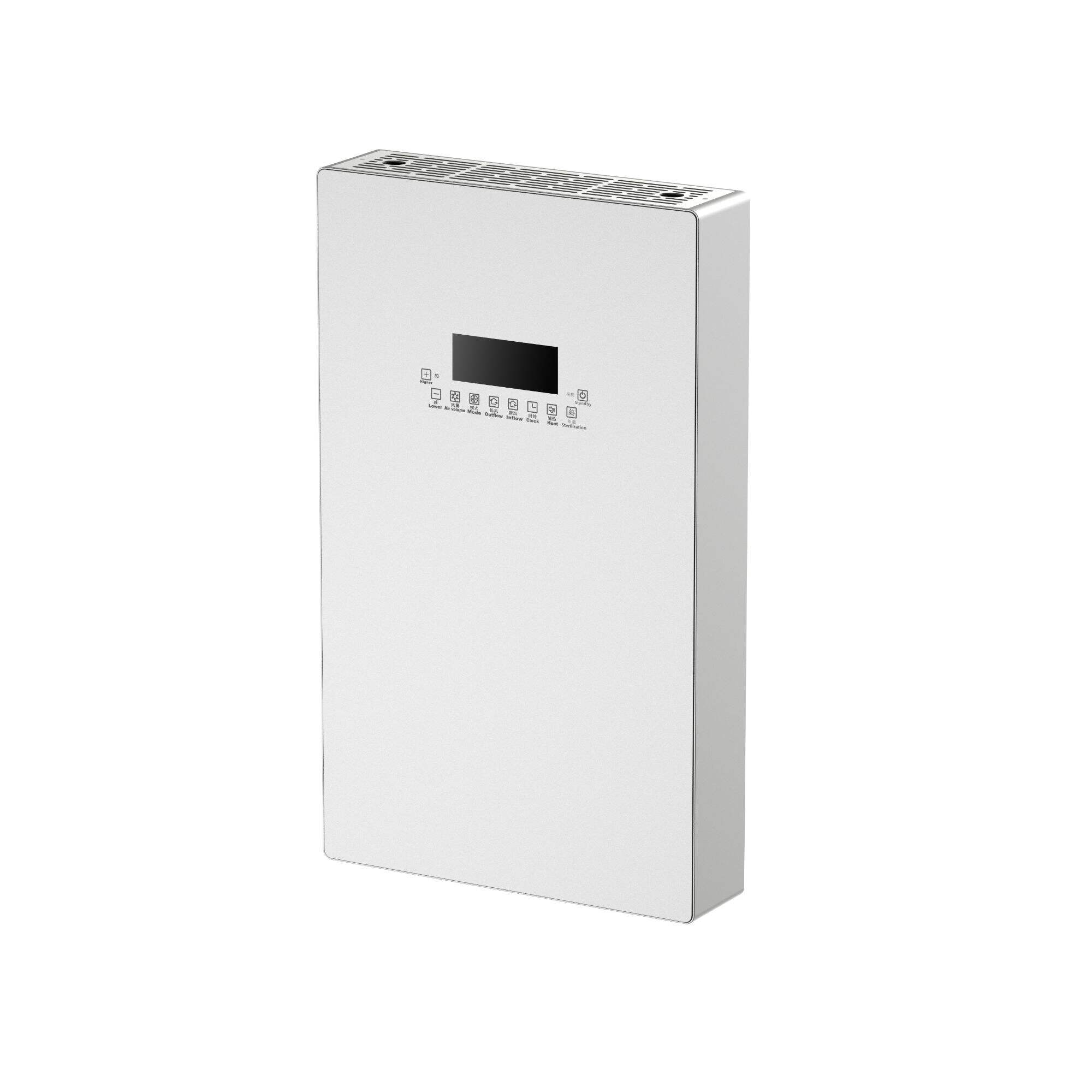
Modern heat recovery ventilators represent an advanced approach where the fan improve ventilation while simultaneously reclaiming thermal energy from the outgoing air stream. These systems use a heat exchanger core to transfer warmth or coolness between the exhaust and supply air streams, meaning that ventilation no longer has to come at the cost of heating or cooling efficiency. For homeowners in climates with significant seasonal temperature variations, this technology dramatically reduces the energy penalty associated with mechanical ventilation. A product like the fan improve ventilation solution with bidirectional flow and a built-in heat exchanger represents exactly this kind of advanced residential air management capability.
Ceiling fans, while not ventilation devices in the strict sense, also play a role in improving perceived air quality by destratifying air layers. In winter, a ceiling fan running in reverse at low speed pushes warm air that has risen to the ceiling back down to the occupied zone. In summer, it creates a wind-chill effect that allows occupants to tolerate slightly higher thermostat settings. While these effects do not increase outdoor air supply, they improve thermal comfort and reduce the perceived stuffiness that triggers complaints about poor air quality.
Commercial and Industrial Indoor Environments
Commercial and industrial spaces face ventilation challenges that are far more demanding than residential buildings. Factories, warehouses, data centers, and food processing facilities generate significant heat, moisture, dust, or chemical vapors that must be managed continuously. In these environments, a well-engineered fan improve ventilation strategy is not optional — it is a regulatory and operational necessity. The volume of air that must be moved, the frequency of air changes required, and the contaminant loads involved all exceed what natural ventilation can reliably provide.
Large industrial exhaust fans mounted in roof monitors or sidewalls can move tens of thousands of cubic meters of air per hour, creating powerful dilution ventilation that reduces airborne contaminant concentrations to safe levels. In cleanrooms and pharmaceutical manufacturing, positive-pressure fan systems prevent external contaminants from entering by maintaining a continuous outward airflow through controlled leakage points. In both cases, the fan improve ventilation by providing the mechanical energy needed to overcome building envelope resistance and maintain the desired pressure and flow conditions.
Data centers represent a specialized case where fans are critical to preventing catastrophic equipment failure. Server racks generate intense heat that, if not removed quickly, will cause components to throttle performance or fail entirely. Precision air conditioning units, hot aisle containment systems, and directional fans all work together to ensure that cool supply air reaches equipment inlets and that hot exhaust air is captured and removed before it mixes with the supply stream. Here, the fan improve ventilation not just for human comfort but for the integrity of critical digital infrastructure.
Outdoor Applications and Environmental Ventilation
Construction Sites and Temporary Outdoor Structures
Outdoor environments present a different set of ventilation challenges. Unlike buildings with defined envelopes, outdoor spaces do not retain air in a predictable way. However, there are many scenarios where fans are used to fan improve ventilation in semi-enclosed or open outdoor settings. Construction sites, for example, often require forced ventilation inside tunnels, trenches, or enclosed excavations where natural airflow is insufficient and toxic gases or depleted oxygen may accumulate. Portable axial fans connected to flexible ducting are deployed to push fresh air into these confined spaces.
Temporary outdoor structures such as tents, temporary warehouses, and event pavilions also benefit from fan-driven ventilation. Large tents used for concerts, trade shows, or emergency shelters can become extremely hot and stuffy without mechanical air movement. Industrial floor fans or large pedestal fans positioned at strategic points can fan improve ventilation within these structures by creating a cross-flow pattern that sweeps heat and stale air toward open exit points. The placement logic mimics what is done indoors but must account for the less predictable boundary conditions of an open or partially open envelope.
Agricultural and Horticultural Fan Ventilation
Greenhouses and livestock facilities represent some of the most demanding outdoor-adjacent environments where fan improve ventilation is essential for productivity and animal welfare. In greenhouses, the accumulation of heat and moisture from plant transpiration can quickly create conditions that promote fungal disease and heat stress. Ventilation fans installed along the ridge or in end walls create a continuous air exchange that moderates temperature, removes excess humidity, and ensures that carbon dioxide concentrations remain at levels that support photosynthesis rather than becoming limiting factors.
Poultry and swine facilities face similar challenges but with the additional burden of managing ammonia and other biologically generated gases. A fan improve ventilation in these settings by maintaining continuous negative pressure, pulling fresh outside air through sidewall inlets and exhausting contaminated air through end-wall fans. The precise control of fan speed and inlet opening area determines whether the animals receive adequate fresh air without being subjected to cold drafts or excessive noise. Modern variable-speed fan drives allow facility managers to dial in the exact ventilation rate needed for any combination of outdoor conditions and animal density.
Choosing the Right Fan Strategy for Effective Ventilation
Matching Fan Type to Ventilation Goal
Not every fan is suited to every ventilation application, and selecting the wrong type can mean a system that consumes energy without meaningfully fan improve ventilation. Axial fans are ideal for high-volume, low-pressure applications such as general space ventilation, exhaust through walls, and large-area air circulation. Centrifugal fans are better suited for systems that involve ducting, filtration, or heat exchange components because they can generate the higher static pressures needed to overcome resistance. Mixed-flow fans offer a compromise between the two, making them well suited for medium-length duct runs in HVAC systems where both volume and pressure requirements are moderate.
Fan speed control is another critical factor. A fan running at full speed in a space that only requires moderate ventilation wastes energy and creates unnecessary noise. Variable frequency drives and electronically commutated motors allow fans to modulate their speed in response to real-time signals from temperature sensors, carbon dioxide monitors, or occupancy detectors. This demand-controlled approach ensures that the fan improve ventilation precisely in proportion to the actual need, rather than operating at a fixed rate regardless of conditions.
Positioning and Airflow Path Design
Even the most powerful fan will fail to fan improve ventilation effectively if it is positioned without regard to the airflow path. The goal of any ventilation fan installation is to create a clear and unobstructed pathway from the fresh air inlet to the exhaust outlet, passing through all occupied or process-critical zones along the way. If the fan creates short-circuit flow between a nearby inlet and outlet without sweeping the main occupied area, the ventilation effectiveness is severely compromised even though the fan is moving large volumes of air.
Computational fluid dynamics modeling is increasingly used in the design of complex spaces to predict how airflow patterns will develop under various fan configurations. For simpler applications, practical rules such as placing exhaust fans on the opposite wall from fresh air inlets, positioning fans at heights that correspond to the contaminant buoyancy characteristics, and ensuring that obstructions do not block the core airflow path will go a long way toward ensuring that the fan improve ventilation as intended. Regularly reviewing fan performance against actual indoor air quality measurements is the best way to confirm that the design is achieving its goals.
FAQ
How does a fan improve ventilation differently from air conditioning?
Air conditioning primarily changes the temperature and sometimes the humidity of recirculated indoor air, but it does not necessarily introduce fresh outdoor air. A fan improve ventilation by physically moving air between indoor and outdoor environments, renewing the oxygen supply and diluting indoor pollutants. In many systems, fans and air conditioning work together, with fans handling the fresh air exchange and air conditioning managing the thermal comfort of that air.
Can a single fan provide sufficient ventilation for a large indoor space?
The capacity of a single fan to fan improve ventilation in a large space depends on its airflow rating, the size of the space, and the ventilation standard that must be met. For large industrial halls, a single fan is rarely sufficient. Multiple fans configured in a balanced supply and exhaust arrangement are typically needed to achieve uniform air distribution and meet regulatory air change requirements. The design should always be validated against the specific ventilation targets for the space.
What is the difference between spot ventilation and whole-space ventilation using fans?
Spot ventilation targets specific pollution sources such as a kitchen range or a welding station, using a fan positioned close to the source to capture and remove contaminants before they spread through the space. Whole-space ventilation uses fans to renew the air throughout an entire room or building. Both approaches fan improve ventilation, but they address different problems. Spot ventilation is more energy-efficient for localized sources, while whole-space ventilation is necessary when pollutants are diffuse or when the goal is to maintain background air quality throughout the occupied zone.
How does a heat recovery ventilator with a fan improve ventilation in energy-efficient buildings?
In highly insulated buildings, mechanical ventilation is essential because the building envelope is too tight for natural air infiltration to provide adequate fresh air. A heat recovery ventilator uses fans to simultaneously supply fresh outdoor air and exhaust stale indoor air, while a heat exchanger transfers thermal energy between the two streams. This allows the system to fan improve ventilation without the large energy losses that would occur if cold outdoor air were introduced directly without preconditioning. The result is excellent indoor air quality with minimal impact on heating or cooling loads.
Table of Contents
- The Science Behind How Fans Drive Air Movement
- Indoor Applications Where Fans Transform Air Quality
- Outdoor Applications and Environmental Ventilation
- Choosing the Right Fan Strategy for Effective Ventilation
-
FAQ
- How does a fan improve ventilation differently from air conditioning?
- Can a single fan provide sufficient ventilation for a large indoor space?
- What is the difference between spot ventilation and whole-space ventilation using fans?
- How does a heat recovery ventilator with a fan improve ventilation in energy-efficient buildings?