
 EN
EN
 AR
AR
 NL
NL
 FR
FR
 DE
DE
 EL
EL
 HI
HI
 IT
IT
 JA
JA
 KO
KO
 PL
PL
 PT
PT
 ES
ES
 ID
ID
 VI
VI
 TH
TH
 TR
TR
 MS
MS
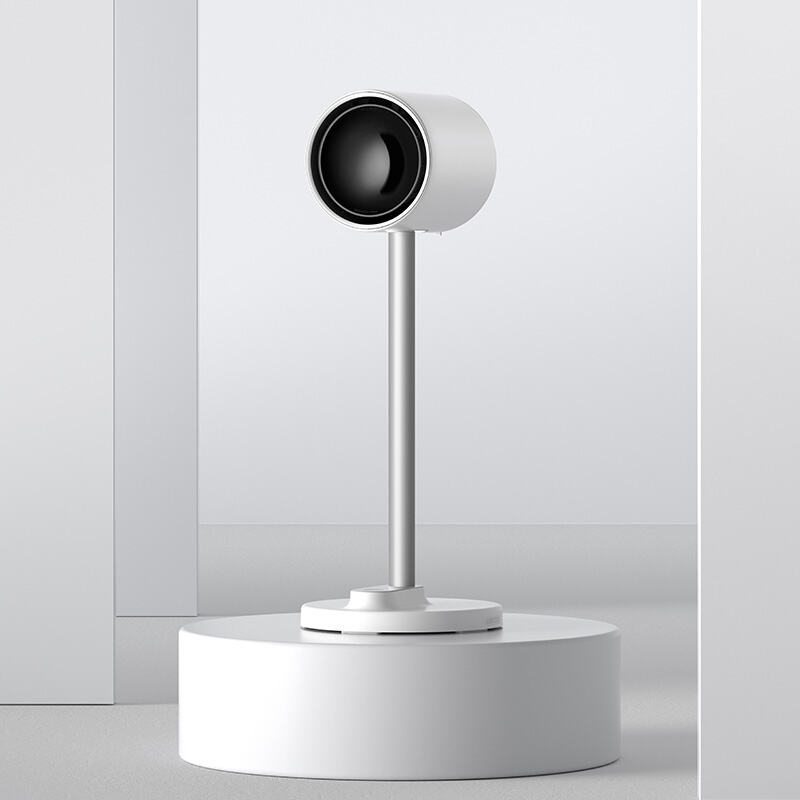
When temperatures rise, the question of how to keep indoor spaces comfortable without breaking the budget becomes increasingly important for homeowners and business operators alike. An air circulator fan has emerged as one of the most versatile and energy-efficient tools available for both residential and commercial environments. Unlike traditional cooling methods that rely on refrigerants and compressors, a well-designed air circulator fan works by moving air strategically throughout a space, creating a wind-chill effect that makes occupants feel cooler without dramatically lowering the ambient temperature.
The practicality of using an air circulator fan as part of a holistic cooling strategy cannot be understated. Whether you are managing a small apartment, a busy retail floor, an open-plan office, or a hospitality venue, the air circulator fan offers a compelling combination of affordability, portability, and effectiveness. This article explores the key considerations that determine whether a fan truly delivers practical value across residential and commercial cooling scenarios, helping you make a confident and well-informed decision.
Understanding How an Air Circulator Fan Works
The Mechanics Behind Air Circulation
A standard desk fan simply blows air in one direction, creating a narrow column of moving air. An air circulator fan, by contrast, is engineered to project air across a much wider and longer range, drawing in air from behind and propelling it forward in a focused, turbine-like stream. This design creates a continuous loop of air movement throughout an entire room rather than just in a narrow path in front of the unit.
The physics underlying this mechanism are straightforward. As air moves faster across the skin, it accelerates the evaporation of moisture, which in turn produces a cooling sensation. This is the wind-chill effect in practice. An air circulator fan achieves this efficiently because its motor is optimized for sustained, high-velocity airflow rather than simply generating volume.
For both residential and commercial users, this engineering difference translates into tangible comfort benefits. A single air circulator fan placed correctly can cool a room that would otherwise require multiple conventional fans, saving both space and energy costs.
Air Circulation vs. Air Conditioning
It is important to clarify that an air circulator fan does not lower the temperature of the air the way an air conditioning unit does. Instead, it redistributes existing air to eliminate hot spots and stagnant zones. In many moderate climates, this is entirely sufficient for maintaining comfort during warmer months.
In environments where air conditioning is already in use, an air circulator fan serves as an excellent complement. By distributing the cooled air more evenly throughout the space, the air circulator fan reduces the load on the air conditioning system, allowing the thermostat to be set a few degrees higher without sacrificing comfort. This results in measurable reductions in energy consumption and utility costs.
For commercial spaces where energy bills are a significant operational cost, pairing an air circulator fan with existing HVAC infrastructure is a particularly practical approach. The return on investment is quick, and the flexibility of a portable air circulator fan means it can be repositioned as occupancy patterns change throughout the day.
Residential Applications of an Air Circulator Fan
Living Spaces and Bedrooms
In a typical home, an air circulator fan proves its practicality almost immediately. Living rooms, bedrooms, and open-plan kitchen-dining areas all benefit from the improved airflow that a quality air circulator fan delivers. Rather than sitting directly in front of a fan all evening, residents can place an air circulator fan in a corner or on a surface and enjoy consistent, gentle airflow throughout the entire space.
Modern air circulator fan designs have also addressed the aesthetic concerns that older industrial-looking fans presented. Sleek, compact models are now available that complement contemporary home interiors without appearing out of place. Some models even incorporate additional features such as aromatherapy diffusion, allowing users to enjoy both cooling comfort and a pleasant ambient scent in the same device.
For bedrooms in particular, the quiet operation of a well-engineered air circulator fan is a major advantage. Many residential users report improved sleep quality when using an air circulator fan set to a low speed, as the gentle airflow keeps the body cool while the soft ambient noise can also promote relaxation.
Multi-Room Strategies and Seasonal Versatility
One of the most practical aspects of an air circulator fan for residential use is its portability. Unlike fixed ceiling fans or window-mounted air conditioners, a desktop or floor-standing air circulator fan can be moved between rooms as needed. This makes it possible to purchase fewer units while still achieving effective cooling wherever it is required at any given time.
Seasonal versatility adds further value. During winter, an air circulator fan can be directed upward to push warm air that naturally accumulates near the ceiling back down into the living zone, improving heating efficiency in the same way it improves cooling efficiency in summer. This dual-season functionality means that an air circulator fan pays for itself through year-round use rather than sitting in storage for half the year.
For homeowners looking to reduce their reliance on air conditioning without sacrificing comfort, a strategically deployed air circulator fan is a highly practical first step. Combined with good ventilation habits such as opening windows during cooler evening hours, an air circulator fan can make a substantial difference in how comfortable and manageable a home feels during warm weather.
Commercial Applications of an Air Circulator Fan
Office Environments and Productivity
In commercial office settings, thermal comfort is directly linked to employee productivity and satisfaction. Research consistently shows that uncomfortable temperatures, whether too hot or too cold, reduce concentration and increase error rates. An air circulator fan positioned thoughtfully within an open-plan office can eliminate the hot spots and stagnant air pockets that HVAC systems often miss, creating a more uniformly comfortable working environment.
Desktop versions of the air circulator fan are particularly practical in office contexts because they can be placed on desks or workstations without taking up excessive space. Employees can adjust their individual air circulator fan to suit their personal comfort preferences, reducing the common complaints about air conditioning being too cold for some and too warm for others.
For business owners and facility managers, deploying air circulator fan units across an office also reduces the peak demand on central HVAC systems. This can lower energy costs during high-consumption periods, contributing to sustainability targets and reducing operational expenses simultaneously.
Retail, Hospitality, and Industrial Settings
Retail stores and hospitality venues face unique cooling challenges because occupancy levels fluctuate significantly throughout the day, and large open areas are difficult to cool uniformly. An air circulator fan is a practical solution in these contexts because it can be deployed flexibly, positioned near high-traffic zones during peak hours and moved or switched off during quieter periods.
In hospitality settings such as cafes, restaurants, and hotel lobbies, the aesthetic design of an air circulator fan matters as much as its performance. Modern air circulator fan models are designed with this in mind, offering a professional appearance that does not detract from the venue's visual identity. Some models with added features such as aromatherapy capability can even contribute positively to the ambiance of a space.
Light industrial and workshop environments also benefit from air circulator fan deployment. In warehouses or production areas where large overhead systems are impractical or expensive to run, strategically placed air circulator fan units can maintain acceptable working conditions and reduce heat stress risks for personnel. The durability and low maintenance requirements of a quality air circulator fan make it a cost-effective choice in these demanding environments.
Evaluating the Practical Limitations of an Air Circulator Fan
When a Fan Alone Is Not Sufficient
While the air circulator fan delivers genuine value in many scenarios, it is equally important to acknowledge its limitations in order to make a truly practical assessment. In regions where summer temperatures regularly exceed 35 degrees Celsius with high humidity, an air circulator fan alone will not provide adequate relief. In these conditions, the wind-chill effect is diminished because the air itself is too warm and moisture-laden for evaporation to work effectively.
Similarly, in commercial spaces with high heat loads from equipment, lighting, or dense human occupancy, an air circulator fan should be viewed as a supplementary tool rather than a primary cooling solution. Server rooms, commercial kitchens, and spaces with significant equipment heat generation require dedicated cooling infrastructure that goes beyond what an air circulator fan can provide.
Understanding these boundaries allows both residential and commercial users to deploy an air circulator fan where it delivers the most value, rather than expecting it to perform beyond its design purpose. A realistic assessment leads to better purchasing decisions and higher satisfaction with the results.
Selecting the Right Air Circulator Fan for Your Needs
Not all air circulator fan models are created equal, and selecting the right one for a specific application requires consideration of several factors. Room size is the primary determinant of the airflow capacity required. A desktop air circulator fan is ideal for personal spaces, individual workstations, or small rooms, while larger floor-standing models are more appropriate for open commercial areas or spacious residential living rooms.
Noise level is a critical consideration for both residential and commercial use. An air circulator fan intended for a bedroom or a meeting room should operate at low decibel levels, particularly on its lower speed settings. Always check the noise specifications before purchasing, as this varies significantly between models.
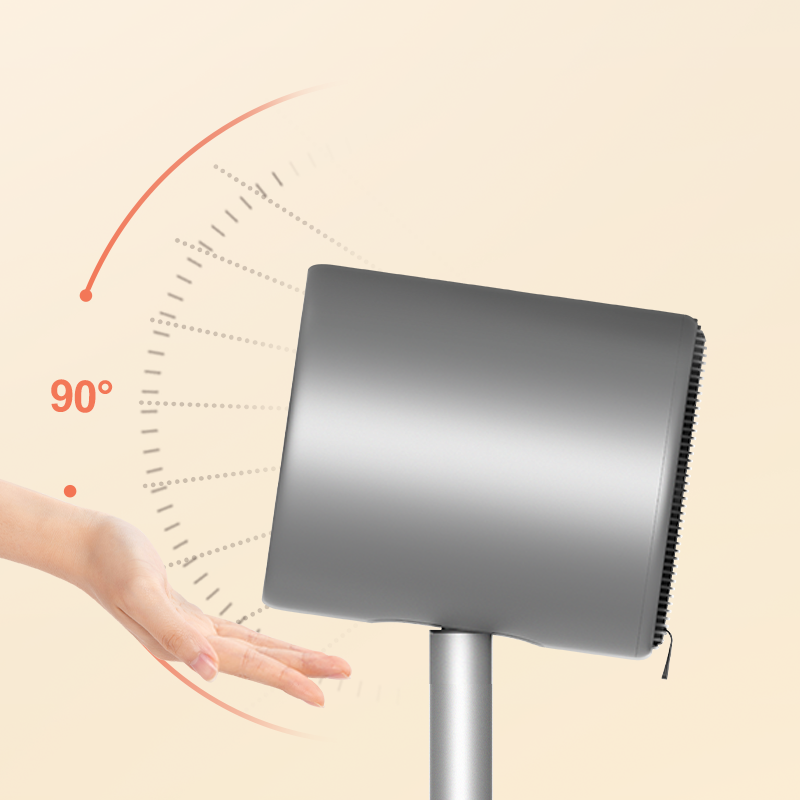
Additional features such as multi-directional oscillation, adjustable speed settings, timer functions, and integrated aromatherapy can significantly enhance the user experience and the practical utility of an air circulator fan. For commercial buyers purchasing multiple units, energy efficiency ratings and ease of maintenance are equally important factors in the total cost of ownership calculation.
FAQ
Can an air circulator fan replace air conditioning entirely?
In mild climates or during moderate weather conditions, an air circulator fan can be sufficient as a standalone cooling solution. However, in regions with high summer temperatures or elevated humidity, an air circulator fan is best used as a complement to air conditioning rather than a complete replacement. It helps distribute cooled air more efficiently, reducing energy consumption while maintaining comfort.
How many air circulator fan units does a commercial space need?
The number of air circulator fan units required depends on the size, layout, and heat load of the space. As a general guideline, one air circulator fan can effectively cover an area of approximately 20 to 30 square meters in a typical residential or light commercial setting. Larger open-plan commercial environments may require multiple units positioned strategically to ensure even air circulation throughout the space.
Is an air circulator fan energy-efficient compared to air conditioning?
Yes, an air circulator fan consumes significantly less electricity than an air conditioning unit. A typical air circulator fan uses between 15 and 60 watts depending on speed and model, while a standard air conditioning unit consumes several hundred watts or more. For businesses focused on reducing energy costs and improving sustainability, deploying air circulator fan units is a highly cost-effective strategy.
What features should I look for in a desktop air circulator fan for office use?
For office use, the most important features in a desktop air circulator fan include quiet operation, multiple speed settings, compact footprint, and directional control. Oscillation capability is valuable for covering a wider area without constant manual adjustment. Models that offer additional benefits such as aromatherapy diffusion can also contribute to a more pleasant working environment, improving both air quality perception and employee wellbeing.