
 EN
EN
 AR
AR
 NL
NL
 FR
FR
 DE
DE
 EL
EL
 HI
HI
 IT
IT
 JA
JA
 KO
KO
 PL
PL
 PT
PT
 ES
ES
 ID
ID
 VI
VI
 TH
TH
 TR
TR
 MS
MS

How Can a Fan Heater Reduce Energy Costs While Maintaining Comfort?
Modern heating solutions have evolved significantly, with electric fan heaters emerging as one of the most efficient and cost-effective options for residential and commercial spaces. Unlike traditional heating systems that require extensive ductwork and consume large amounts of energy to heat entire buildings, a fan heater provides targeted warmth exactly where it's needed most. This focused approach to heating represents a paradigm shift in energy consumption, allowing users to maintain optimal comfort levels while dramatically reducing their overall energy costs. The strategic use of fan heaters can transform how we approach winter heating, offering both immediate warmth and long-term financial benefits.
Understanding Fan Heater Technology and Energy Efficiency
PTC Ceramic Heating Elements
The heart of modern fan heater technology lies in Positive Temperature Coefficient ceramic elements, which represent a significant advancement over traditional heating coils. These ceramic components self-regulate their temperature output, automatically reducing power consumption as they reach optimal operating temperatures. This intelligent heating mechanism prevents energy waste that commonly occurs with older heating technologies. The PTC elements ensure consistent heat distribution while maintaining safety standards that exceed conventional heating methods.
Unlike resistance-based heating elements that continue drawing maximum power regardless of ambient temperature, PTC ceramics adjust their energy consumption based on actual heating requirements. This adaptive behavior translates directly into reduced electricity bills, as the system only consumes the energy necessary to maintain desired comfort levels. The ceramic material also provides superior longevity compared to traditional heating coils, reducing replacement costs and maintenance requirements over the appliance's lifetime.
Advanced Fan Technology Integration
The integration of high-efficiency fans with ceramic heating elements creates a synergistic effect that maximizes heat distribution while minimizing energy consumption. Modern fan systems utilize aerodynamically optimized blades that move air more effectively with less electrical input. This improved air circulation ensures rapid heat distribution throughout the target area, reducing the time required to achieve comfortable temperatures and consequently lowering overall energy usage.
The variable speed capabilities of contemporary fan heater motors allow users to fine-tune airflow based on specific room conditions and personal preferences. Lower fan speeds consume significantly less electricity while still providing adequate heat circulation for smaller spaces or mild temperature adjustments. This flexibility enables users to optimize their energy consumption based on real-time heating needs rather than operating at maximum capacity regardless of circumstances.
Strategic Placement and Zone Heating Benefits
Targeted Heating Zones
One of the most significant advantages of fan heater systems lies in their ability to create specific heating zones within larger spaces. Rather than heating entire buildings or floors, these devices allow users to focus warmth on occupied areas, dramatically reducing energy waste associated with heating unused spaces. This zone-based approach can reduce heating costs by up to sixty percent compared to traditional central heating systems that heat all areas simultaneously.
The portability of most fan heater units enables dynamic zone creation based on daily usage patterns and seasonal requirements. Users can easily relocate units to follow their activities throughout the day, ensuring comfort while maintaining minimal energy consumption. This mobility factor eliminates the need for multiple permanent heating installations and reduces infrastructure costs associated with traditional heating system expansions.
Supplemental Heating Strategies
Implementing fan heaters as supplemental heating sources allows homeowners and businesses to maintain lower baseline temperatures on their primary heating systems while providing targeted comfort in specific areas. This hybrid approach significantly reduces the workload on main heating systems, extending their operational lifespan and reducing maintenance requirements. The ability to lower central heating thermostats by just a few degrees while maintaining comfort through strategic fan heater placement can result in substantial monthly energy savings.
The rapid heating capabilities of electric fan heaters make them ideal for spaces that require quick temperature adjustments, such as home offices, workshops, or recreational areas. These spaces often experience irregular occupancy patterns that make continuous heating inefficient and costly. By using fan heaters for on-demand heating in these areas, users can maintain optimal comfort during usage periods while avoiding energy waste during unoccupied hours.
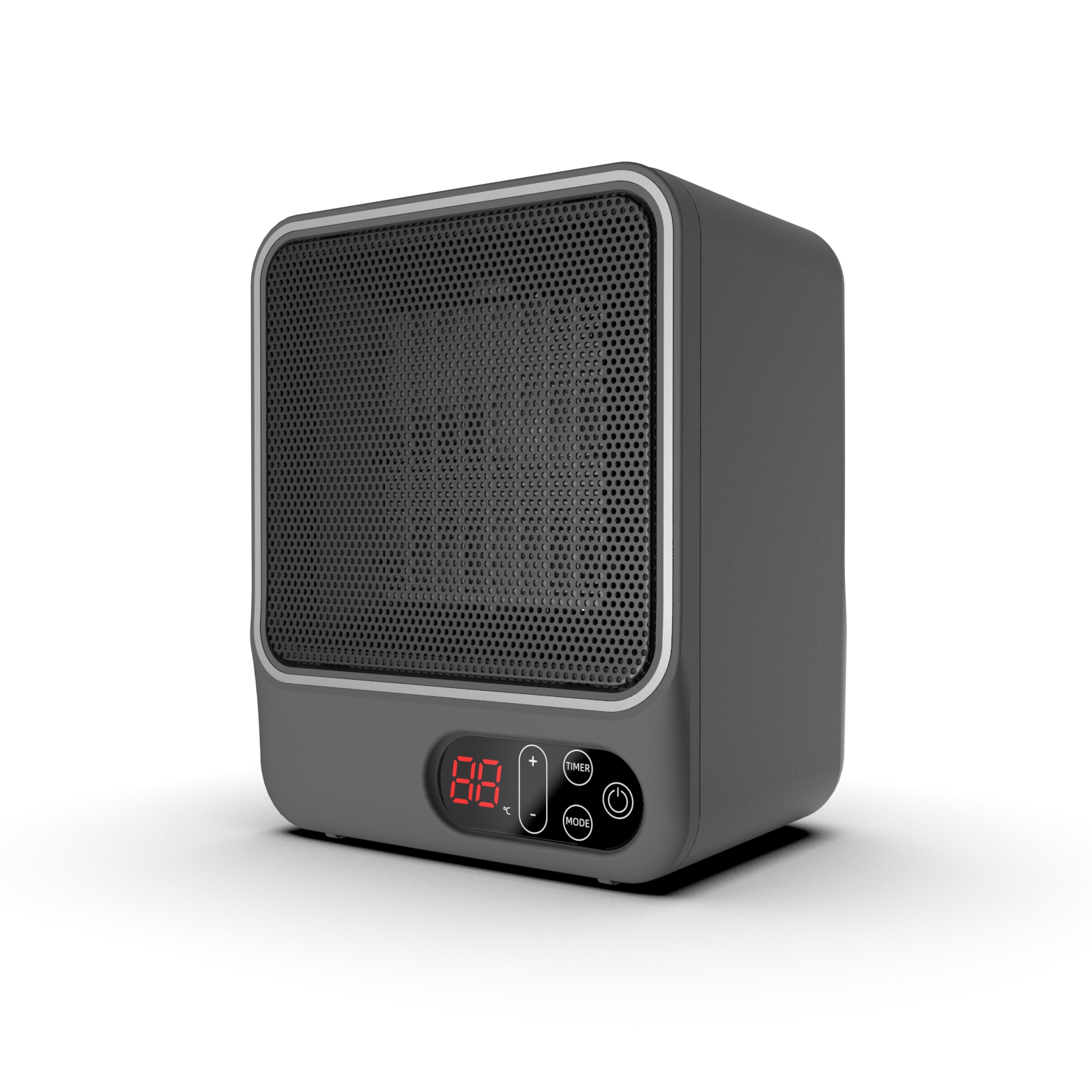
Smart Controls and Programmable Features
Thermostat Integration and Temperature Management
Modern fan heater units incorporate sophisticated thermostat systems that maintain precise temperature control while optimizing energy consumption. These intelligent controls automatically cycle heating elements on and off based on ambient temperature readings, preventing energy waste from overheating and ensuring consistent comfort levels. The precision of digital thermostats eliminates the temperature fluctuations common with manual controls, reducing both energy consumption and user discomfort.
Programmable thermostat features enable users to establish heating schedules that align with occupancy patterns and daily routines. This automation ensures that spaces are heated only when necessary, eliminating energy waste during unoccupied periods. The ability to pre-program temperature setbacks during sleeping hours or absent periods can contribute significantly to monthly energy savings while maintaining comfort during active use periods.
Timer Functions and Energy Optimization
Built-in timer functions provide additional energy-saving capabilities by allowing users to schedule heating operations based on predictable usage patterns. These programmable timers can automatically activate heating systems before occupancy and shut down after predetermined periods, ensuring optimal comfort without manual intervention. This automation prevents the common energy waste associated with forgetting to turn off heating devices after use.
Advanced timer systems often include multiple daily programming options that accommodate varying schedules throughout the week. Weekend and weekday programming flexibility allows users to optimize heating schedules based on different occupancy patterns, further reducing energy consumption while maintaining comfort. The precision timing capabilities ensure that heating systems operate only during necessary periods, eliminating standby energy consumption that can accumulate significantly over time.
Safety Features and Operational Efficiency
Overheat Protection Systems
Contemporary fan heater designs incorporate multiple safety mechanisms that not only protect users and property but also contribute to energy efficiency by preventing damage-related energy losses. Automatic overheat protection systems monitor internal temperatures and shut down heating elements when safe operating parameters are exceeded. This protection prevents energy waste associated with overheating while ensuring consistent performance throughout the device's operational lifetime.
Tip-over switches and thermal cutoffs provide additional safety layers that maintain operational efficiency by preventing damage to heating elements and fan motors. These protective features ensure that fan heaters continue operating at peak efficiency throughout their service life, avoiding the energy penalties associated with damaged or degraded components. The reliability provided by these safety systems reduces long-term operating costs and maintains consistent energy performance.
Air Quality and Circulation Benefits
The continuous air circulation provided by fan heater systems offers additional benefits beyond heating efficiency, including improved indoor air quality and reduced humidity-related issues. The constant airflow helps prevent stagnant air conditions that can lead to moisture buildup and related comfort problems. This circulation effect reduces the need for additional ventilation systems and can improve the effectiveness of existing HVAC components.
Enhanced air circulation also contributes to more uniform temperature distribution throughout heated spaces, eliminating cold spots that might otherwise require additional heating capacity. This improved heat distribution allows users to maintain comfort at lower overall temperature settings, directly contributing to reduced energy consumption. The elimination of temperature stratification common in poorly circulated spaces ensures that thermostat readings accurately reflect actual comfort conditions.
Maintenance and Long-term Cost Considerations
Minimal Maintenance Requirements
Electric fan heater systems require significantly less maintenance compared to combustion-based heating alternatives, contributing to their overall cost-effectiveness over time. The absence of fuel lines, combustion chambers, and exhaust systems eliminates many potential maintenance issues that can affect heating efficiency and increase operating costs. Simple periodic cleaning of air intake filters and external surfaces represents the primary maintenance requirement for most fan heater units.
The solid-state nature of PTC ceramic heating elements provides exceptional reliability and longevity compared to traditional heating coils or gas burners. These components typically maintain consistent performance throughout their operational lifetime without degradation that could increase energy consumption. The reduced maintenance requirements translate directly into lower long-term operating costs and improved energy efficiency retention over the device's service life.
Replacement and Upgrade Considerations
The relatively low initial cost of quality fan heater units makes replacement or upgrading economically viable when newer, more efficient models become available. This accessibility to improved technology ensures that users can benefit from ongoing efficiency improvements without significant capital investment. The modular nature of fan heater systems also allows for easy expansion or reconfiguration based on changing space requirements or usage patterns.
Energy efficiency improvements in fan heater technology continue advancing, with newer models offering enhanced performance and reduced operating costs compared to older units. The ability to easily upgrade heating capacity or efficiency without extensive installation requirements makes fan heaters an attractive option for both temporary and permanent heating solutions. This flexibility supports long-term energy cost optimization as technology advances and energy prices fluctuate.
FAQ
How much can I expect to save on energy costs using a fan heater instead of central heating
Energy savings from fan heater usage vary based on application and usage patterns, but typical savings range from thirty to sixty percent when used for zone heating applications. The greatest savings occur when replacing whole-house heating with targeted heating in occupied areas. Users who strategically lower their central heating thermostats while using fan heaters for occupied spaces often see monthly energy bill reductions of two hundred to four hundred dollars during peak heating seasons, depending on local energy costs and home size.
What size fan heater do I need for my room to maximize efficiency
Proper sizing ensures optimal efficiency and comfort while avoiding energy waste from oversized units. A general guideline suggests ten watts per square foot for well-insulated spaces, though ceiling height, insulation quality, and local climate affect requirements. Rooms up to 150 square feet typically work well with 1500-watt units, while larger spaces may require multiple smaller units for better heat distribution rather than one oversized unit. Consulting manufacturer specifications and considering specific room characteristics ensures optimal sizing for maximum efficiency.
Are there specific electrical requirements for running multiple fan heaters efficiently
Most residential fan heaters operate on standard household electrical circuits, but running multiple units requires consideration of circuit capacity and electrical load distribution. Standard 15-amp circuits can safely support one 1500-watt unit, while 20-amp circuits can accommodate larger units or multiple smaller ones. For maximum efficiency and safety, avoid overloading circuits and consider dedicated circuits for high-capacity installations. Professional electrical consultation ensures safe installation and optimal performance for multiple-unit configurations.
How do smart controls affect the energy efficiency of fan heater systems
Smart controls significantly enhance fan heater efficiency by enabling precise temperature management and automated scheduling based on occupancy patterns. Programmable thermostats maintain optimal temperatures without user intervention, while timer functions prevent energy waste from extended operation. WiFi-enabled models allow remote monitoring and adjustment, ensuring heating systems operate only when necessary. These intelligent features typically improve efficiency by twenty to thirty percent compared to manual operation, with savings increasing based on how consistently users utilize the automated functions.