
 EN
EN
 AR
AR
 NL
NL
 FR
FR
 DE
DE
 EL
EL
 HI
HI
 IT
IT
 JA
JA
 KO
KO
 PL
PL
 PT
PT
 ES
ES
 ID
ID
 VI
VI
 TH
TH
 TR
TR
 MS
MS

How does a shoe dryer improve drying speed for daily footwear care?
Modern footwear care has evolved significantly with the introduction of specialized drying equipment that addresses the persistent challenge of wet shoes. A shoe dryer represents a revolutionary approach to maintaining dry, comfortable footwear while extending the lifespan of your investment. Whether dealing with rain-soaked boots, sweaty athletic shoes, or winter footwear exposed to snow and slush, these innovative devices provide consistent, efficient drying that traditional air-drying methods simply cannot match. The technology behind contemporary shoe dryer systems combines gentle heat circulation with strategic airflow patterns to eliminate moisture without damaging delicate materials or compromising structural integrity.
Understanding Shoe Dryer Technology and Mechanisms
Heat Distribution Systems in Modern Shoe Dryers
The core functionality of any effective shoe dryer relies on controlled heat distribution that penetrates deep into footwear materials without causing damage. Advanced models utilize ceramic heating elements that generate consistent, low-level warmth typically ranging between 104°F to 113°F (40°C to 45°C). This temperature range ensures thorough moisture evaporation while protecting leather, synthetic materials, and adhesives from heat-related deterioration. The heating system works in conjunction with internal fans that create continuous airflow circulation, preventing hot spots and ensuring uniform temperature distribution throughout the entire shoe cavity.
Professional-grade shoe dryer units incorporate multiple heating zones that can be independently controlled, allowing users to customize drying intensity based on specific footwear types and moisture levels. The thermal regulation system prevents overheating through built-in temperature sensors that automatically adjust heat output when predetermined thresholds are reached. This intelligent temperature management extends the operational lifespan of the device while providing optimal drying conditions for various shoe materials including canvas, mesh, rubber, and premium leather constructions.
Airflow Engineering and Ventilation Design
Effective moisture removal requires strategic airflow engineering that maximizes air circulation within confined spaces. Contemporary shoe dryer designs feature precision-engineered ventilation systems that create positive air pressure inside the shoe chamber, forcing humid air outward while drawing fresh, dry air inward. This continuous air exchange process accelerates evaporation rates significantly compared to passive drying methods. The ventilation design typically incorporates multiple air intake and exhaust ports positioned to optimize airflow patterns and prevent moisture accumulation in difficult-to-reach areas.
The engineering behind airflow systems includes variable speed fans that can adjust circulation intensity based on detected moisture levels and ambient conditions. Advanced models feature moisture sensors that automatically regulate fan speed and operation duration, ensuring efficient energy consumption while maintaining optimal drying performance. The precision-designed air channels direct heated air to specific zones within the footwear, including toe boxes, heel areas, and insole regions where moisture typically accumulates most heavily during regular wear.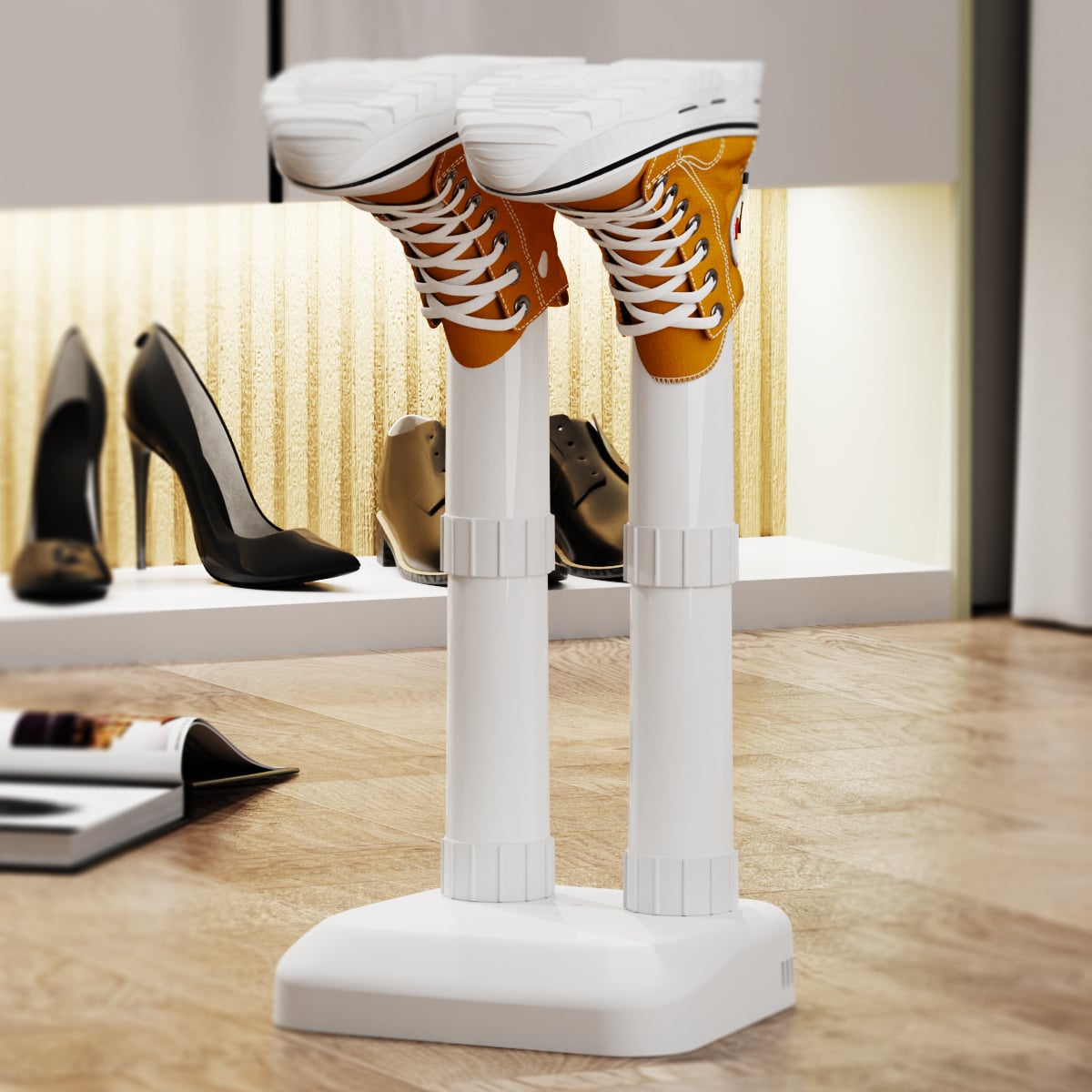
Comparative Analysis of Drying Speed Performance
Traditional Air Drying Versus Mechanical Drying Systems
Conventional air drying methods rely entirely on ambient environmental conditions and can require anywhere from 12 to 48 hours for complete moisture removal, depending on humidity levels, temperature, and air circulation. During winter months or in humid climates, traditional drying times can extend significantly, often resulting in incomplete drying that promotes bacterial growth and unpleasant odors. The unpredictable nature of environmental drying makes it unreliable for individuals who require consistently dry footwear on a daily basis, particularly healthcare workers, outdoor professionals, and active individuals.
In contrast, a quality shoe dryer can achieve complete moisture elimination in as little as 1-3 hours, depending on initial wetness levels and shoe construction. This dramatic reduction in drying time stems from controlled environmental conditions that optimize evaporation rates through precise temperature and airflow management. The consistent performance of mechanical drying systems eliminates weather dependency and provides reliable results regardless of seasonal changes or indoor humidity fluctuations.
Factors Affecting Drying Speed Optimization
Several variables influence the operational efficiency of shoe dryer systems, with material composition serving as a primary determinant of drying duration. Synthetic materials and modern athletic shoe constructions typically dry faster due to their moisture-wicking properties and breathable designs, while traditional leather footwear may require extended drying cycles due to material density and absorption characteristics. The initial moisture saturation level also significantly impacts processing time, with heavily soaked footwear requiring proportionally longer drying periods to achieve complete moisture removal.
Ambient environmental conditions continue to play a role even in mechanical drying systems, though to a much lesser degree than traditional methods. Room temperature, relative humidity, and air circulation in the surrounding environment can influence overall efficiency by affecting the moisture gradient between the shoe interior and external atmosphere. Professional shoe dryer units often incorporate environmental sensors that automatically adjust operating parameters to compensate for these variables, ensuring consistent performance across diverse operating conditions.
Health and Hygiene Benefits of Accelerated Drying
Bacterial and Fungal Growth Prevention
Moisture retention in footwear creates ideal breeding conditions for harmful bacteria and fungi that can cause serious health complications including athlete's foot, nail fungus, and various skin infections. These microorganisms thrive in warm, damp environments and can multiply rapidly when shoes remain wet for extended periods. A shoe dryer eliminates these favorable conditions by rapidly removing moisture and maintaining dry internal environments that inhibit microbial proliferation. The consistent use of mechanical drying systems significantly reduces the risk of foot-related health issues while promoting overall foot hygiene and comfort.
The temperature ranges utilized by professional shoe dryer systems provide an additional antimicrobial benefit by creating conditions that are hostile to many common foot pathogens. While not designed as sterilization devices, the combination of heat and thorough moisture removal creates an environment where existing bacteria and fungi struggle to survive and reproduce. This dual-action approach to hygiene maintenance proves particularly beneficial for individuals with compromised immune systems or those predisposed to fungal infections.
Odor Control and Freshness Management
Persistent shoe odors result primarily from bacterial decomposition of organic matter in moist environments, making moisture control essential for odor prevention. Traditional air drying methods often fail to achieve complete moisture removal, allowing residual dampness to support ongoing bacterial activity and odor production. A shoe dryer addresses this issue by thoroughly eliminating moisture from all internal surfaces and materials, effectively removing the primary catalyst for odor-causing bacterial processes.
Regular use of mechanical drying systems prevents odor accumulation rather than simply masking existing smells, providing a more sustainable approach to footwear freshness management. The consistent dry conditions maintained by shoe dryer technology create an inhospitable environment for odor-producing microorganisms, resulting in naturally fresher footwear without the need for chemical deodorizers or frequent washing. This preventive approach proves especially valuable for individuals who wear the same shoes daily or engage in activities that promote heavy perspiration.
Material Preservation and Longevity Enhancement
Protecting Premium Materials and Construction
Prolonged moisture exposure causes significant damage to various footwear materials through processes including leather cracking, adhesive degradation, metal component corrosion, and structural weakening. Premium leather shoes are particularly vulnerable to moisture-related damage, as repeated wet-dry cycles can cause permanent cracking, stiffening, and color distortion that dramatically reduces both appearance and functionality. A shoe dryer prevents these issues by providing controlled drying conditions that preserve material integrity while eliminating moisture-related stress factors.
The gentle, consistent heat provided by professional drying systems maintains optimal material conditioning without the thermal shock associated with high-temperature drying methods. This careful temperature management prevents leather from becoming brittle, maintains flexibility in synthetic materials, and protects delicate components such as waterproof membranes and specialized cushioning systems. The preservation benefits extend beyond immediate damage prevention to include long-term structural maintenance that significantly extends useful footwear lifespan.
Cost-Effectiveness Through Extended Wear Life
The financial benefits of using a shoe dryer become apparent when considering the replacement costs associated with moisture-damaged footwear. Quality shoes represent substantial investments, particularly for specialized applications such as work boots, athletic shoes, or formal leather footwear. Premature replacement due to moisture-related deterioration can result in hundreds or thousands of dollars in unnecessary expenses over time. Regular use of mechanical drying systems dramatically extends useful shoe life by preventing the primary cause of structural failure and material degradation.
Professional environments where footwear performance directly impacts safety and productivity particularly benefit from the reliability provided by shoe dryer technology. Construction workers, healthcare professionals, and outdoor recreation enthusiasts depend on properly functioning footwear for both comfort and protection. The consistent availability of dry, well-maintained shoes eliminates the need for multiple backup pairs while ensuring optimal performance characteristics are maintained throughout the footwear's intended lifespan.
Practical Applications and Usage Scenarios
Daily Use Integration and Routine Development
Incorporating a shoe dryer into daily routines requires minimal time investment while providing substantial benefits for footwear maintenance and personal comfort. Most users find that establishing evening drying cycles allows shoes worn during the day to be completely dry and fresh for the following morning. This proactive approach prevents moisture accumulation that would otherwise compromise comfort and hygiene during subsequent wear periods. The automatic operation features available in modern units eliminate the need for constant monitoring, allowing users to simply place wet shoes in the device and retrieve them when convenient.
Professional applications often require multiple pairs of specialized footwear that must be maintained in ready-to-use condition. Healthcare workers, for example, may need to change shoes multiple times during long shifts, requiring reliable drying capacity to maintain appropriate hygiene standards. A shoe dryer enables rapid turnaround times that support demanding schedules while ensuring consistent performance and comfort. The ability to process multiple pairs simultaneously makes these systems particularly valuable in environments where footwear requirements change frequently.
Seasonal Considerations and Climate Adaptation
Different seasons present unique challenges for footwear maintenance that mechanical drying systems address more effectively than traditional methods. Winter conditions expose shoes to snow, salt, and moisture that can be particularly damaging without proper drying protocols. Spring and fall seasons often involve unpredictable weather patterns that make conventional drying unreliable, while summer humidity can prevent adequate moisture removal even in seemingly favorable conditions. A shoe dryer provides consistent performance regardless of seasonal variations, ensuring reliable footwear care throughout the year.
Geographic location significantly influences the effectiveness of traditional drying methods, with coastal regions, tropical climates, and areas with high humidity presenting particular challenges for moisture management. Mechanical drying systems eliminate environmental dependency by creating controlled microclimates optimized for moisture removal. This climate independence proves especially valuable for travelers who encounter varying environmental conditions or individuals living in regions where natural drying conditions are consistently poor.
FAQ
How long does it typically take for a shoe dryer to completely dry wet shoes
Most quality shoe dryer units can completely dry moderately wet footwear in approximately 1-3 hours, depending on the initial moisture level and shoe construction. Heavily saturated shoes may require up to 4-6 hours for complete drying, while lightly damp shoes can be ready in as little as 30-60 minutes. The specific drying time varies based on material composition, with synthetic athletic shoes typically drying faster than thick leather boots or work shoes with dense construction.
Can a shoe dryer damage expensive leather shoes or other premium materials
Professional-grade shoe dryer systems are specifically designed to operate within safe temperature ranges that protect all common footwear materials, including premium leather, exotic skins, and technical synthetics. The controlled heat output typically ranges between 104°F to 113°F, which effectively removes moisture without causing thermal damage or material degradation. Many high-end shoe manufacturers actually recommend using mechanical drying systems over natural air drying to prevent moisture-related damage and extend shoe lifespan.
Is it energy efficient to run a shoe dryer regularly compared to natural air drying
Modern shoe dryer units are designed for energy efficiency, typically consuming between 80-200 watts during operation, which translates to minimal electricity costs even with daily use. When compared to the potential costs of replacing prematurely damaged footwear due to inadequate drying, the energy investment provides substantial long-term savings. Additionally, the faster drying times mean shorter operating periods, further reducing overall energy consumption while providing superior results compared to unpredictable natural drying methods.
How often should I use a shoe dryer for optimal footwear maintenance
The optimal usage frequency depends on individual circumstances, but most footwear care experts recommend using a shoe dryer whenever shoes become noticeably damp from perspiration, weather exposure, or cleaning. For individuals with heavy foot perspiration or those working in humid environments, daily use may be beneficial for maintaining hygiene and comfort. Occasional users might employ the system after specific activities such as hiking, sports, or exposure to wet conditions, while ensuring that any moisture is addressed promptly to prevent damage or odor development.