
 EN
EN
 AR
AR
 NL
NL
 FR
FR
 DE
DE
 EL
EL
 HI
HI
 IT
IT
 JA
JA
 KO
KO
 PL
PL
 PT
PT
 ES
ES
 ID
ID
 VI
VI
 TH
TH
 TR
TR
 MS
MS

Why is a shoe dryer essential for winter and rainy environments?
Winter and rainy seasons bring numerous challenges for footwear maintenance, making proper care of shoes, boots, and athletic gear more critical than ever. When moisture accumulates inside footwear due to snow, rain, or excessive sweating, it creates an ideal breeding ground for bacteria, fungi, and unpleasant odors. This persistent dampness not only compromises comfort but also significantly reduces the lifespan of expensive footwear. A reliable shoe dryer becomes an indispensable tool for maintaining foot health, preserving footwear investments, and ensuring daily comfort during harsh weather conditions.
Health Benefits of Using a Shoe Dryer
Preventing Fungal Infections and Bacteria Growth
Moisture trapped inside footwear creates the perfect environment for harmful microorganisms to flourish. Athlete's foot, toenail fungus, and other bacterial infections thrive in warm, damp conditions that persist when shoes remain wet for extended periods. A shoe dryer effectively eliminates these conditions by removing moisture completely, disrupting the lifecycle of these harmful organisms. Regular use of drying equipment significantly reduces the risk of developing painful fungal infections that can take months to treat and may require expensive medical intervention.
The gentle heat and airflow provided by quality drying devices penetrate deep into shoe materials, ensuring complete moisture removal from areas that natural air drying cannot reach. This thorough drying process eliminates the microscopic moisture pockets where bacteria typically establish colonies. Healthcare professionals consistently recommend proper footwear drying as a primary prevention method for various foot-related health issues, particularly for individuals who work in wet environments or participate in regular physical activities.
Eliminating Odors and Maintaining Foot Hygiene
Persistent shoe odor stems from bacterial decomposition of organic matter in moist environments within footwear. Even the highest quality shoes develop unpleasant smells when moisture remains trapped inside after wear. A shoe dryer addresses this issue at its source by creating an inhospitable environment for odor-causing bacteria. The controlled heat and airflow not only remove existing moisture but also help eliminate existing bacterial populations that contribute to offensive odors.
Beyond immediate odor elimination, regular drying maintains long-term foot hygiene by preventing the accumulation of moisture-related problems. Fresh, dry footwear promotes better foot health by maintaining proper temperature regulation and reducing excessive sweating. This creates a positive cycle where feet remain healthier, shoes stay cleaner, and overall comfort improves significantly during daily activities.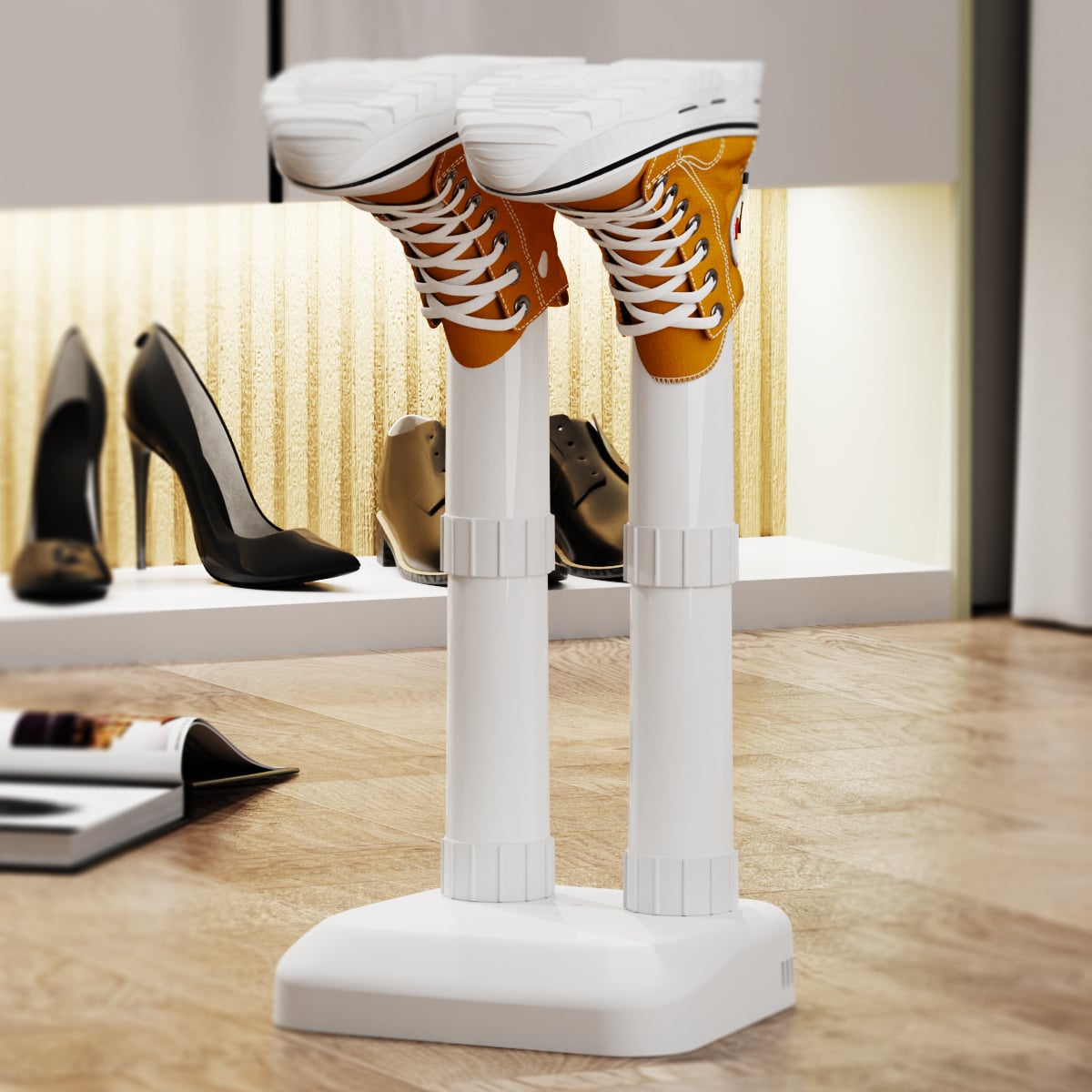
Protecting Your Footwear Investment
Extending Shoe Lifespan Through Proper Moisture Management
Quality footwear represents a significant financial investment, particularly for specialized work boots, athletic shoes, or luxury leather goods. Persistent moisture exposure accelerates material degradation, causing premature wear, cracking, and structural failure. A shoe dryer helps preserve these investments by maintaining optimal moisture levels within shoe materials. Leather, fabric, and synthetic materials all benefit from controlled drying that prevents the expansion and contraction cycles that lead to material fatigue.
Professional cobblers and footwear manufacturers consistently emphasize the importance of proper drying in extending shoe life. Materials that dry naturally often develop permanent deformation, while those dried using appropriate equipment maintain their original shape and flexibility. This preservation translates directly into cost savings, as properly maintained footwear can last two to three times longer than shoes that experience regular moisture damage.
Preventing Material Damage and Deformation
Wet footwear undergoes structural changes that can become permanent without proper drying intervention. Leather hardens and cracks, fabric loses its breathability, and adhesives weaken when exposed to prolonged moisture. These changes not only affect appearance but also compromise the functional properties that make quality footwear worth purchasing. Temperature-controlled drying prevents these damaging processes while maintaining the integrity of complex footwear construction.
Modern shoe dryer technology addresses material sensitivity by providing gentle, even heat distribution that removes moisture without causing thermal damage. This sophisticated approach protects delicate materials while ensuring thorough drying throughout the entire shoe structure. The result is footwear that maintains its original comfort, support, and appearance characteristics far longer than conventionally dried alternatives.
Winter-Specific Challenges and Solutions
Dealing with Snow and Ice Accumulation
Winter conditions present unique challenges for footwear maintenance that extend beyond simple moisture exposure. Snow and ice can penetrate even waterproof boots, creating internal moisture that natural drying cannot adequately address. Salt and chemical de-icing agents compound these problems by attracting and retaining moisture while potentially damaging shoe materials. A shoe dryer provides the intensive drying power necessary to combat these harsh winter conditions effectively.
The rapid moisture removal capability of dedicated drying equipment becomes essential when dealing with multiple pairs of winter footwear. Families with several members often struggle to keep boots and shoes dry using conventional methods, leading to uncomfortable conditions and increased health risks. Professional-grade drying solutions can handle multiple pairs simultaneously, ensuring everyone has access to dry, comfortable footwear regardless of outdoor conditions.
Managing Indoor Heating Effects on Wet Footwear
Indoor heating systems create additional challenges for naturally drying wet footwear during winter months. Rapid temperature changes can cause materials to crack or warp, while insufficient airflow leads to incomplete drying and persistent moisture problems. Placing wet shoes near heat sources like radiators or heating vents often results in uneven drying that damages materials while leaving moisture in hard-to-reach areas.
Controlled drying technology eliminates these problems by providing consistent, appropriate heat levels with proper airflow distribution. This prevents the thermal shock that damages materials while ensuring complete moisture removal throughout the entire shoe structure. The result is faster, more effective drying that preserves shoe integrity while providing the thorough moisture elimination necessary for winter conditions.
Rainy Season Footwear Maintenance
Continuous Moisture Exposure Challenges
Rainy seasons create sustained moisture exposure that overwhelms natural drying capabilities, particularly in humid climates where ambient moisture levels remain high. Multiple consecutive days of wet conditions make it virtually impossible to achieve complete footwear drying using conventional methods. This persistent dampness creates cumulative health and material damage that requires intervention with specialized drying equipment to prevent long-term problems.
Professional workers, students, and active individuals cannot afford to have their footwear compromised by weather conditions. A reliable shoe dryer ensures that essential footwear remains functional and comfortable regardless of external weather patterns. This consistency becomes particularly important for individuals who require specific types of protective or performance footwear for their daily activities.
Humidity and Ventilation Considerations
High humidity environments severely limit natural evaporation, making mechanical drying assistance essential for proper footwear maintenance. Closed storage areas, mudrooms, and entryways typically lack adequate ventilation to support effective natural drying, creating stagnant air conditions that perpetuate moisture problems. A shoe dryer overcomes these environmental limitations by creating its own optimal drying microenvironment with controlled temperature and airflow.
The forced air circulation provided by quality drying devices cuts through humid conditions that would otherwise prevent moisture elimination. This mechanical advantage becomes crucial in regions with consistently high humidity levels, where natural evaporation rates remain insufficient for proper footwear maintenance throughout much of the year.
Types and Features of Modern Shoe Dryers
Electric vs Portable Drying Solutions
Modern shoe dryer technology offers various solutions tailored to different needs and usage patterns. Electric models provide consistent, reliable performance with precise temperature control and timer functions that ensure optimal drying without material damage. These units typically feature multiple drying ports, allowing families or individuals with multiple pairs of footwear to dry everything simultaneously. Advanced electric models include safety features like automatic shutoff and overheat protection.
Portable drying solutions offer flexibility for travelers, athletes, or individuals who need drying capability in multiple locations. These devices often utilize USB power sources or rechargeable batteries, making them ideal for use in vehicles, hotel rooms, or outdoor activities. While generally less powerful than full-size electric units, portable options provide sufficient drying capability for immediate moisture removal and emergency situations.
Advanced Features for Enhanced Performance
Contemporary shoe dryer designs incorporate sophisticated features that optimize drying efficiency while protecting valuable footwear. Variable temperature settings allow users to customize drying intensity based on material types and moisture levels. Timer functions prevent over-drying while ensuring complete moisture elimination. Some advanced units include UV sterilization capabilities that eliminate bacteria and viruses beyond what heat alone can achieve.
Quiet operation has become a standard feature in quality units, allowing overnight drying without disturbing household members. Energy efficiency improvements reduce operating costs while maintaining effective drying performance. Smart features like automatic moisture detection can adjust drying cycles based on actual conditions rather than preset times, optimizing both effectiveness and energy consumption.
Professional Applications and Industry Use
Healthcare and Safety Equipment Drying
Healthcare facilities, emergency services, and safety organizations rely on properly maintained protective footwear to ensure worker safety and equipment effectiveness. Contaminated or moisture-compromised safety boots can pose serious health risks and may fail to provide adequate protection in critical situations. Professional-grade shoe dryer systems ensure that protective footwear maintains its integrity and effectiveness while eliminating potential contamination risks.
Military and law enforcement applications require footwear that performs reliably under extreme conditions. Mission success and personal safety often depend on properly maintained gear, making effective drying equipment a critical operational necessity. These demanding applications have driven many technological improvements in commercial drying systems, benefiting civilian users with enhanced reliability and performance.
Athletic and Performance Footwear Maintenance
Athletes and fitness enthusiasts invest heavily in specialized performance footwear designed to enhance comfort, safety, and competitive advantage. Moisture accumulation compromises these performance characteristics while creating health risks that can sideline athletes during critical training or competition periods. Regular use of appropriate drying equipment maintains peak footwear performance while protecting the substantial financial investment in specialized athletic gear.
Sports facilities and athletic programs increasingly incorporate professional drying systems to maintain large inventories of athletic footwear. Team equipment managers recognize that proper footwear maintenance directly impacts athlete performance and reduces equipment replacement costs. This institutional adoption validates the importance of effective drying technology for serious athletic applications.
FAQ
How long does it typically take to dry shoes using a shoe dryer
Drying time varies based on shoe material, moisture level, and dryer specifications, but most quality units complete the process within 1-4 hours. Leather boots typically require 2-3 hours for complete drying, while athletic shoes with synthetic materials may dry within 60-90 minutes. Heavily saturated footwear or thick work boots might need extended drying cycles up to 6 hours for thorough moisture elimination.
Can shoe dryers damage expensive or delicate footwear materials
Modern shoe dryers with proper temperature controls are designed to safely dry all footwear materials without causing damage. Quality units maintain temperatures below 104°F (40°C), which is safe for leather, fabric, and synthetic materials. However, users should always check manufacturer recommendations for specific footwear types and avoid using drying equipment on materials explicitly labeled as heat-sensitive.
Are shoe dryers energy-efficient compared to other drying methods
Electric shoe dryers are significantly more energy-efficient than alternatives like space heaters or heated rooms for footwear drying. Most units consume between 100-200 watts during operation, comparable to a bright light bulb. The targeted drying approach eliminates energy waste associated with heating entire rooms, and timer functions prevent unnecessary power consumption while ensuring complete moisture removal.
Do shoe dryers work effectively for all types of boots and shoes
Quality shoe dryers accommodate virtually all footwear types, from delicate dress shoes to heavy work boots and athletic footwear. Adjustable temperature settings and variable airflow patterns allow customization for different materials and construction types. Some units include specialized attachments for different shoe sizes and styles, ensuring effective drying for everything from children's sneakers to adult hiking boots.