
 EN
EN
 AR
AR
 NL
NL
 FR
FR
 DE
DE
 EL
EL
 HI
HI
 IT
IT
 JA
JA
 KO
KO
 PL
PL
 PT
PT
 ES
ES
 ID
ID
 VI
VI
 TH
TH
 TR
TR
 MS
MS

How Does an Air Circulator Fan Improve Airflow in Rooms With Purifiers?
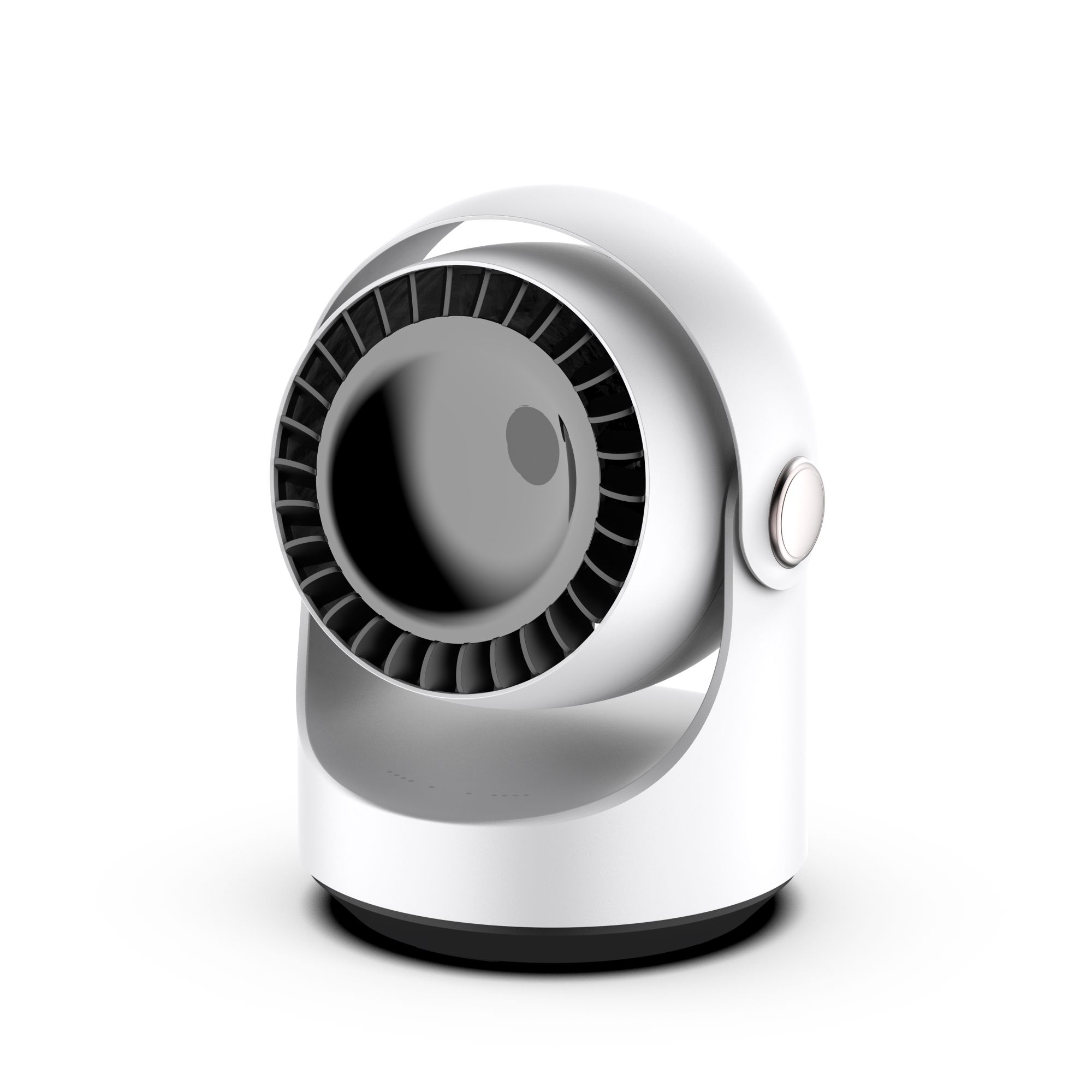
Indoor air quality has become a paramount concern for homeowners and businesses alike, driving the adoption of air purification systems across various environments. While air purifiers excel at filtering contaminants, many users discover that these devices work more effectively when paired with complementary airflow solutions. An air circulator fan represents a strategic enhancement to any indoor air quality system, creating dynamic air movement that maximizes the efficiency of purification equipment while ensuring consistent comfort throughout the space.
The synergistic relationship between air circulation and purification creates an environment where both systems operate at peak performance. Traditional ceiling fans and basic ventilation often fall short of providing the targeted airflow patterns needed to optimize purifier functionality. Modern air circulator fan technology addresses these limitations through engineered blade designs, variable speed controls, and strategic positioning capabilities that work harmoniously with existing air treatment systems.
Understanding Air Circulation Dynamics in Purified Environments
Principles of Airflow Enhancement
Effective air circulation involves more than simply moving air from one location to another. The science behind airflow enhancement focuses on creating consistent patterns that eliminate stagnant zones where pollutants can accumulate. An air circulator fan generates focused streams of air that penetrate areas typically missed by conventional ventilation systems, ensuring that contaminated air reaches purification equipment for processing.
The aerodynamic design of modern circulation devices creates what engineers call "entrainment," where moving air draws surrounding stagnant air into motion. This phenomenon multiplies the effective reach of a single air circulator fan, creating circulation patterns that extend far beyond the device's immediate vicinity. The result is a comprehensive air movement system that works continuously to eliminate dead zones and maintain consistent air quality throughout the treated space.
Interaction Between Purifiers and Circulation Systems
Air purifiers operate most effectively when they can process the maximum volume of contaminated air within their rated capacity. However, many purification systems rely on passive air intake, which limits their ability to capture pollutants from distant areas of a room. Strategic placement of an air circulator fan creates active air delivery to purifier intake zones, dramatically increasing the volume of processed air without requiring additional purification equipment.
The positioning relationship between circulation and purification equipment determines overall system effectiveness. When an air circulator fan directs airflow toward purifier intake areas, it creates a pressure differential that draws contaminated air from remote locations. This active air delivery system ensures that pollutants generated anywhere in the space eventually reach the purification equipment for processing, rather than settling in corners or accumulating in low-circulation zones.
Technical Advantages of Enhanced Air Movement
Elimination of Stagnant Air Zones
Stagnant air represents one of the greatest challenges in maintaining consistent indoor air quality. These motionless pockets become repositories for dust, allergens, and airborne contaminants that escape purification systems. An air circulator fan specifically addresses stagnation through engineered airflow patterns that penetrate even the most challenging architectural features, including corners, alcoves, and areas behind furniture or equipment.
The three-dimensional airflow created by advanced circulation technology ensures that every cubic foot of space experiences regular air movement. This comprehensive circulation prevents the stratification that occurs when heated air rises and cooler air settles, creating layers of varying air quality. By maintaining consistent mixing throughout the vertical column of a room, circulation systems ensure that purifiers can access and process air from all levels of the space.
Accelerated Contaminant Transport
Pollutant removal efficiency depends largely on how quickly contaminants reach purification equipment after being introduced into the environment. Without active circulation, airborne particles may take considerable time to drift naturally toward purifier intake areas. An air circulator fan accelerates this transport process, creating directed airflow streams that carry pollutants directly to treatment systems.
This accelerated transport becomes particularly important when dealing with intermittent pollution sources such as cooking odors, cleaning chemicals, or seasonal allergens. Rapid circulation ensures that these contaminants are captured and processed before they can disperse throughout the entire space or settle onto surfaces where they become more difficult to remove. The result is faster response times and more effective overall air quality management.
Optimization Strategies for Combined Systems
Strategic Positioning Techniques
The placement of an air circulator fan relative to purification equipment determines the effectiveness of the combined system. Optimal positioning creates airflow patterns that complement rather than compete with purifier intake systems. Generally, circulation devices should be positioned to create gentle airflow toward purifier intake areas while avoiding direct high-velocity streams that might overwhelm filtration systems.
Room geometry plays a crucial role in determining ideal positioning strategies. In rectangular spaces, diagonal placement of circulation equipment creates crossing airflow patterns that eliminate dead zones in corners. For larger areas, multiple air circulator fan units can be coordinated to create complementary circulation patterns that ensure comprehensive coverage without creating turbulent zones that reduce overall efficiency.
Speed and Direction Coordination
Variable speed control allows operators to fine-tune circulation intensity based on specific air quality conditions and purifier capacity. Lower speeds provide gentle, continuous circulation that maintains baseline air movement without overwhelming purification systems. Higher speeds can be employed during periods of elevated contamination or when rapid air quality recovery is required.
Directional control features enable operators to focus airflow where it provides maximum benefit. Oscillating functions help distribute circulation benefits across wider areas, while fixed positioning allows for targeted air delivery to specific zones or purifier intake areas. The ability to adjust both speed and direction ensures that an air circulator fan can adapt to changing conditions and requirements throughout different seasons and usage patterns.
Performance Benefits and Measurable Improvements
Enhanced Purifier Efficiency Metrics
Quantifiable performance improvements become apparent when circulation systems are properly integrated with purification equipment. Air quality monitoring typically shows reduced settling times for airborne contaminants, meaning pollutants are captured and processed more quickly after introduction. This improvement translates to lower average particle counts and more consistent air quality readings throughout the monitored space.
Energy efficiency gains also emerge from optimized airflow management. When an air circulator fan delivers contaminated air more effectively to purification equipment, the purifier can operate at lower fan speeds while maintaining the same level of air quality. This reduction in purifier workload extends filter life, reduces energy consumption, and minimizes operational noise levels while maintaining superior air treatment performance.
Comfort and Environmental Quality
Beyond air quality improvements, enhanced circulation contributes to overall environmental comfort through more consistent temperature distribution and humidity management. An air circulator fan eliminates hot and cold spots that commonly develop in spaces with limited air movement, creating more uniform conditions that reduce HVAC system workload and improve occupant comfort.
The gentle air movement created by circulation systems also provides physiological comfort benefits similar to natural breezes. This perceived cooling effect allows for slightly higher thermostat settings during warm weather without sacrificing comfort, contributing to energy savings and reduced environmental impact. The combination of improved air quality and enhanced comfort creates an environment that supports both health and productivity.
Application Considerations for Different Environments
Residential Implementation Strategies
Home environments present unique challenges for air circulation and purification integration. Furniture arrangements, varying ceiling heights, and architectural features influence optimal positioning strategies for both circulation and purification equipment. An air circulator fan designed for residential use must balance performance requirements with aesthetic considerations and noise limitations that ensure peaceful living conditions.
Different rooms require customized approaches based on their specific functions and contamination sources. Kitchens benefit from circulation systems that quickly transport cooking odors and particulates to purification equipment, while bedrooms require quieter operation during sleeping hours. Living areas may need variable circulation patterns to accommodate changing occupancy and activities throughout the day.
Commercial and Office Applications
Larger commercial spaces amplify both the challenges and benefits of integrated air circulation and purification systems. Open office environments, conference rooms, and retail spaces each present distinct requirements for air movement patterns and purification capacity. An air circulator fan in commercial applications must provide sufficient airflow to serve larger volumes while maintaining acceptable noise levels for productive work environments.
The scale of commercial installations often requires multiple circulation units working in coordination to achieve comprehensive coverage. Centralized control systems can synchronize operation across multiple air circulator fan units, creating coordinated airflow patterns that maximize purification efficiency while minimizing energy consumption. This systematic approach ensures consistent air quality throughout large spaces while providing the flexibility to adjust circulation patterns based on occupancy and activity levels.
FAQ
How does an air circulator fan differ from a regular ceiling fan in terms of air purification support
An air circulator fan is specifically engineered to create focused, directional airflow patterns that complement air purification systems, while regular ceiling fans primarily provide comfort cooling through broad, diffused air movement. The blade design, motor characteristics, and control features of circulation devices are optimized for moving contaminated air toward purification equipment rather than simply creating a cooling breeze. This targeted airflow approach ensures that pollutants reach filtration systems more efficiently, resulting in better overall air quality management.
What is the optimal distance between an air circulator fan and an air purifier for maximum effectiveness
The ideal distance depends on room size, purifier intake design, and air circulator fan specifications, but generally ranges from 6 to 12 feet for most residential applications. Positioning the circulation device too close can create turbulence that interferes with purifier intake efficiency, while placing it too far reduces the directed airflow benefit. The goal is to create gentle, consistent air movement toward the purifier intake area without overwhelming the filtration system's designed airflow patterns.
Can using an air circulator fan with a purifier help reduce energy costs
Yes, strategic use of circulation equipment can significantly reduce overall energy consumption by improving purifier efficiency and reducing HVAC workload. When an air circulator fan delivers contaminated air more effectively to purification equipment, the purifier can operate at lower speeds while maintaining superior air quality, reducing energy consumption and extending filter life. Additionally, improved air circulation eliminates temperature stratification, allowing HVAC systems to maintain comfort more efficiently throughout the conditioned space.
How do I know if my room needs additional air circulation to support my existing air purifier
Signs that indicate inadequate circulation include persistent odors or pollutants in areas distant from the purifier, visible dust accumulation in corners or behind furniture, and inconsistent air quality readings when measured in different locations throughout the room. If your air purifier seems to struggle with contamination sources located more than 10 feet away, or if certain areas of the room never seem to achieve the same air quality as zones near the purifier, adding an air circulator fan can provide significant improvement in overall system performance.