
 EN
EN
 AR
AR
 NL
NL
 FR
FR
 DE
DE
 EL
EL
 HI
HI
 IT
IT
 JA
JA
 KO
KO
 PL
PL
 PT
PT
 ES
ES
 ID
ID
 VI
VI
 TH
TH
 TR
TR
 MS
MS

Which Air Purifier Works Best for Pet Owners in Small Apartments?
Living in a small apartment with pets presents unique challenges for maintaining clean indoor air quality. Pet dander, hair, and odors can quickly accumulate in confined spaces, making it essential to find an effective air purifier for pets that addresses these specific concerns. Modern pet owners increasingly recognize that standard air fresheners and basic ventilation are insufficient for managing the complex mix of allergens and particles that beloved furry companions introduce into compact living environments.
Small apartment dwellers face amplified air quality issues because limited square footage means contaminants become concentrated more rapidly. Pet allergens such as Fel d 1 from cats and Can f 1 from dogs circulate continuously in restricted airspace, affecting both pet owners and visitors who may have sensitivities. Additionally, cooking odors, litter box smells, and general pet-related scents linger longer in compact spaces without adequate air circulation systems.
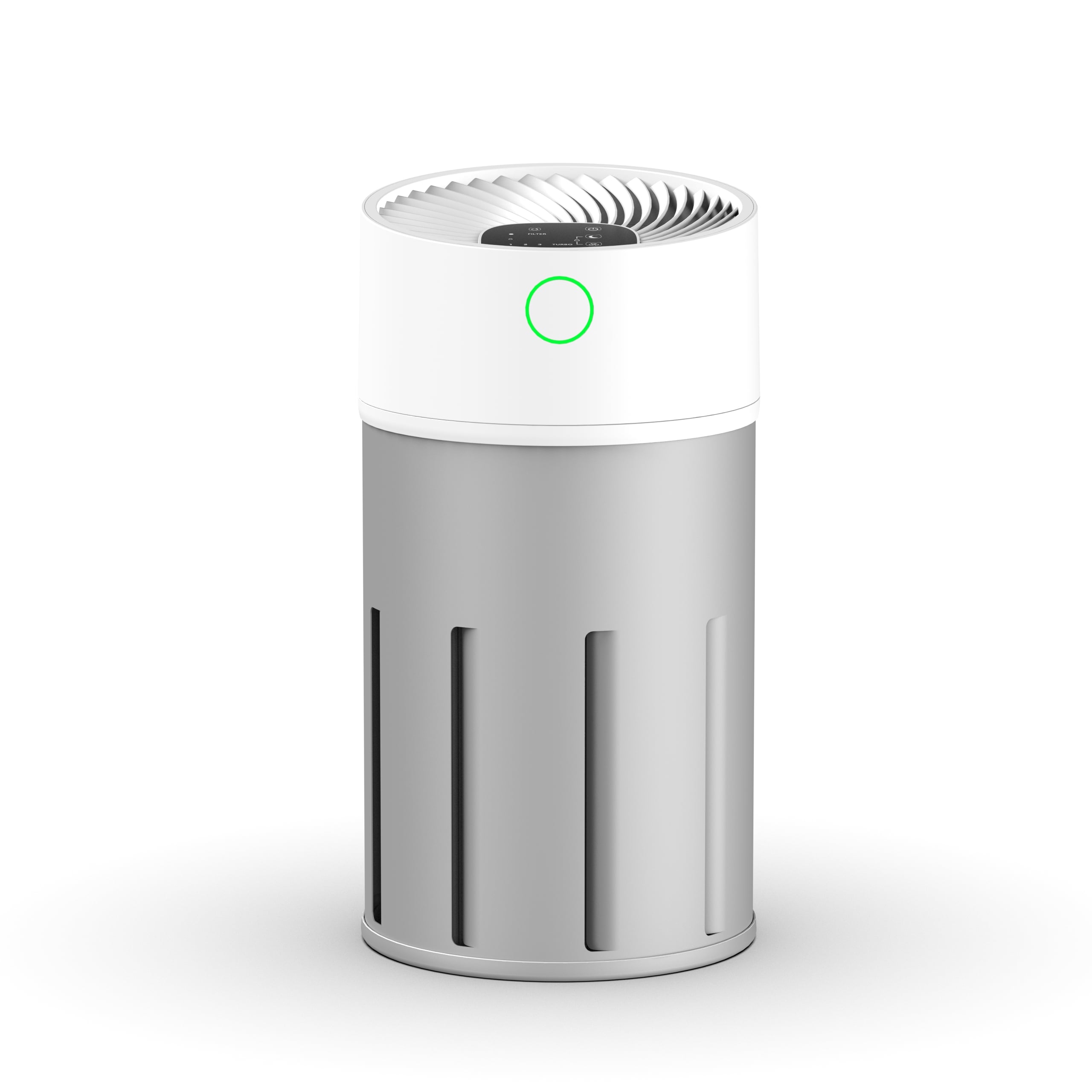
The key to selecting the right air purifier for pets lies in understanding the specific filtration requirements needed to address microscopic dander particles, larger hair strands, and gaseous odor compounds. Unlike general-purpose air cleaners, pet-focused units must combine mechanical filtration with activated carbon technology to tackle both particulate and molecular-level contamination effectively.
Essential Filtration Technologies for Pet-Related Air Quality
HEPA Filtration Standards and Pet Allergen Capture
High-Efficiency Particulate Air filtration represents the gold standard for removing pet dander and microscopic allergens from indoor environments. True HEPA filters capture 99.97% of particles measuring 0.3 microns or larger, which encompasses the vast majority of pet allergens that trigger respiratory reactions in sensitive individuals. When evaluating an air purifier for pets, verification of genuine HEPA certification ensures optimal performance against airborne pet-related contaminants.
Pet dander particles typically range from 2.5 to 10 microns in diameter, making them easily captured by properly functioning HEPA filtration systems. However, smaller fragments and protein molecules can break down further, creating submicron particles that require the most efficient filtration technology available. Professional-grade air purifier for pets models incorporate sealed filtration chambers that prevent bypass airflow, ensuring all processed air passes through the HEPA medium.
The frequency of filter replacement becomes crucial for maintaining peak efficiency in pet households. Pet hair and dander accumulation can clog HEPA filters more rapidly than typical household dust, potentially reducing airflow and filtration effectiveness. Quality air purifier for pets systems include filter replacement indicators and easily accessible filter compartments to encourage regular maintenance.
Activated Carbon Technology for Odor Elimination
While HEPA filtration excels at capturing solid particles, gaseous odor molecules require a different approach entirely. Activated carbon filters utilize millions of microscopic pores to adsorb volatile organic compounds, ammonia from litter boxes, and other odor-causing molecules that contribute to pet-related indoor air quality issues. The most effective air purifier for pets designs incorporate substantial amounts of high-quality activated carbon material.
Granular activated carbon typically outperforms carbon cloth or foam alternatives due to increased surface area and longer contact time between contaminated air and adsorption sites. Some advanced air purifier for pets models feature separate carbon filter compartments that can be replaced independently of HEPA filters, allowing users to customize maintenance schedules based on specific odor challenges in their living environment.
The saturation point of activated carbon varies significantly based on humidity levels, temperature, and contamination concentration. In small apartments with multiple pets, carbon filters may require more frequent replacement than manufacturer recommendations suggest, making modular filter designs particularly valuable for maintaining consistent odor control performance.
Room Size Calculations and Air Changes Per Hour
Determining Appropriate Coverage Area Requirements
Selecting an appropriately sized air purifier for pets requires careful consideration of actual room dimensions rather than relying solely on manufacturer square footage claims. Most air purifier specifications assume standard 8-foot ceiling heights and minimal air quality challenges, conditions that rarely match the reality of pet-owning households in compact apartments.
Professional air quality specialists recommend calculating room volume in cubic feet and selecting an air purifier for pets capable of processing that volume at least 5 times per hour for optimal allergen reduction. This calculation method accounts for three-dimensional air circulation patterns and ensures adequate processing capacity during peak contamination periods, such as after pets have been playing or during shedding seasons.
Small apartments often feature open floor plans that create larger effective coverage areas than individual room measurements might suggest. Kitchen cooking odors, pet activity in multiple areas, and cross-circulation between rooms mean that a centrally located air purifier for pets must handle contamination sources from various directions simultaneously.
Airflow Distribution and Circulation Patterns
Effective air purifier for pets placement requires understanding natural air circulation patterns within confined spaces. Heat sources, windows, doors, and HVAC vents create complex airflow dynamics that can either enhance or hinder purification effectiveness depending on unit positioning and design characteristics.
Multi-directional intake designs allow air purifier for pets units to capture contaminated air from various angles, improving overall coverage in irregularly shaped or furniture-dense small apartments. Some models feature adjustable output vents that can be directed toward problem areas such as pet sleeping areas or litter box locations for targeted contamination control.
Noise considerations become particularly important in small apartments where air purifier for pets operation may affect sleep quality or daily activities. Variable speed controls and quiet operation modes allow users to balance air cleaning performance with acoustic comfort, especially during nighttime hours when pets and owners are resting in close proximity.
Advanced Features for Enhanced Pet Air Quality Management
Smart Sensors and Automatic Operation Modes
Modern air purifier for pets incorporates sophisticated sensor technology that automatically adjusts operation based on real-time air quality measurements. Particle counters, volatile organic compound sensors, and odor detection systems work together to provide responsive contamination control without requiring constant manual adjustment from pet owners.
Pet activity patterns often create predictable air quality challenges throughout the day, making programmable timer functions particularly valuable for small apartment dwellers. Automatic operation scheduling can increase purification intensity during peak pet activity periods while reducing energy consumption and noise levels during quieter times.
Some advanced air purifier for pets models include mobile app connectivity that allows remote monitoring and control from anywhere within the apartment or even while away from home. This technology enables pet owners to respond quickly to air quality changes and maintain optimal indoor environments regardless of their physical presence.
UV-C Sterilization and Additional Sanitization Technologies
Beyond mechanical and chemical filtration, some air purifier for pets systems incorporate ultraviolet-C sterilization technology to eliminate bacteria, viruses, and mold spores that may accompany pet-related moisture and organic matter. UV-C chambers positioned after primary filtration stages ensure that captured contaminants cannot reproduce or release secondary pollutants back into cleaned air streams.
Photocatalytic oxidation represents another advanced technology found in premium air purifier for pets models, using titanium dioxide catalysts activated by UV light to break down complex organic molecules at the molecular level. This process can eliminate persistent odors that might otherwise saturate activated carbon filters in high-contamination environments.
Ion generation features, while controversial in some applications, can provide additional particle aggregation benefits that improve overall air purifier for pets performance. Negative ions cause small particles to clump together, making them easier for mechanical filters to capture while potentially reducing airborne allergen concentrations more rapidly than filtration alone.
Maintenance Requirements and Long-Term Cost Considerations
Filter Replacement Schedules and Associated Expenses
Operating an air purifier for pets effectively requires understanding the true cost of ownership beyond the initial purchase price. Filter replacement expenses can accumulate significantly over time, particularly in households with multiple pets or severe indoor air quality challenges that accelerate filter saturation rates.
HEPA filter replacement typically occurs every 12 to 18 months under normal residential conditions, but pet households may require more frequent changes depending on shedding levels and overall air quality demands. High-quality air purifier for pets models include filter life indicators that monitor actual usage conditions rather than relying on arbitrary time-based recommendations.
Activated carbon filter longevity varies dramatically based on odor load and environmental conditions, with pet households often requiring replacement every 6 to 12 months for optimal performance. Some air purifier for pets designs allow carbon filter refilling or partial replacement, reducing long-term operating costs while maintaining effective odor control capabilities.
Energy Efficiency and Operational Impact
Continuous operation represents the most effective approach for maintaining consistent air quality in pet-owning households, making energy efficiency a critical consideration for small apartment dwellers concerned about utility costs. Energy Star certified air purifier for pets models typically consume 50 to 100 watts during normal operation, comparable to a standard light bulb.
Variable speed motor technology allows air purifier for pets systems to adjust power consumption based on actual air quality needs, reducing energy usage during periods of minimal contamination while maintaining responsiveness to sudden changes in particle or odor levels.
Some manufacturers offer eco-friendly operating modes that balance energy conservation with air cleaning effectiveness, automatically reducing fan speeds during extended operation periods while maintaining adequate air circulation for ongoing contamination control.
FAQ
How often should I run my air purifier for pets in a small apartment
Continuous operation provides the best results for pet owners in small apartments, as pet dander and odors accumulate constantly throughout the day. Running your air purifier for pets 24/7 ensures consistent air quality and prevents contamination buildup that can overwhelm the filtration system. Most modern units are designed for continuous operation with minimal energy consumption and quiet operation modes for nighttime use.
What room size air purifier for pets do I need for a 500 square foot apartment
For a 500 square foot apartment with pets, select an air purifier for pets rated for at least 750 square feet to ensure adequate air changes per hour. This oversizing compensates for the additional contamination load from pet dander, hair, and odors while providing faster air cleaning during peak activity periods. Consider the ceiling height and open floor plan design when making your final selection.
Can an air purifier for pets eliminate all pet allergens from my apartment
While a high-quality air purifier for pets can significantly reduce airborne pet allergens, complete elimination is not realistic since pets continuously produce dander and proteins. However, proper air purification combined with regular cleaning can reduce allergen levels by 80-95%, providing substantial relief for sensitive individuals. The key is selecting a unit with true HEPA filtration and maintaining consistent operation.
Do I need special filters for pet odors in my air purifier
Yes, effective pet odor control requires activated carbon filtration in addition to standard HEPA filters. Look for an air purifier for pets that includes substantial amounts of granular activated carbon rather than thin carbon cloth filters. Some units offer specialized odor-control filters designed specifically for pet households, which may include additional odor-neutralizing compounds beyond standard activated carbon.