
 EN
EN
 AR
AR
 NL
NL
 FR
FR
 DE
DE
 EL
EL
 HI
HI
 IT
IT
 JA
JA
 KO
KO
 PL
PL
 PT
PT
 ES
ES
 ID
ID
 VI
VI
 TH
TH
 TR
TR
 MS
MS

What Features Should You Look for in a Home Air Purifier?
Indoor air quality has become a significant concern for homeowners worldwide, with pollutants ranging from dust and allergens to volatile organic compounds threatening the health and comfort of families. A high-quality home air purifier can transform your living environment by removing harmful particles and creating cleaner, fresher air for you and your loved ones. With numerous models available in the market, understanding the essential features that make an effective air purification system is crucial for making an informed purchasing decision.
Advanced Filtration Technology
HEPA Filter Efficiency Standards
True HEPA filtration represents the gold standard in air purification technology, capable of capturing 99.97% of particles as small as 0.3 microns. This level of efficiency ensures that common household allergens, including dust mites, pollen, pet dander, and fine particulate matter, are effectively removed from your indoor environment. When evaluating a home air purifier, verify that it utilizes genuine HEPA filters rather than HEPA-type alternatives, which may not meet the same stringent performance standards.
Medical-grade HEPA filters provide additional benefits for individuals with respiratory sensitivities or allergies, offering superior particle retention and longer operational life. The construction quality of these filters directly impacts their effectiveness, with pleated designs maximizing surface area for optimal airflow and filtration capacity. Regular replacement schedules ensure consistent performance, typically requiring filter changes every six to twelve months depending on usage and environmental conditions.
Multi-Stage Filtration Systems
Comprehensive air purification requires multiple filtration stages to address various types of contaminants effectively. Pre-filters capture larger particles like hair and lint, extending the life of primary HEPA filters while maintaining optimal airflow. Activated carbon layers target odors, chemical vapors, and volatile organic compounds that traditional particle filters cannot address, making them essential for homes with cooking odors, pet smells, or chemical sensitivities.
Some advanced systems incorporate additional specialized filters, such as antimicrobial treatments or photocatalytic oxidation layers, which break down bacteria, viruses, and molecular-level pollutants. The arrangement and quality of these filtration stages determine the overall effectiveness of the air purification system, with well-designed units optimizing airflow patterns to ensure maximum contact time between air and filtration media.
Smart Sensor Technology and Air Quality Monitoring
Real-Time Air Quality Detection
Modern air purifiers feature sophisticated sensor arrays that continuously monitor indoor air quality, detecting various pollutants including PM2.5, PM10, volatile organic compounds, and other harmful particles. These sensors provide real-time feedback about your indoor environment, allowing the system to automatically adjust its operation based on current air quality conditions. Visual displays or mobile app connectivity keeps homeowners informed about their air quality status and system performance.
Advanced sensor technology enables precise detection of pollutant spikes, such as those caused by cooking, cleaning activities, or outdoor pollution infiltration. This responsiveness ensures that your home air purifier operates at optimal efficiency when needed most, conserving energy during periods of good air quality while ramping up performance during high-pollution events.
Automated Operation and Smart Controls
Intelligent automation features eliminate the guesswork from air purification, with systems that learn your household patterns and adjust operation accordingly. Smart scheduling allows for customized operation during specific hours, ensuring clean air when you're home while minimizing energy consumption during unoccupied periods. Voice control integration and smartphone connectivity provide convenient remote operation and monitoring capabilities.
Machine learning algorithms in premium models analyze historical air quality data to predict pollution patterns and proactively adjust filtration intensity. These systems can integrate with smart home ecosystems, coordinating with HVAC systems, humidity controls, and other environmental management devices to create optimal indoor conditions automatically.
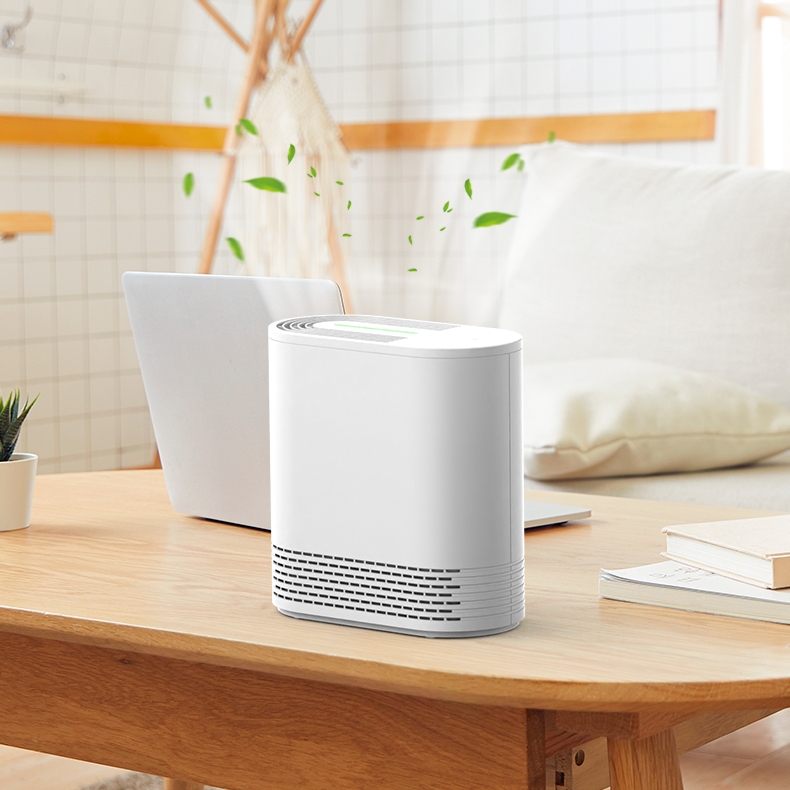
Coverage Area and Airflow Performance
Room Size Compatibility
Proper sizing ensures that your air purification system can effectively clean the intended space within reasonable timeframes. Manufacturers typically rate units based on recommended room sizes, but understanding the underlying airflow metrics provides better guidance for selection. Clean Air Delivery Rate (CADR) measurements indicate the volume of clean air produced per minute, with separate ratings for dust, pollen, and smoke particles.
Calculate your room's cubic footage and compare it to the purifier's capacity to ensure adequate coverage. Open-concept homes may require multiple units or higher-capacity systems to maintain consistent air quality throughout connected spaces. Consider ceiling height, as taller rooms require more powerful systems to achieve complete air circulation and filtration.
Air Circulation Patterns
Effective air purification depends on proper circulation patterns that draw contaminated air through the filtration system while distributing clean air throughout the room. Top-mounted air outlets create vertical circulation patterns that help mix room air more effectively than horizontal discharge designs. Some units feature oscillating outlets or multiple air discharge points to improve coverage in larger spaces.
Placement considerations significantly impact circulation effectiveness, with central locations typically providing better coverage than corner installations. Units designed for wall mounting or ceiling installation can optimize airflow patterns in rooms with limited floor space, while maintaining effective filtration performance for the intended coverage area.
Energy Efficiency and Operating Costs
Power Consumption Optimization
Energy-efficient operation reduces long-term operating costs while maintaining effective air purification performance. ENERGY STAR certified models meet strict efficiency guidelines, consuming significantly less electricity than standard units while providing comparable or superior cleaning performance. Variable-speed motors and intelligent fan controls adjust power consumption based on air quality demands, minimizing energy waste during low-pollution periods.
DC motor technology offers superior efficiency compared to traditional AC motors, providing quieter operation with reduced power consumption. These motors maintain consistent performance across various speed settings, allowing for precise airflow control that matches current air quality conditions while optimizing energy usage throughout the day.
Filter Replacement Economics
Long-term ownership costs include filter replacement expenses, which can vary significantly between different home air purifier models. Washable pre-filters and extended-life HEPA filters reduce replacement frequency and associated costs. Some systems feature filter life indicators that monitor actual usage conditions rather than simple time-based estimates, maximizing filter utilization while ensuring optimal performance.
Consider the availability and cost of replacement filters when selecting a system, as proprietary designs may result in higher long-term expenses. Generic filter compatibility can reduce costs, but ensure that alternative filters meet the same performance standards as original equipment to maintain air purification effectiveness.
Noise Control and User Experience
Quiet Operation Technology
Sound levels significantly impact user satisfaction, particularly for bedroom or study room installations. Advanced acoustic engineering reduces operational noise through improved fan blade designs, motor isolation, and cabinet sound dampening. Multiple speed settings allow users to balance cleaning performance with noise levels based on current needs and preferences.
Sleep modes provide ultra-quiet operation for nighttime use, often incorporating dimmed displays and reduced fan speeds while maintaining basic air filtration. Noise ratings measured in decibels help compare different models, with levels below 35 dB considered whisper-quiet for most residential applications.
Maintenance and User Interface
Intuitive controls and clear displays enhance the user experience while simplifying routine maintenance tasks. Touch-screen interfaces provide easy access to settings and air quality information, while simple button layouts suit users who prefer traditional controls. Filter replacement indicators eliminate guesswork about maintenance timing, ensuring optimal performance and preventing system damage from overused filters.
Tool-free filter access simplifies maintenance procedures, encouraging regular upkeep that maintains system effectiveness. Clear marking of filter orientations and installation procedures reduces the likelihood of incorrect installation, which can compromise filtration performance or damage the unit.
Additional Features and Customization Options
Air Quality Enhancement Functions
Beyond basic filtration, some home air purifier models incorporate additional air treatment technologies such as ionization, UV-C sterilization, or ozone generation. These features target specific contaminants like bacteria, viruses, and odor-causing compounds that traditional filtration alone may not eliminate completely. However, evaluate these technologies carefully, as some may produce byproducts or require specific safety considerations.
Humidification integration addresses dry air conditions that can exacerbate respiratory issues and static electricity problems. Combined systems provide space-saving solutions for comprehensive indoor air management, though they may require more frequent maintenance than standalone units.
Connectivity and Integration Features
Wi-Fi connectivity enables remote monitoring and control through smartphone applications, allowing users to adjust settings and monitor air quality from anywhere. Integration with home automation systems provides seamless coordination with other environmental controls, creating comprehensive indoor climate management solutions.
Data logging capabilities track air quality trends over time, helping users identify pollution sources and optimize system operation. Some advanced models provide detailed analytics about filter performance, energy consumption, and air quality improvements, supporting informed decisions about home air management strategies.
FAQ
How often should I replace filters in my home air purifier?
Filter replacement frequency depends on usage conditions, air quality, and filter type. HEPA filters typically require replacement every 6-12 months, while pre-filters may need monthly cleaning or replacement. Monitor filter condition indicators and visual inspection to determine optimal replacement timing. Heavy usage or high-pollution environments may necessitate more frequent changes to maintain effectiveness.
Can an air purifier help with pet allergies and odors?
Yes, quality air purifiers effectively reduce pet-related allergens and odors through multi-stage filtration. HEPA filters capture pet dander and hair, while activated carbon layers absorb odor-causing compounds. Choose units with adequate room coverage and consider higher-capacity models for multiple pets or severe sensitivities. Regular grooming and cleaning complement air purification for optimal results.
What room size requires the most powerful air purification system?
Large open-concept spaces, master bedrooms, and areas with high pollution sources benefit from more powerful systems. Calculate total cubic footage including ceiling height, and select units rated for spaces 20-30% larger than your actual room size for optimal performance. Consider multiple smaller units for very large areas or complex layouts that may impede air circulation.
Do air purifiers consume significant amounts of electricity?
Modern energy-efficient air purifiers consume relatively modest amounts of electricity, typically ranging from 30-200 watts depending on size and speed settings. ENERGY STAR certified models optimize power consumption while maintaining effective filtration. Running costs usually amount to a few dollars per month, making them cost-effective investments in indoor air quality improvement.