
 EN
EN
 AR
AR
 NL
NL
 FR
FR
 DE
DE
 EL
EL
 HI
HI
 IT
IT
 JA
JA
 KO
KO
 PL
PL
 PT
PT
 ES
ES
 ID
ID
 VI
VI
 TH
TH
 TR
TR
 MS
MS

Why Should Every Home Consider a Humidifier for Dry Seasons?
When winter arrives and heating systems kick into high gear, indoor air quality becomes a significant concern for homeowners across the globe. The drop in humidity levels during dry seasons can create an uncomfortable living environment that affects both health and comfort. A household ultrasonic humidifier offers an effective solution to combat the challenges posed by excessively dry indoor air, providing relief from various symptoms while protecting your home's interior elements.
During dry seasons, indoor humidity levels often plummet below the recommended 30-50% range, sometimes dropping as low as 10-20%. This dramatic decrease in moisture content creates an environment that can negatively impact respiratory health, skin condition, and overall comfort. Understanding the importance of maintaining proper humidity levels is crucial for creating a healthy indoor environment that supports your family's well-being throughout the challenging winter months.
Understanding the Impact of Low Humidity on Health
Respiratory System Effects
Low humidity levels can significantly compromise your respiratory system's natural defense mechanisms. When the air lacks adequate moisture, your nasal passages and throat become dry and irritated, making them less effective at filtering out airborne particles and pathogens. This increased vulnerability can lead to more frequent respiratory infections, persistent coughs, and aggravated asthma symptoms. The dry air also causes mucous membranes to lose their protective moisture barrier, creating an environment where viruses and bacteria can more easily penetrate your body's first line of defense.
Medical professionals consistently recommend maintaining indoor humidity between 40-60% to support optimal respiratory function. When humidity drops below this range, the natural moisture in your airways evaporates more rapidly, leading to inflammation and discomfort. Children and elderly individuals are particularly susceptible to these effects, as their respiratory systems may be more sensitive to environmental changes.
Skin and Eye Irritation
Dry indoor air wreaks havoc on exposed skin surfaces, causing increased water loss through evaporation and leading to uncomfortable symptoms such as itching, flaking, and cracking. The delicate skin around your eyes becomes particularly vulnerable, often resulting in redness, irritation, and a persistent feeling of dryness. These symptoms can be especially problematic for individuals who already suffer from skin conditions like eczema or dermatitis, as low humidity can trigger severe flare-ups.
The impact extends beyond mere discomfort, as severely dry skin can develop painful cracks that become entry points for bacteria and other harmful microorganisms. Regular use of a household ultrasonic humidifier helps maintain the natural moisture barrier of your skin, preventing these complications and promoting healthier, more comfortable skin conditions throughout the dry season.
Technology Behind Ultrasonic Humidification
How Ultrasonic Technology Works
Ultrasonic humidifiers utilize high-frequency vibrations to break water molecules into extremely fine particles, creating a cool mist that disperses evenly throughout your living space. This advanced technology operates through a small metal diaphragm that vibrates at frequencies above human hearing range, typically around 1.7 million times per second. The rapid vibrations create microscopic water droplets that are immediately released into the air as a visible mist, providing instant humidity relief without the need for heating elements or fans.
The precision of ultrasonic technology allows for consistent mist production while maintaining energy efficiency. Unlike traditional evaporative humidifiers that rely on fans and wicks, ultrasonic models operate silently and consume significantly less electricity. This makes them ideal for bedroom use, nurseries, and other quiet spaces where noise levels must be kept to a minimum while still providing effective humidity control.
Advantages Over Traditional Humidification Methods
When compared to steam-based or evaporative humidifiers, ultrasonic models offer several distinct advantages that make them particularly suitable for residential use. The absence of heating elements eliminates safety concerns related to hot water or steam, making these devices safer around children and pets. Additionally, the cool mist production helps prevent over-humidification in localized areas, reducing the risk of condensation buildup on windows and walls.
The maintenance requirements for ultrasonic humidifiers are generally less demanding than traditional alternatives. Without heating elements to clean or wicks to replace, the primary maintenance involves regular water tank cleaning and occasional descaling. This simplified maintenance routine makes household ultrasonic humidifier models more appealing to busy homeowners who want effective humidity control without extensive upkeep requirements.
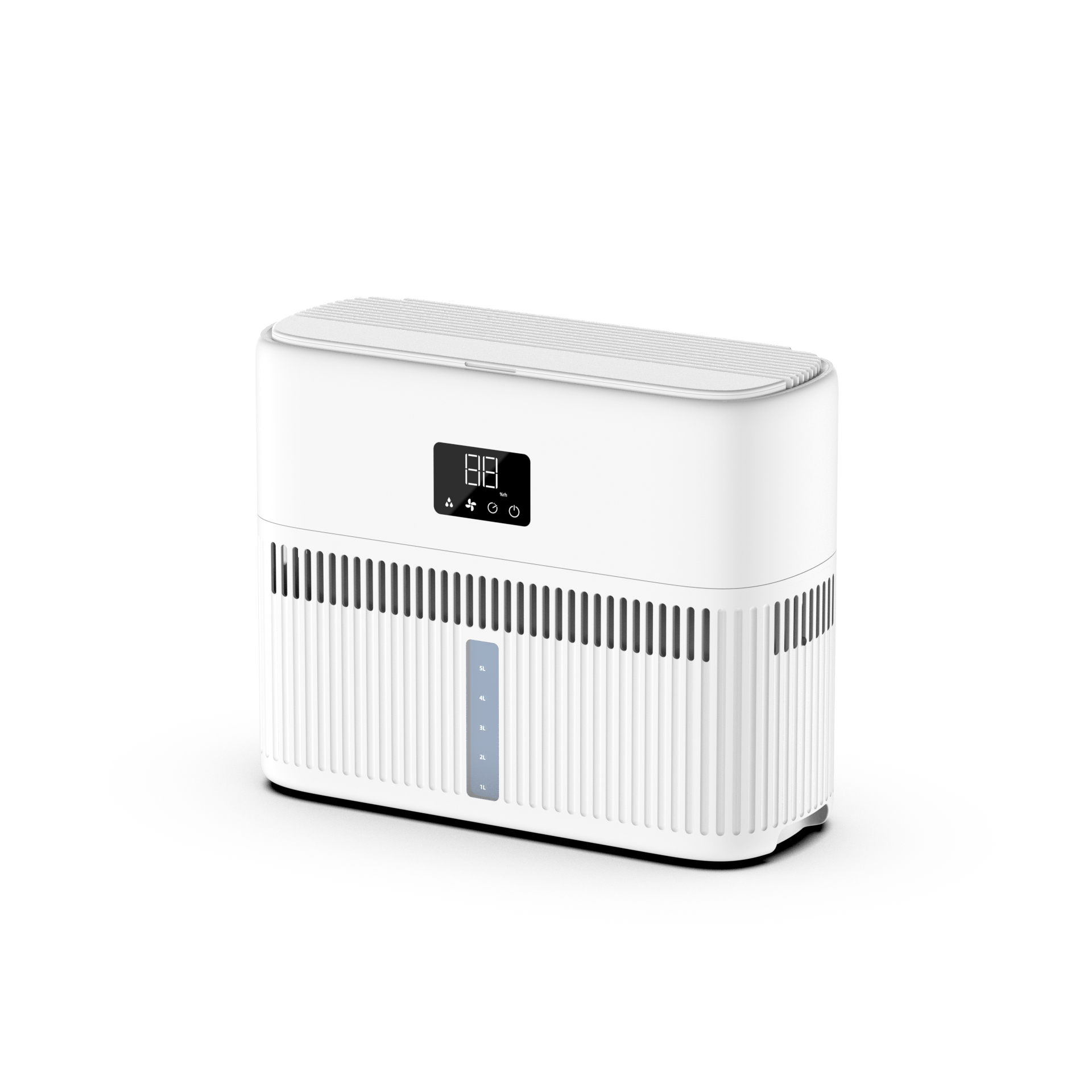
Selecting the Right Humidifier for Your Home
Room Size and Coverage Considerations
Determining the appropriate humidifier capacity for your specific living space requires careful consideration of room dimensions, ceiling height, and air circulation patterns. Most household ultrasonic humidifier models are rated for specific square footage coverage, typically ranging from small desktop units suitable for bedrooms to larger models capable of humidifying entire floors or open-concept living areas. Proper sizing ensures optimal performance while preventing energy waste and over-humidification issues.
Factor in architectural features such as open doorways, high ceilings, and connecting spaces when calculating your coverage needs. A humidifier that's too small for your space will struggle to maintain adequate humidity levels, while an oversized unit may create excessive moisture that leads to condensation problems. Professional recommendations suggest choosing a model with slightly higher capacity than your calculated needs to accommodate varying seasonal conditions and usage patterns.
Essential Features and Specifications
Modern household ultrasonic humidifier units offer various features designed to enhance convenience, efficiency, and user experience. Look for models with adjustable mist output controls that allow you to customize humidity levels based on current conditions and personal preferences. Built-in hygrometers provide real-time humidity monitoring, enabling you to maintain optimal levels without guesswork or external measuring devices.
Water tank capacity directly impacts runtime and refilling frequency, making it an important consideration for busy households. Larger tanks typically provide 12-24 hours of continuous operation, while smaller units may require daily refilling. Additional features such as automatic shut-off when water levels are low, LED indicators, and timer functions enhance safety and convenience while providing greater control over your indoor environment.
Installation and Placement Strategies
Optimal Positioning Guidelines
Proper placement of your household ultrasonic humidifier significantly impacts its effectiveness and prevents potential moisture-related issues throughout your home. Position the unit on a flat, elevated surface at least two feet away from walls, furniture, and electronic devices to ensure adequate air circulation around the mist output. Avoid placing humidifiers near heat sources such as radiators, fireplaces, or heating vents, as these can interfere with proper operation and reduce overall efficiency.
Consider the natural air flow patterns in your room when selecting a location for your humidifier. Areas with gentle air circulation help distribute the mist more evenly, while avoiding direct drafts that might blow the moisture away before it can effectively increase room humidity. Central positioning within the target area typically provides the best coverage, though specific room layouts may require adjustments to accommodate furniture placement and daily activities.
Safety and Maintenance Considerations
Establishing a regular maintenance routine ensures your humidifier continues operating safely and effectively throughout the dry season. Daily tasks include checking water levels, refilling the tank with distilled or demineralized water when necessary, and wiping down exterior surfaces to prevent dust accumulation. Weekly maintenance should involve emptying and thoroughly cleaning the water tank with mild soap and warm water to prevent bacterial growth and mineral buildup.
Monitor humidity levels regularly using the unit's built-in hygrometer or a separate humidity meter to maintain optimal conditions without over-humidification. Excessive moisture can promote mold growth, damage wooden furniture, and create condensation problems on windows and walls. Most household ultrasonic humidifier models include automatic shut-off features that activate when water levels become too low, preventing damage to internal components and ensuring safe operation even when unattended.
Long-term Benefits and Cost Considerations
Health and Comfort Improvements
The long-term health benefits of maintaining proper indoor humidity extend far beyond immediate comfort improvements, potentially reducing healthcare costs and improving quality of life for all household members. Proper humidity levels support immune system function by maintaining the integrity of respiratory tract defenses, potentially reducing the frequency and severity of winter illnesses. Families often report fewer instances of dry cough, sore throat, and sinus congestion when using humidifiers consistently throughout dry seasons.
Enhanced sleep quality represents another significant benefit of proper humidity control. Dry air can cause nighttime nasal congestion and throat irritation that disrupts sleep patterns, leading to daytime fatigue and reduced productivity. By maintaining comfortable humidity levels, household ultrasonic humidifier systems help promote more restful sleep, contributing to better overall health and well-being for the entire family.
Property Protection and Energy Efficiency
Beyond health benefits, proper humidity control helps protect valuable home furnishings and structural elements from damage caused by excessive dryness. Wooden furniture, floors, and musical instruments are particularly susceptible to cracking, warping, and other moisture-related damage when humidity levels drop too low. Maintaining adequate moisture levels helps preserve these investments while reducing the need for costly repairs or replacements.
Interestingly, proper humidity can also contribute to energy efficiency by making lower temperatures feel more comfortable. Moist air holds heat more effectively than dry air, allowing you to maintain comfortable conditions while potentially reducing heating costs. This thermal comfort improvement can result in measurable energy savings over the course of an entire heating season, helping offset the modest electricity consumption of your humidification system.
FAQ
How often should I clean my household ultrasonic humidifier
Clean your humidifier every three days during regular use to prevent bacterial growth and mineral buildup. Empty the tank completely, wash it with mild soap and warm water, and allow it to dry before refilling. Weekly deep cleaning with a vinegar solution helps remove mineral deposits and ensures optimal performance throughout the dry season.
What type of water should I use in my ultrasonic humidifier
Distilled or demineralized water is recommended for ultrasonic humidifiers to prevent white dust formation and mineral buildup inside the unit. Tap water contains minerals that can be dispersed into the air as fine particles, potentially coating surfaces and aggravating respiratory sensitivities. Using purified water extends the life of your humidifier and maintains cleaner air quality.
Can I run my humidifier continuously during dry seasons
Yes, most modern household ultrasonic humidifier models are designed for continuous operation with proper maintenance and monitoring. However, monitor humidity levels regularly to avoid over-humidification, which can occur if outdoor conditions change or if the unit is oversized for your space. Maintain humidity between 40-50% for optimal comfort and health benefits.
How do I know if my home needs a humidifier
Signs that your home would benefit from a humidifier include persistent dry skin, frequent static electricity, cracking wooden furniture, and increased respiratory irritation during winter months. You can measure indoor humidity using a hygrometer; levels consistently below 30% indicate the need for humidification to improve comfort and protect both health and home furnishings.