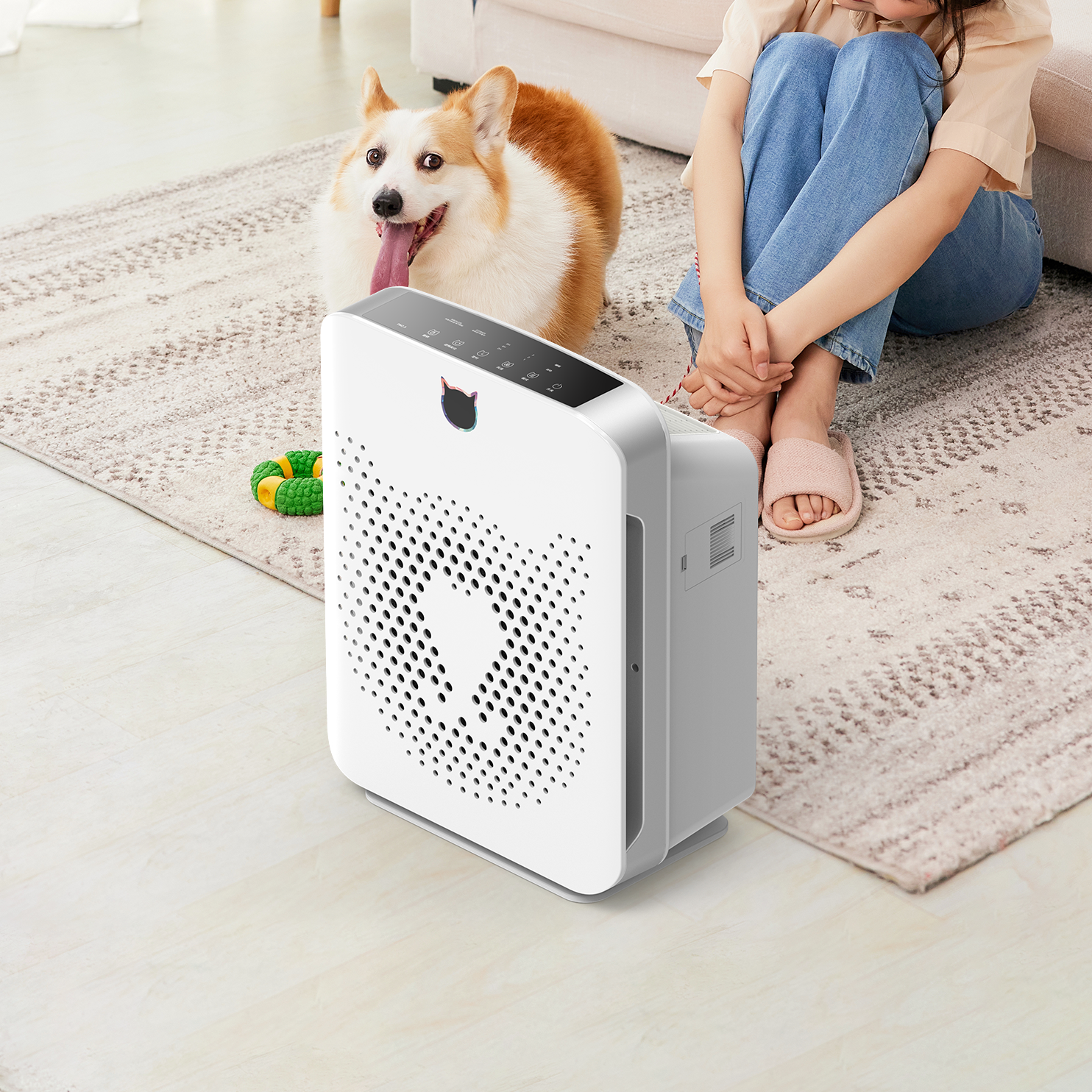
air cleaner for smoking room
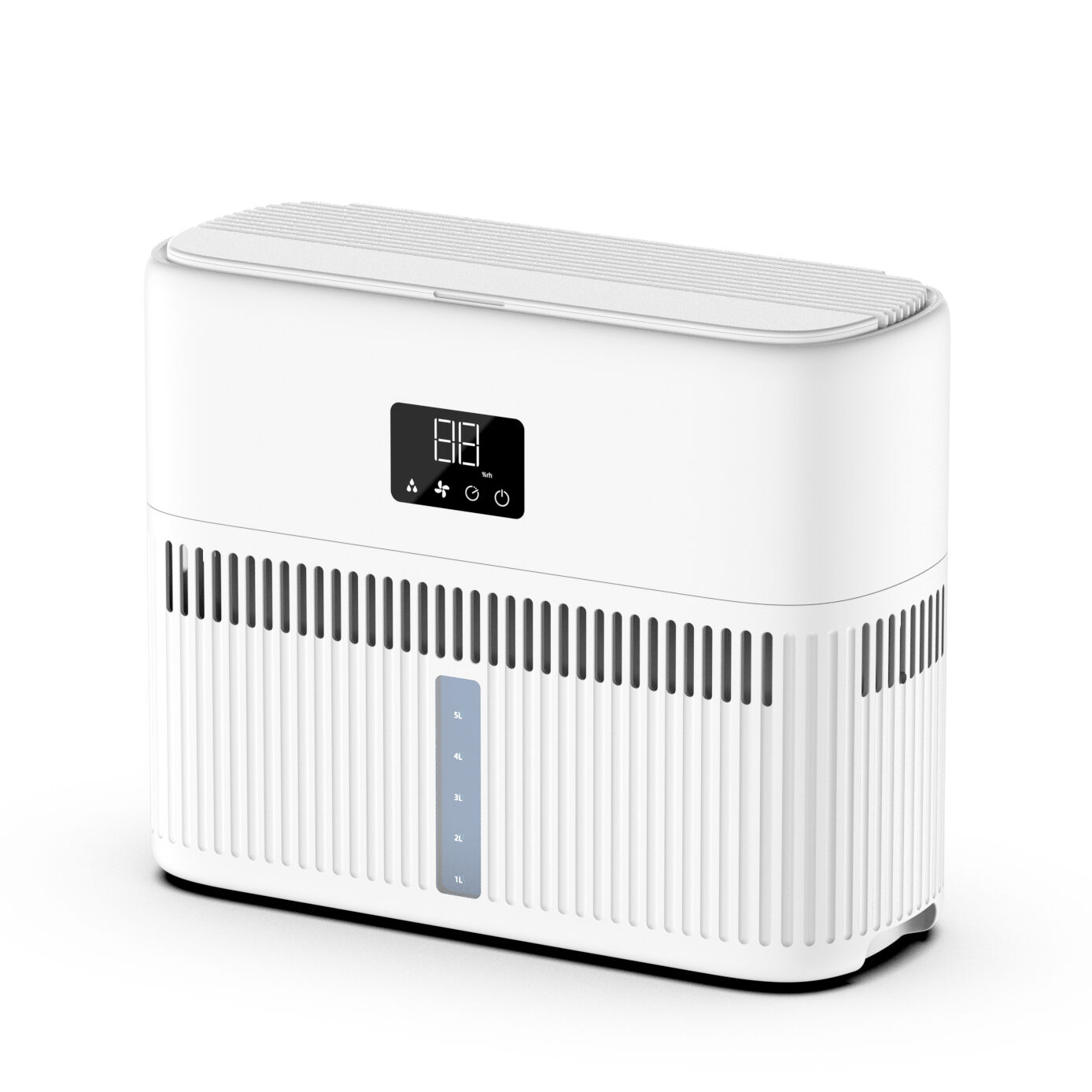
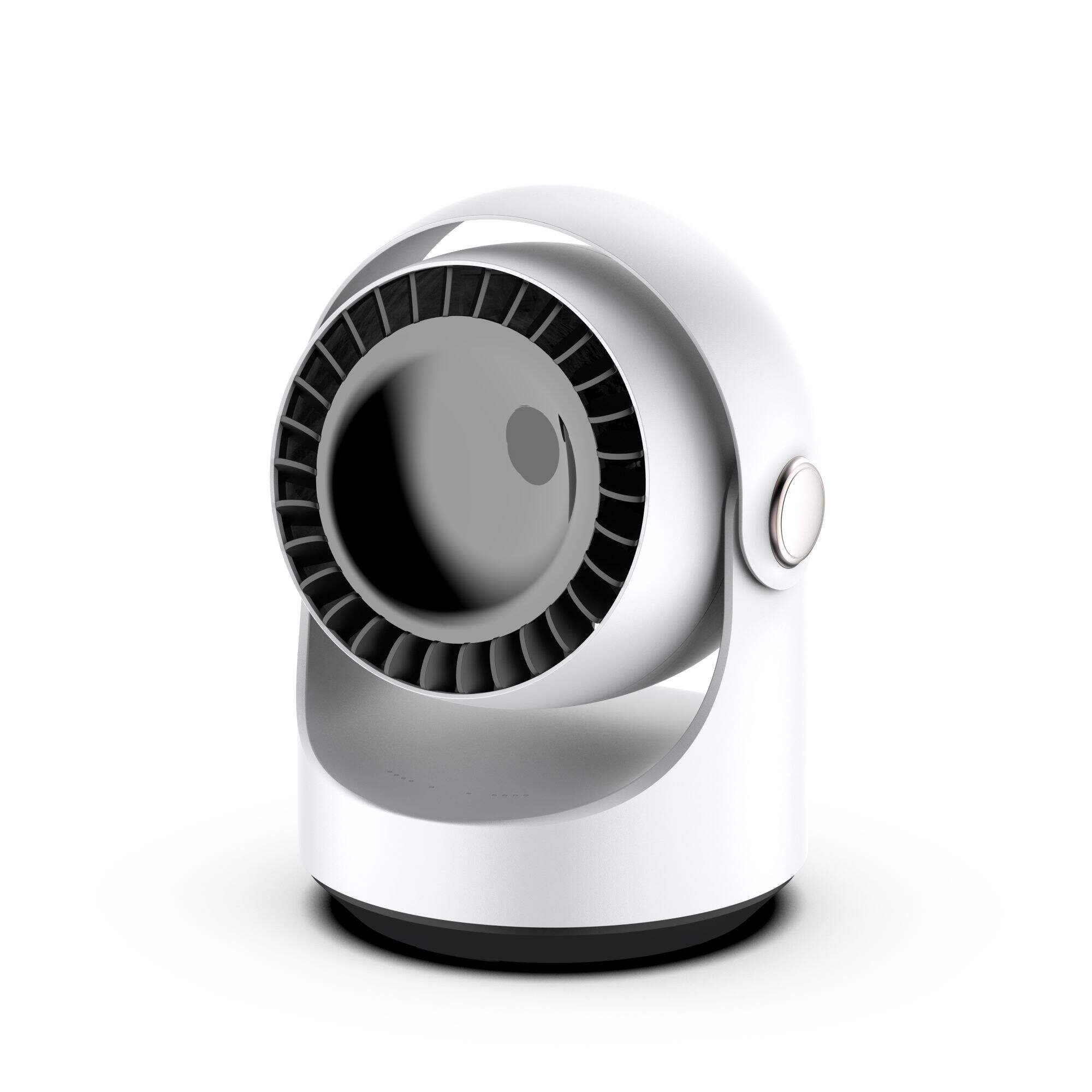
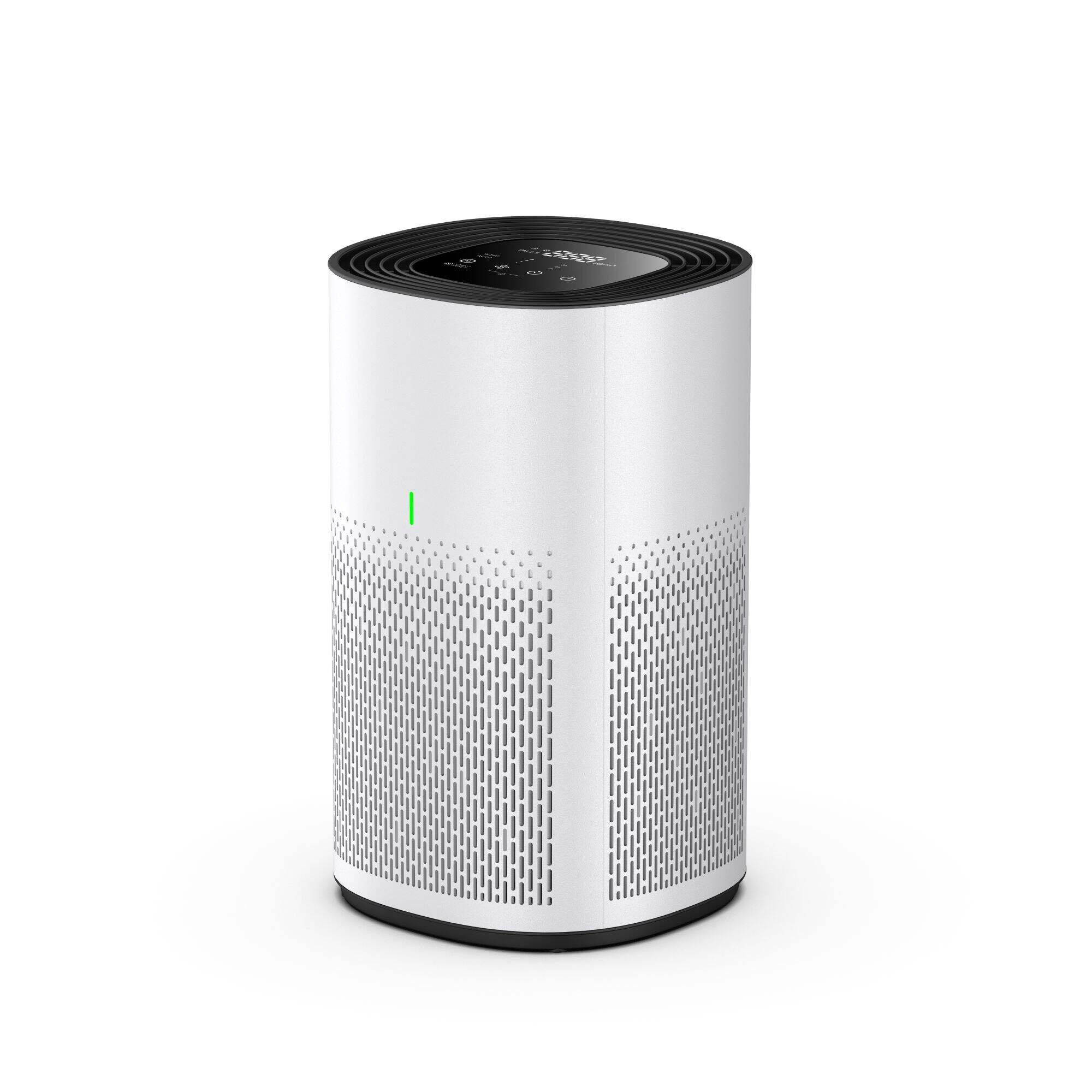
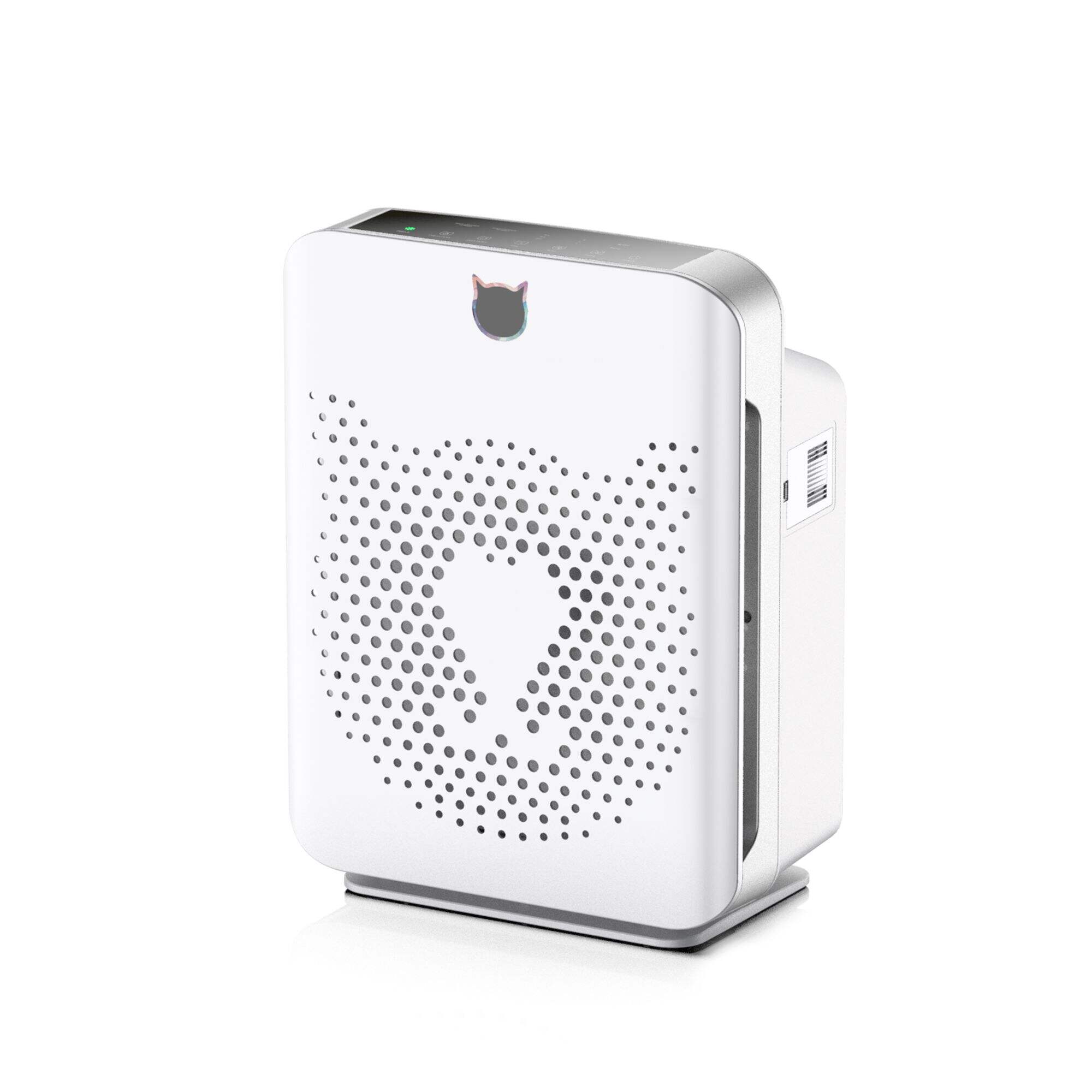
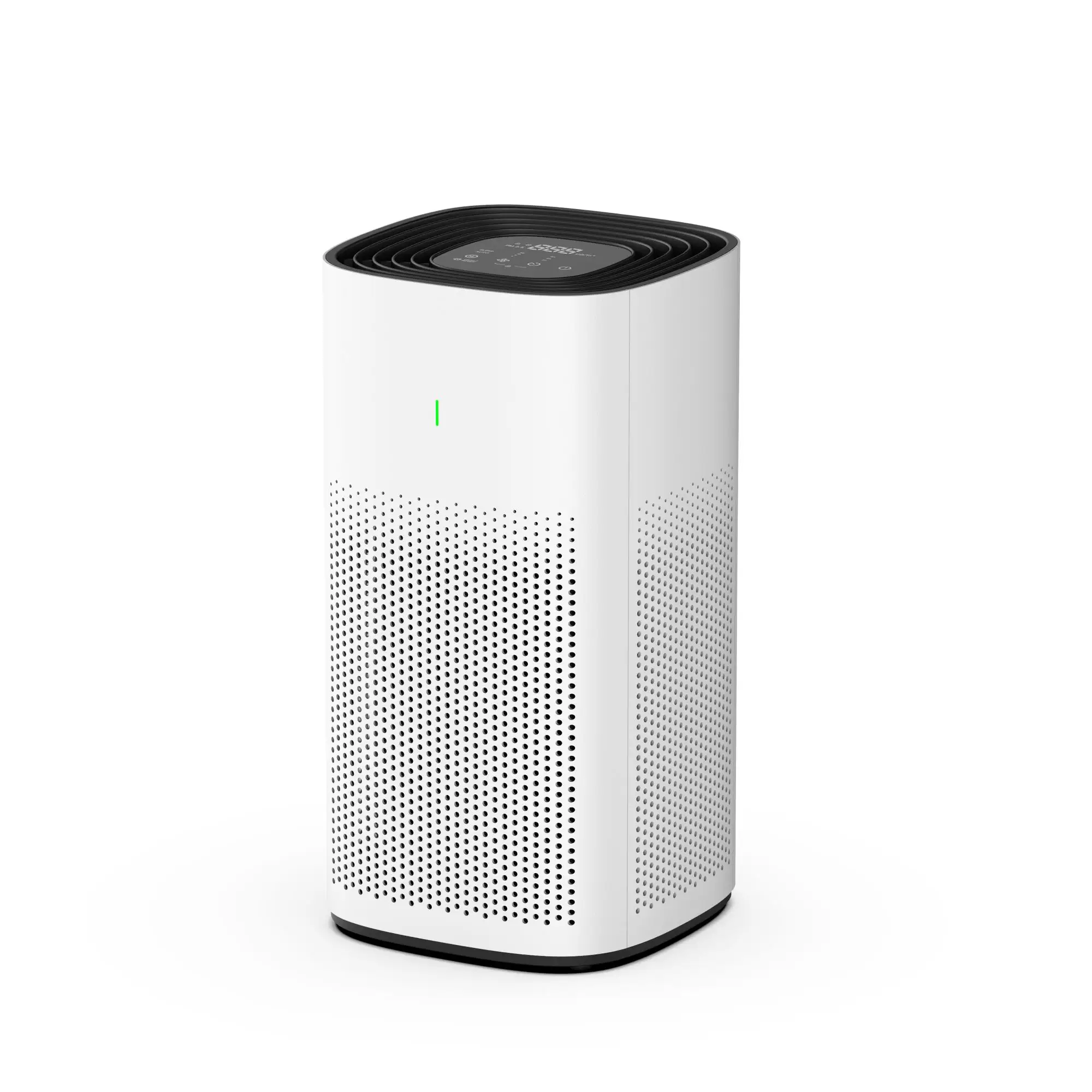
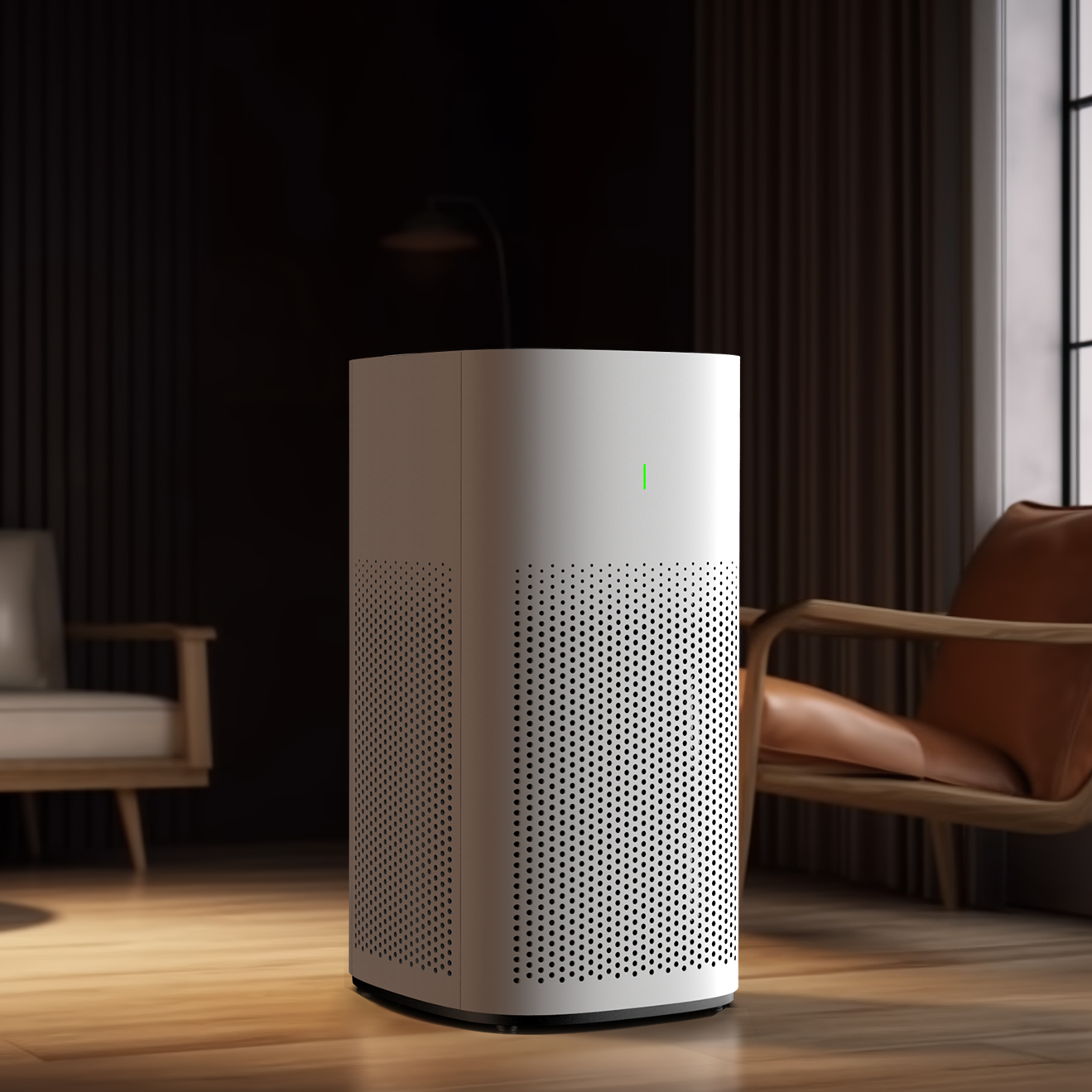
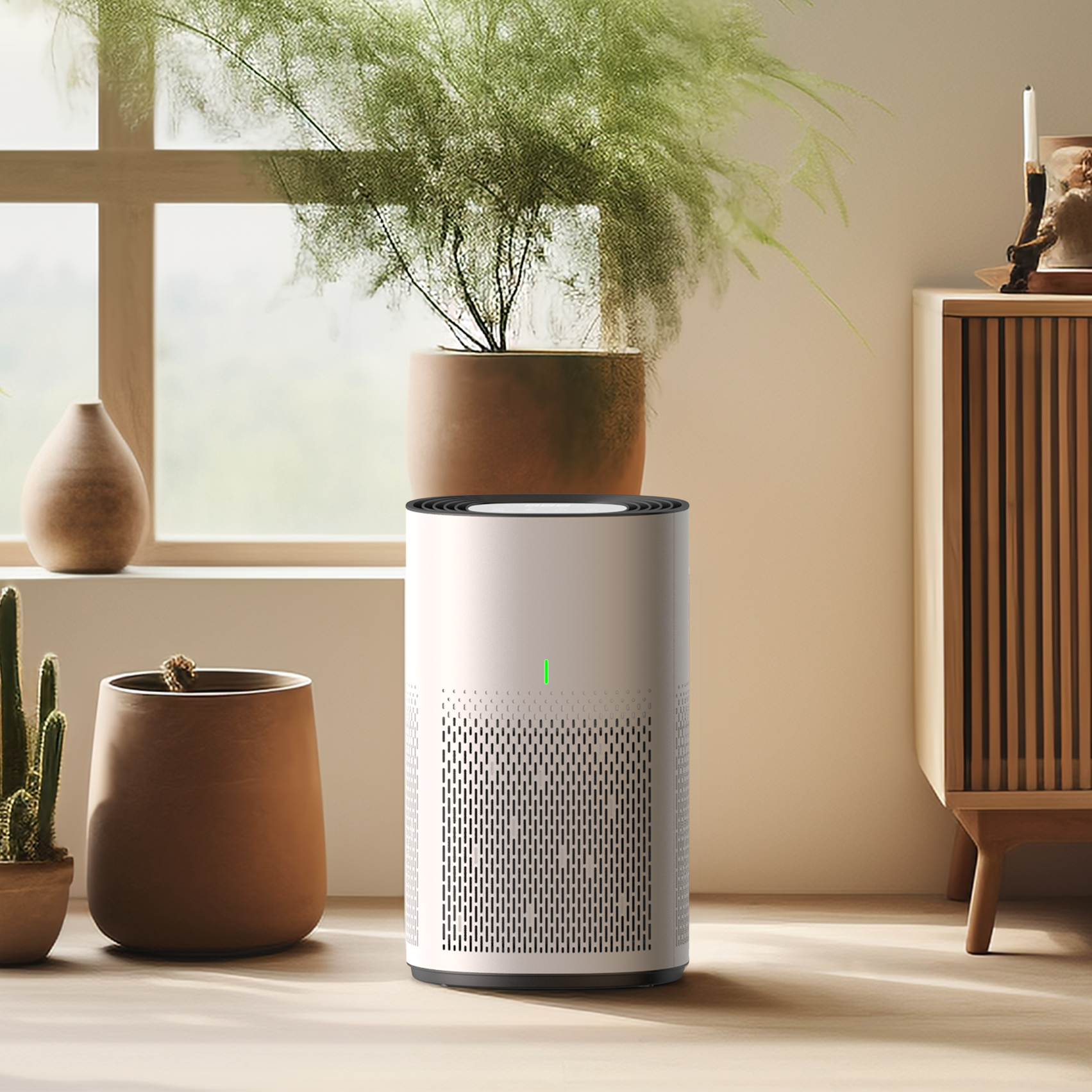
An air cleaner for smoking room represents an essential solution designed specifically to combat the persistent challenges of tobacco smoke, odors, and harmful airborne particles in designated smoking areas. These specialized devices employ advanced filtration technologies to create healthier, more comfortable environments where smoking is permitted. The primary function of an air cleaner for smoking room is to capture and neutralize cigarette smoke, tar particles, ash residue, and the pungent odors that typically permeate smoking spaces. Modern units integrate multiple filtration stages, including pre-filters that trap larger particles, activated carbon filters that absorb volatile organic compounds and odors, and high-efficiency particulate air filters that capture microscopic smoke particles as small as 0.3 microns. Many models feature ultraviolet light sterilization components that eliminate bacteria and viruses, while ionization technology helps to aggregate tiny particles for more effective removal. The technological sophistication of an air cleaner for smoking room extends to smart sensors that monitor air quality in real-time, automatically adjusting fan speeds and filtration intensity based on smoke concentration levels. These devices typically process large volumes of air rapidly, with circulation rates measured in cubic feet per minute, ensuring that smoke is captured before it spreads throughout the space. Applications for these systems span diverse settings including office smoking lounges, casino gaming floors, airport smoking areas, hotel designated smoking rooms, private clubs, entertainment venues, and residential spaces where household members smoke. Commercial-grade units often incorporate noise-reduction technology to maintain conversation-friendly sound levels while delivering powerful purification performance. The construction emphasizes durability with metal housings and commercial-grade components designed for continuous operation in high-smoke environments. Installation flexibility allows for wall-mounted, ceiling-mounted, or freestanding configurations to accommodate various architectural requirements and space constraints.
 EN
EN
 AR
AR
 NL
NL
 FR
FR
 DE
DE
 EL
EL
 HI
HI
 IT
IT
 JA
JA
 KO
KO
 PL
PL
 PT
PT
 ES
ES
 ID
ID
 VI
VI
 TH
TH
 TR
TR
 MS
MS