Advanced Multi-Layer Filtration Technology for Comprehensive Air Purification
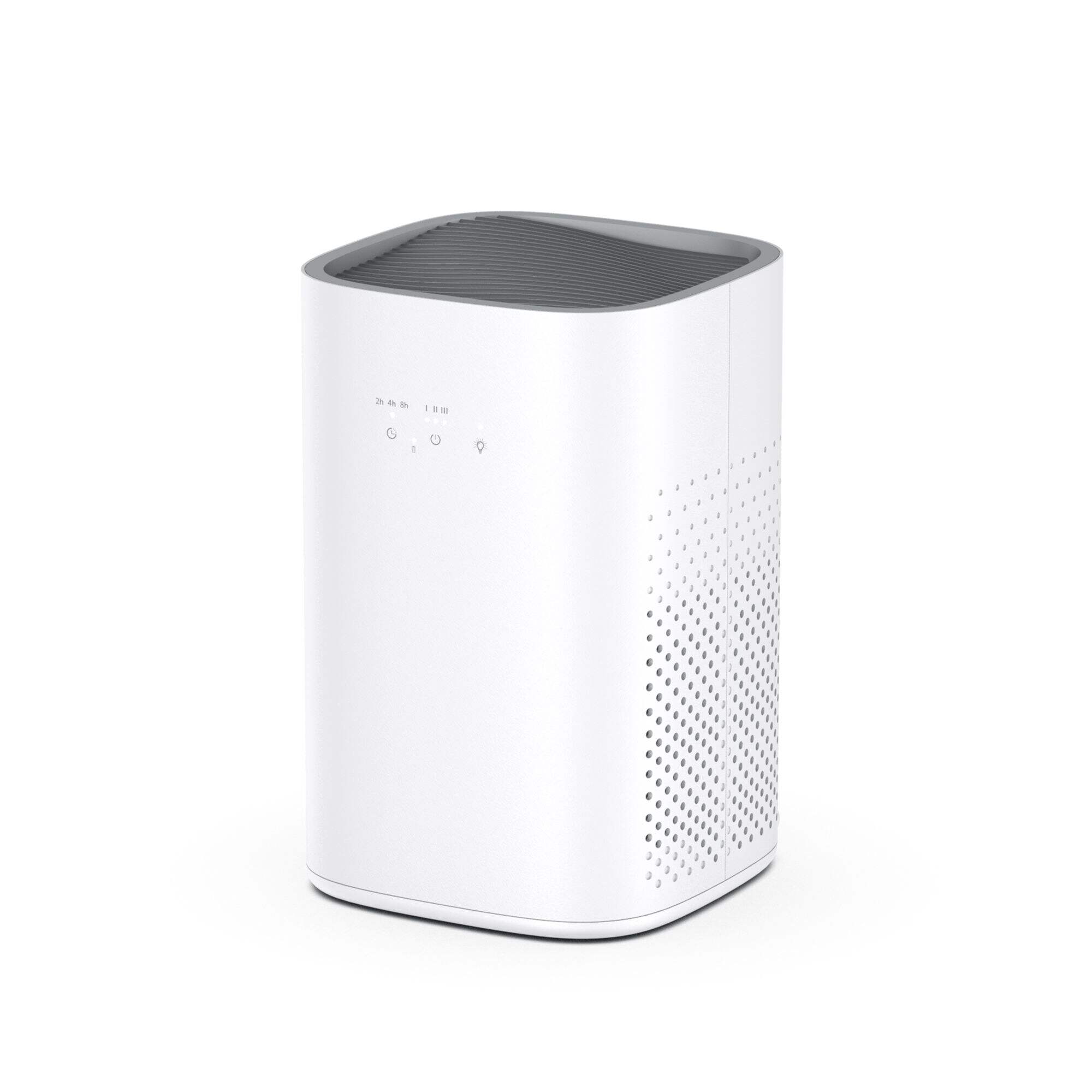
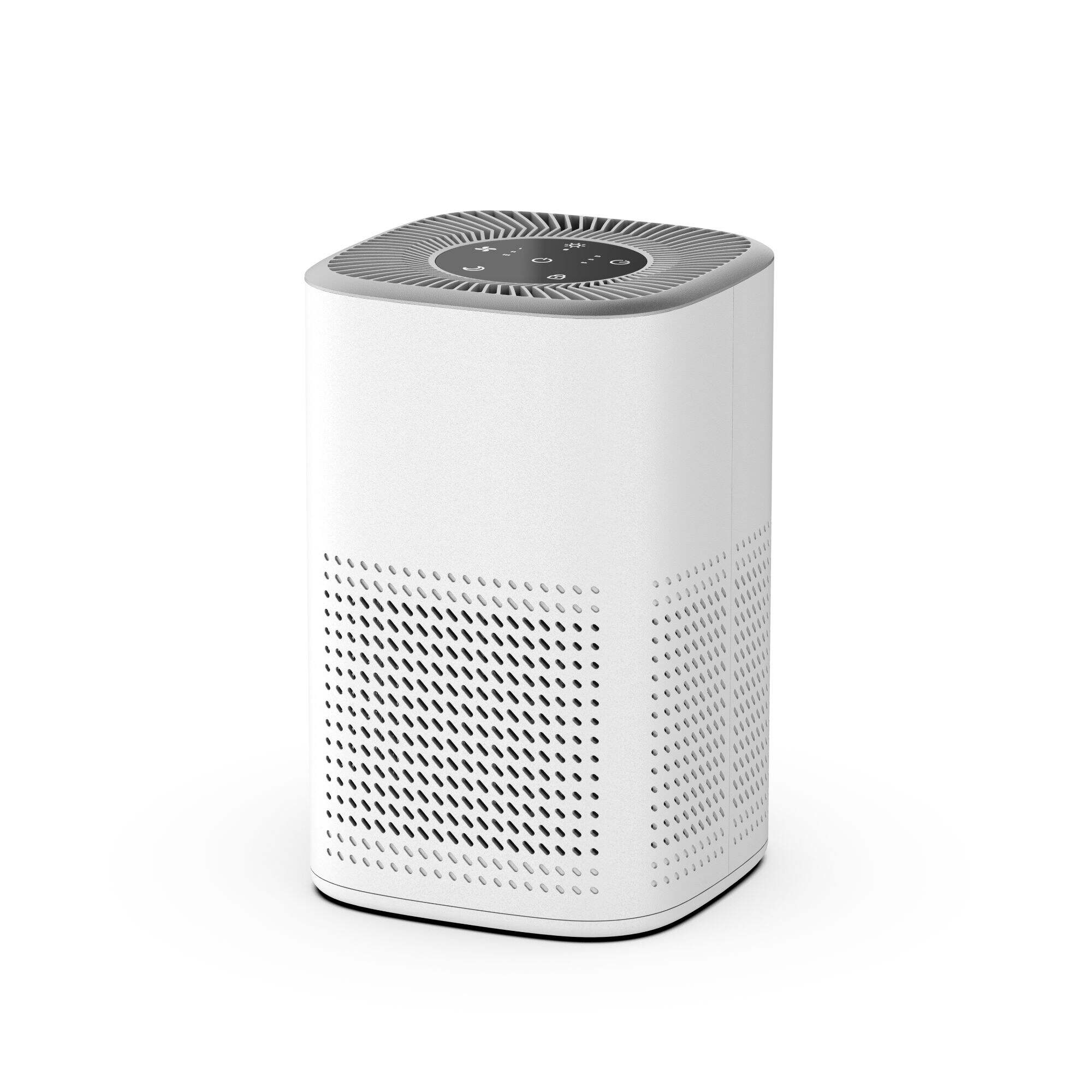
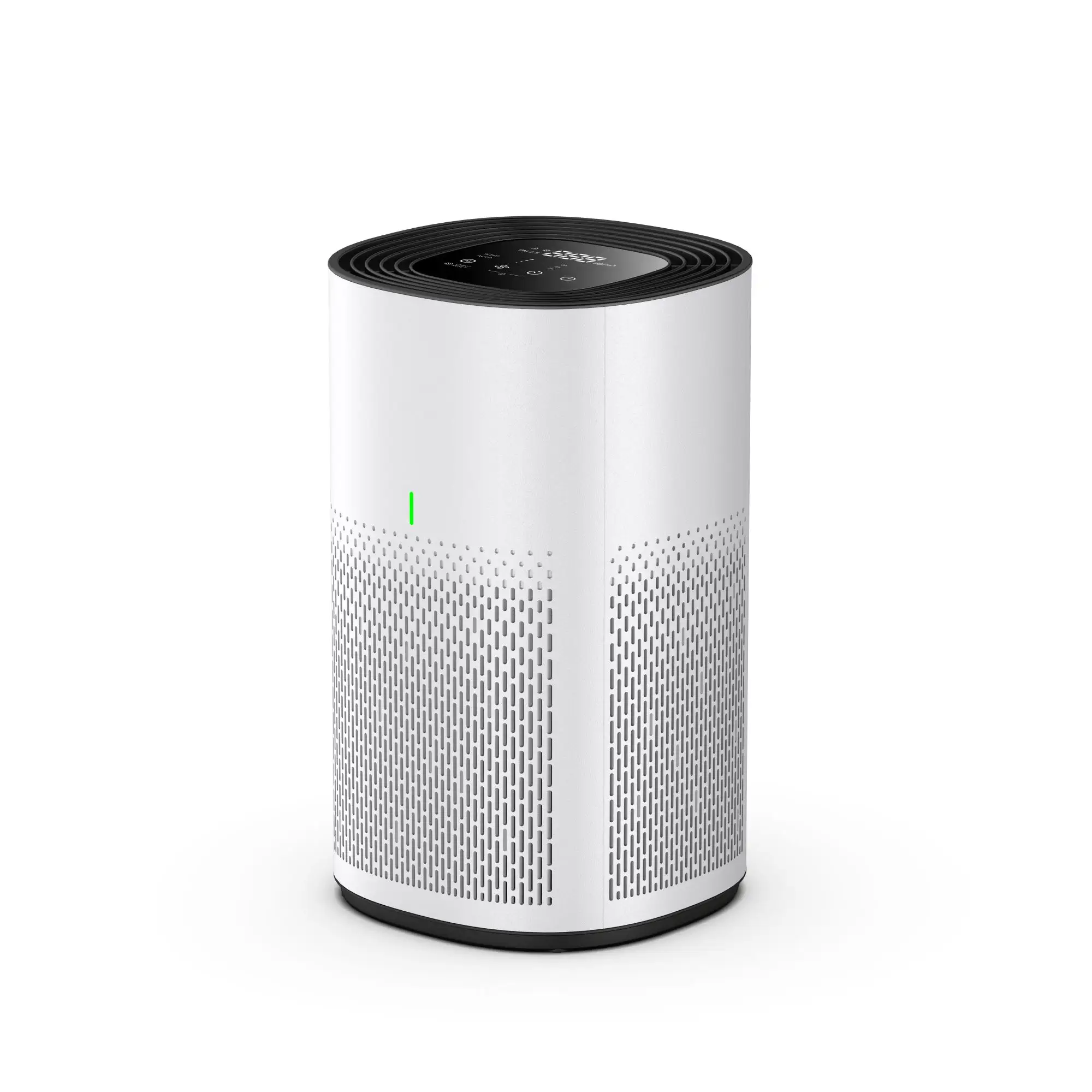
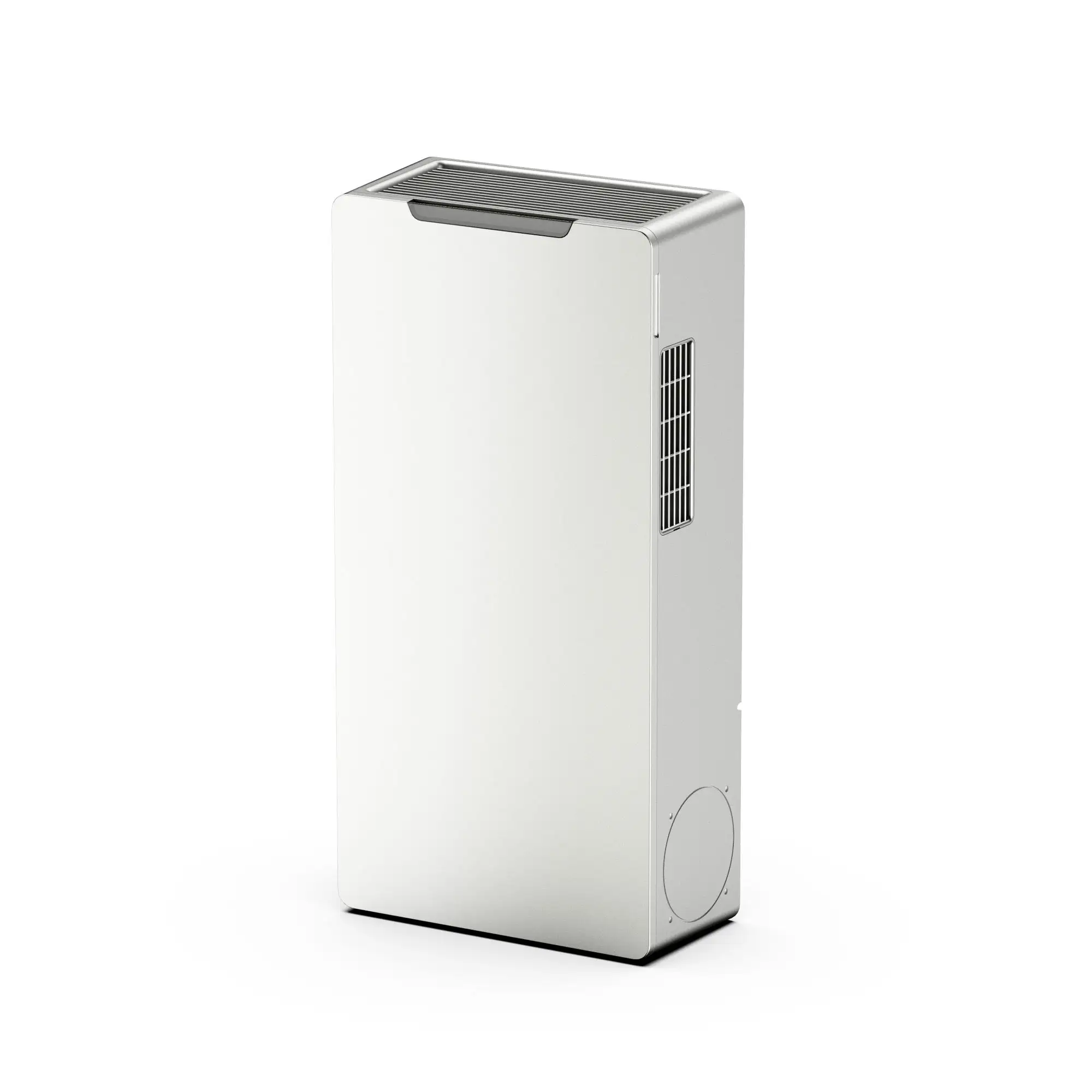
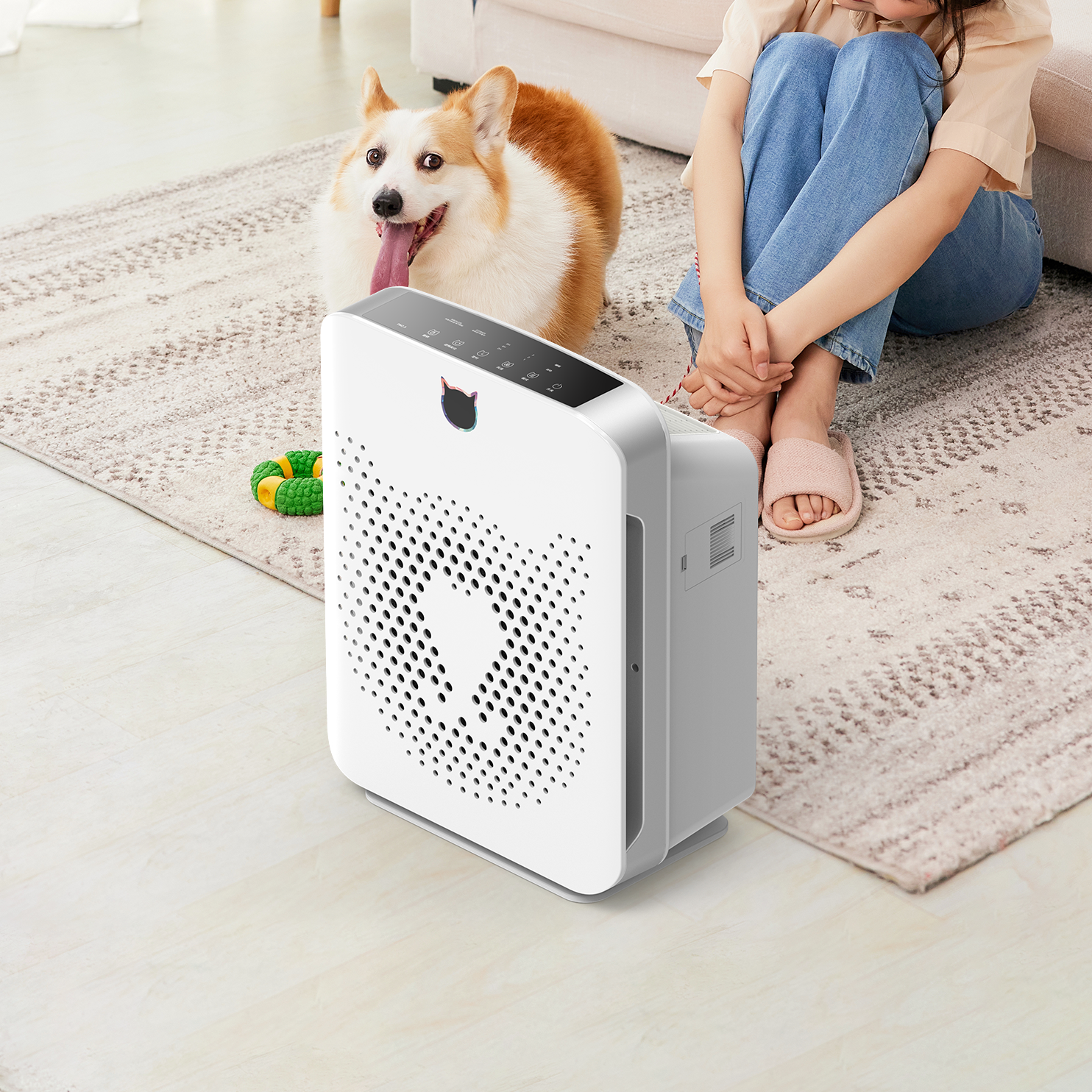
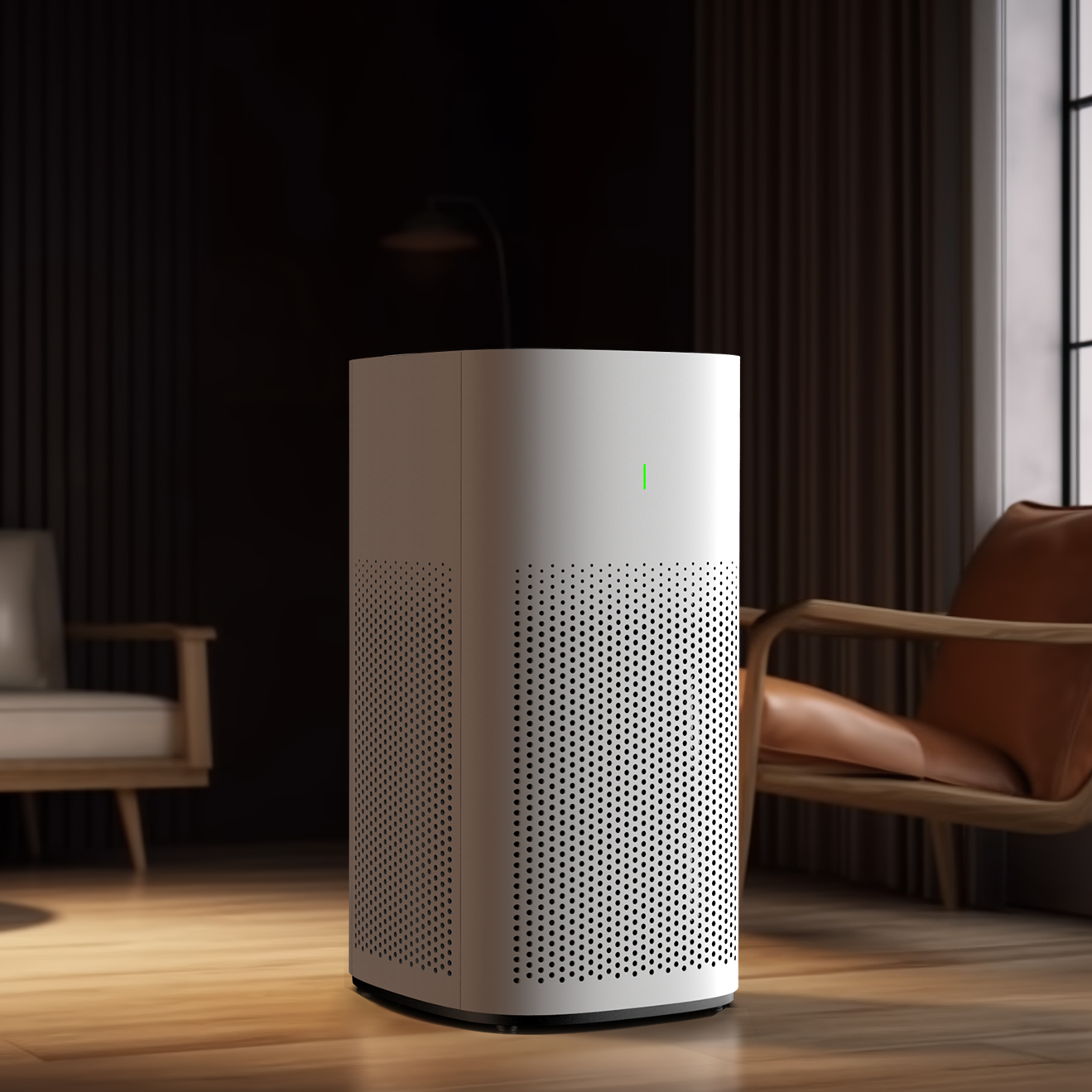
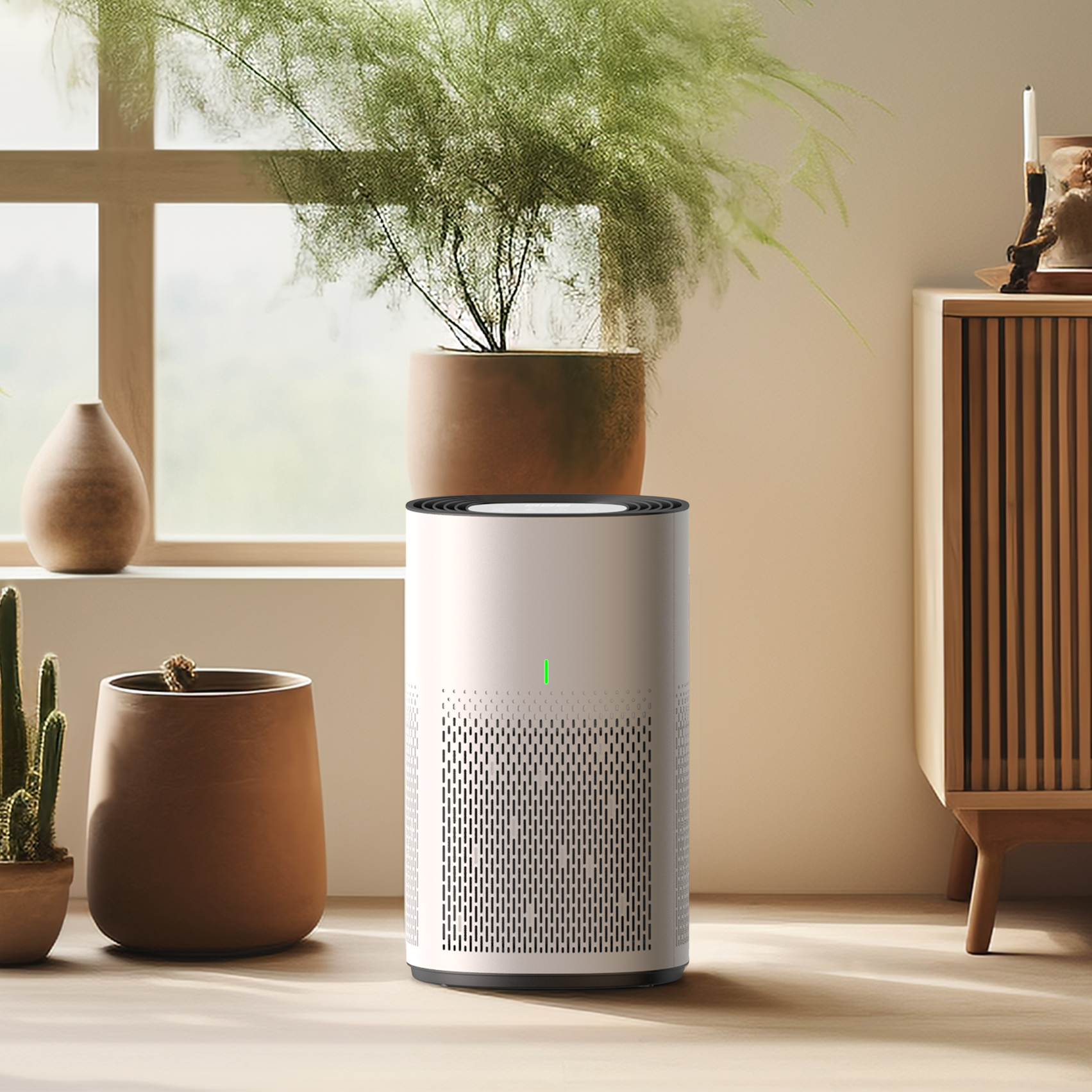
The filtration system within a portable air cleaner represents the technological heart that determines its effectiveness and value proposition. Modern units employ sophisticated multi-stage approaches that address diverse pollutant categories through specialized materials working in coordinated sequence. The process typically begins with a pre-filter layer designed to capture larger particles such as hair, lint, and visible dust, extending the lifespan of subsequent filters by preventing premature clogging. This initial barrier often features washable mesh construction, allowing users to maintain optimal airflow through simple periodic cleaning rather than frequent replacements. Following pre-filtration, air passes through the True HEPA filter, the gold standard in particle removal that medical facilities and cleanroom environments rely upon. This densely woven filter medium traps microscopic contaminants including bacteria, virus carriers, fine dust, pollen granules, and mold spores with extraordinary efficiency. The 99.97 percent capture rate at 0.3 microns represents the most penetrating particle size, meaning even smaller and larger particles are removed with even greater effectiveness. For perspective, human hair measures approximately 50 to 70 microns in diameter, making the portable air cleaner capable of removing threats hundreds of times smaller than visible to the naked eye. The activated carbon filtration stage addresses gaseous pollutants that particle filters cannot capture, utilizing millions of microscopic pores within carbon granules that adsorb odor molecules, volatile organic compounds, formaldehyde, benzene, and smoke particles. This chemical filtration proves essential in modern homes filled with off-gassing materials, cleaning product residues, and cooking byproducts that compromise indoor air quality despite appearing clean. Some advanced portable air cleaner models incorporate additional technologies such as UV-C light sterilization that damages microbial DNA, preventing reproduction and ensuring captured organisms remain neutralized rather than potentially re-entering airflow. Ionization features generate negative ions that attach to airborne particles, increasing their mass so filters capture them more effectively while also reducing static electricity. The synergistic effect of these combined technologies creates air quality that surpasses what any single filtration method achieves alone, delivering comprehensive purification that addresses particulate matter, biological contaminants, chemical pollutants, and odorous compounds simultaneously for truly clean breathing environments.

 EN
EN
 AR
AR
 NL
NL
 FR
FR
 DE
DE
 EL
EL
 HI
HI
 IT
IT
 JA
JA
 KO
KO
 PL
PL
 PT
PT
 ES
ES
 ID
ID
 VI
VI
 TH
TH
 TR
TR
 MS
MS