air purifier manufacturing
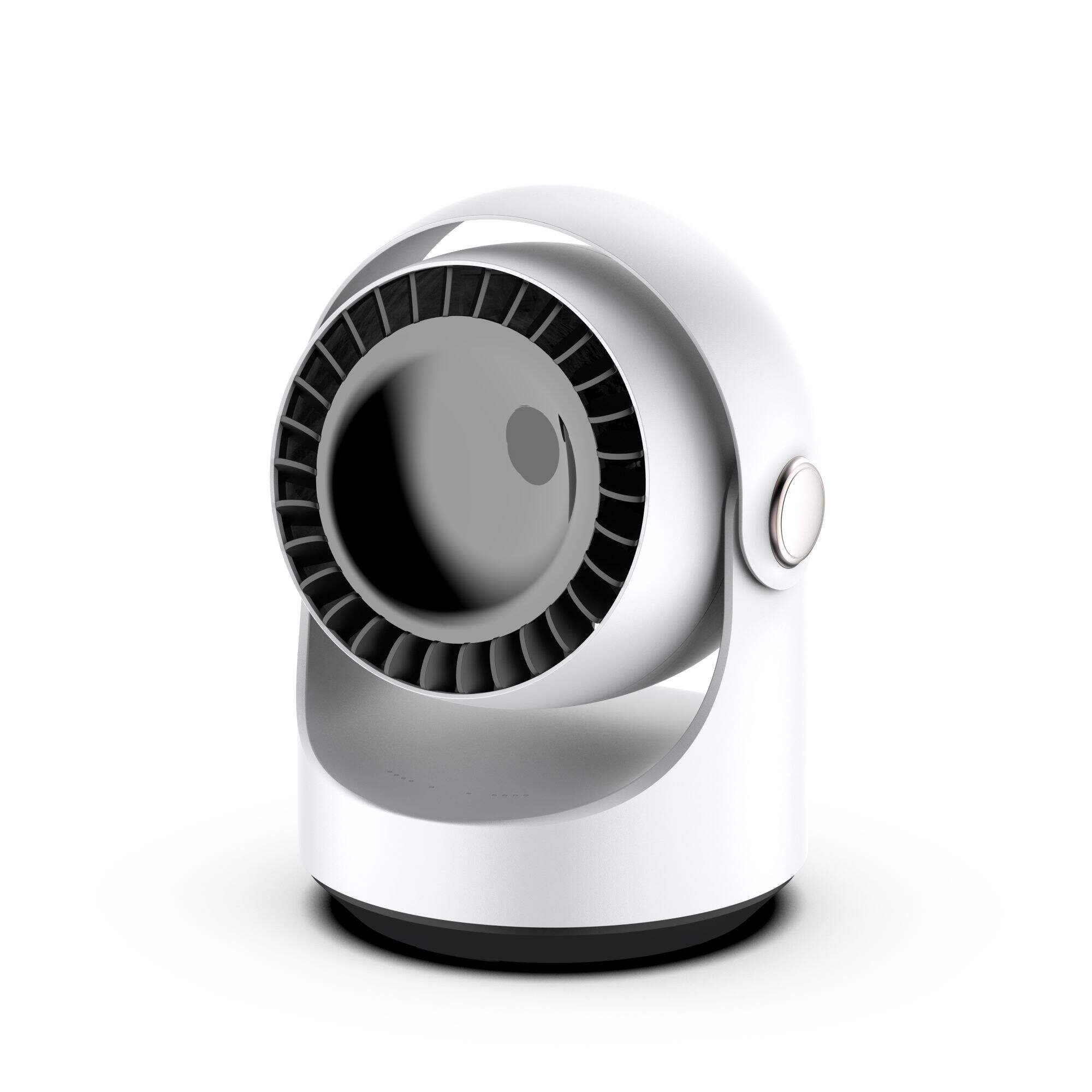
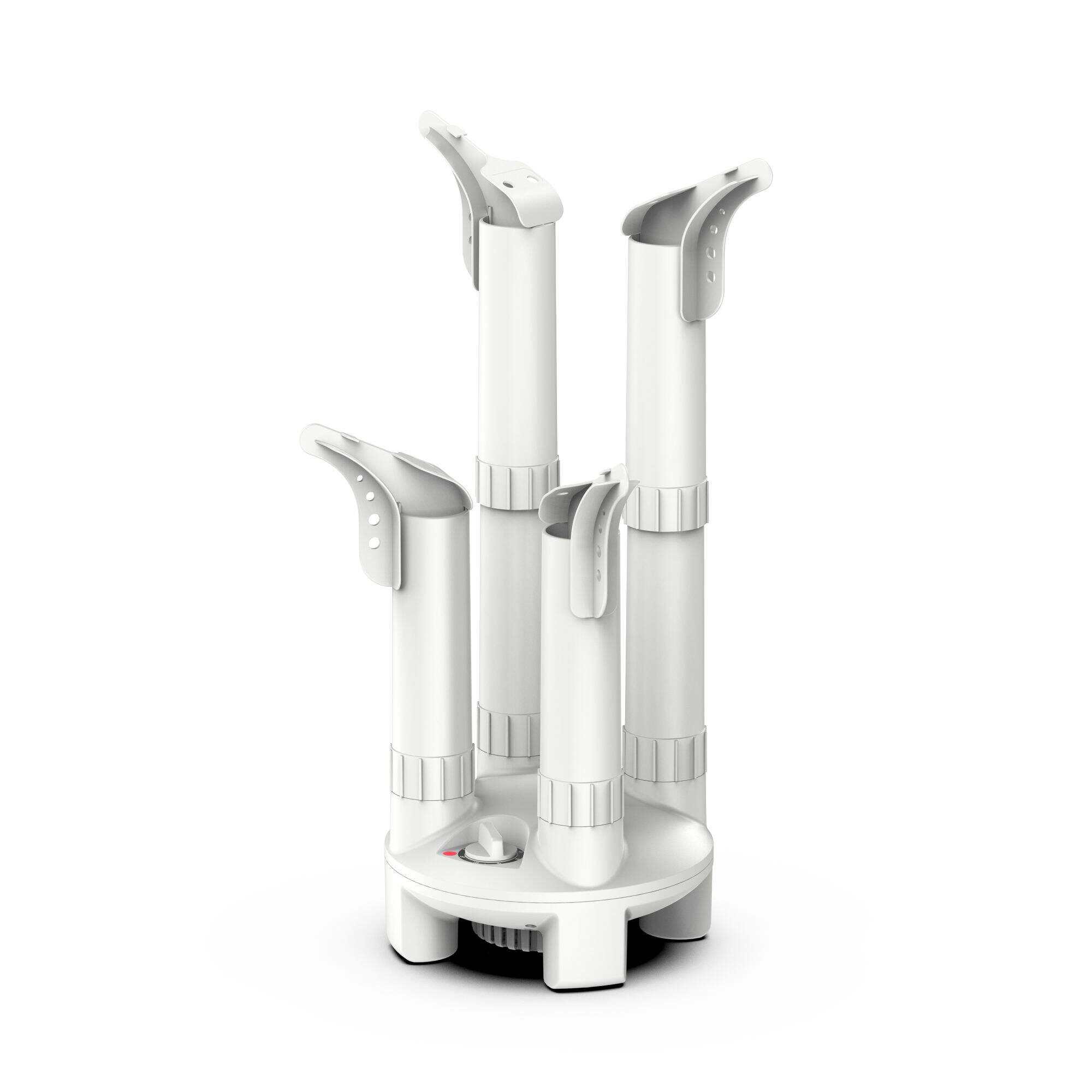
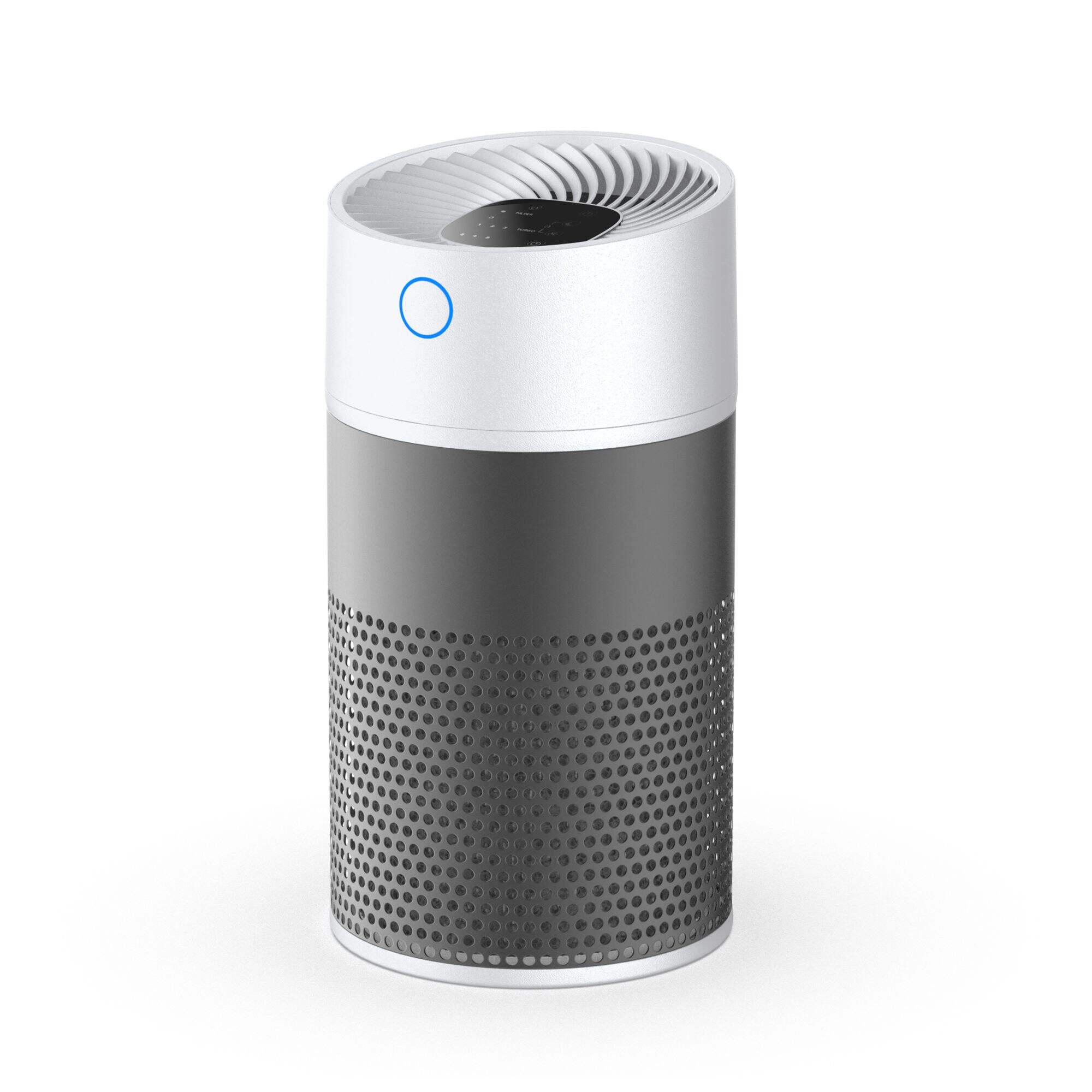
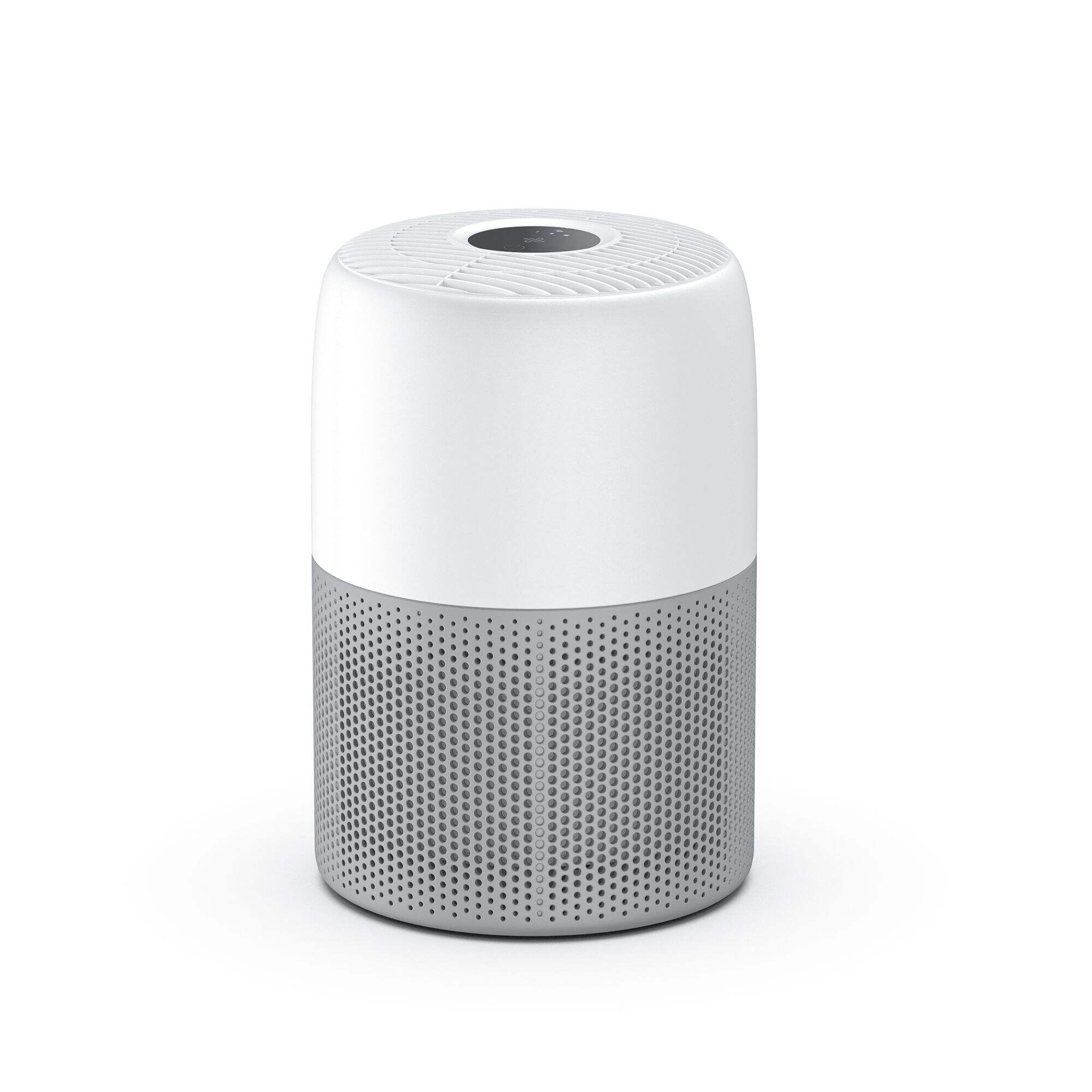
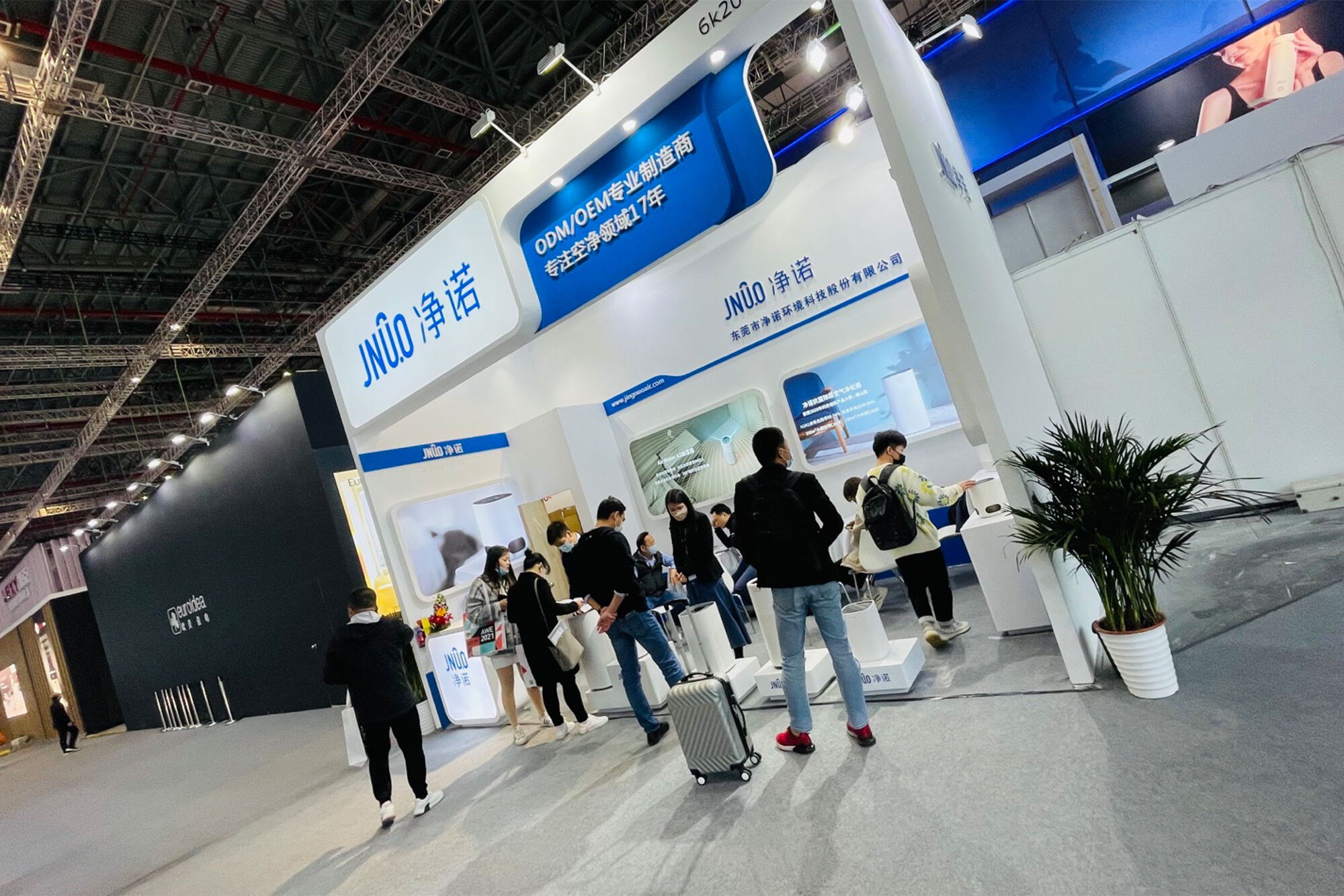
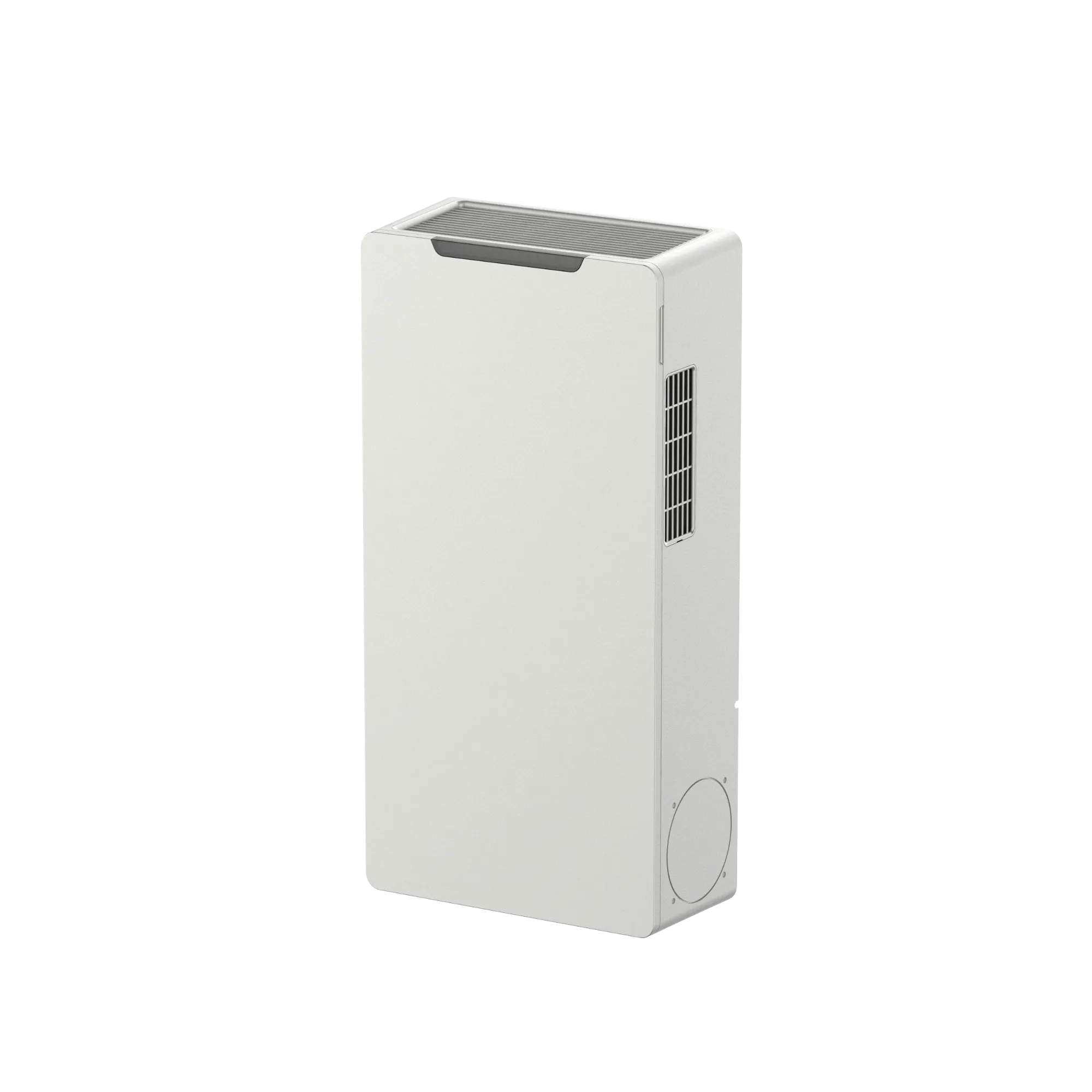
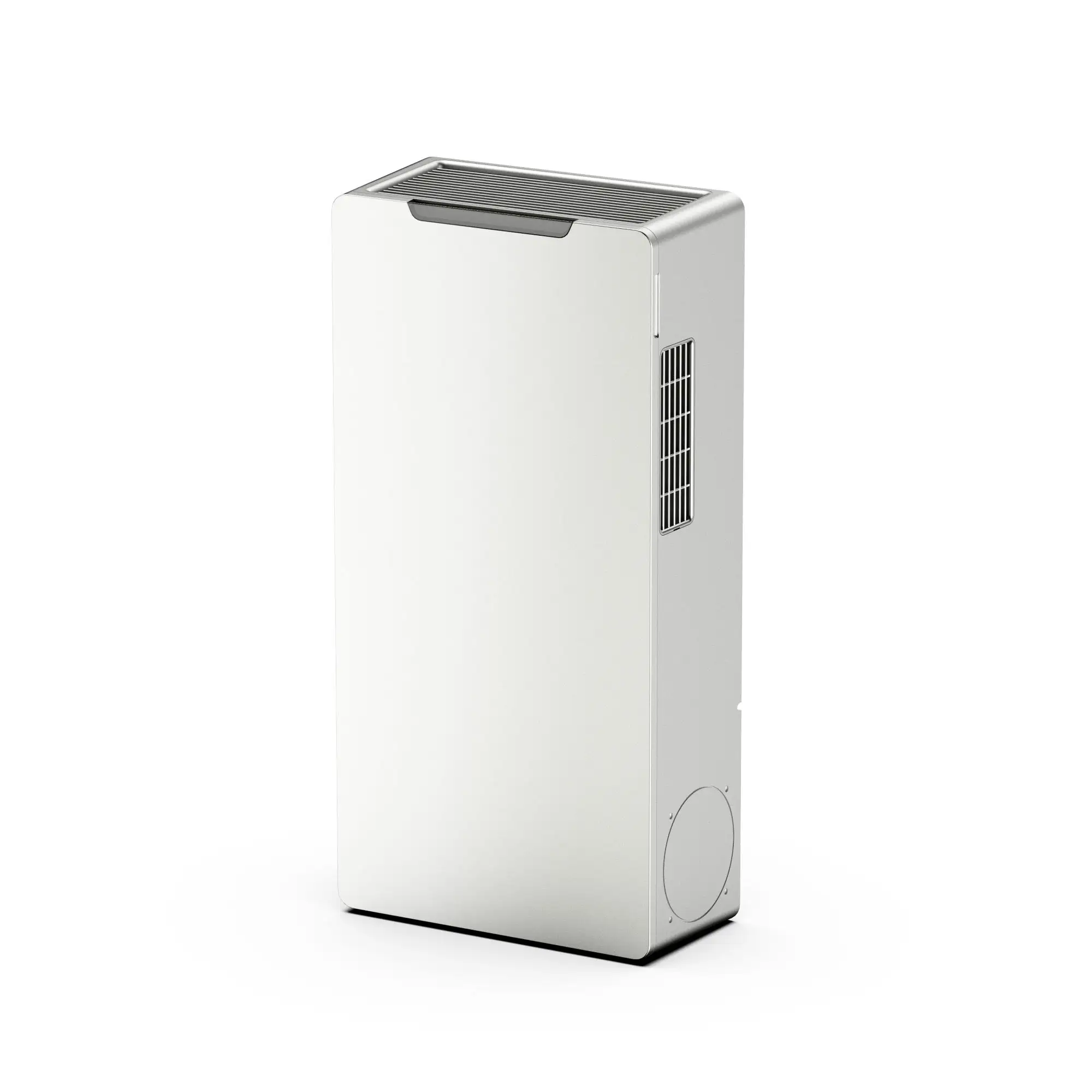
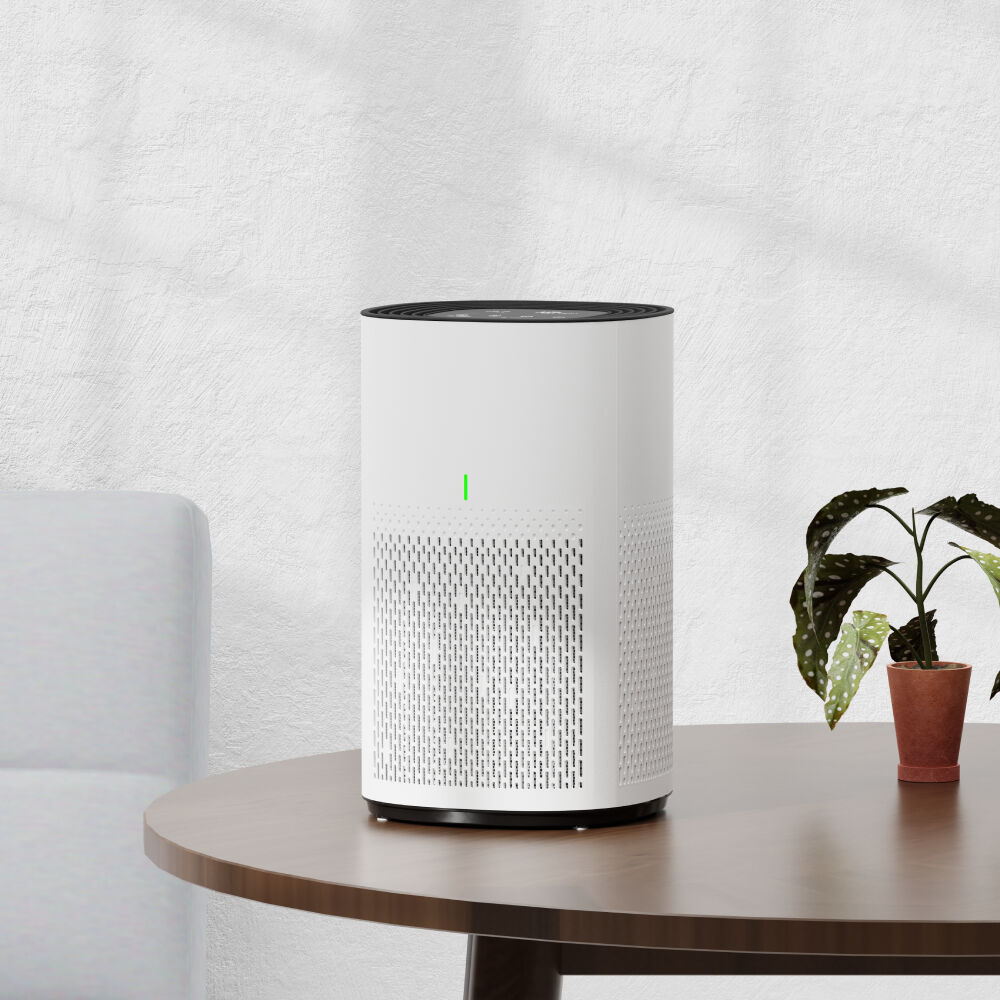
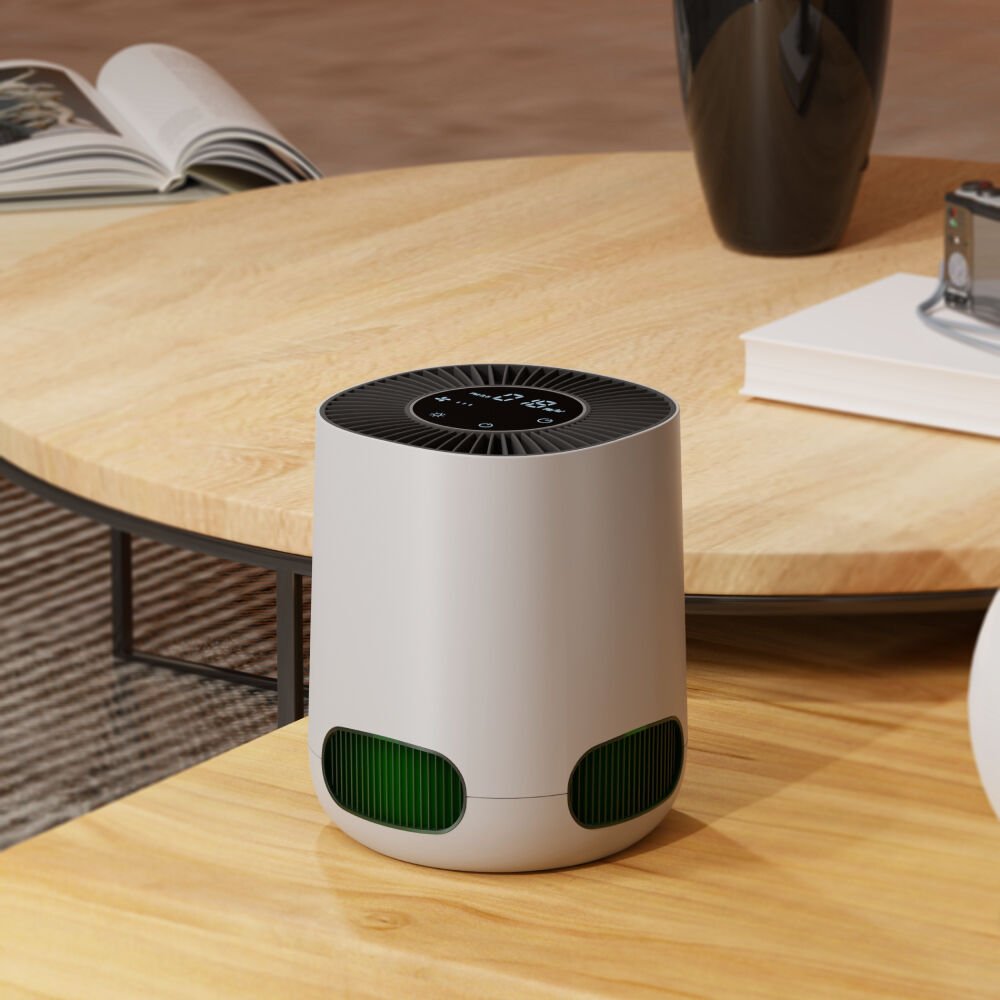
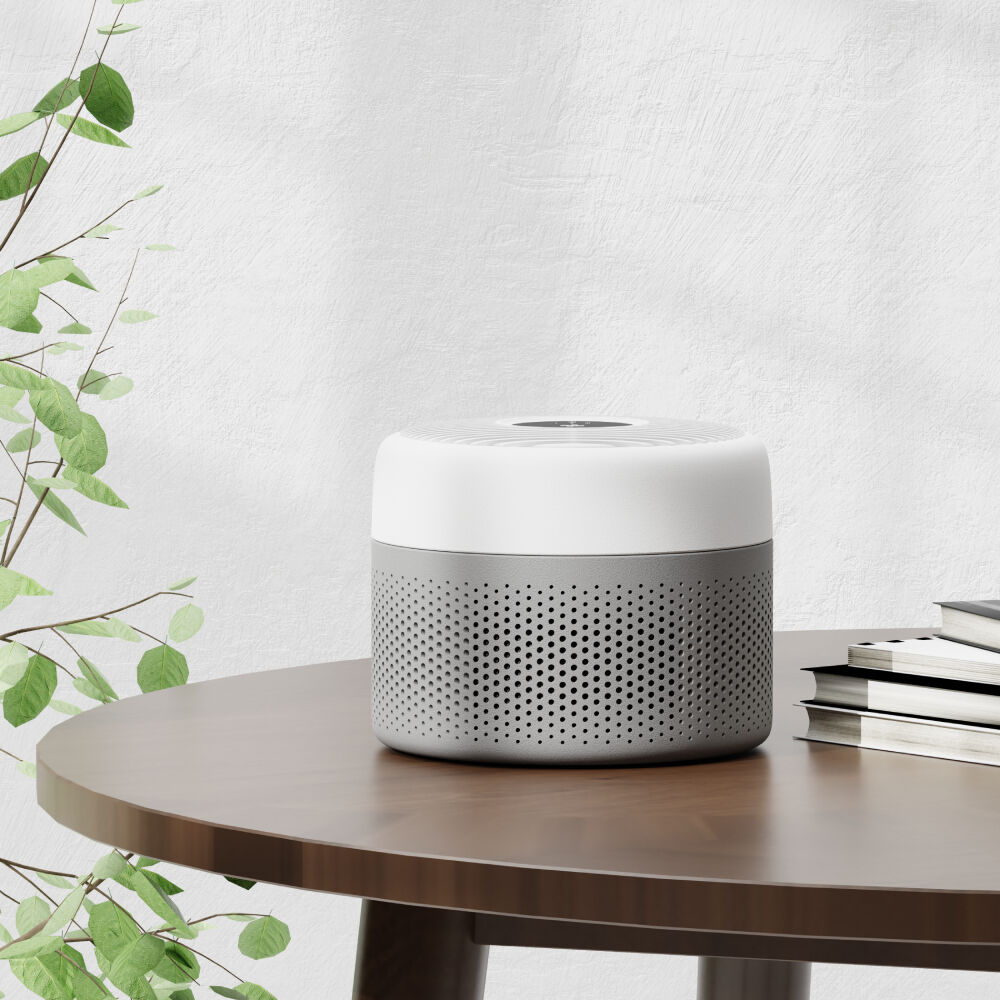
Air purifier manufacturing represents a sophisticated industrial sector dedicated to creating devices that clean and enhance indoor air quality through advanced filtration and purification technologies. This manufacturing process combines precision engineering, material science, and environmental technology to produce equipment capable of removing contaminants, allergens, pollutants, and harmful particles from residential, commercial, and industrial environments. Modern air purifier manufacturing facilities employ state-of-the-art production techniques to assemble multi-stage filtration systems that typically include pre-filters, HEPA filters, activated carbon layers, and increasingly, innovative technologies such as UV sterilization, ionization, and photocatalytic oxidation. The manufacturing process begins with careful design considerations that balance efficiency, noise reduction, energy consumption, and aesthetic appeal. Production lines integrate automated assembly systems with quality control checkpoints to ensure each unit meets stringent performance standards. Air purifier manufacturing involves sourcing high-quality components including motors, fans, sensors, electronic control systems, and specialized filter media that must withstand continuous operation while maintaining filtration efficiency. The sector has evolved significantly in response to growing awareness of indoor air pollution and its health implications, driving manufacturers to innovate continuously. Today's air purifier manufacturing incorporates smart technology integration, allowing devices to monitor air quality in real-time, adjust operation automatically, and connect with mobile applications for remote control. The applications of air purifier manufacturing span diverse environments including homes, offices, hospitals, schools, laboratories, manufacturing facilities, and public spaces where air quality directly impacts health, productivity, and comfort. As environmental concerns intensify globally, air purifier manufacturing has become increasingly important in addressing respiratory health issues, reducing allergen exposure, eliminating volatile organic compounds, and creating safer indoor environments for vulnerable populations including children, elderly individuals, and those with respiratory conditions.

 EN
EN
 AR
AR
 NL
NL
 FR
FR
 DE
DE
 EL
EL
 HI
HI
 IT
IT
 JA
JA
 KO
KO
 PL
PL
 PT
PT
 ES
ES
 ID
ID
 VI
VI
 TH
TH
 TR
TR
 MS
MS