JNUO - Experts in Indoor Air Quality Solutions

All Categories

indoor air filtration

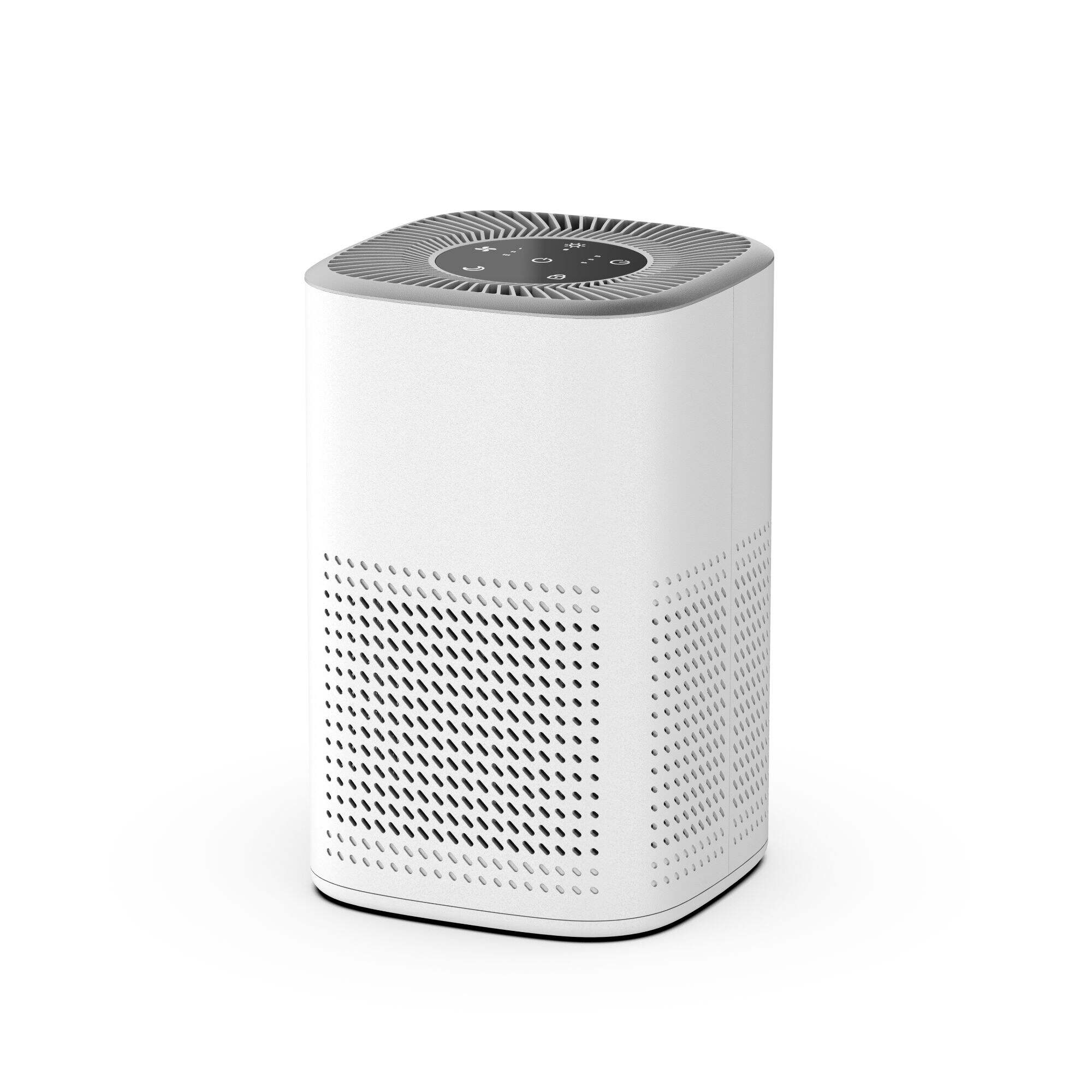
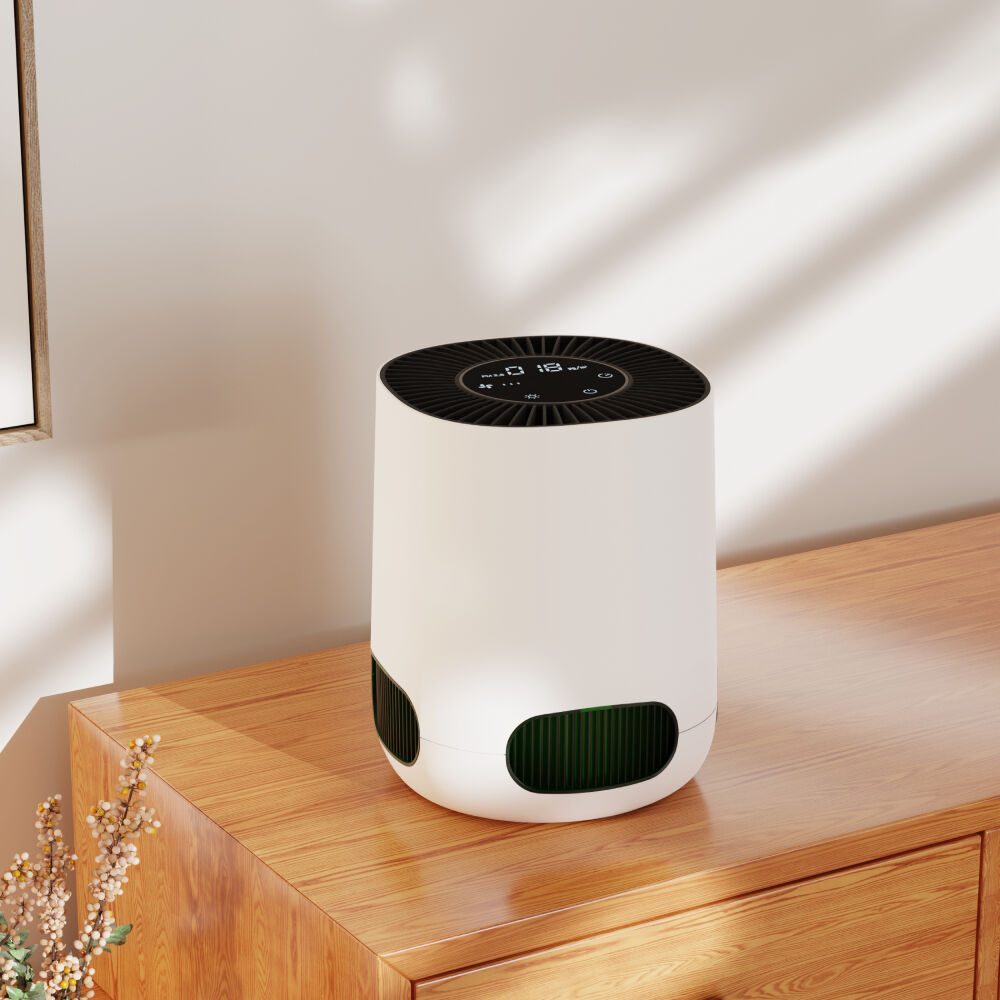
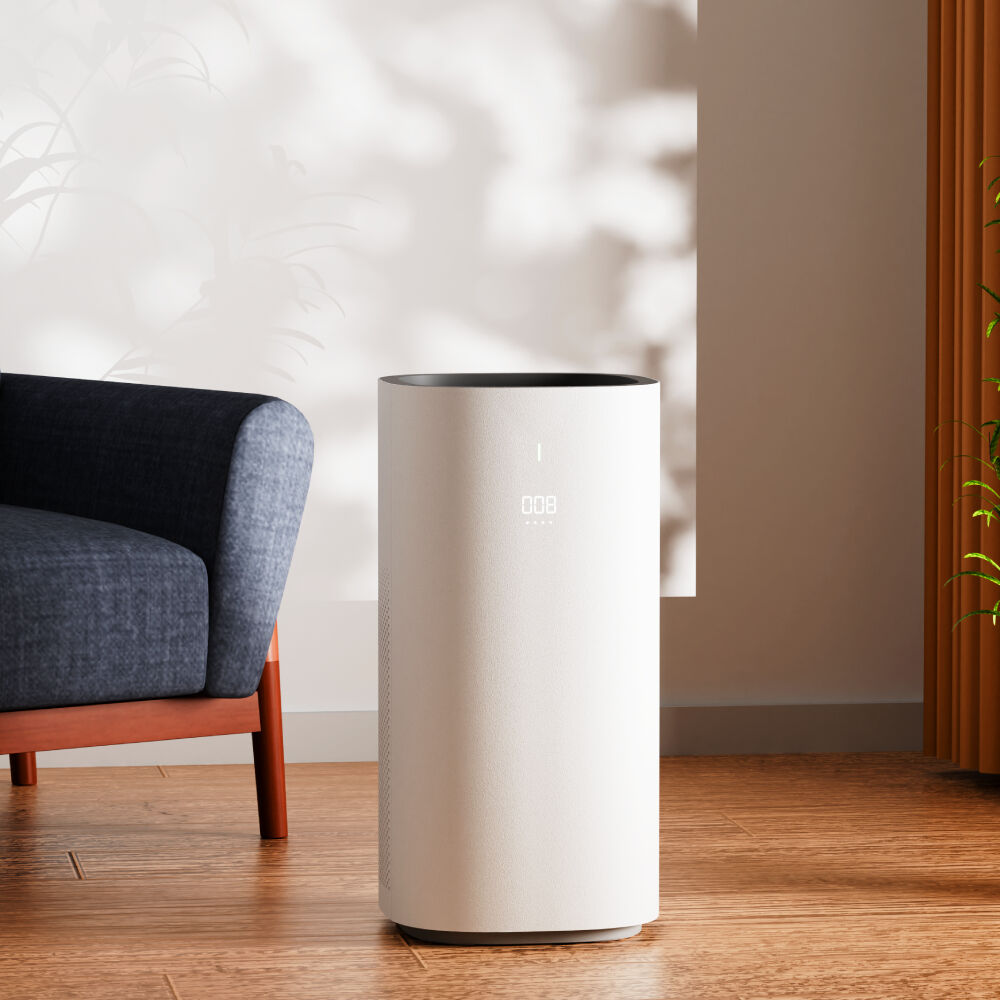
Indoor air filtration represents a crucial technology designed to enhance the quality of air within enclosed spaces by removing harmful particles, allergens, pollutants, and contaminants. These systems work continuously to capture microscopic particles that can negatively impact health and comfort, making them essential for homes, offices, schools, and various commercial environments. The primary functions of indoor air filtration include eliminating dust, pollen, pet dander, mold spores, bacteria, viruses, and volatile organic compounds that accumulate in interior spaces. Modern filtration systems employ advanced technological features such as multi-stage filtration processes, incorporating pre-filters for larger particles, HEPA filters capable of trapping particles as small as 0.3 microns with 99.97 percent efficiency, and activated carbon layers that absorb odors and gaseous pollutants. Many contemporary indoor air filtration units integrate smart sensors that monitor air quality in real-time, automatically adjusting fan speeds and filtration intensity based on detected pollution levels. These systems often feature energy-efficient motors and whisper-quiet operation, ensuring they can run continuously without disturbing daily activities or significantly increasing electricity costs. Applications of indoor air filtration span residential settings where families seek protection from outdoor pollution and indoor allergens, commercial buildings where employee health and productivity are priorities, healthcare facilities requiring sterile environments, educational institutions protecting vulnerable populations, and industrial spaces where airborne contaminants pose occupational hazards. The technology proves particularly valuable for individuals with respiratory conditions, allergies, or compromised immune systems, as well as in regions with poor outdoor air quality or during wildfire seasons when smoke infiltration becomes problematic. By creating cleaner breathing environments, indoor air filtration systems contribute significantly to overall wellness, reduced illness transmission, improved sleep quality, and enhanced cognitive function for occupants of all ages.

New Product Releases

Investing in indoor air filtration delivers numerous practical benefits that directly improve daily life and long-term health outcomes for building occupants. First and foremost, these systems dramatically reduce respiratory irritants that trigger allergic reactions and asthma attacks, allowing sensitive individuals to breathe comfortably in their own homes and workplaces. Parents particularly appreciate how filtration protects children from environmental factors that could compromise developing immune systems or interrupt sleep patterns. The removal of fine particulate matter means fewer headaches, less fatigue, and improved concentration for students and professionals who spend extended periods indoors. Indoor air filtration actively combats the accumulation of dust on surfaces, reducing housework time and extending the lifespan of electronics and furnishings that would otherwise suffer from particle buildup. Odor elimination represents another significant advantage, as activated carbon components neutralize cooking smells, pet odors, and chemical off-gassing from furniture and building materials, creating fresher and more inviting indoor environments. For urban residents dealing with traffic pollution or industrial emissions, these systems provide a protective barrier that prevents outdoor contaminants from degrading indoor air quality, essentially creating a clean-air sanctuary regardless of external conditions. During peak allergy seasons, indoor air filtration minimizes pollen infiltration, offering relief to millions who would otherwise suffer through months of discomfort and reduced productivity. The technology also addresses invisible threats like mold spores that can proliferate in humid environments, preventing potential structural damage and health complications before they become serious problems. Energy-conscious consumers benefit from modern filtration units designed with low power consumption, meaning protection runs continuously without generating shocking utility bills. Maintenance simplicity stands out as a key practical advantage, with most systems requiring only periodic filter replacements that take minutes to complete without professional assistance. Families with pets discover that filtration manages dander effectively, allowing animal companionship without constant sneezing or itchy eyes. Business owners recognize that cleaner air reduces employee sick days, increases workplace satisfaction, and demonstrates organizational commitment to staff wellbeing. The psychological benefits prove equally valuable, as occupants gain peace of mind knowing their breathing environment receives continuous purification, reducing anxiety about invisible health threats. Smart features in advanced models provide transparency through air quality displays, empowering users with information about their environment and confirmation that their investment actively protects their health every moment.

Tips And Tricks

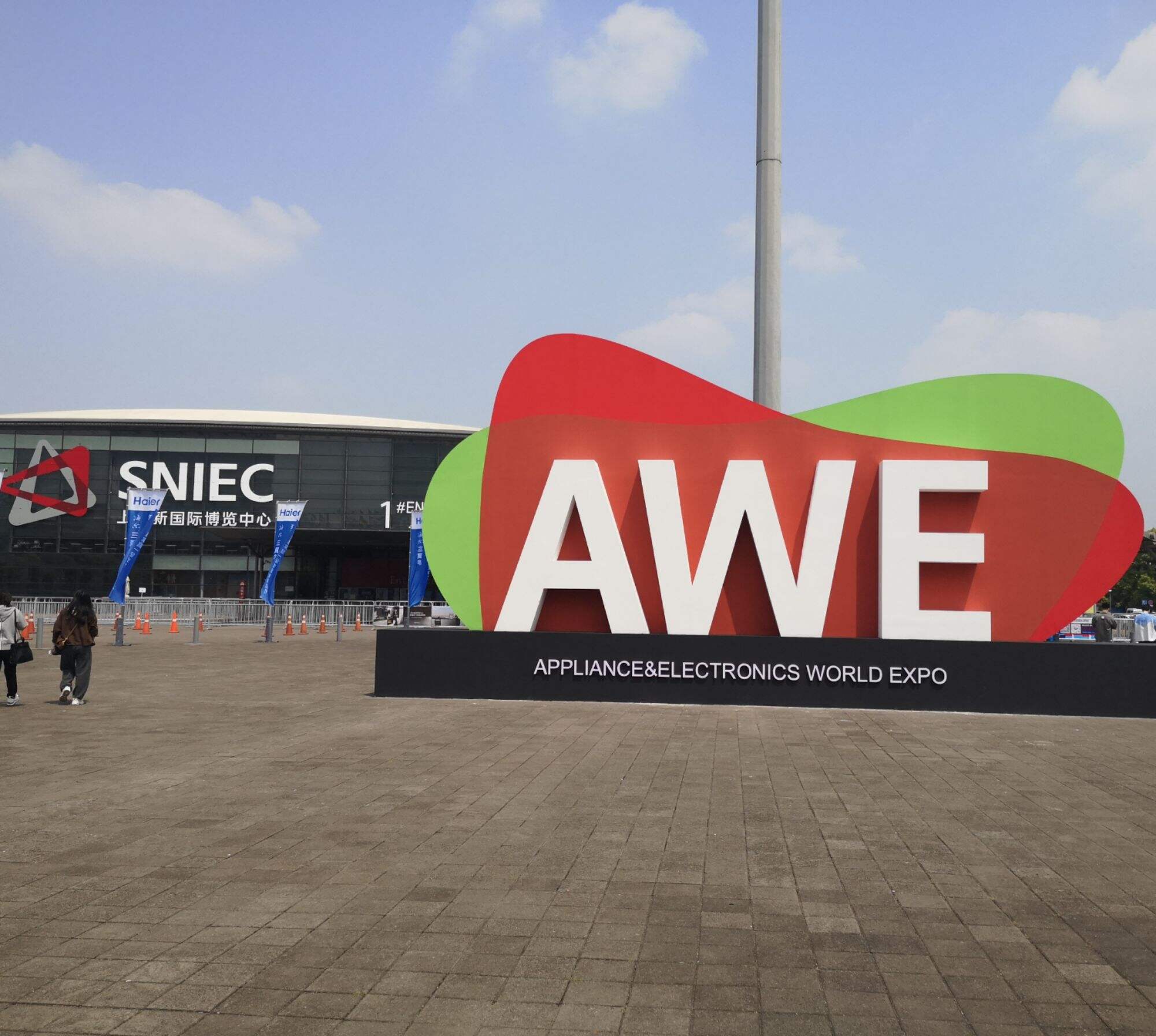
JNUO invites you to visit AWE 2023

27

Mar

JNUO invites you to visit AWE 2023

Explore JNUO's latest offerings at AWE 2023, Our air purifiers and humidifiers are setting new benchmarks in environmental appliances, creating a healthier living space for modern homes.
View More
Exploring the Impact of Advanced Shoe Dryers on Footwear

20

Mar

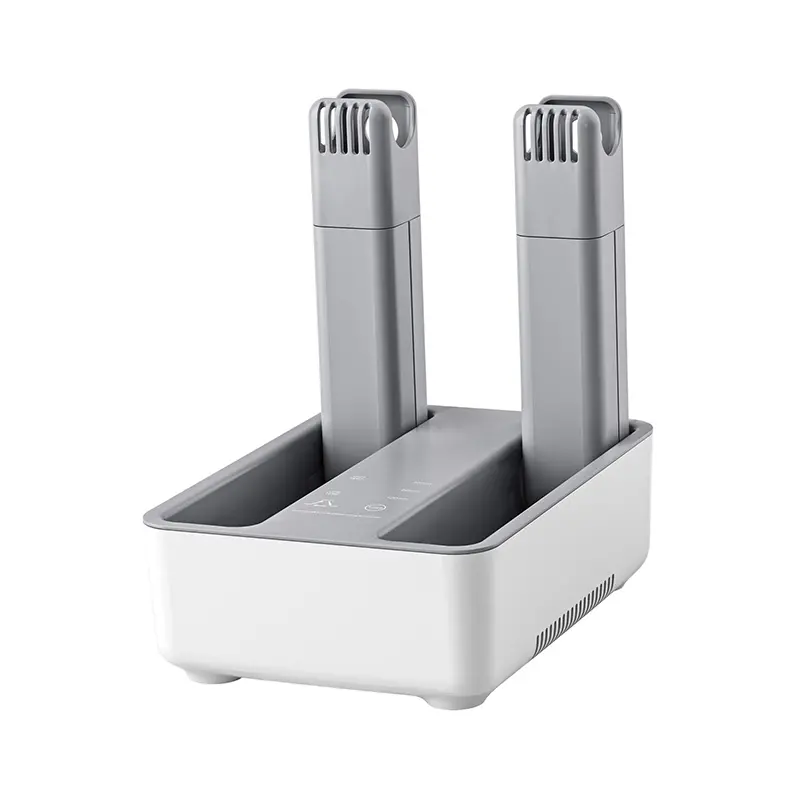
Exploring the Impact of Advanced Shoe Dryers on Footwear

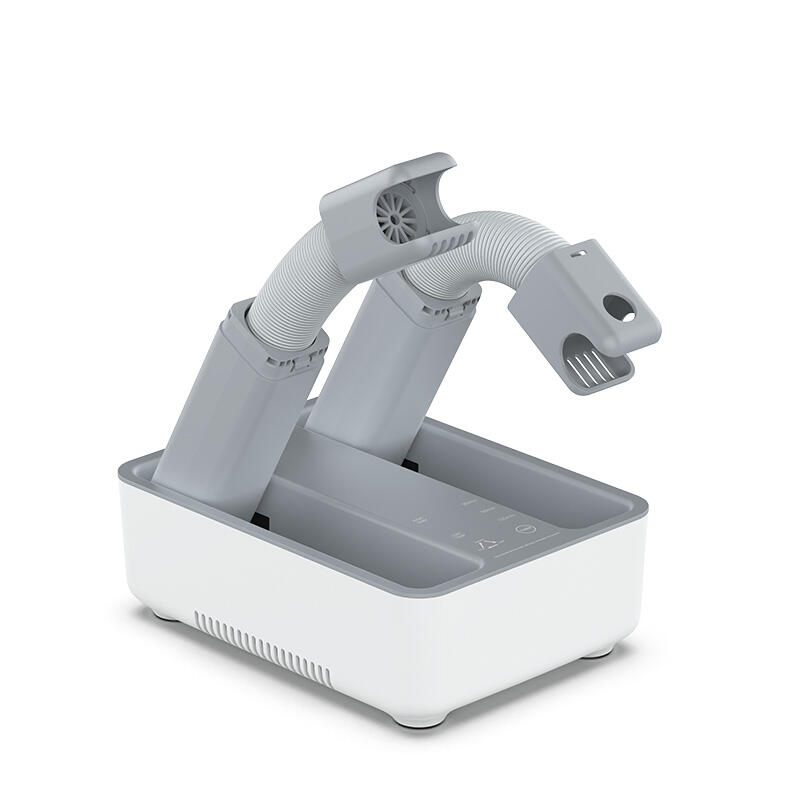
Shoe dryers offer a convenient and effective solution for drying and maintaining footwear in optimal condition and have become indispensable tools.
View More
The Ultimate Guide to Portable Air Conditioner Ventilation

03

Apr

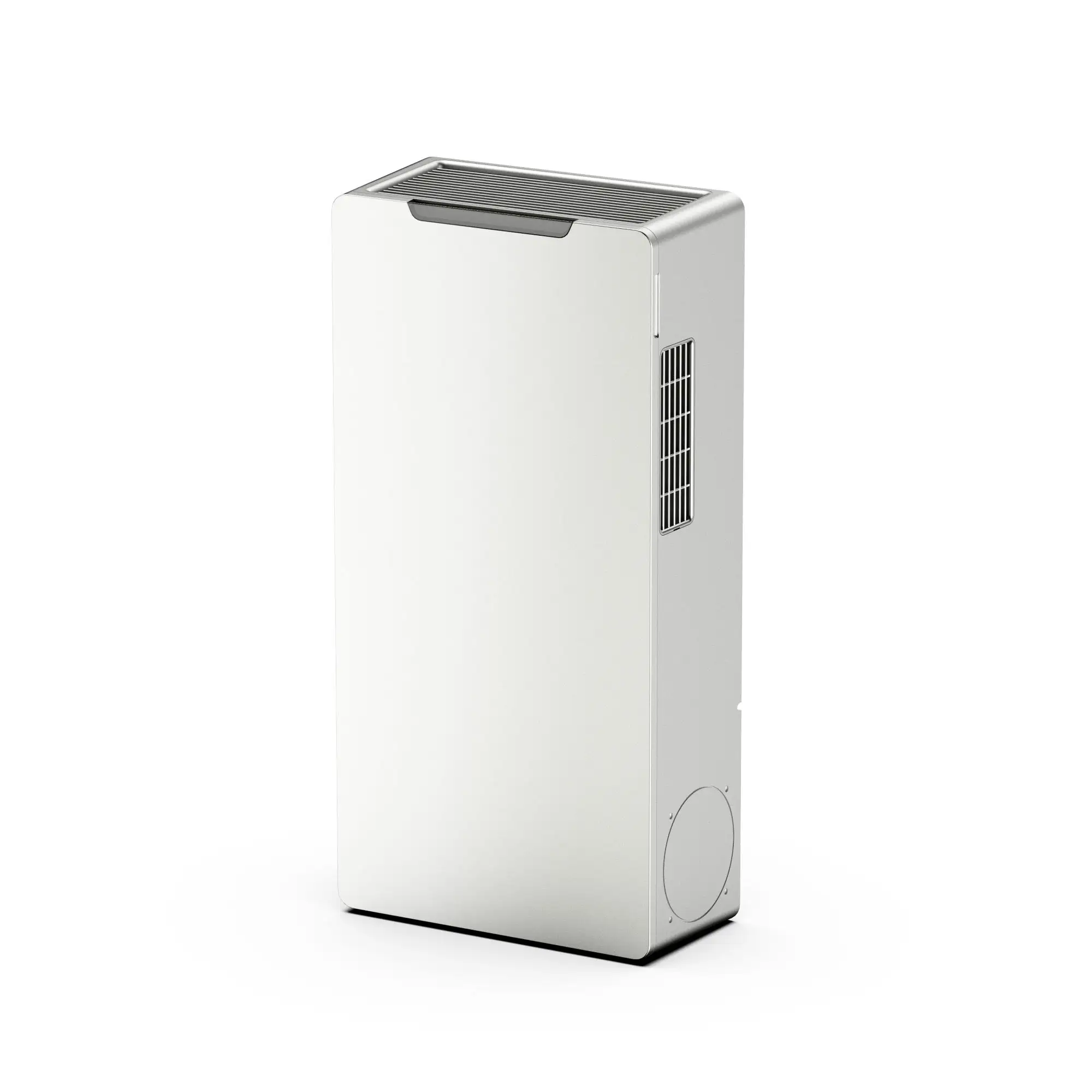
The Ultimate Guide to Portable Air Conditioner Ventilation

Portable air conditioner ventilation offers a convenient and cost-effective cooling solution that ensures your indoor environment remains comfortable and breathable.
View More

Get In Touch

indoor air filtration

Advanced Multi-Layer Filtration Technology for Complete Air Purification

Advanced Multi-Layer Filtration Technology for Complete Air Purification

The cornerstone of effective indoor air filtration lies in sophisticated multi-layer technology that addresses the complete spectrum of airborne contaminants through specialized filtration stages working in harmony. This comprehensive approach begins with a pre-filter layer that captures larger particles including hair, lint, and visible dust, preventing these materials from clogging finer filters and extending overall system longevity. The second stage typically employs True HEPA filtration, representing the gold standard in particle removal with scientifically verified capability to trap 99.97 percent of particles measuring 0.3 microns in diameter. This microscopic filtration level effectively captures pollen grains, dust mite debris, mold spores, pet dander, and even some bacteria, addressing the most common triggers for allergic reactions and respiratory distress. The HEPA layer operates through a complex mat of randomly arranged fibers that create a tortuous pathway forcing air through multiple directional changes, causing particles to collide with fibers through interception, impaction, and diffusion mechanisms. Beyond particulate removal, advanced indoor air filtration incorporates activated carbon layers containing millions of microscopic pores that chemically absorb volatile organic compounds, household chemicals, cooking odors, smoke particles, and gaseous pollutants that particulate filters cannot address. This chemical filtration proves essential for comprehensive air quality management since many indoor pollutants exist in gaseous form rather than as suspended particles. Some premium systems add additional specialized layers such as antimicrobial treatments that neutralize captured bacteria and viruses, preventing filter surfaces from becoming breeding grounds for microorganisms. Ultraviolet light stages in certain models provide an extra dimension of purification by disrupting the DNA of biological contaminants, rendering them unable to reproduce or cause illness. The synergy between these multiple filtration layers creates a comprehensive defense system that transforms contaminated air into clean, healthy breathing environment through a single pass cycle. This technological sophistication translates into tangible benefits for users who experience noticeably fresher air, reduced allergy symptoms, and confidence that their indoor environment receives hospital-grade purification continuously protecting family health and comfort around the clock.
Intelligent Air Quality Monitoring with Automated Response Systems

Intelligent Air Quality Monitoring with Automated Response Systems

Modern indoor air filtration systems incorporate intelligent monitoring technology that revolutionizes how buildings maintain optimal air quality through continuous environmental assessment and automated operational adjustments. Built-in sensors detect various pollutant types including particulate matter concentrations, volatile organic compound levels, humidity percentages, and even specific allergen presence, providing comprehensive real-time data about indoor air conditions. These sophisticated detection systems employ laser particle counters that precisely measure airborne particle quantities across different size ranges, distinguishing between larger irritants and fine particulates that penetrate deep into lungs causing the most significant health concerns. The collected data feeds into microprocessor-controlled logic systems that instantly analyze air quality against healthy standards and automatically adjust filtration intensity to address detected pollution levels. When sensors identify elevated contamination, the system immediately increases fan speed and filtration power to rapidly restore clean air conditions without requiring manual intervention from occupants. Conversely, during periods of excellent air quality, intelligent systems reduce operational intensity to conserve energy while maintaining sufficient circulation for ongoing protection. This dynamic responsiveness ensures optimal efficiency by deploying maximum purification power precisely when needed rather than running at constant high levels regardless of actual conditions. Visual displays on many units translate complex sensor data into simple color-coded indicators that instantly communicate air quality status, empowering users with environmental awareness that was previously impossible without expensive laboratory testing. Smart connectivity features enable remote monitoring through smartphone applications, allowing property owners to check air quality from anywhere and receive alerts when filter replacement becomes necessary or when pollution spikes require attention. Historical data tracking creates valuable patterns revealing pollution sources, seasonal variations, and effectiveness of ventilation strategies, enabling informed decisions about building management and lifestyle adjustments. For parents, this intelligence provides reassurance that nursery air remains pristine for infant respiratory systems, while elderly family members benefit from automated protection against conditions that could exacerbate chronic respiratory conditions. The combination of precise monitoring with intelligent automation transforms indoor air filtration from a passive background appliance into an active health guardian that continuously adapts to changing conditions, delivering optimal protection with minimal energy consumption and zero ongoing attention requirements from busy occupants who can trust their air quality management to advanced technology working tirelessly on their behalf.
Whisper-Quiet Operation with Energy-Efficient Performance for Continuous Protection

Whisper-Quiet Operation with Energy-Efficient Performance for Continuous Protection

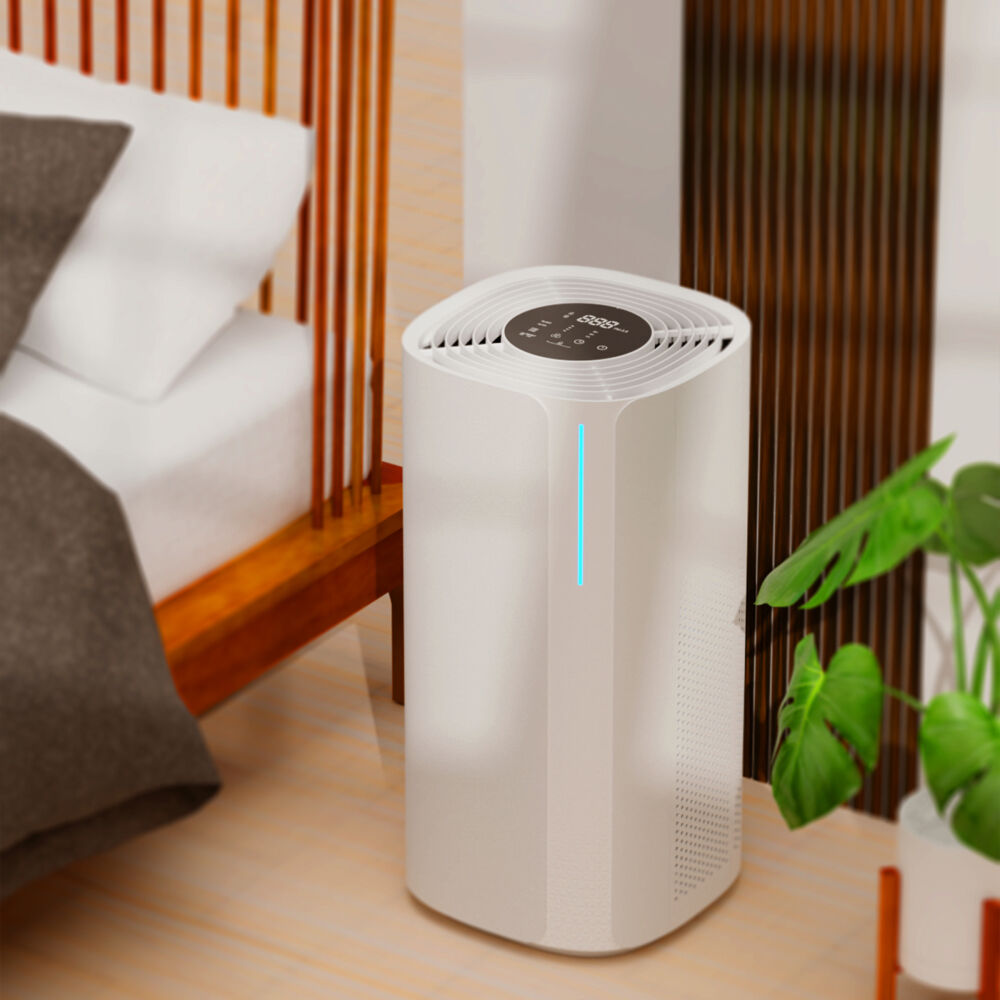
The engineering excellence behind contemporary indoor air filtration manifests clearly in whisper-quiet operation that allows systems to run continuously without creating disruptive noise or generating excessive energy costs that would discourage full-time use. Advanced motor technology employing brushless DC designs delivers powerful airflow while producing minimal acoustic signatures, typically operating below thirty decibels on lower settings, quieter than a soft whisper and imperceptible during normal household activities. This acoustic refinement proves essential because effective air purification requires continuous operation rather than intermittent use, meaning systems must integrate seamlessly into living and working environments without causing annoyance or sleep disruption. Aerodynamic fan blade designs optimize air movement efficiency while minimizing turbulence that generates unwanted sound, channeling airflow smoothly through filtration layers without the rattling or humming common in older technology. Vibration-dampening mounting systems isolate motor movement from housing structures, preventing resonance that could amplify operational sounds throughout rooms or buildings. Strategic air intake and outlet positioning creates laminar flow patterns that maximize room air circulation without generating the rushing wind sounds associated with poorly designed ventilation systems. Sleep modes featured on many units reduce operation to ultra-quiet levels perfect for bedroom use, ensuring indoor air filtration continues protecting respiratory health throughout night hours when bodies focus on repair and immune system function. Energy efficiency represents an equally critical engineering achievement, with modern systems consuming less power than standard light bulbs despite moving and filtering substantial air volumes continuously. ENERGY STAR certifications validate efficiency claims, confirming that units meet strict governmental standards for minimal electricity consumption relative to performance output. Variable speed motors adjust power draw proportionally to operational demands, significantly reducing energy use during periods when only maintenance-level filtration suffices. Over months and years of continuous operation, this efficiency translates into modest utility costs that make comprehensive air purification affordable for average households rather than remaining a luxury reserved for wealthy consumers. The combination of silent operation with economical energy consumption removes the two primary barriers that historically prevented people from running purification systems full-time, enabling the continuous protection necessary for meaningful health benefits. Users discover they can enjoy clean air in every room without acoustic irritation during conversations, television watching, or concentration-demanding work, while monthly electricity bills remain reasonable despite round-the-clock operation. This practical engineering excellence transforms indoor air filtration from an occasional-use appliance into an essential infrastructure component comparable to heating and cooling systems, quietly safeguarding health in the background without demanding attention, creating disturbances, or imposing financial burdens that would compromise long-term commitment to maintaining superior indoor air quality.
×
Let us know how we can help you.
Email Address *
Your Name
Phone
Company Name
Message *