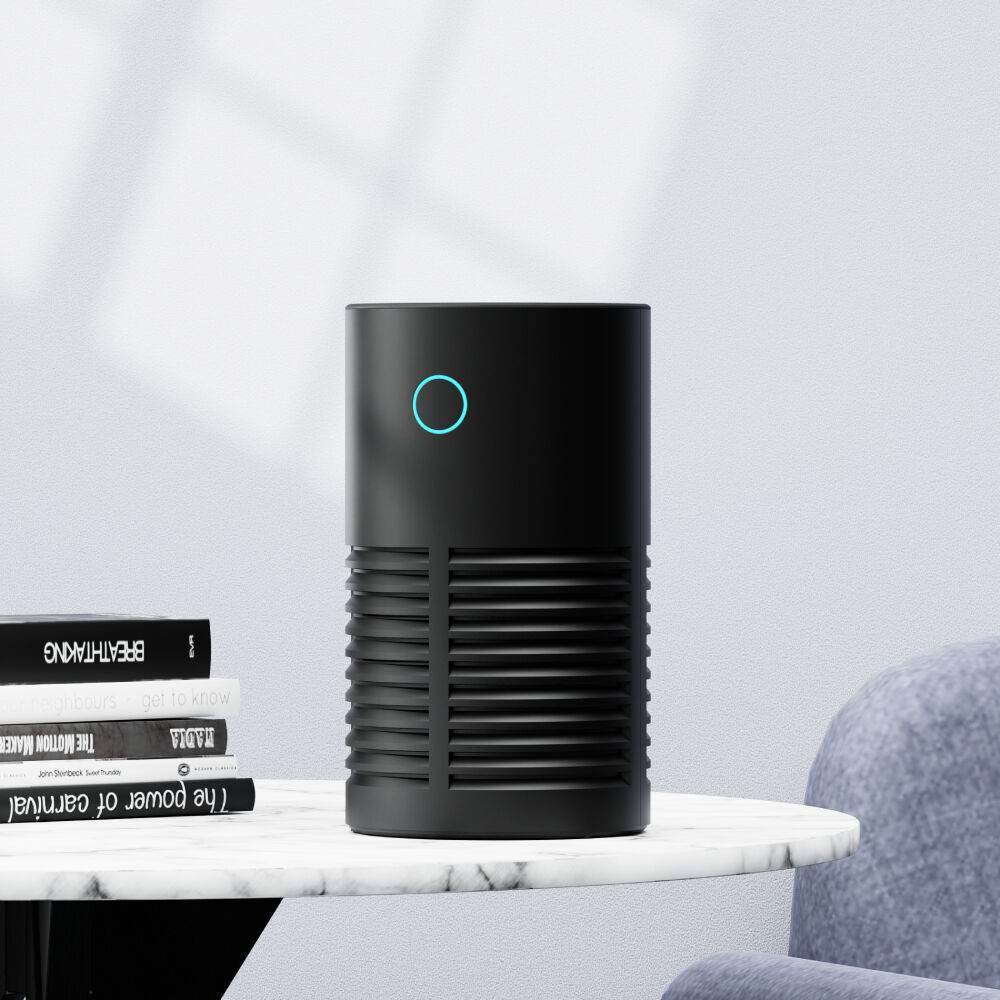
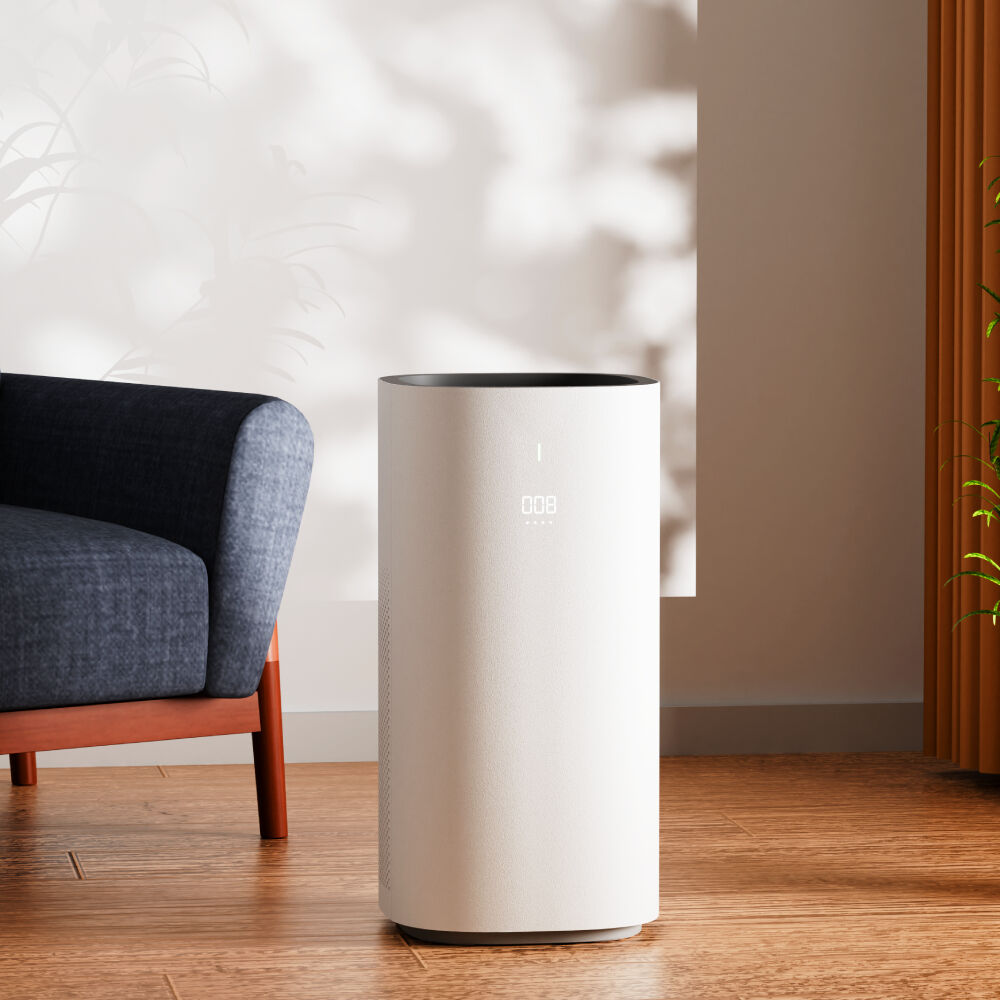
Advanced HEPA Filtration Technology Captures 99.97 Percent of Harmful Particles
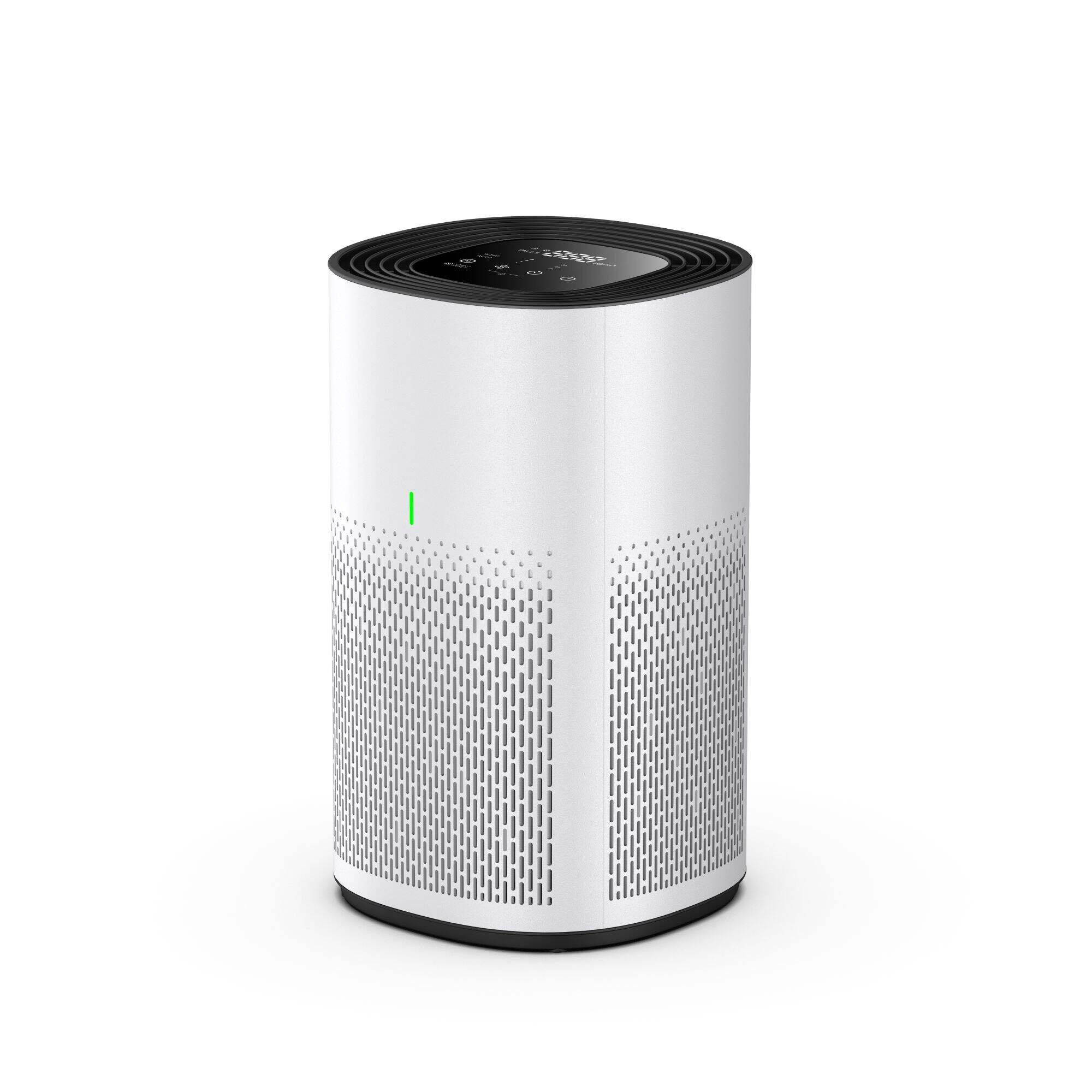
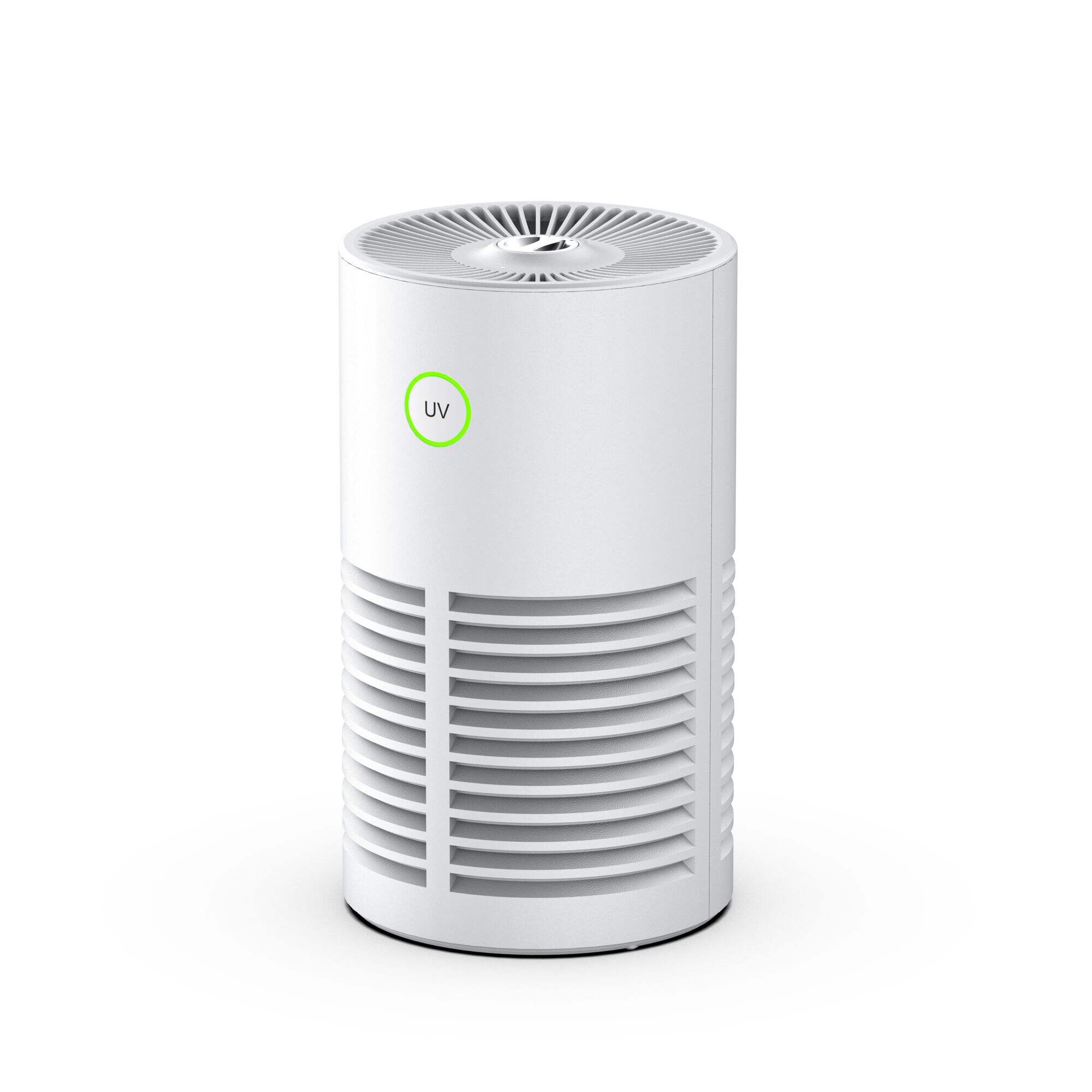
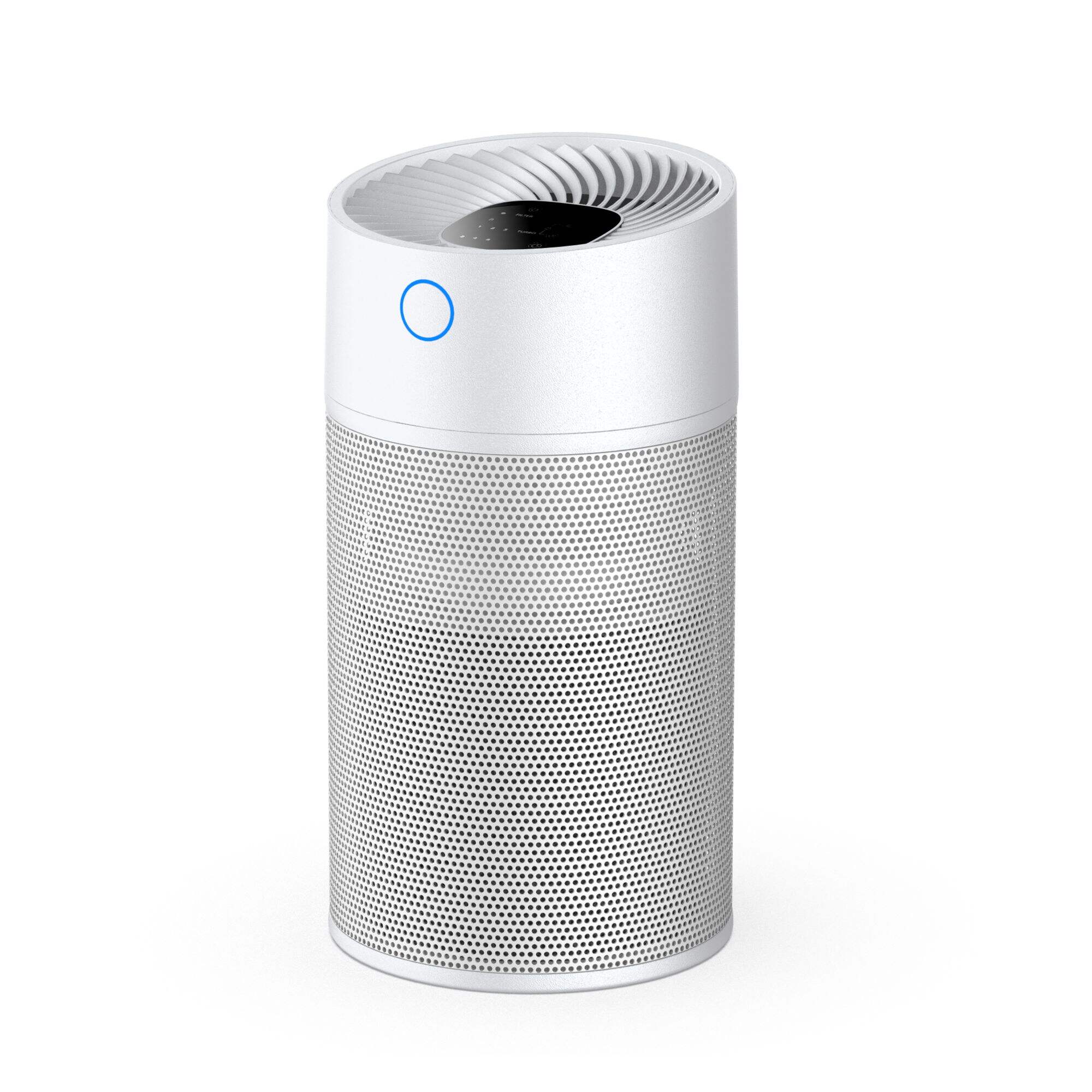
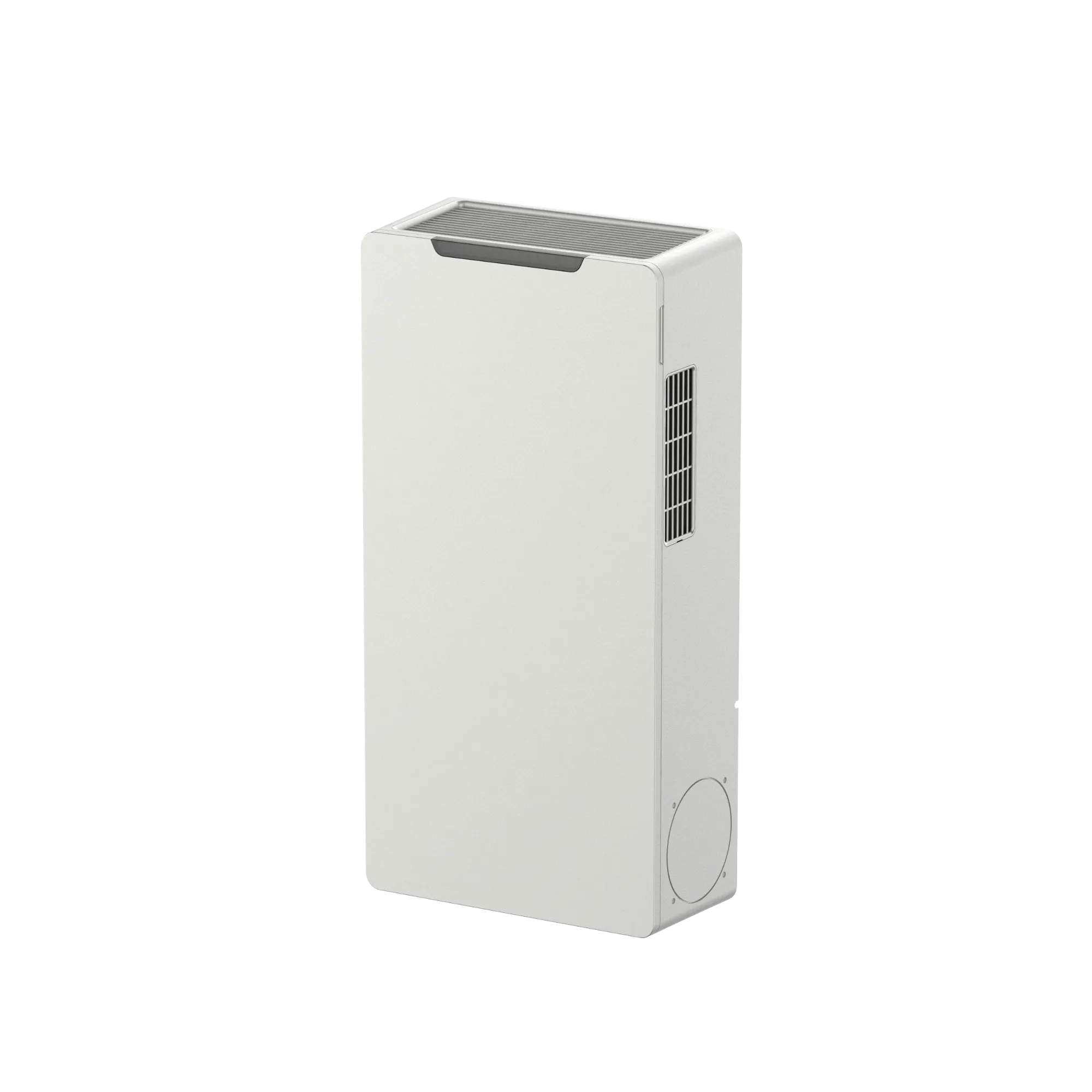
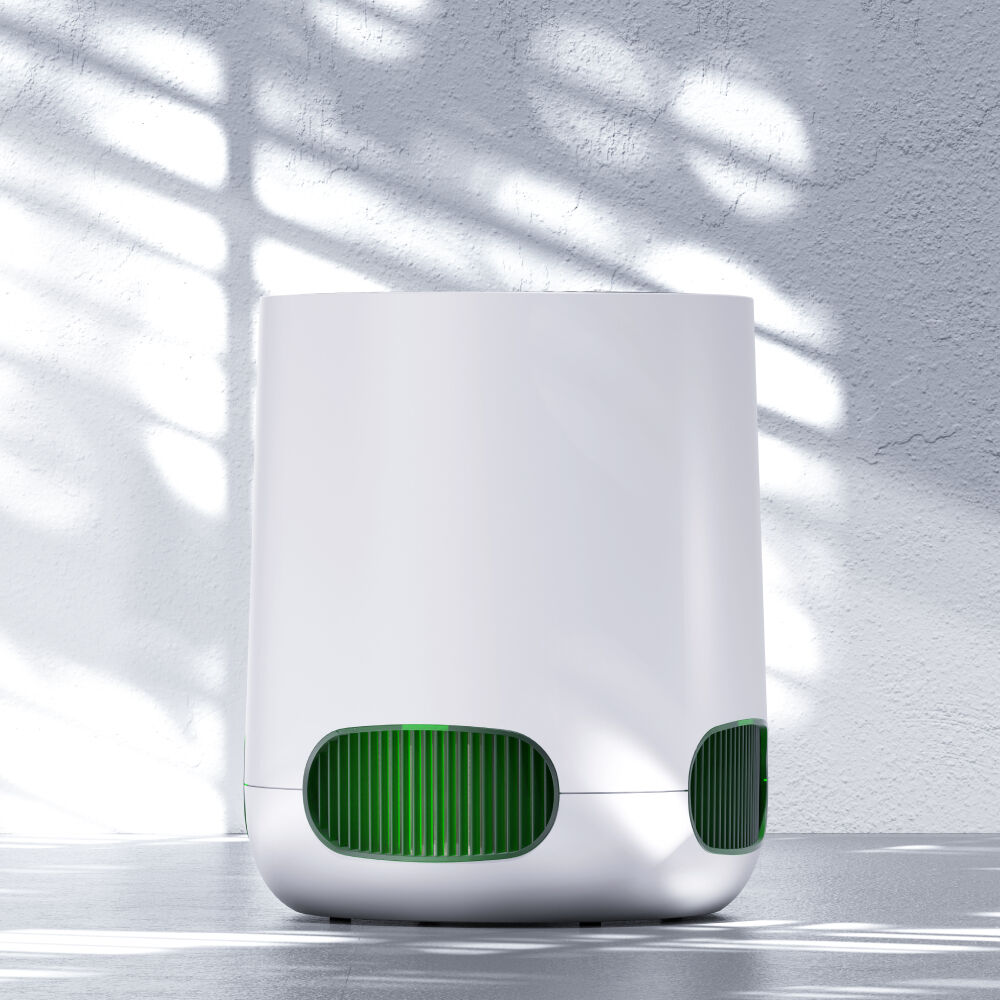
The cornerstone feature of any premium air filter for home use is its advanced HEPA filtration system, which stands as the gold standard in air purification technology. HEPA, meaning High Efficiency Particulate Air, refers to filters that meet strict standards set by regulatory agencies, capable of trapping 99.97 percent of particles as small as 0.3 microns in diameter. To put this in perspective, a human hair measures approximately 50 to 70 microns across, making the particles captured by an air filter for home use invisibly small to the naked eye. These microscopic contaminants include pollen grains, mold spores, dust mite debris, pet dander, and even some bacteria and viruses that cause respiratory infections. The multi-layered construction of HEPA filters in an air filter for home use creates a dense maze of fibers arranged randomly, forcing air to take a tortuous path through the material. As air navigates this labyrinth, particles become trapped through three distinct mechanisms: interception, where particles following airflow come within one radius of a fiber and stick to it; impaction, where larger particles cannot follow air around fibers and embed directly into them; and diffusion, where the smallest particles move erratically and eventually collide with fibers. This triple-action approach ensures comprehensive particle removal regardless of size or type. The practical importance of this technology becomes evident when you consider that indoor air often contains two to five times more pollutants than outdoor air, according to environmental studies. Without an air filter for home use equipped with true HEPA technology, you continuously breathe these contaminants, leading to accumulated health impacts over months and years. Allergy sufferers experience immediate relief as pollen counts drop to minimal levels indoors. Asthma patients find their symptoms triggered less frequently, reducing reliance on rescue inhalers and preventive medications. Parents worry less about their children's developing lungs being exposed to harmful particulates during crucial growth years. The long-term value extends beyond health benefits to include protection of your home investment. Airborne particles settle on and penetrate into fabrics, carpets, and upholstery, causing premature wear and discoloration. An air filter for home use intercepts these particles before they land, preserving the appearance and longevity of your furnishings. The HEPA filter itself requires replacement typically every six to twelve months depending on usage and air quality conditions, but this maintenance cost proves minimal compared to the comprehensive protection provided. When selecting an air filter for home use, verification of true HEPA certification ensures you receive genuine filtration performance rather than marketing claims based on inferior filter types.
 EN
EN
 AR
AR
 NL
NL
 FR
FR
 DE
DE
 EL
EL
 HI
HI
 IT
IT
 JA
JA
 KO
KO
 PL
PL
 PT
PT
 ES
ES
 ID
ID
 VI
VI
 TH
TH
 TR
TR
 MS
MS