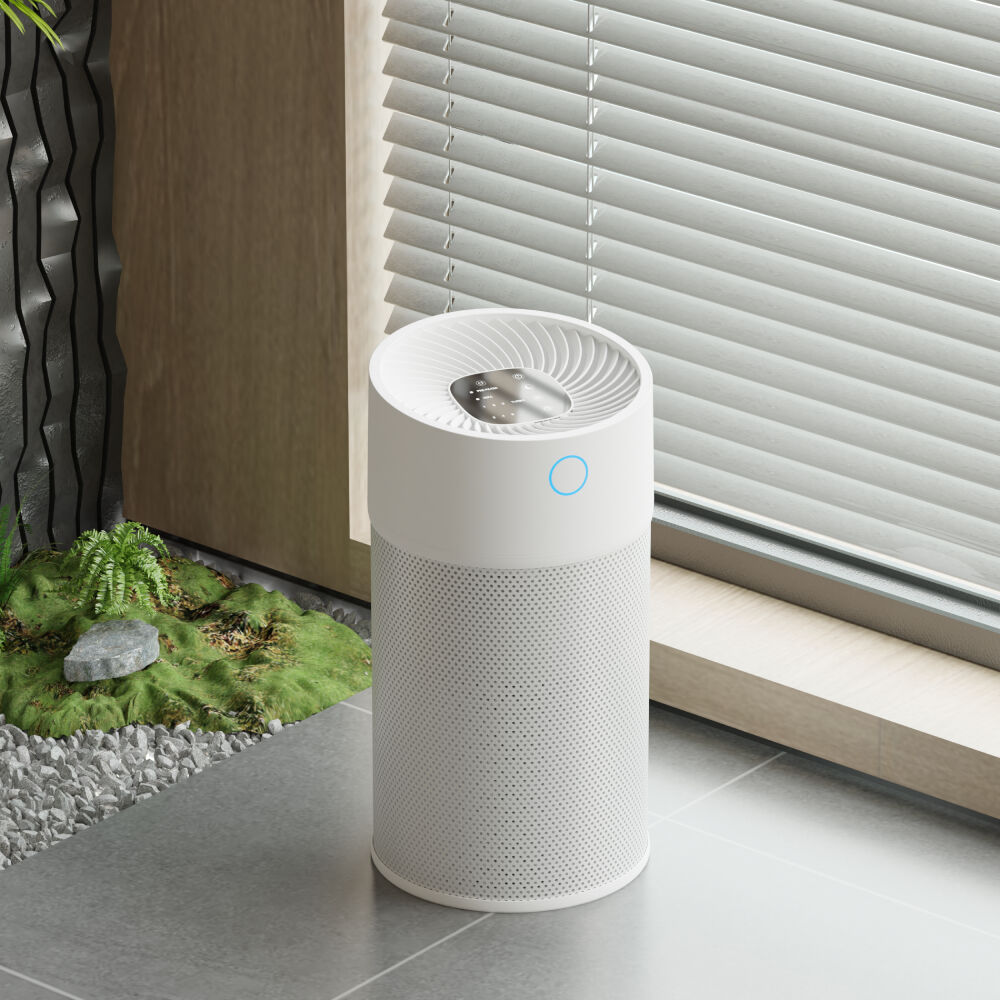
hepa purifier
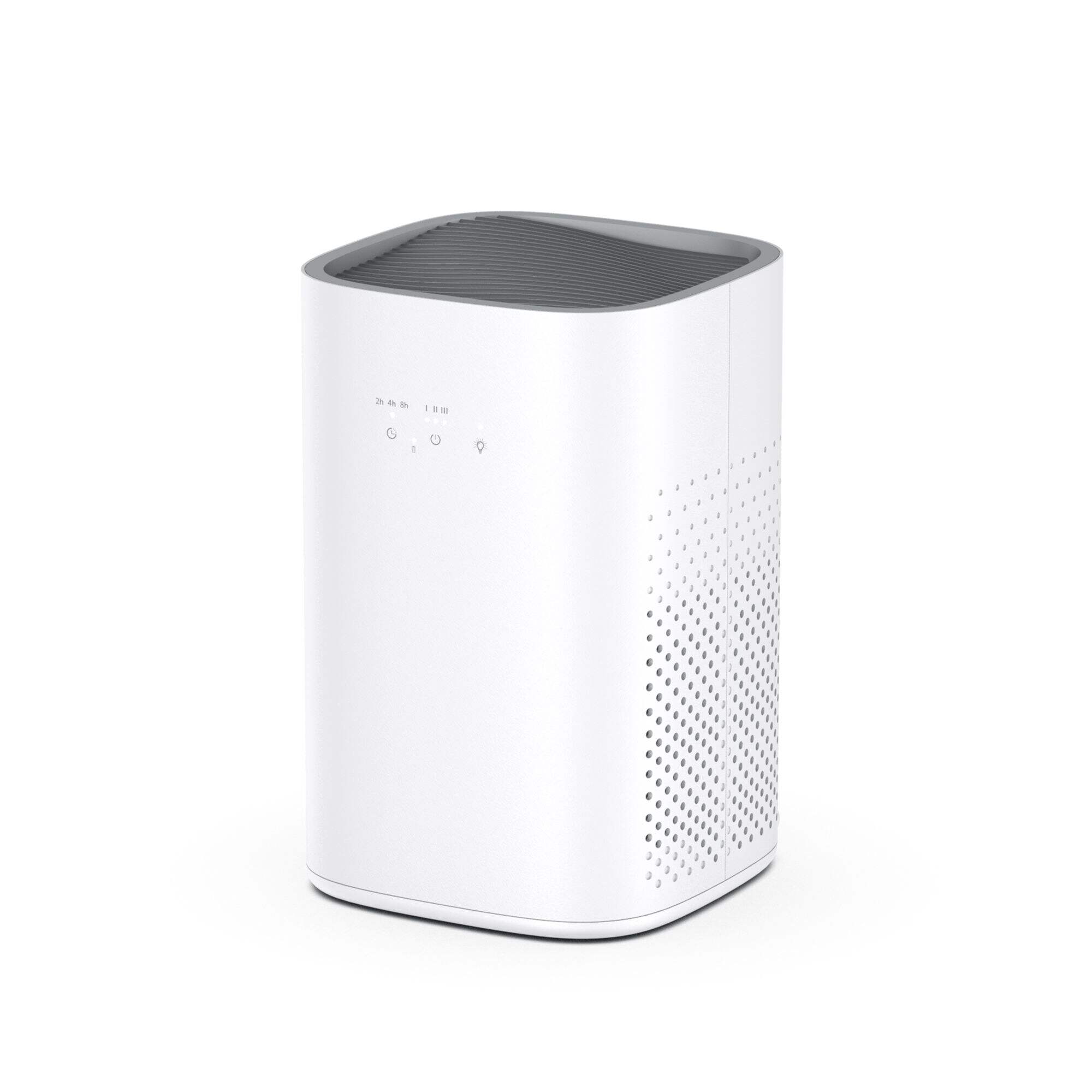
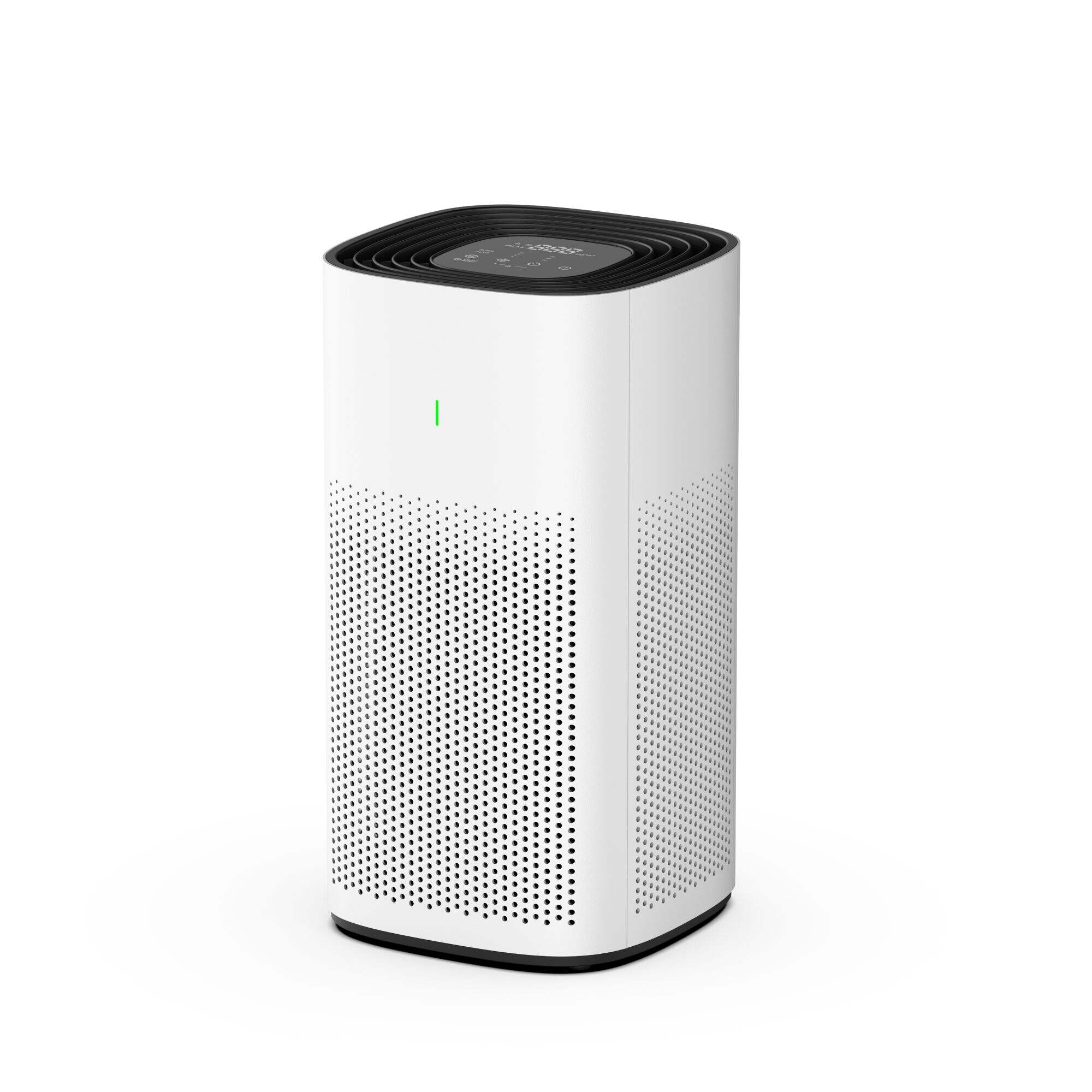
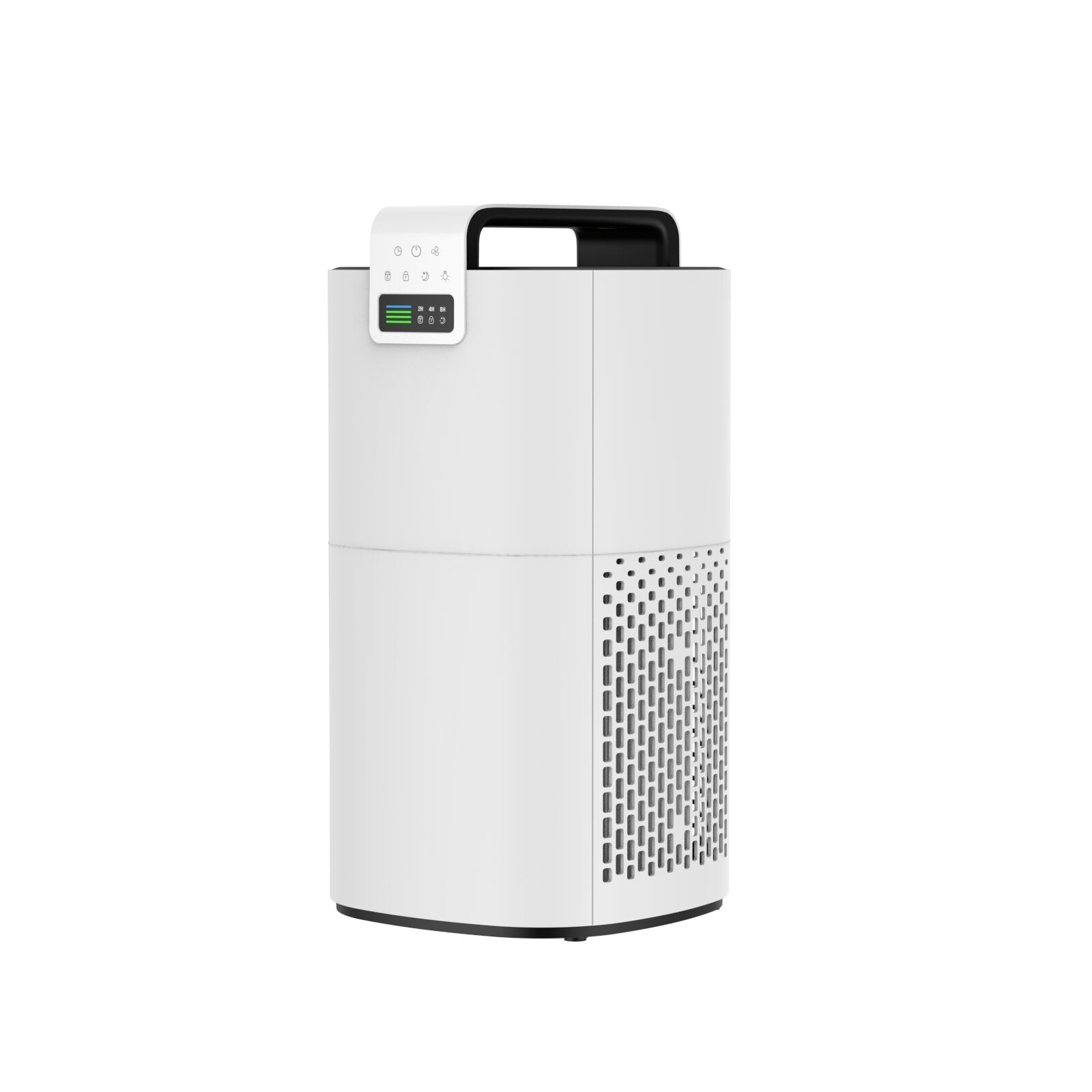
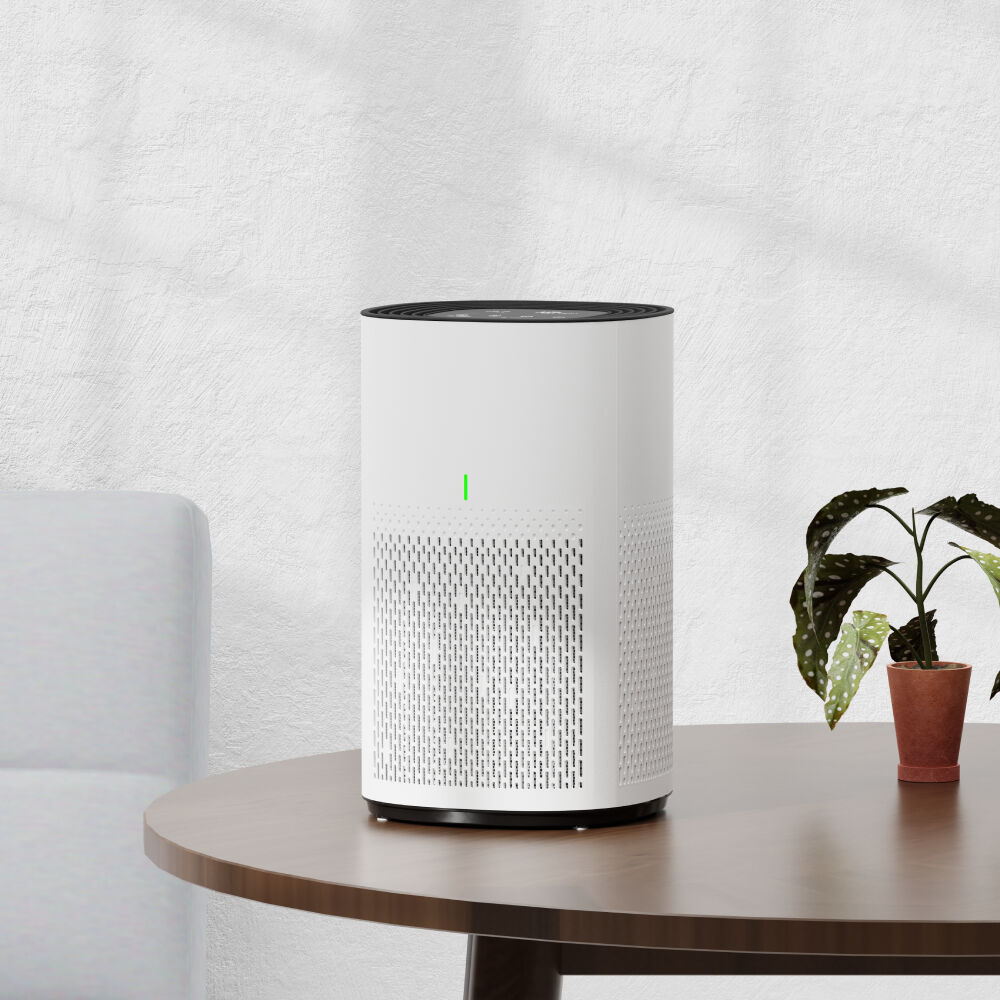
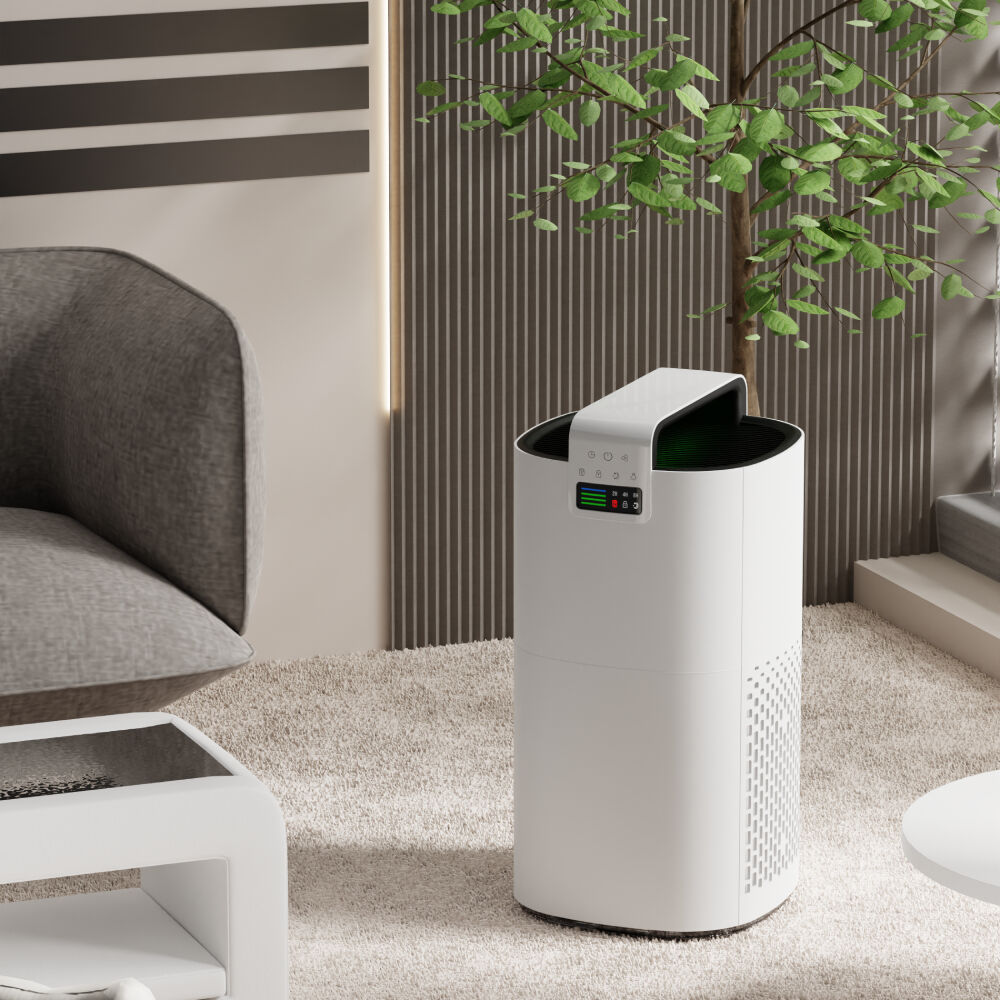
A hepa purifier represents a sophisticated air cleaning solution designed to remove microscopic particles and contaminants from indoor environments. The acronym HEPA stands for High Efficiency Particulate Air, which defines the rigorous filtration standard these devices must meet. At its core, a hepa purifier utilizes advanced filtration technology capable of capturing at least 99.97 percent of airborne particles as small as 0.3 microns in diameter. This exceptional capability makes these purifiers highly effective against dust, pollen, pet dander, mold spores, bacteria, and even certain viruses. The main function of a hepa purifier revolves around continuously cycling room air through its multi-stage filtration system, progressively removing larger particles first, then capturing finer contaminants through the dense HEPA filter media. Many modern units incorporate additional technologies such as activated carbon filters for odor elimination, UV-C light for microbial neutralization, and ionizers to enhance particle capture rates. The technological features of contemporary hepa purifier models include smart sensors that monitor air quality in real-time, automatically adjusting fan speeds based on detected pollution levels. These devices typically offer multiple operational modes including sleep mode for quiet nighttime operation, turbo mode for rapid air cleaning, and auto mode for energy-efficient continuous purification. Applications for hepa purifier systems span residential, commercial, medical, and industrial settings. Homeowners install these units in bedrooms, living rooms, and nurseries to create healthier breathing environments for family members, particularly those with allergies, asthma, or respiratory sensitivities. Medical facilities rely on hepa purifier technology in patient rooms, waiting areas, and surgical suites to maintain sterile conditions. Offices and commercial spaces deploy these systems to improve employee wellness and productivity. The effectiveness of a hepa purifier depends on factors including room size compatibility, air change rate per hour, and proper maintenance schedules. When selecting a unit, consumers should consider coverage area specifications, noise levels, energy consumption ratings, and filter replacement costs to ensure optimal performance and value.

 EN
EN
 AR
AR
 NL
NL
 FR
FR
 DE
DE
 EL
EL
 HI
HI
 IT
IT
 JA
JA
 KO
KO
 PL
PL
 PT
PT
 ES
ES
 ID
ID
 VI
VI
 TH
TH
 TR
TR
 MS
MS