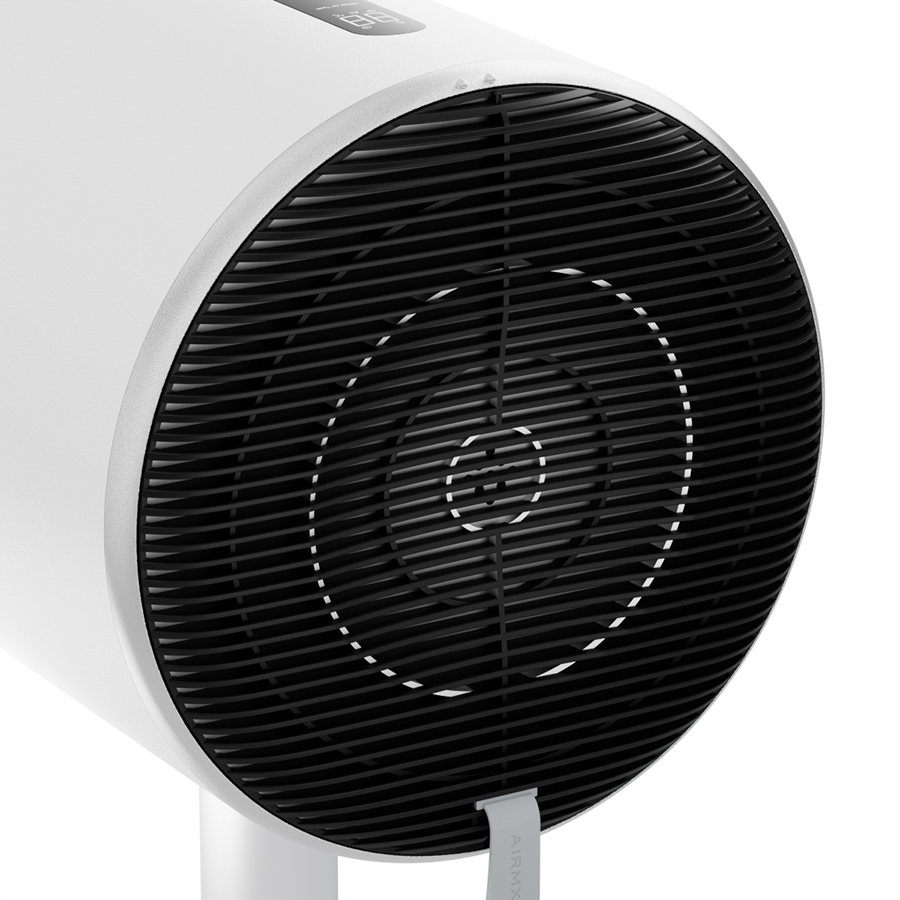
Seamless Integration with Existing Equipment Systems
The integration advantages of an OEM fan extend far beyond simple dimensional compatibility, encompassing electrical specifications, control interfaces, and system-level performance characteristics that ensure harmonious operation within complex equipment environments. When manufacturers design original equipment, they specify cooling components that complement thermal loads, airflow pathways, and acoustic requirements of the complete system. An OEM fan maintains these carefully balanced relationships, preserving the intended operational characteristics that generic substitutes may disrupt. Mounting configurations follow standardized patterns with precisely located hole positions, bracket interfaces, and fastener types that match original installations. This exact correspondence eliminates time-consuming modifications and preserves structural integrity that custom adaptations might compromise. Electrical compatibility encompasses voltage requirements, current draw specifications, connector types, and control signal protocols that OEM fan designs honor completely. Users avoid voltage conversion complications, current capacity concerns, and connector adaptation challenges that aftermarket alternatives frequently impose. Control integration represents a sophisticated aspect of OEM fan compatibility, particularly in systems employing pulse width modulation speed control, tachometer feedback signals, or thermal sensor inputs. An OEM fan responds correctly to these control signals, maintaining stable operation across the entire speed range without hunting, stalling, or erratic behavior. Airflow matching ensures the OEM fan delivers volumetric flow rates and static pressure characteristics suited to specific duct configurations, filter resistances, and heat exchanger designs within the target equipment. Installing a fan with mismatched performance curves can create inadequate cooling, excessive noise, or unnecessary energy consumption. Acoustic integration considers how fan noise combines with other equipment sounds to produce the overall acoustic signature. OEM fan selections account for frequency content, directional characteristics, and amplitude relationships that maintain acceptable noise levels in the intended installation environment. Certification compliance provides another integration advantage, as OEM fan manufacturers ensure their products meet safety standards, electromagnetic compatibility requirements, and efficiency regulations applicable to the complete equipment assembly. This compliance simplifies regulatory approval processes and eliminates potential legal complications. The documentation accompanying an OEM fan typically includes detailed specifications, installation instructions, and maintenance guidelines that reference the specific equipment model, providing clarity that generic fan suppliers cannot offer. This targeted information accelerates installation procedures and supports proper ongoing maintenance practices.
 EN
EN
 AR
AR
 NL
NL
 FR
FR
 DE
DE
 EL
EL
 HI
HI
 IT
IT
 JA
JA
 KO
KO
 PL
PL
 PT
PT
 ES
ES
 ID
ID
 VI
VI
 TH
TH
 TR
TR
 MS
MS