
 EN
 AR
 NL
 FR
 DE
 EL
 HI
 IT
 JA
 KO
 PL
 PT
 ES
 ID
 VI
 TH
 TR
 MS
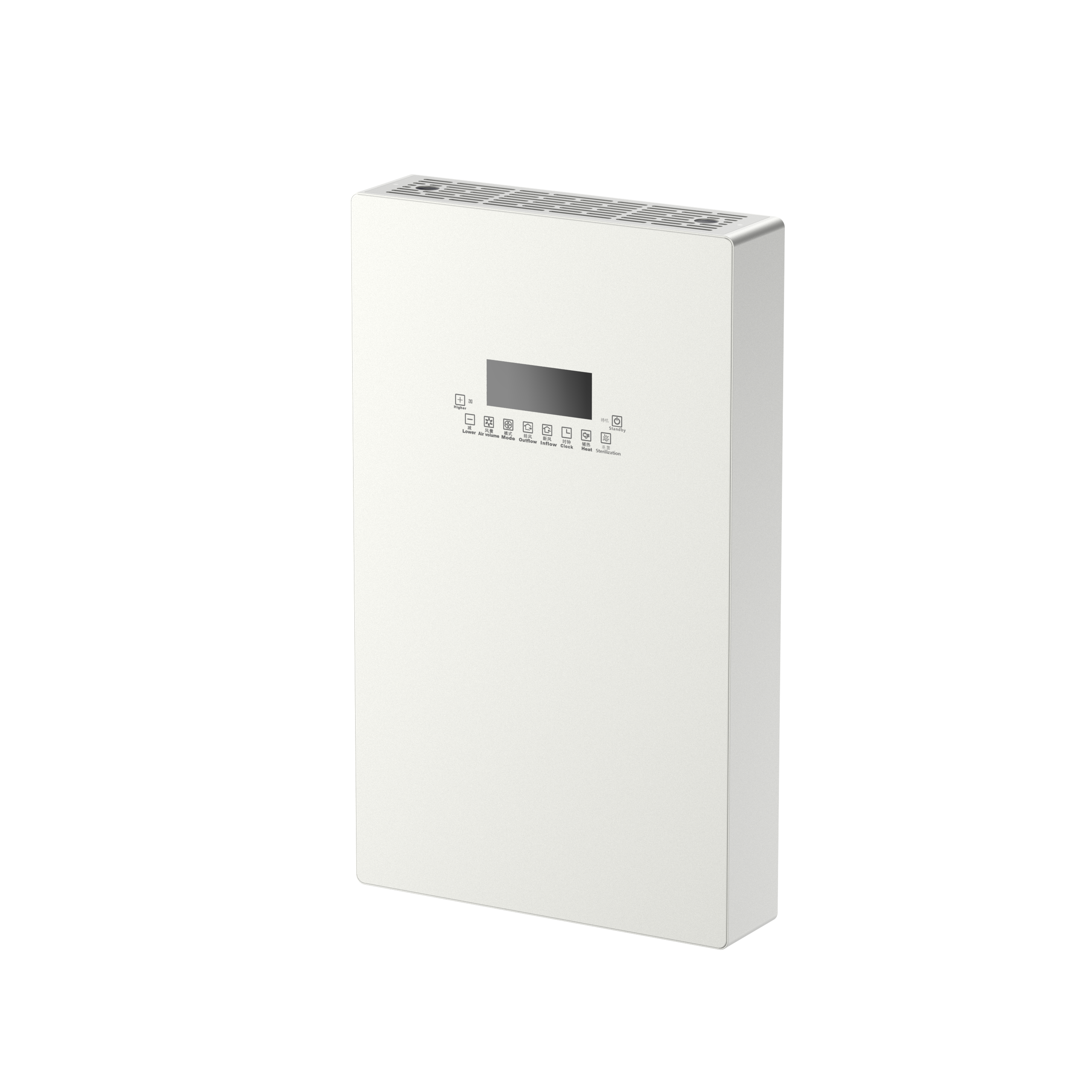
Indoor air quality has become a central concern for residential and commercial spaces, with growing recognition that an air ventilator plays a critical role in maintaining healthier environments. Poor indoor air circulation contributes to stagnant conditions, accumulation of pollutants, and reduced oxygen levels, all of which impact occupant health and comfort. An air ventilator actively addresses these challenges by facilitating continuous exchange of indoor and outdoor air, removing contaminants, moisture, and carbon dioxide while introducing fresh oxygen-rich air. Understanding how an air ventilator functions and its contribution to indoor wellness is essential for anyone seeking to optimize their indoor environment.
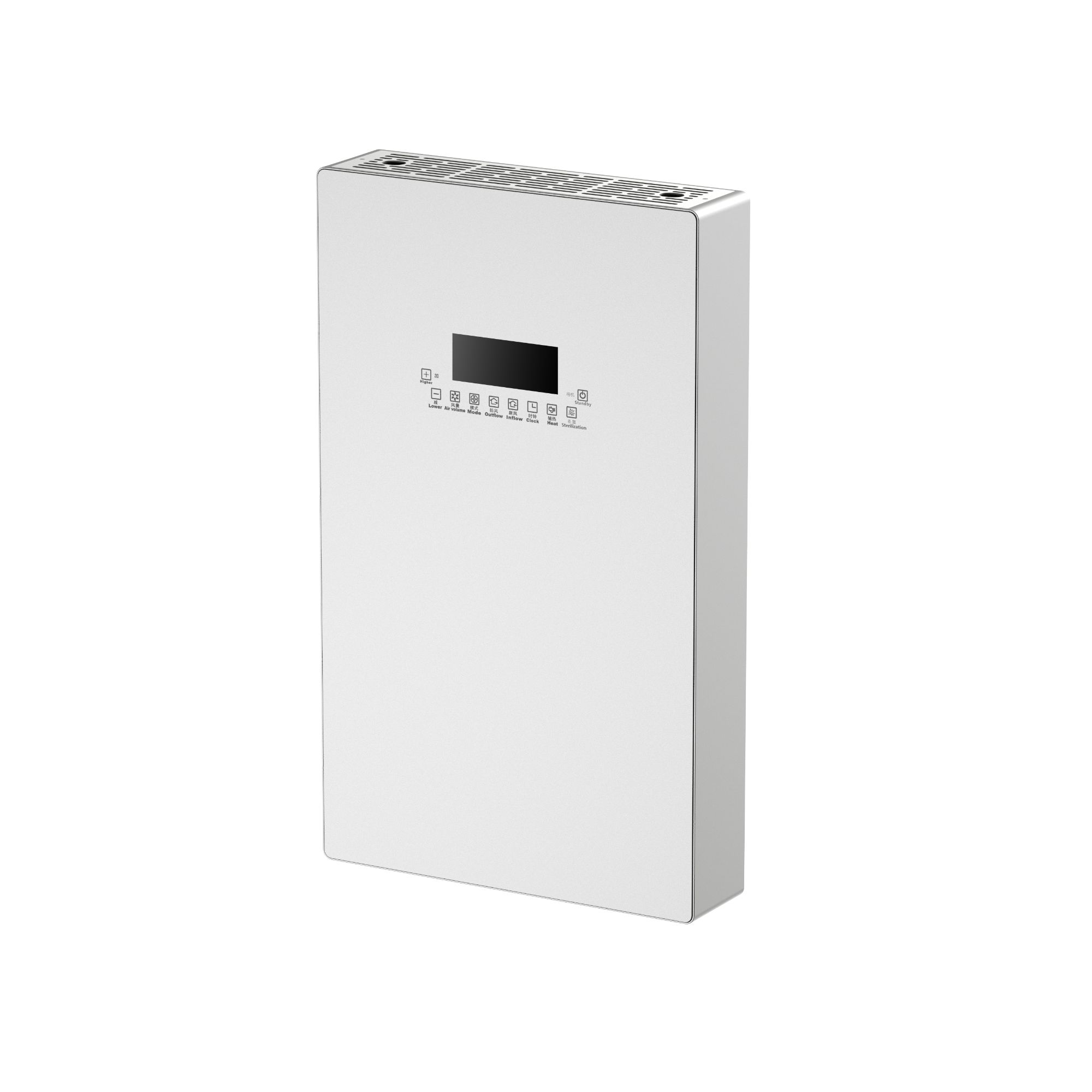
The effectiveness of an air ventilator depends on its design, installation quality, and integration with existing HVAC systems. Modern air ventilator technologies range from simple exhaust fans to sophisticated heat-recovery ventilation systems that maintain thermal efficiency while improving air quality. Whether in homes, offices, factories, or healthcare facilities, an air ventilator serves as a foundational component of healthy indoor environments by preventing air stagnation, controlling humidity levels, and reducing airborne contaminants that accumulate over time.
Mechanisms Behind Air Ventilator Performance
How an Air Ventilator Circulates Indoor Air
An air ventilator operates by creating mechanical airflow that moves stale indoor air outward while drawing fresh outdoor air inward. This dual-action circulation prevents dead zones where air becomes trapped and pollutants concentrate. The core principle involves continuous motion, ensuring that every area of a room receives periodic refreshment rather than allowing air to settle stagnantly. An air ventilator with properly calibrated fan speeds maintains consistent circulation patterns without creating uncomfortable drafts or noise disturbances.
The efficiency of an air ventilator depends on duct design, fan motor power, and overall system balance. A well-designed air ventilator ensures minimal resistance while moving substantial air volumes, typically measured in cubic feet per minute (CFM). Commercial and residential applications require different airflow specifications; an air ventilator sized appropriately for its space maintains optimal circulation without excessive energy consumption or operational costs.
Air Quality Pollutant Removal
An air ventilator reduces indoor pollutants by systematically replacing contaminated air with cleaner outdoor air, provided outdoor conditions permit. This continuous exchange removes volatile organic compounds (VOCs), dust particles, allergens, and humidity that contribute to respiratory discomfort and material degradation. An air ventilator equipped with filtration stages captures larger particles before they circulate through living or working spaces, further enhancing air quality outcomes. Modern designs integrate activated carbon and HEPA filters to trap microscopic contaminants while maintaining airflow efficiency.
The removal capacity of an air ventilator also depends on outdoor air quality conditions. In urban or industrial areas with higher outdoor pollution, an air ventilator with multiple filter stages becomes essential for preventing external contaminants from entering indoor spaces. An air ventilator designed for such environments typically incorporates pre-filters, activated carbon layers, and fine particle screens to ensure net air quality improvement regardless of external conditions.
Health and Comfort Benefits of Air Ventilator Systems
Respiratory Health Improvements
Occupants in spaces with an air ventilator benefit from higher oxygen availability and reduced accumulation of carbon dioxide, both critical for cognitive function and physical well-being. Studies consistently link poor indoor air quality to headaches, fatigue, reduced focus, and long-term respiratory issues. An air ventilator mitigates these conditions by ensuring continuous fresh air supply, creating environments where occupants experience improved alertness, productivity, and overall comfort. This is particularly important in educational facilities, offices, and healthcare settings where air quality directly impacts occupant performance and recovery.
An air ventilator also controls humidity levels, preventing mold growth and dust mite proliferation that aggravate allergies and asthma. Excess moisture creates conditions favoring microbial growth; an air ventilator removes humid air and introduces drier replacement air, maintaining relative humidity within healthy ranges of 30–50%. This dual benefit of oxygen enrichment and humidity control makes an air ventilator a multifaceted investment in respiratory wellness across diverse indoor environments.
Thermal Comfort and Energy Efficiency
Conventional ventilation methods sacrifice heating or cooling efficiency by exhausting conditioned air outdoors. Advanced air ventilator systems with heat-recovery capabilities reclaim thermal energy from outgoing air, preheating or pre-cooling incoming fresh air before distribution. An air ventilator with heat-recovery integration maintains indoor temperature consistency while achieving air quality goals, reducing HVAC workload and energy consumption significantly. This efficiency advantage makes an air ventilator economically attractive over extended operational periods despite higher upfront costs.
Temperature-sensitive spaces, including hospitals, laboratories, and manufacturing facilities, particularly benefit from an air ventilator designed for thermal recovery. An air ventilator that preserves heating or cooling investment while maintaining air exchanges demonstrates direct cost savings on utility bills and extends equipment lifespan by reducing HVAC cycling demand. This combination of air quality improvement and energy performance justifies implementation in both retrofit and new construction scenarios.
Application Scenarios and Implementation Considerations
Residential and Commercial Application Contexts
Residential spaces increasingly require an air ventilator as modern construction emphasizes airtight envelopes for thermal efficiency, inadvertently creating air quality challenges. An air ventilator in homes prevents indoor air stagnation while maintaining energy benefits from tight building envelopes. Commercial offices, retail spaces, and hospitality environments similarly depend on an air ventilator to support occupant health, reduce sick leave, and create attractive indoor conditions that enhance business performance. Post-pandemic awareness of airborne transmission has accelerated adoption of an air ventilator across institutional and commercial sectors.
Industrial facilities, warehouses, and manufacturing plants require specialized air ventilator configurations to handle thermal loads, humidity challenges, and particulate contamination. An air ventilator in these environments must accommodate larger volumes, harsher conditions, and potential chemical exposure, necessitating robust materials and specialized filtration. Healthcare facilities demand an air ventilator meeting strict air exchange requirements and infection control protocols, making this application among the most demanding and critical.
Selection and Installation Factors
Selecting an appropriate air ventilator requires assessing room volume, occupancy levels, outdoor air quality, climate conditions, and noise sensitivity. An air ventilator oversized relative to space requirements wastes energy; undersized systems fail to achieve adequate circulation. Professional sizing calculations ensure an air ventilator operates within optimal ranges, typically cycling fresh air changes every 2–4 hours in residential settings and more frequently in commercial environments. Proper installation with sealed ductwork and balanced inlet-outlet design maximizes an air ventilator's effectiveness while minimizing noise and energy waste.
Maintenance requirements for an air ventilator include regular filter replacement, duct cleaning, and fan inspection to sustain performance. An air ventilator with accessible service points and replaceable filter cartridges simplifies ongoing maintenance, preventing gradual efficiency loss. Climate-specific considerations, such as freezing protection in cold regions or moisture management in humid climates, influence an air ventilator's design specifications and operational protocols, requiring localized expertise during selection and installation.
FAQ
Can an air ventilator eliminate all indoor pollutants?
An air ventilator substantially reduces pollutant concentrations by continuously replacing stale indoor air with fresh outdoor air, but cannot eliminate all contaminants independently. An air ventilator combined with supplementary air filtration, source control, and regular cleaning achieves more comprehensive pollution reduction. Outdoor air quality variations and indoor pollution sources like cooking, printing, or cleaning activities mean an air ventilator performs optimally as part of a comprehensive indoor air quality strategy rather than as a standalone solution.
How much energy does an air ventilator consume?
Energy consumption for an air ventilator varies based on system type, airflow capacity, and operational hours. Standard exhaust fans consume 10–50 watts, while larger ventilation systems may require 200–500 watts. An air ventilator with heat-recovery technology increases operational costs but reduces overall HVAC energy demand, often resulting in net energy savings. Modern variable-speed air ventilator systems automatically adjust fan speeds based on occupancy and air quality sensors, optimizing energy efficiency while maintaining performance standards.
Is an air ventilator necessary in all indoor spaces?
While an air ventilator significantly improves indoor air quality, necessity depends on building design, occupancy patterns, and outdoor air quality. Older, naturally drafty buildings may achieve adequate ventilation through infiltration, though an air ventilator provides superior control and consistency. Modern sealed buildings, high-occupancy facilities, and areas with outdoor air quality concerns benefit most from an air ventilator. Energy codes and building standards increasingly mandate mechanical ventilation, making an air ventilator standard practice in commercial and institutional construction.