
 EN
 AR
 NL
 FR
 DE
 EL
 HI
 IT
 JA
 KO
 PL
 PT
 ES
 ID
 VI
 TH
 TR
 MS
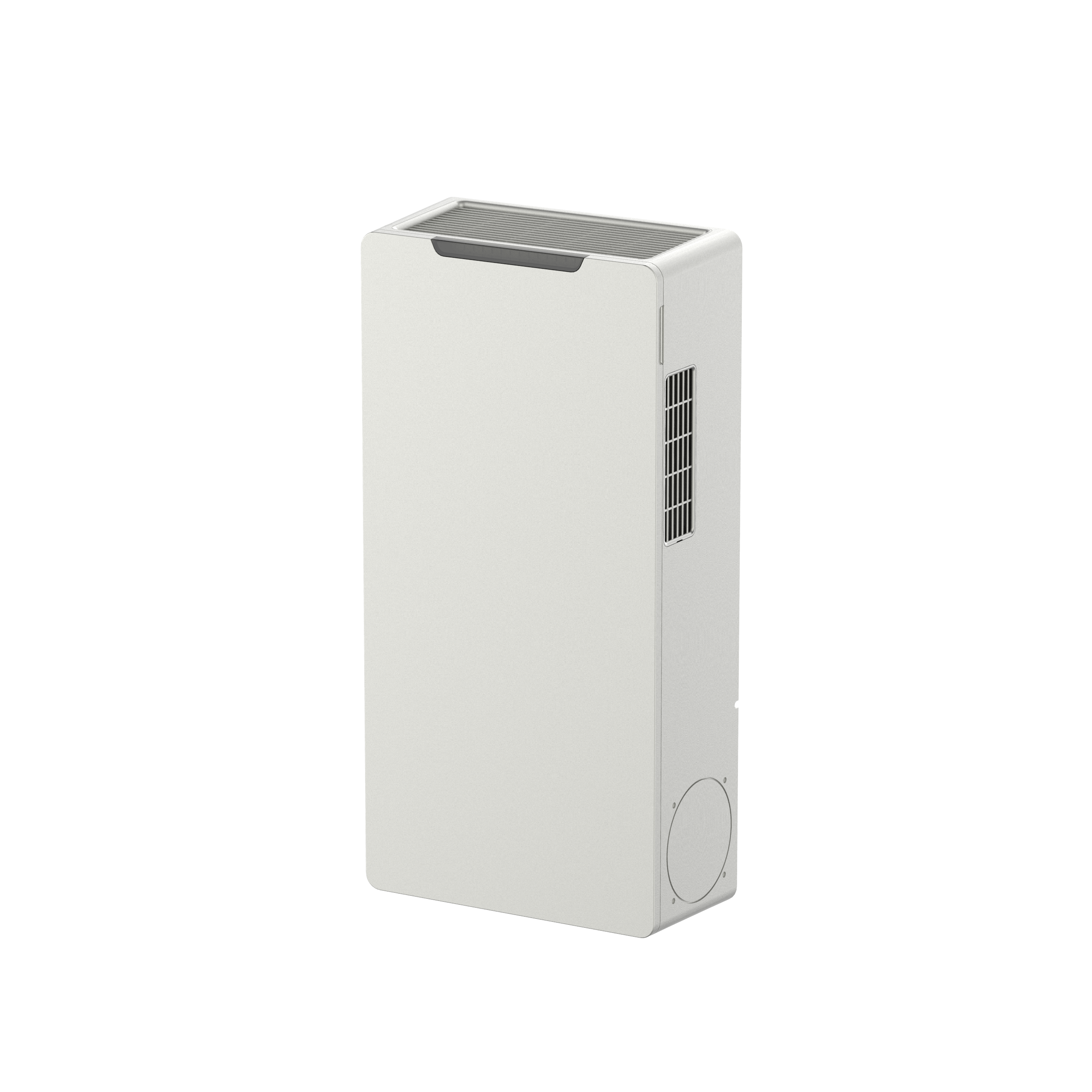
An air ventilator plays a critical role in maintaining both air quality and energy efficiency within enclosed spaces. Modern buildings and homes face the challenge of balancing indoor climate control with energy consumption, and an air ventilator addresses this challenge by facilitating proper air exchange while minimizing heating and cooling losses. Understanding how an air ventilator enhances energy efficiency requires examining the mechanisms behind ventilation, the interaction between fresh air supply and thermal management, and the specific benefits that an air ventilator delivers to building occupants and facility managers.

The energy efficiency benefit of an air ventilator stems from its ability to introduce fresh air into enclosed spaces without allowing conditioned air to escape unnecessarily. Traditional ventilation methods often result in significant energy waste because they do not recover or conserve the thermal energy already present in a building. An air ventilator equipped with heat recovery capabilities transforms this dynamic by capturing energy from outgoing air and transferring it to incoming fresh air, thereby reducing the workload on heating and cooling systems.
How an Air Ventilator Reduces Thermal Load
Energy Recovery Mechanisms
An air ventilator with heat recovery functionality operates on a simple yet effective principle: it exchanges thermal energy between exhaust air and supply air without mixing them. This process occurs within a heat exchanger core, where warm outgoing air passes through channels adjacent to cool incoming air, allowing heat transfer to take place across a separator membrane. In winter months, an air ventilator recovers up to 80 percent of the heating energy that would otherwise be lost through traditional ventilation. During summer, an air ventilator performs the inverse function by pre-cooling incoming air using the cooler exhaust air, thereby reducing the cooling load on air conditioning systems. This dual-season efficiency makes an air ventilator an investment that pays dividends throughout the entire year.
Impact on HVAC System Performance
The presence of an air ventilator directly affects how hard heating and cooling equipment must work to maintain comfortable indoor temperatures. When an air ventilator supplies fresh air that is already partially conditioned through heat recovery, the HVAC system does not need to treat incoming outside air from scratch. This reduction in HVAC workload extends equipment lifespan, lowers maintenance frequency, and decreases energy demand. An air ventilator essentially acts as a pre-conditioning unit, allowing furnaces and air conditioning systems to operate more efficiently and predictably. Facility managers who install an air ventilator often observe measurable reductions in their heating and cooling energy bills within the first season of operation.
Air Quality and Indoor Environment Optimization
Moisture Control and Humidity Regulation
An air ventilator contributes to energy efficiency not only through thermal recovery but also through moisture management. Excess humidity requires air conditioning systems to work harder because cooling coils must remove both sensible heat and latent heat. An air ventilator introduces controlled fresh air that, when combined with exhaust air removal, helps regulate indoor humidity levels. By maintaining optimal humidity ranges between 30 and 50 percent, an air ventilator reduces the cooling demand associated with dehumidification. In humid climates, this capability of an air ventilator becomes especially valuable, as it allows buildings to maintain comfort standards while using less energy for air conditioning. The result is a compound efficiency gain: an air ventilator reduces both heating and cooling loads through its thermal recovery function and humidity management capability.
Continuous Fresh Air Supply Without Infiltration Losses
Sealed, modern buildings require controlled ventilation to maintain air quality, but uncontrolled air leakage through cracks and gaps wastes energy significantly. An air ventilator provides a deliberate, controlled fresh air supply through designed pathways rather than allowing random infiltration. This controlled approach means that an air ventilator brings in only the volume of fresh air needed for occupant health, no more and no less. In contrast, buildings relying on passive infiltration or open windows cannot regulate air exchange efficiently, resulting in either excessive fresh air (which wastes conditioning energy) or insufficient fresh air (which compromises indoor air quality). An air ventilator solves this dilemma by creating intentional, efficient air pathways that preserve the building's thermal integrity while ensuring adequate ventilation.
Practical Energy Efficiency Benefits for Enclosed Spaces
Quantifiable Energy Savings
Buildings that implement an air ventilator system typically experience 15 to 30 percent reductions in heating and cooling energy consumption compared to buildings using conventional ventilation methods. These savings depend on climate zone, building envelope quality, and the specific efficiency rating of the air ventilator selected. In cold climates, an air ventilator's heat recovery function delivers the most dramatic savings because heating costs represent the largest portion of building energy use. In moderate climates, an air ventilator still provides meaningful savings by reducing both heating and cooling demands year-round. The payback period for an air ventilator installation typically ranges from five to ten years, after which all energy savings represent pure operational cost reduction. For commercial and industrial facilities with large enclosed spaces, an air ventilator becomes especially cost-effective due to higher absolute energy consumption that can be reduced.
Compliance with Building Energy Standards
Modern building codes increasingly mandate mechanical ventilation with energy recovery for new construction and major renovations in enclosed spaces. An air ventilator helps building owners and developers meet these regulatory requirements while simultaneously improving operational economics. An air ventilator demonstrates compliance with efficiency standards set by organizations that track building energy performance. Beyond code compliance, an air ventilator enhances a property's market value and appeal to environmentally conscious tenants and purchasers. The combination of regulatory requirement and market incentive makes an air ventilator an essential component of modern enclosed space design and retrofit projects.
FAQ
What is the minimum size of an enclosed space where an air ventilator becomes beneficial?
An air ventilator delivers measurable benefits in any enclosed space larger than approximately 300 square feet, though smaller applications may still improve air quality. The return on investment improves significantly for spaces larger than 500 square feet because the total energy consumption provides a larger base for percentage savings. Residential applications, including homes and apartments, represent ideal candidates for air ventilator installation because occupants remain in these spaces for extended periods, maximizing the value of improved air quality and energy efficiency. Even very small enclosed spaces benefit from an air ventilator's air quality advantages, though the financial payback may extend beyond the typical investment horizon.
How does an air ventilator perform in extreme weather conditions?
An air ventilator continues to function effectively during extreme weather by recovering thermal energy and maintaining interior conditions with minimal additional load on HVAC systems. In severe cold, an air ventilator's heat recovery capability becomes particularly valuable, as it prevents the painful efficiency loss that occurs when furnaces must heat air from subzero outdoor temperatures. During extreme heat events, an air ventilator provides moisture-controlled fresh air without adding heat load to air conditioning systems. Advanced air ventilator models include defrost cycles that prevent frost accumulation in heat exchangers during cold weather, ensuring continuous operation and consistent efficiency throughout seasonal extremes.
Can an air ventilator be installed in existing buildings, or does it require new construction?
An air ventilator can be installed in both existing buildings and new construction, making it a retrofit-friendly technology. Many existing buildings achieve significant energy improvements by adding an air ventilator to their ventilation systems without requiring major structural changes. Installation complexity depends on available space for ducting and the layout of existing HVAC infrastructure, but most buildings can accommodate an air ventilator installation within reasonable budgets. Retrofit projects often proceed room by room or zone by zone, allowing building owners to phase in an air ventilator gradually and spread costs over time while enjoying immediate energy and air quality benefits from installed units.