
 EN
 AR
 NL
 FR
 DE
 EL
 HI
 IT
 JA
 KO
 PL
 PT
 ES
 ID
 VI
 TH
 TR
 MS
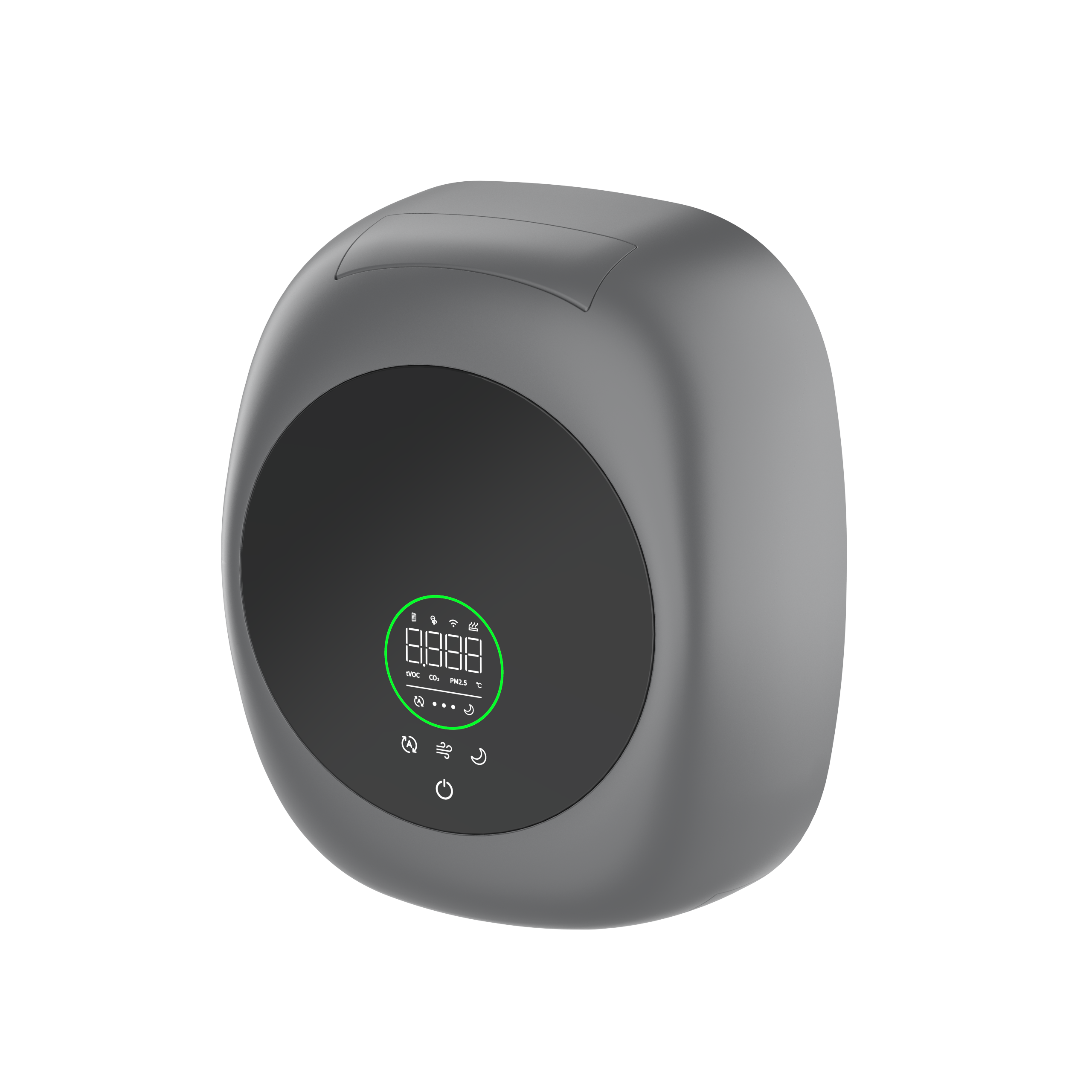
Modern construction demands innovative solutions that balance occupant comfort, regulatory compliance, and operational efficiency. An air ventilator has become an essential component in contemporary building design, addressing critical challenges in indoor air quality, energy management, and environmental sustainability. Builders increasingly recognize that integrating advanced air ventilator technologies during the design phase delivers measurable benefits throughout the building's operational lifespan.
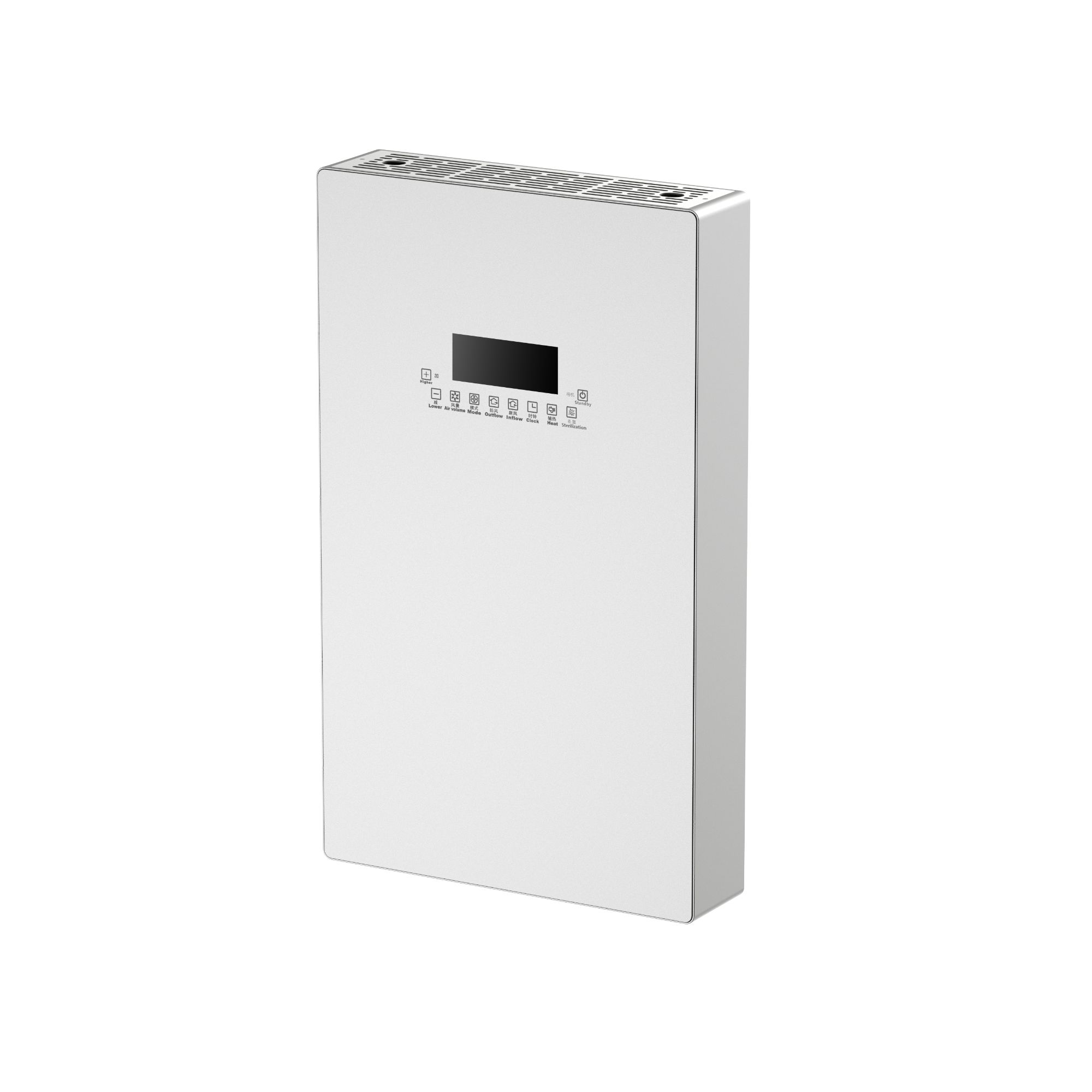
The decision to specify an air ventilator in new construction reflects a fundamental shift in how the building industry approaches indoor environmental performance. Unlike passive ventilation methods that rely on natural air exchange, a properly designed air ventilator system provides controlled, predictable airflow that maintains consistent indoor air quality regardless of external weather conditions. This active approach to ventilation has become the standard practice among forward-thinking builders who understand the long-term value and liability reduction that proper air ventilator installation provides.
Indoor Air Quality and Occupant Health Benefits
Addressing Modern Indoor Air Challenges
Contemporary buildings are increasingly airtight, which improves thermal performance but creates stagnant air conditions without proper ventilation. An air ventilator solves this fundamental challenge by continuously introducing fresh outdoor air while simultaneously removing stale indoor air. This active exchange process eliminates accumulated carbon dioxide, volatile organic compounds, and moisture that accumulate in sealed modern structures. Builders selecting an air ventilator for their projects report that occupants experience fewer respiratory complaints, reduced allergy symptoms, and improved cognitive function within weeks of occupancy.
Compliance with Building Health Standards
Building codes worldwide now mandate minimum outdoor air exchange rates, and many jurisdictions specifically require mechanical ventilation in buildings designed for continuous occupancy. Specifying an air ventilator during the design phase ensures that a project meets current regulatory requirements and positions it favorably for anticipated future standards. Many builders choose an air ventilator system that exceeds minimum code requirements to strengthen market positioning, reduce warranty claims related to air quality, and create a competitive advantage when marketing to health-conscious institutional buyers and corporate tenants.
Energy Efficiency and Operational Cost Control
Heat Recovery and Seasonal Performance
A high-efficiency air ventilator equipped with heat recovery technology captures thermal energy from exhaust air and transfers it to incoming fresh air, dramatically reducing heating and cooling loads. In winter, this air ventilator configuration pre-warms incoming air, reducing the energy required from primary heating systems. During summer cooling seasons, the air ventilator heat recovery mechanism pre-cools incoming air by exchanging thermal energy with exhaust streams. Builders implementing this air ventilator approach report energy savings of 15 to 30 percent compared to buildings using traditional ventilation methods, translating directly to reduced operational budgets and lower tenant utility costs.
Long-Term Financial Performance
The upfront cost of installing an air ventilator system is typically recovered through operational savings within 3 to 7 years, depending on local energy costs and climate conditions. Builders who specify an air ventilator recognize this calculation and prioritize energy-efficient ventilation as a core investment rather than an optional upgrade. The air ventilator technology also reduces peak demand charges by minimizing the duration and intensity of HVAC system operation, creating additional financial benefits. Financial models consistently demonstrate that buildings with integrated air ventilator systems command higher property values, attract premium tenants, and experience lower vacancy rates compared to mechanically ventilated buildings using conventional approaches.
Design Flexibility and Construction Efficiency
Adaptability to Diverse Building Types
Modern air ventilator solutions accommodate residential, commercial, and mixed-use construction without requiring extensive structural modifications. Builders select an air ventilator system based on building volume, occupancy patterns, and specific indoor environmental objectives, then integrate the system seamlessly into existing mechanical architecture. The air ventilator approach supports open office designs, enclosed spaces, and hybrid work environments by providing location-specific air quality control. This versatility means that an air ventilator installation supports renovation projects, new construction, and adaptive reuse scenarios with minimal design complications.
Simplified Installation and Maintenance Access
An air ventilator designed for contemporary construction typically features modular components that facilitate rapid installation and straightforward maintenance procedures. Builders appreciate that an air ventilator system reduces on-site coordination complexity and accelerates construction schedules compared to alternative ventilation strategies that require custom ductwork and extensive field assembly. The air ventilator maintenance requirements are minimal when properly designed, with most service tasks completed during routine facility inspections. Contractors experienced with air ventilator installation report that systematic planning during design phases eliminates costly field modifications and allows construction teams to proceed on schedule.
FAQ
What makes an air ventilator superior to natural ventilation methods?
An air ventilator provides consistent, controlled air exchange independent of weather conditions, outdoor air quality, or building orientation. Natural ventilation relies on temperature differentials and wind pressure, delivering unpredictable performance that varies dramatically with seasonal conditions. An air ventilator maintains target indoor air quality metrics year-round, prevents outdoor pollutants from entering indoor spaces, and manages humidity levels automatically. Buildings dependent on natural ventilation experience indoor air quality problems during calm weather periods, high humidity seasons, or when outdoor air contains elevated pollution levels. An air ventilator eliminates these vulnerabilities through active, mechanical control.
How does an air ventilator reduce overall building operating costs?
An air ventilator equipped with heat recovery technology captures heating and cooling energy from exhaust air, reducing the thermal load on primary HVAC systems. This air ventilator configuration typically reduces annual energy consumption by 15 to 30 percent, directly lowering utility costs throughout the building's operational lifespan. The air ventilator also extends the service life of primary HVAC equipment by reducing operating hours and thermal cycling stress. Additionally, an air ventilator minimizes building-related health complaints and associated productivity losses, generating indirect cost savings that extend well beyond utility bill reductions.
Can an air ventilator meet building codes and regulations?
Yes, an air ventilator designed and installed according to engineering standards exceeds minimum ventilation requirements specified in most building codes worldwide. An air ventilator system documentation includes performance specifications, outdoor air delivery rates, and contaminant removal efficiency metrics that satisfy regulatory inspectors. Building officials increasingly recognize that an air ventilator represents best-practice ventilation strategy that supports compliance with current codes and anticipated future standards. Builders specifying an air ventilator protect their projects against regulatory changes and strengthen documentation during permit approval processes.