
 EN
 AR
 NL
 FR
 DE
 EL
 HI
 IT
 JA
 KO
 PL
 PT
 ES
 ID
 VI
 TH
 TR
 MS
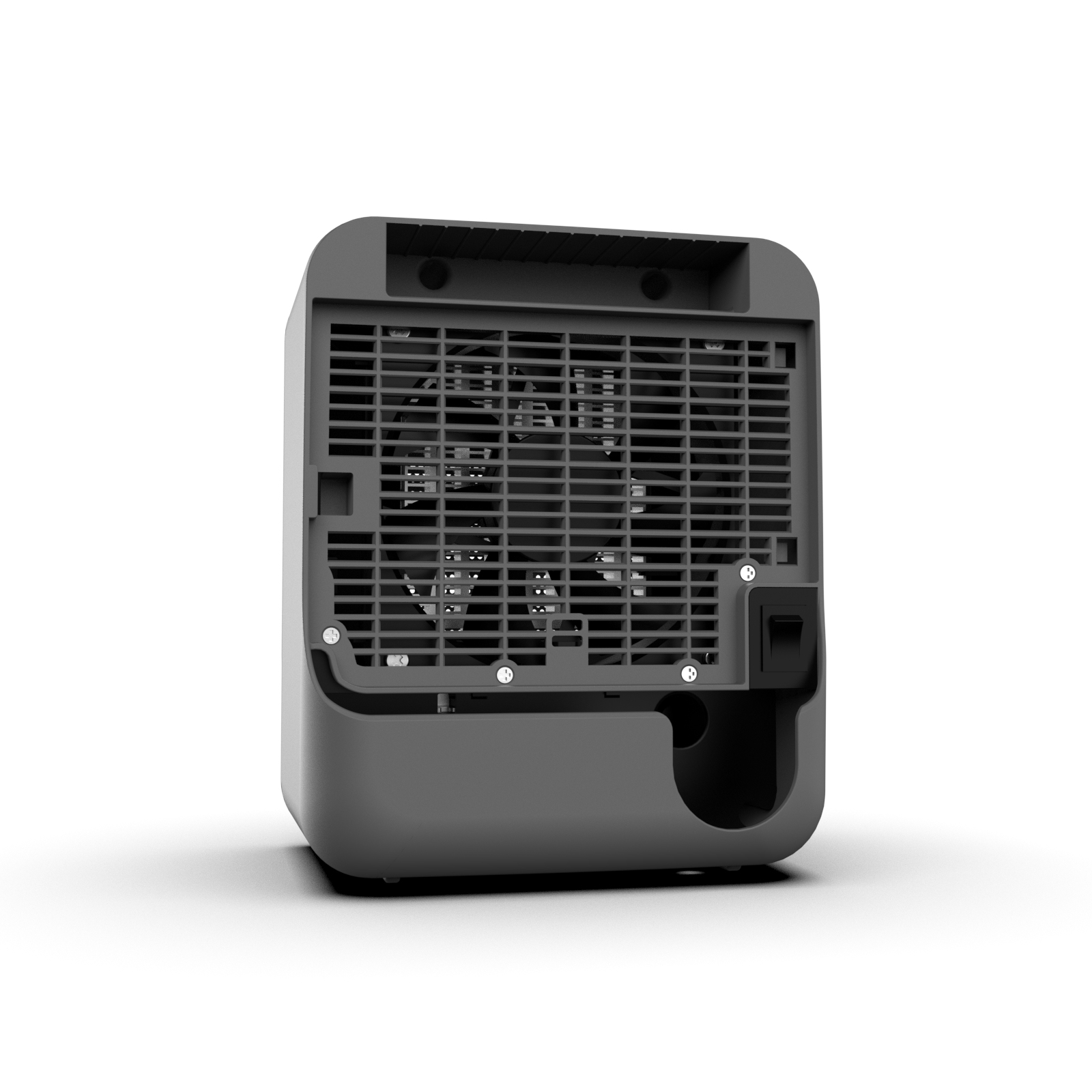
When temperatures drop during winter months, the question of whether a heater is essential becomes increasingly relevant for homeowners and office managers alike. The answer is unequivocally yes—a heater is not simply a luxury item but a fundamental necessity for maintaining comfort, health, and productivity during cold weather. Beyond basic temperature regulation, a heater serves multiple critical functions that directly impact daily living conditions, energy efficiency, and long-term well-being. Understanding the importance of a heater helps you make informed decisions about heating investments and comfort management strategies.
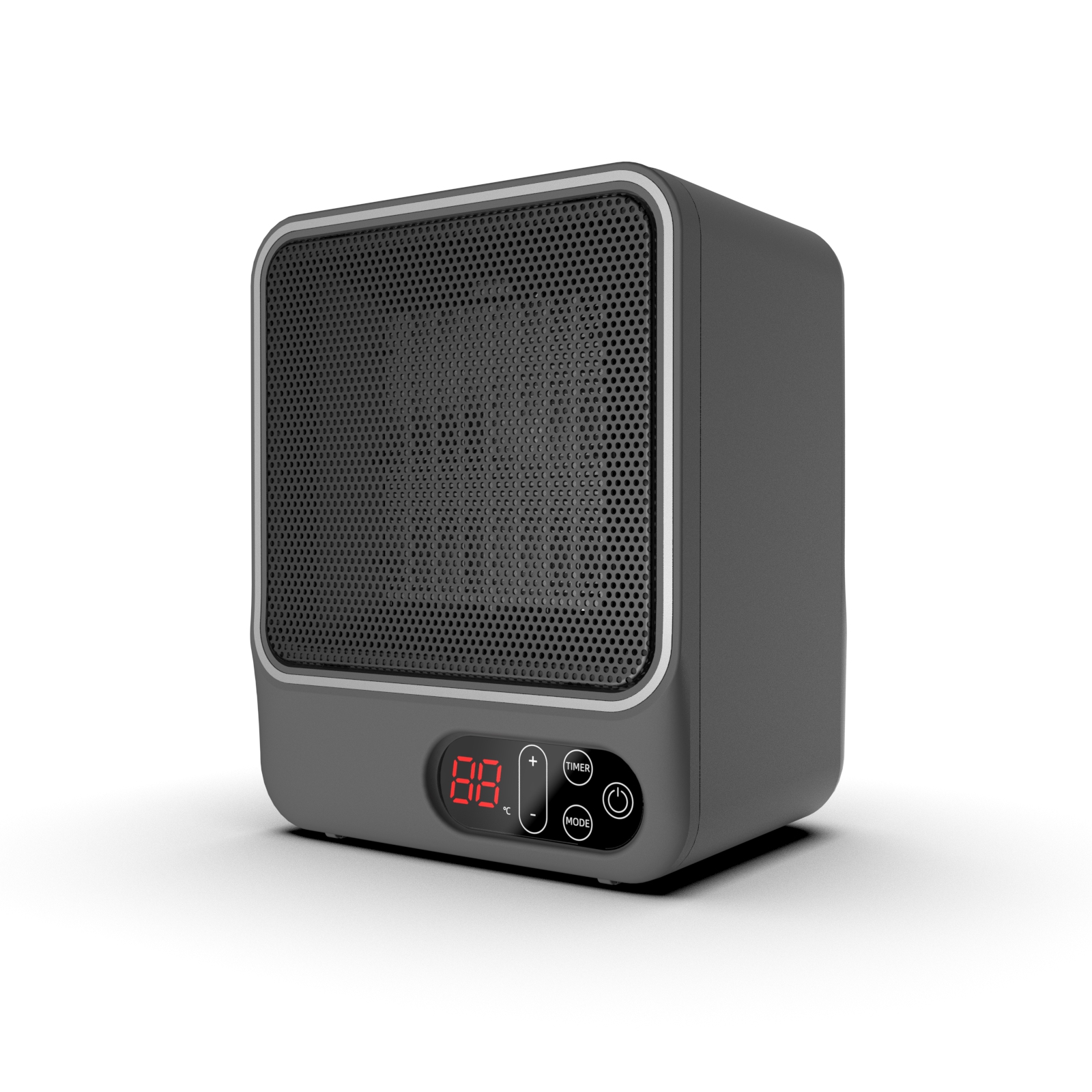
A heater creates more than just warmth—it establishes an environment where physical comfort, mental clarity, and operational efficiency can flourish. When indoor temperatures fall below optimal levels, your body diverts energy to temperature regulation rather than productive activities, and your immune system becomes more vulnerable to seasonal illnesses. A reliable heater maintains consistent indoor temperatures, reducing the strain on your body and supporting better sleep quality, focus, and overall health during the demanding winter season.
Why a Heater is Essential for Winter Comfort
Core Health and Wellness Benefits
Your body's ability to maintain optimal function depends significantly on environmental temperature. When exposed to prolonged cold without adequate heating, your cardiovascular system works harder, blood vessels constrict, and your body burns additional calories just to maintain core temperature. A heater prevents these physiological stress responses by maintaining warm indoor environments. Additionally, consistent warmth supports better sleep patterns, as your body naturally transitions to sleep more easily in properly heated spaces. The respiratory system also benefits from a heater, since cold air can trigger inflammation in airways and increase susceptibility to colds and flu.
Beyond physical health, a heater directly impacts mental well-being and mood stability. Cold indoor environments correlate with increased depression symptoms, reduced motivation, and lower cognitive performance—conditions commonly associated with seasonal affective patterns. By ensuring your living or working space maintains comfortable temperatures, a heater mitigates these psychological effects and supports emotional resilience through winter months.
Productivity and Performance Enhancement
In professional settings, a heater becomes an investment in workforce productivity. Studies consistently show that employees working in properly heated environments demonstrate higher concentration levels, faster task completion rates, and fewer errors compared to those in cold conditions. When your body is cold, mental resources shift toward discomfort management rather than focused work. A heater removes this distraction, allowing professionals to channel full cognitive capacity toward complex problem-solving, creative thinking, and strategic planning. Office managers who prioritize adequate heating report measurable improvements in project delivery timelines and work quality.
For students and knowledge workers studying or completing detailed tasks at home, a heater creates the optimal cognitive environment. Research demonstrates that learners retain information more effectively and engage with material more deeply when their immediate environment maintains comfortable temperatures. A heater therefore becomes not just a comfort feature but an educational and professional tool that directly supports achievement outcomes.
How a Heater Improves Your Winter Living Conditions
Temperature Consistency and Indoor Air Quality
Modern heating solutions, particularly advanced electric heater models, maintain consistent temperature distribution throughout living spaces, eliminating cold zones and temperature fluctuations that create discomfort. A heater distributes warmth evenly, preventing the scenario where some rooms remain uncomfortably cold while others become overly warm. This consistency also protects your home infrastructure—stable indoor temperatures reduce stress on building materials, prevent moisture accumulation, and minimize the expansion and contraction cycles that damage walls, woodwork, and foundations over time.
When considering indoor air quality, a heater plays a nuanced but important role. Proper heating prevents the conditions where moisture condenses on cold surfaces, which otherwise creates mold growth and indoor air quality degradation. Additionally, maintaining warmer indoor air supports better humidity balance, reducing the dry air problems that damage skin, hair, and respiratory passages during winter. A heater integrated with humidity control capabilities creates indoor conditions that support both comfort and health simultaneously.
Energy Efficiency and Cost Control
The modern heater represents a significant advancement in energy efficiency compared to older heating systems. Smart heater technology allows precise temperature control, programmable heating schedules, and zone-based warming that ensures you only heat occupied spaces at necessary times. This targeted approach reduces overall energy consumption and lowers utility costs substantially. A heater equipped with intelligent features learns your daily patterns and adjusts heating output automatically, optimizing the balance between comfort and expense without requiring constant manual adjustment.
Investing in an efficient heater actually reduces long-term expenses despite the initial purchase cost. Energy-efficient heater models consume less electricity while delivering superior warmth output, leading to measurable savings on winter heating bills month after month. For households or businesses managing multiple winter seasons, this efficiency compounds into significant financial savings. Furthermore, modern heater systems often qualify for energy rebates or tax incentives, further reducing the net cost of upgrading to advanced heating solutions.
When and Where You Need a Heater Most
Identifying Peak Heating Demand Periods
A heater becomes most essential during the coldest hours—typically from evening through early morning when outdoor temperatures plummet and your body requires maximum thermal support during rest. Winter mornings present another critical heating demand period, as your body transitions from sleep in an already-stressed thermal state. Understanding these peak demand windows helps you optimize heater usage and maintain comfort during the times when thermal management matters most for rest and recovery.
Seasonal transitions present another important consideration for heater deployment. During shoulder seasons when central heating hasn't yet activated or has been discontinued, a supplemental heater bridges the temperature gap and maintains comfort during unpredictable weather fluctuations. Office workers and students should prioritize heater access during morning hours before central systems activate fully, ensuring immediate comfort and productivity from the work session's beginning.
Space-Specific Heating Strategies
Different spaces require tailored heating approaches. Bedrooms benefit most from overnight heater use, supporting sleep quality and recovery during extended hours of rest. Living areas demand heater support during active usage periods when family members gather or work from home. Home offices particularly benefit from localized heater placement, creating a focused warm zone that supports productivity without heating entire homes unnecessarily. A heater positioned strategically in frequently-used spaces delivers maximum comfort and efficiency simultaneously.
Commercial environments present distinct heating requirements based on building layout and usage patterns. Open office spaces may benefit from a heater system with zone controls that warm occupied areas while maintaining lower temperatures in unoccupied zones. Warehouses and industrial spaces may require powerful heater solutions to maintain minimally comfortable conditions across expansive areas. Retail environments benefit from customer-facing heater positioning that demonstrates comfort commitment to shoppers while reducing overall heating expenses.
FAQ
How much warmth should a heater provide during winter?
A heater should maintain indoor temperatures between 68–72 degrees Fahrenheit for most living spaces, though personal preference varies. For sleeping areas, many people prefer slightly cooler temperatures around 65–68 degrees. The optimal heater output depends on your space size, insulation quality, outdoor temperatures, and personal comfort preferences. A properly sized heater delivers consistent warmth without excessive energy consumption or uncomfortable temperature swings.
Can a heater reduce winter utility bills while improving comfort?
Yes, modern heater technology enables simultaneous comfort improvement and cost reduction. Smart heater systems use programmable schedules, zone heating, and intelligent temperature sensors to heat only when needed, reducing wasted energy. A heater that allows individual room temperature control prevents the inefficiency of heating entire homes uniformly. Energy-efficient heater models consume significantly less power while delivering superior warmth, resulting in measurable utility bill reductions compared to older heating systems.
Is a supplemental heater necessary if I have central heating?
A supplemental heater often provides valuable benefits even with central heating systems. Central systems heat entire homes uniformly, while a heater allows targeted warmth in frequently-used spaces, reducing overall system load and energy costs. A heater also bridges gaps during shoulder seasons before central heating activates, provides comfort in poorly-insulated rooms, and offers emergency backup if primary heating systems fail. Many homeowners find that strategic heater placement dramatically improves winter comfort while actually reducing total heating expenses.