
 EN
 AR
 NL
 FR
 DE
 EL
 HI
 IT
 JA
 KO
 PL
 PT
 ES
 ID
 VI
 TH
 TR
 MS
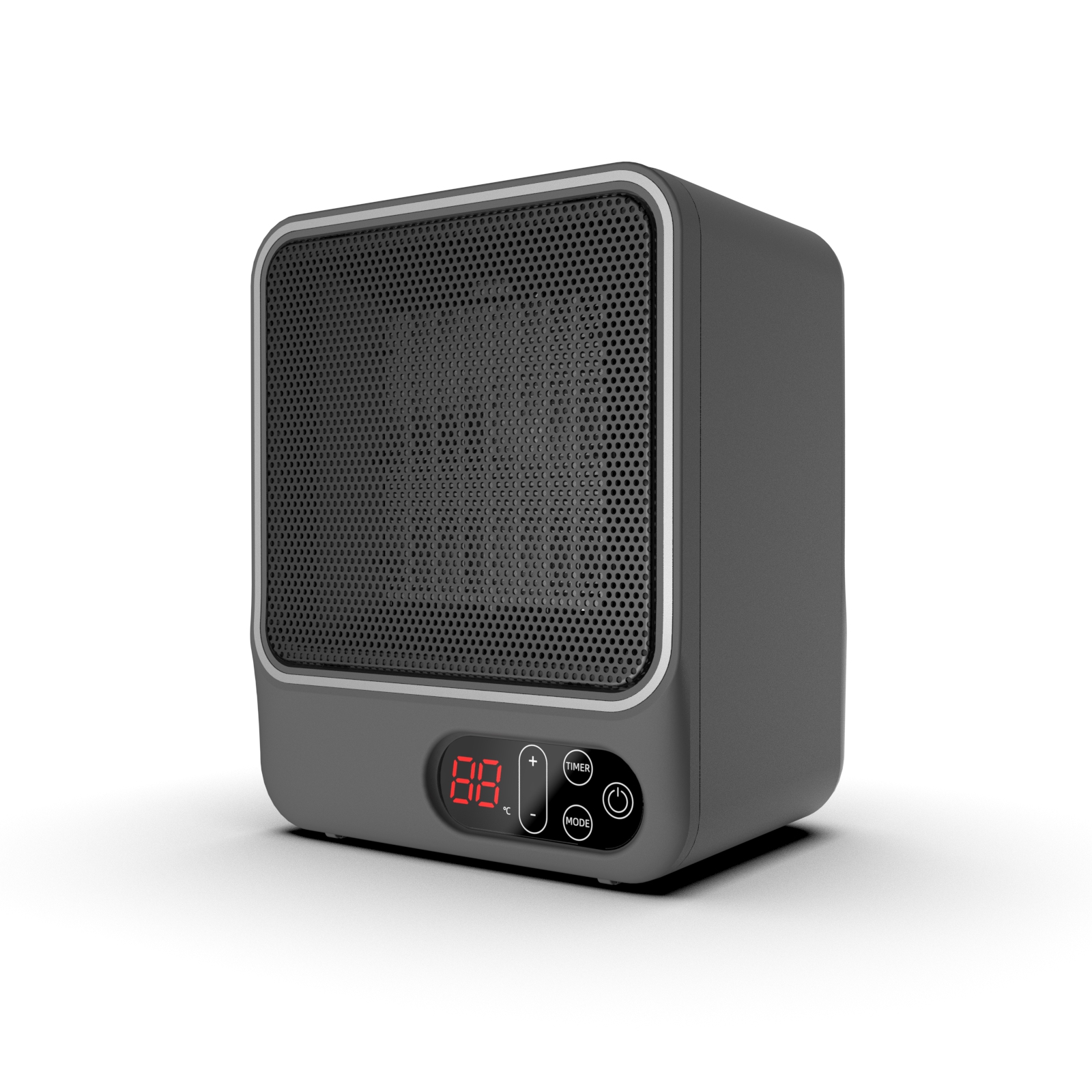
A heater can absolutely provide reliable temperature control for both residential and commercial environments when properly selected and maintained. The question isn't whether a heater can maintain consistent warmth, but rather how to choose the right heater for your specific space, needs, and environmental conditions. Modern heating technology has evolved significantly, offering homeowners and office managers multiple options to achieve precise temperature management throughout their properties.
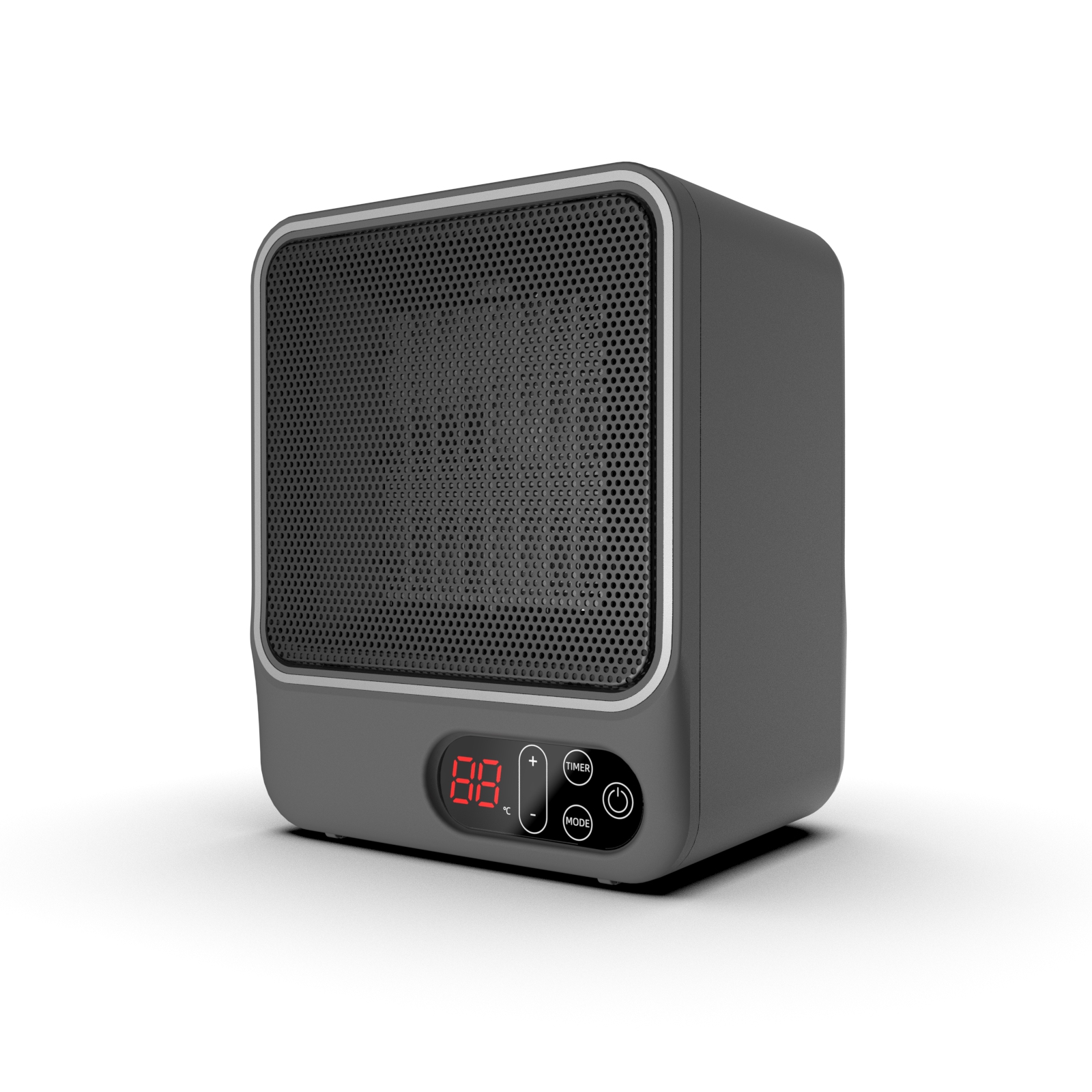
Understanding how a heater functions and what factors influence its performance is essential for anyone seeking dependable climate control. Temperature stability depends on the heater's design specifications, thermostat accuracy, heating capacity, and how well it matches your space dimensions. When a heater operates efficiently, it prevents uncomfortable temperature fluctuations and reduces energy waste, which directly impacts both comfort levels and utility costs for homeowners and businesses alike.
How a Heater Maintains Consistent Temperature
Thermostat Integration and Feedback Mechanisms
The core mechanism behind reliable temperature control in any heater is its thermostat system. A quality heater uses a thermostat to monitor ambient room temperature and automatically cycle heating elements on and off to maintain your desired temperature setting. This responsive feedback loop ensures that a heater doesn't overheat spaces or allow temperatures to drop unexpectedly. Modern heaters incorporate digital thermostats that offer precise temperature sensing within one degree, enabling superior reliability compared to older mechanical models. When your heater detects that room temperature falls below the set point, it activates heating elements; once the target temperature is reached, the heater powers down to prevent overshooting.
Distribution and Heat Retention
A well-designed heater distributes warmth evenly throughout a space, preventing cold spots and temperature gradients that compromise comfort. Convection heaters circulate warm air through rooms, while radiant heaters emit infrared warmth that objects and people absorb directly. The physical design of your heater affects how effectively it warms different areas. Larger, more powerful heaters work better for sizable offices or open-concept homes, while compact heaters suit smaller rooms or targeted heating zones. A heater's reliability also depends on proper placement away from obstacles that could block airflow or trap heat, reducing its ability to maintain consistent temperatures.
Factors That Determine Heater Reliability for Temperature Control
Energy Output and Heating Capacity
The wattage and heating capacity of a heater directly influence its reliability in maintaining target temperatures. A heater with insufficient power cannot sustain comfortable warmth in larger spaces, forcing it to run continuously at maximum capacity without reaching desired temperatures. Conversely, an oversized heater may cycle on and off rapidly, creating temperature swings rather than stability. Professional heating specialists recommend calculating heating requirements based on room square footage, insulation quality, ceiling height, and local climate conditions. When a heater matches the space's actual heating demand, it operates within optimal efficiency ranges, delivering the reliable temperature control that buildings require during cold seasons.
Insulation and Environmental Conditions
A heater's ability to maintain consistent temperatures depends heavily on building insulation, air sealing, and external weather conditions. Even the most reliable heater struggles to maintain warmth in poorly insulated spaces where heat escapes through walls, windows, and doors. Offices with excellent insulation require less heating energy for the same temperature results, allowing your heater to work more efficiently and maintain stability. Windows, doors, and ventilation systems create temperature variations that affect how hard a heater must work. Understanding these environmental factors helps explain why temperature control performance varies between similar heaters installed in different buildings. Weatherization improvements often enhance heater reliability by reducing the heating load it must sustain.
Practical Applications and Performance Expectations
Residential Heating Solutions
Homeowners using a heater for whole-home or zone heating appreciate the reliable temperature control that prevents seasonal discomfort. Supplemental heaters in bedrooms, living rooms, or basements allow families to maintain personalized temperatures without heating unused spaces, improving both comfort and energy efficiency. A heater in residential settings typically maintains temperatures within two to three degrees of the set point when properly sized. Smart home integration enables users to program heating schedules, adjust temperatures remotely, and receive alerts if a heater malfunctions. Residential heater reliability has improved dramatically with modern safety features, automatic shutoffs, and fail-safe mechanisms that protect homes from overheating risks.
Commercial and Office Applications
Office buildings, retail spaces, and commercial facilities depend on heater systems that deliver reliable temperature control across diverse work environments. Employees are more productive and focused when their workplace maintains comfortable, consistent temperatures throughout the day. A heater system in commercial settings must balance heating efficiency with cost management, as businesses pay significant energy bills for climate control. Individual heater units allow zone-based temperature management, where different office areas maintain temperatures suited to their specific use patterns and occupancy levels. Reliable commercial heaters reduce equipment stress, extend HVAC system lifespan, and create stable working conditions that minimize temperature-related complaints and productivity losses.
FAQ
What temperature range can a heater reliably maintain in typical rooms?
Most quality heaters maintain temperatures within one to three degrees of your desired set point in properly insulated rooms. A heater's reliability depends on thermostat accuracy, room size, and insulation quality. Digital thermostats offer tighter control than mechanical versions, enabling a heater to hold temperatures more precisely. Rooms with poor insulation experience wider temperature swings regardless of heater quality, so weatherization improvements often enhance overall temperature stability and heater performance.
How long does a heater typically take to reach target temperature?
A heater usually reaches target room temperature within fifteen to thirty minutes, depending on space dimensions, insulation, and the heater's wattage. Larger spaces require longer warm-up times, while well-insulated rooms heat faster because less energy escapes. A more powerful heater reduces warm-up duration, making fast temperature achievement a key advantage of higher-capacity models. Preheating spaces before occupancy improves overall comfort while allowing your heater to maintain steady temperatures once the room reaches the desired warmth level.
Can a heater provide reliable temperature control in poorly insulated spaces?
While a heater can operate in poorly insulated spaces, maintaining reliable temperature control becomes significantly more difficult and energy-intensive. Heat continuously escapes through gaps, cracks, and uninsulated surfaces, forcing your heater to work harder without achieving satisfactory results. Improving weatherization, sealing air leaks, and adding insulation dramatically improve heater performance and temperature stability. A heater performs optimally when combined with proper building envelope maintenance, as this minimizes the heating load and allows consistent, efficient operation that delivers the reliable temperature control most users seek.