
 EN
 AR
 NL
 FR
 DE
 EL
 HI
 IT
 JA
 KO
 PL
 PT
 ES
 ID
 VI
 TH
 TR
 MS
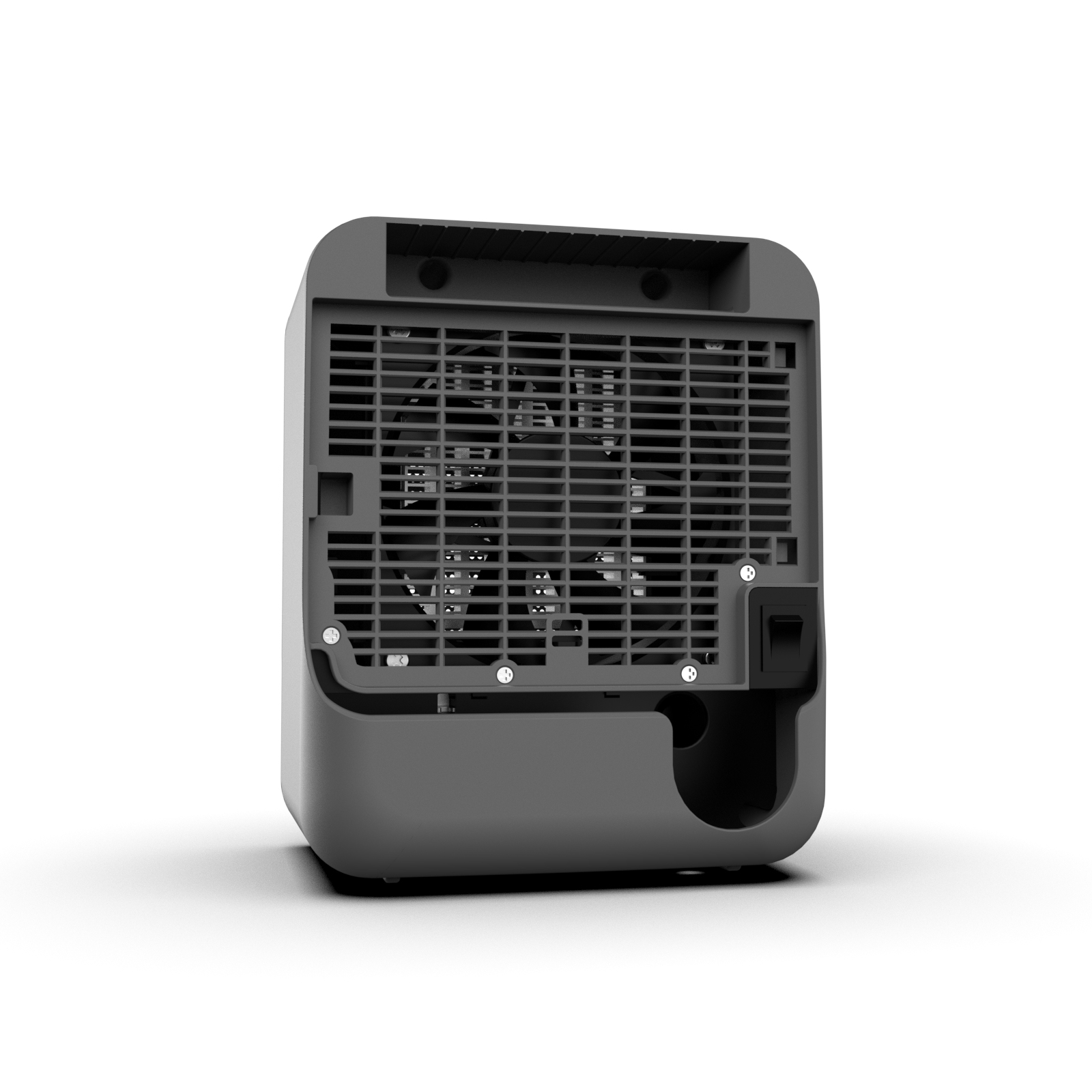
In today's climate-conscious world, understanding how a heater supports energy-efficient warmth in indoor spaces has become essential for homeowners and facility managers alike. A modern heater combines advanced technology with smart design to deliver consistent thermal comfort while minimizing energy consumption and operational costs. The relationship between heating performance and energy efficiency is fundamental to creating comfortable indoor environments without excessive utility expenses. By exploring the mechanisms that make a heater both powerful and efficient, you can make informed decisions about heating systems that align with sustainability goals and budget constraints.
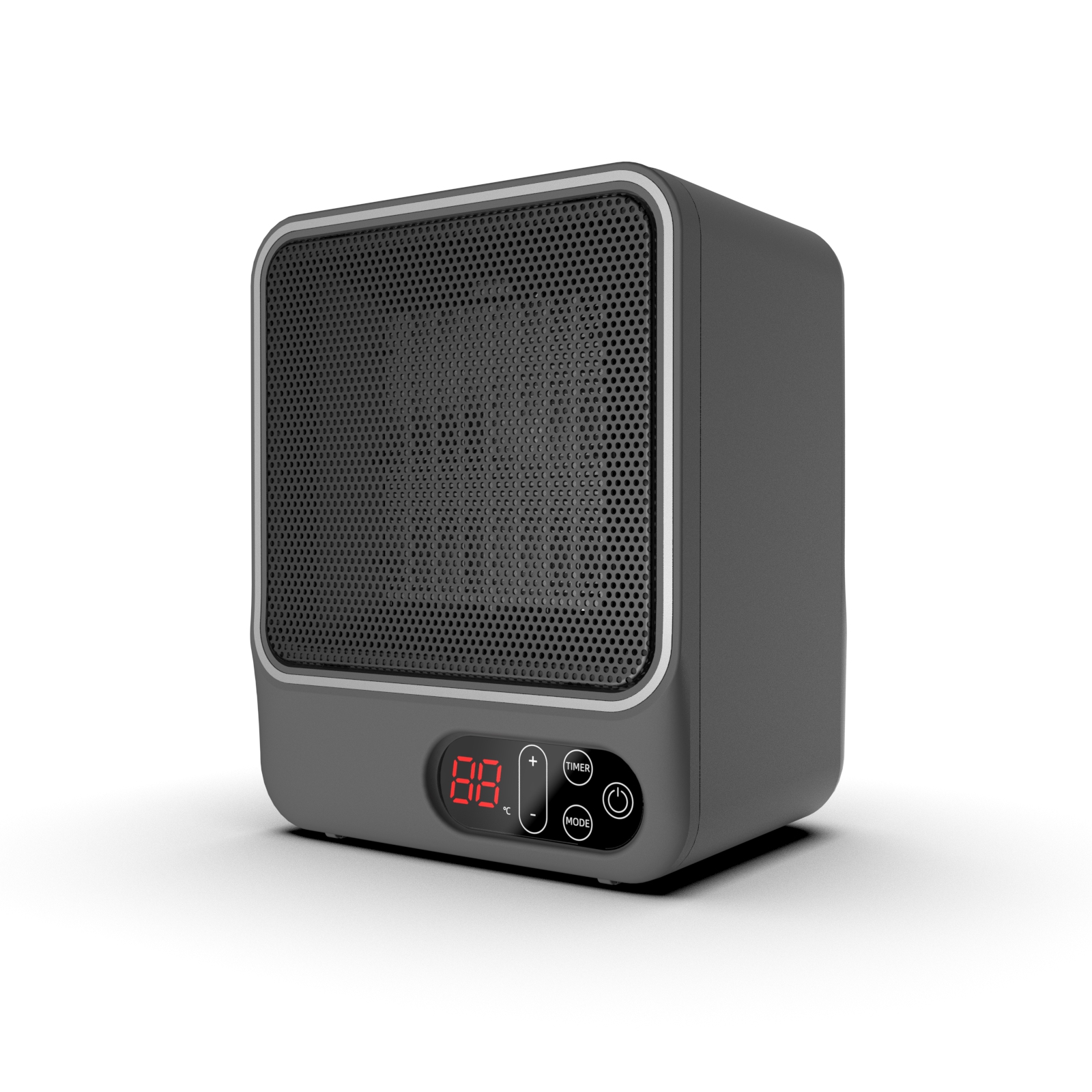
The design of an efficient heater reflects careful engineering to balance thermal output with electrical input, ensuring that energy resources translate directly into usable warmth rather than waste. A heater achieves energy efficiency through multiple integrated strategies, including optimized heating elements, intelligent temperature control, and smart distribution mechanisms. Understanding these components helps explain why certain heater models significantly outperform others in real-world indoor heating scenarios. This article examines the core technologies that enable a heater to deliver reliable, cost-effective warmth throughout residential and commercial spaces.
How a Heater Generates and Distributes Efficient Warmth
Heating Element Design and Thermal Conversion
A heater's heating element is the core component responsible for converting electrical energy into thermal energy with minimal losses. Modern heater designs utilize ceramic or PTC (positive temperature coefficient) elements that provide rapid heat generation while maintaining precise temperature control. The efficiency of a heater depends heavily on how quickly the heating element reaches optimal operating temperature and maintains stable output. Unlike older heating technologies, a contemporary heater minimizes thermal overshoot and energy waste by employing materials that naturally regulate temperature as they heat.
Air Circulation and Heat Distribution
An effective heater must not only generate warmth but distribute it evenly throughout an indoor space to achieve consistent comfort. A heater equipped with a powerful fan motor ensures that warm air circulates efficiently, reaching all areas of the room without requiring excessive thermal output. By distributing heat more evenly, a heater reduces the need for higher temperature settings, directly contributing to energy savings. The circulation system in a quality heater is designed to operate at variable speeds, matching heat distribution to actual thermal demand rather than running at maximum capacity continuously.
Energy Efficiency Technologies in Modern Heater Systems
Smart Temperature Control and Automation
A heater with intelligent temperature sensing automatically adjusts output based on real-time indoor conditions, preventing energy waste from overheating spaces. Smart heater technology uses thermostats and sensors to detect when target temperature has been reached, then reduces or cycles heating elements to maintain comfort without continuous maximum operation. This dynamic adjustment capability makes a heater significantly more efficient than traditional fixed-output systems that consume the same power regardless of actual heating needs. When a heater operates intelligently, it can reduce energy consumption by 20 to 40 percent compared to non-smart alternatives in typical usage scenarios.
Rapid Heat Generation and Startup Efficiency
A heater that reaches full operational temperature quickly minimizes wasted energy during startup phases when systems consume power without providing immediate thermal benefit. Advanced heater designs employ optimized heating elements that accelerate the warming process, reducing the time lag between activation and effective heat delivery. This rapid startup efficiency is particularly valuable in intermittent heating situations, where spaces are heated on-demand rather than continuously. A heater designed for quick thermal response reduces overall energy expenditure in facilities with variable occupancy or seasonal heating needs.
Practical Application of Efficient Heater Technology in Indoor Spaces
Selecting the Right Heater Size and Capacity
Energy efficiency begins with proper heater sizing for the intended space, as an oversized heater wastes power while an undersized one operates inefficiently at maximum capacity. A heater should be matched to the specific volume and thermal characteristics of the indoor area it serves, accounting for insulation quality, ceiling height, and typical occupancy levels. When a heater is appropriately sized, it can reach and maintain target temperatures using significantly less energy than mismatch scenarios require. Professional assessment ensures that a heater operates within its optimal efficiency range, maximizing both comfort and cost savings across the heating season.
Installation and Placement Strategies
Where and how a heater is installed dramatically affects its overall energy efficiency and warmth distribution effectiveness in indoor spaces. Proper heater placement ensures that warm air circulates naturally without obstruction, reducing the need for extended running times or elevated temperature settings. A heater positioned strategically in relation to seating areas, doorways, and thermal escape routes can deliver comfort more efficiently than centrally placed units. Additionally, ensuring that a heater operates in conjunction with adequate insulation and sealed gaps maximizes the retention of generated warmth, making the entire heating system more efficient.
FAQ
What factors determine the energy efficiency rating of a heater?
A heater's energy efficiency rating depends on its heating element technology, temperature control precision, fan motor efficiency, and thermal output consistency. Regulatory bodies measure heater efficiency by comparing electrical energy input to actual thermal energy delivered to the indoor space. A heater with higher efficiency ratings requires less electrical power to achieve the same temperature increase, directly translating to lower utility bills and reduced environmental impact. Look for heater models with certified efficiency ratings and performance data verified by independent testing organizations.
Can a heater reduce heating costs while maintaining indoor comfort?
Yes, a modern heater significantly reduces heating costs through intelligent temperature management, efficient heat generation, and optimized air distribution systems. A heater with programmable settings and sensor-based controls eliminates unnecessary energy consumption during unoccupied periods or when natural heat sources supplement artificial warming. Properly maintained heater systems can reduce seasonal heating expenses by 15 to 35 percent compared to older, less efficient heating solutions. The investment in a quality heater with advanced efficiency features typically pays for itself within one to two heating seasons through cumulative energy savings.
How does a heater maintain consistent warmth without continuous operation?
A heater achieves this through cycling technology, where heating elements activate and deactivate based on real-time temperature monitoring and control settings. When a heater detects that indoor temperature has reached the target setpoint, it temporarily reduces or stops thermal output while maintaining readiness for continued heating. This cycling approach allows a heater to sustain steady indoor warmth while consuming significantly less total energy than continuous operation would require. Advanced heater models use predictive algorithms to anticipate temperature fluctuations and adjust output proactively, ensuring comfort with minimal energy waste.