
 EN
 AR
 NL
 FR
 DE
 EL
 HI
 IT
 JA
 KO
 PL
 PT
 ES
 ID
 VI
 TH
 TR
 MS
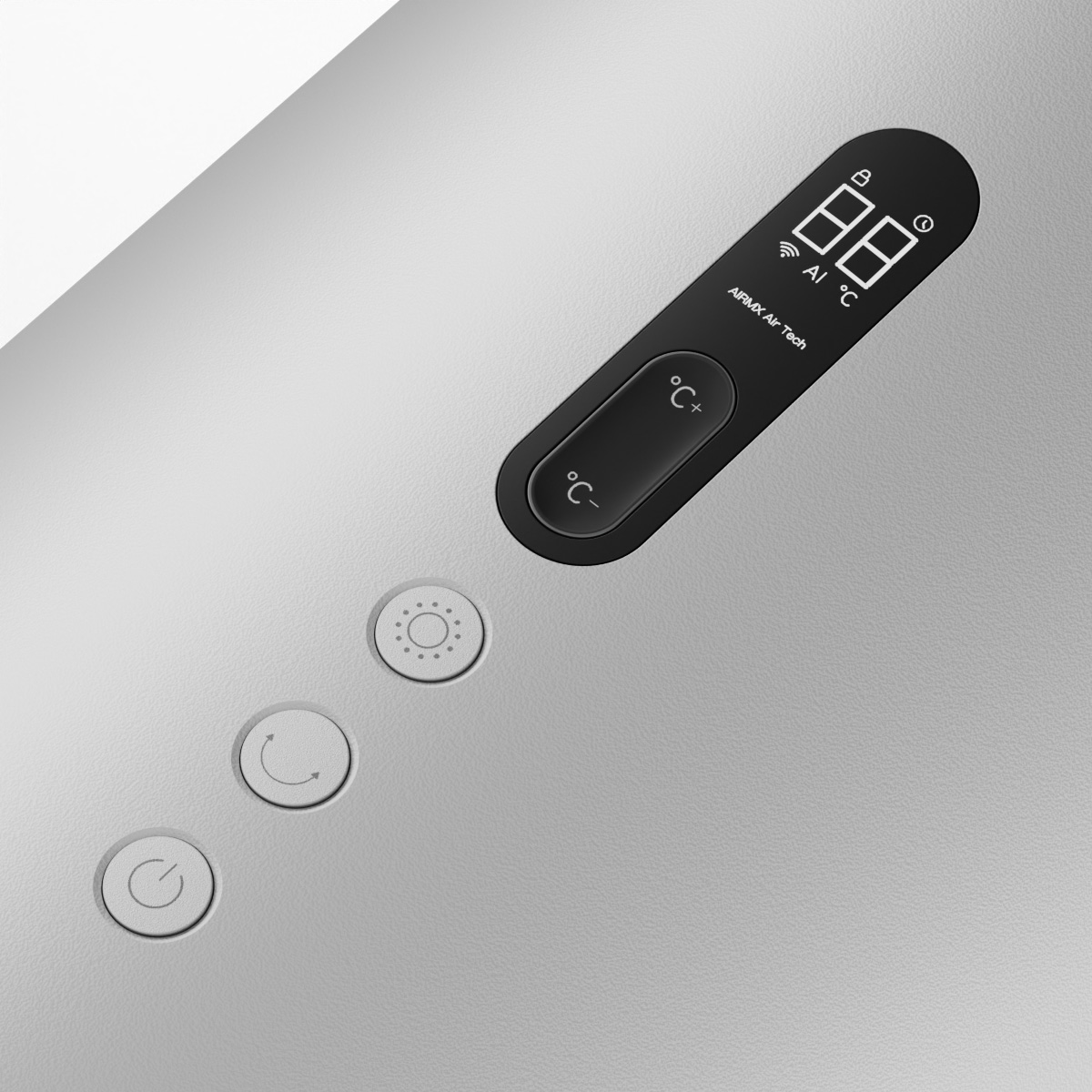
Modern fan technology has evolved significantly, driven by consumer demand for better performance and seamless usability. Design innovations in today's fan solutions address critical pain points such as energy efficiency, noise reduction, and intuitive operation. Understanding how contemporary fan design improvements work can help you select the right cooling solution for your space and needs. A quality fan combines aerodynamic engineering with user-friendly features that deliver measurable results in comfort and functionality.
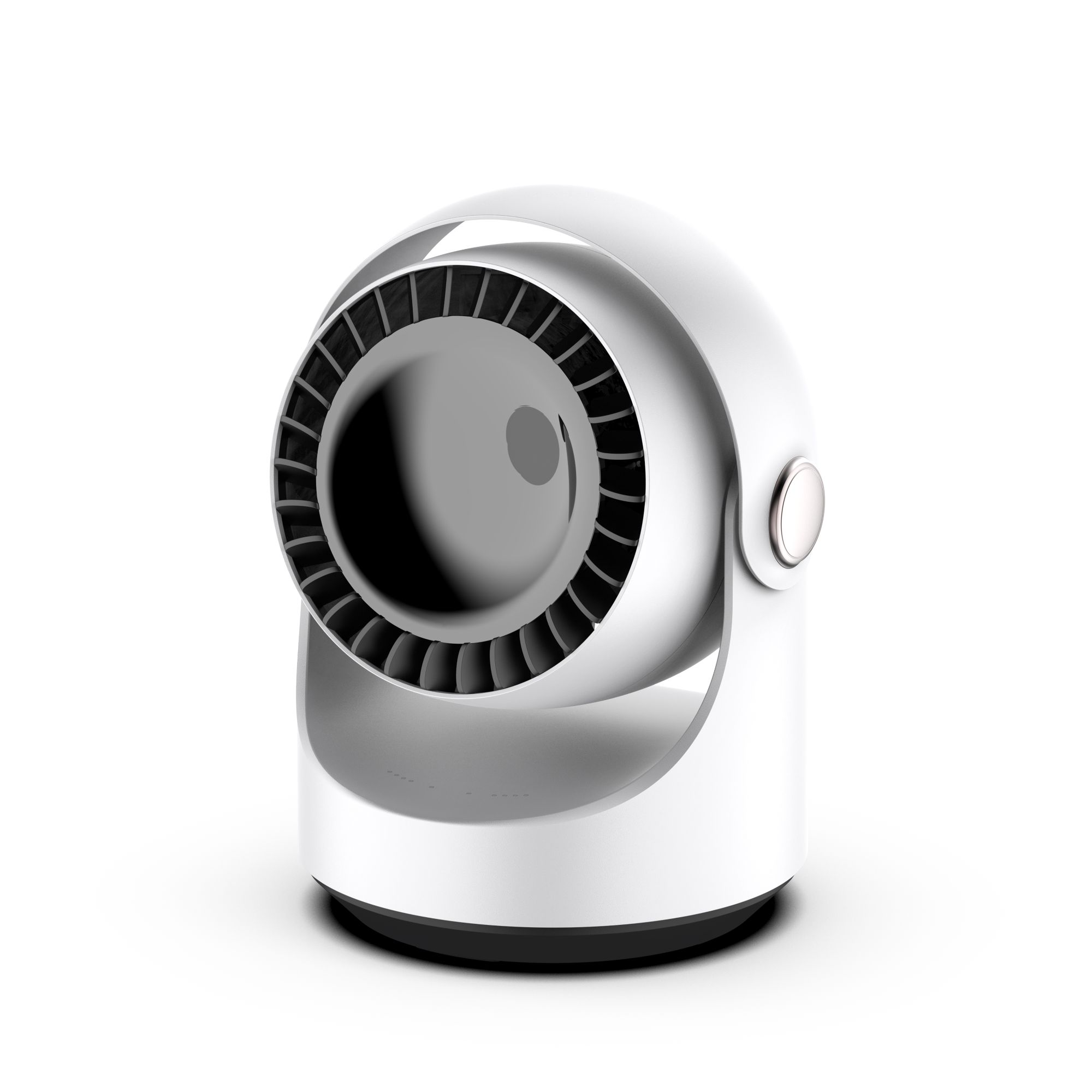
The latest generation of fan design incorporates advanced motor technology, refined blade geometry, and smart control systems that work together to maximize airflow while minimizing energy consumption. These fan innovations represent a shift from basic cooling devices to intelligent systems that adapt to environmental conditions and user preferences. By integrating ergonomic controls, optimized ductwork, and durable materials, contemporary fan solutions deliver superior performance that translates into measurable comfort improvements and reduced operational costs over time.
Aerodynamic Blade Design Enhancements
Advanced Blade Geometry for Improved Airflow
Fan blade design has undergone revolutionary changes that directly impact air movement efficiency. Modern fan manufacturers now employ computational fluid dynamics to optimize blade curvature, angle, and length, resulting in fans that move more air with less effort. The fan blade profile directly influences how smoothly air transitions from the motor housing into the room, and precision engineering in this area can increase airflow by fifteen to twenty-five percent compared to conventional designs. This means a high-performance fan achieves better cooling circulation without requiring higher energy input.
Innovative fan configurations also reduce turbulence and noise generation. When a fan's blades are designed with swept edges and variable pitch angles, the motor operates more efficiently because it encounters less resistance during rotation. This refined fan engineering approach means you experience quieter operation alongside superior air distribution. The investment in blade optimization reflects manufacturers' understanding that modern users demand both performance and peaceful functionality from their cooling devices.
Material Science in Blade Construction
The materials used in fan blade manufacturing significantly influence both performance and longevity. Advanced composite materials and aluminum alloys allow fan designers to create lighter blades that maintain structural integrity while responding more dynamically to motor rotation. A lightweight fan blade accelerates faster, reaches optimal speed more quickly, and requires less motor strain to maintain consistent airflow patterns. This innovation in fan construction materials means your device operates more efficiently throughout its lifespan, reducing wear on internal components and extending overall durability.
Motor Technology and Energy Efficiency
Brushless DC Motor Innovation in Fan Systems
Brushless DC motors represent one of the most significant fan performance advances of the past decade. Unlike traditional brush motors, a brushless fan motor eliminates friction points that cause energy loss and heat generation. This fan technology innovation delivers better power conversion efficiency, meaning more of your electricity translates directly into airflow rather than wasted heat. The fan equipped with brushless DC technology runs cooler, quieter, and requires less maintenance than conventional alternatives because there are no brushes to wear down over time.
The efficiency gains from brushless fan motor design cascade throughout the entire system. A more efficient fan motor generates less heat, which means the fan's internal components experience lower thermal stress and maintain performance consistency longer. Energy consumption drops by thirty to forty percent when comparing a modern brushless fan to an older brush-type model of similar size and speed. This fan efficiency improvement directly impacts your electricity costs while reducing environmental impact, making brushless motor technology an intelligent investment for both economic and environmental reasons.
Variable Speed Control Systems
Smart fan systems now incorporate variable speed controls that adjust motor output based on real-time conditions and user preferences. A fan with multi-speed settings or adaptive speed capability allows you to optimize performance for different scenarios without constantly making manual adjustments. This fan control innovation means quieter operation during low-demand periods and maximum cooling power when needed, all while minimizing unnecessary energy consumption. The fan's ability to modulate its own performance creates a customized cooling experience that responds to your actual environmental needs rather than running at a single fixed speed regardless of circumstances.
User Interface and Control Usability Innovations
Intuitive Remote and App-Based Controls
Contemporary fan design recognizes that user experience extends beyond physical performance to how easily people interact with the device. Modern fan systems incorporate wireless remote controls with ergonomic button placement, intuitive menu layouts, and clear display indicators that show current settings and fan status. Some advanced fan models feature smartphone app integration, allowing you to adjust speed, set timers, and monitor energy usage directly from your mobile device. This fan interface innovation transforms cooling from a static experience into an interactive system that adapts to your preferences and lifestyle patterns.
The development of touch-sensitive fan controls and voice-activated commands represents another significant usability breakthrough. When a fan responds to voice commands or offers gesture-based controls, the user interaction becomes more natural and intuitive, reducing the learning curve for new users. This fan control innovation particularly benefits elderly users and individuals with mobility limitations, making advanced cooling technology accessible to a broader audience. The shift toward intelligent fan interfaces demonstrates how manufacturers increasingly prioritize accessibility and convenience alongside raw performance specifications.
Visual Design and Aesthetic Integration
Beyond functional elements, fan design innovation extends to aesthetic considerations that influence how seamlessly the device integrates into contemporary living and working spaces. Modern fans feature refined profiles, minimalist styling, and available color options that complement various interior design schemes. A fan that looks attractive as a room accent rather than an eyesore encourages users to display it prominently rather than hiding it away, which actually improves air circulation efficiency by allowing less restricted airflow patterns. This fan design philosophy acknowledges that people use devices in shared spaces and appreciate products that enhance rather than detract from their environment's visual appeal.
Maintenance and Durability Features
User-friendly fan design also incorporates features that simplify maintenance and extend operational life. Removable blade guards, accessible motor housings, and tool-free disassembly options make cleaning and servicing significantly easier compared to older fan models. A fan that users can easily maintain experiences fewer operational failures and maintains consistent performance throughout its lifespan. Some innovative fan designs include self-cleaning blade technology or sealed motor compartments that resist dust accumulation, reducing the frequency and difficulty of maintenance tasks while preserving the fan's original performance characteristics.
FAQ
How do modern fan design innovations improve energy efficiency?
Contemporary fan efficiency improvements come from multiple design innovations working together. Brushless DC motors eliminate friction losses inherent in traditional brush motors, while optimized blade geometry reduces aerodynamic drag and air turbulence. Variable speed controls allow a fan to operate at lower speeds during periods of lower cooling demand, preventing unnecessary energy consumption. These fan design advances combine to reduce electricity usage by thirty to forty percent compared to conventional fans while delivering superior or equivalent cooling performance and comfort.
What makes a fan quieter through design innovation?
Quieter fan operation results from multiple design factors working together to minimize vibration and noise generation. Brushless motors reduce mechanical noise from brush contact points, while refined blade geometry decreases aerodynamic noise from turbulent airflow. Vibration isolation mounts and optimized structural design further reduce transmitted noise to surrounding surfaces. A modern fan engineered for low-noise operation achieves its performance goals while maintaining sound levels below fifty decibels, making the device suitable for bedrooms, offices, and other sound-sensitive environments where comfort requires both good air circulation and peaceful operation.
Can fan design innovations actually impact room air circulation patterns?
Yes, fan design directly influences how effectively air circulates throughout a space. A fan with optimized blade design and motor efficiency creates more uniform airflow patterns that distribute conditioned air more thoroughly, reducing hot and cold spots that occur with less sophisticated designs. The fan's mounting position, blade angle, and speed consistency all affect circulation effectiveness. When you invest in a fan featuring modern design innovations, you receive not just a device that moves air, but a system engineered to create consistent, efficient air distribution that noticeably improves thermal comfort throughout your environment.