
 EN
 AR
 NL
 FR
 DE
 EL
 HI
 IT
 JA
 KO
 PL
 PT
 ES
 ID
 VI
 TH
 TR
 MS
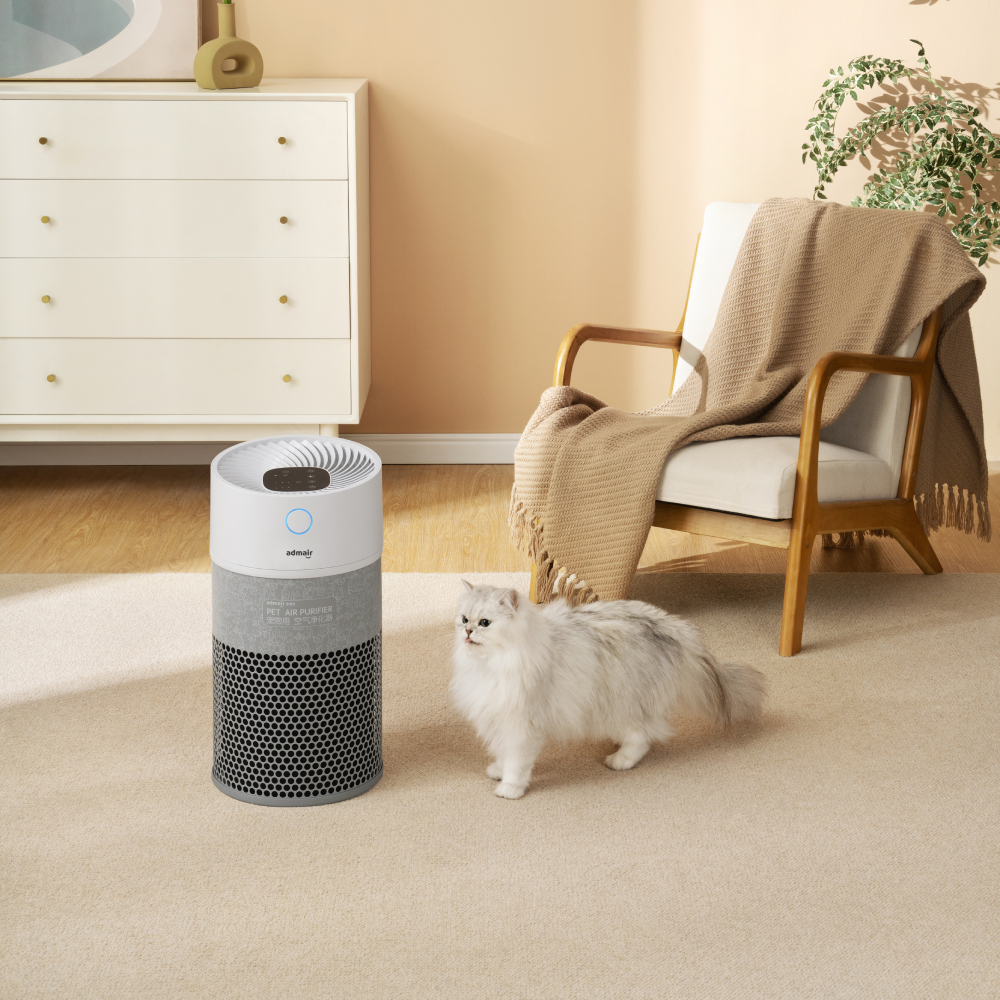
Pet owners face a persistent challenge: controlling hair, dander, and odors that accumulate throughout their homes. A pet air purifier has become an increasingly popular solution for managing these indoor air quality issues. But does a pet air purifier actually deliver on its promises, or is it simply another household gadget that fails to make a meaningful difference? Understanding how a pet air purifier works and what it can realistically achieve is essential before investing in one for your home.
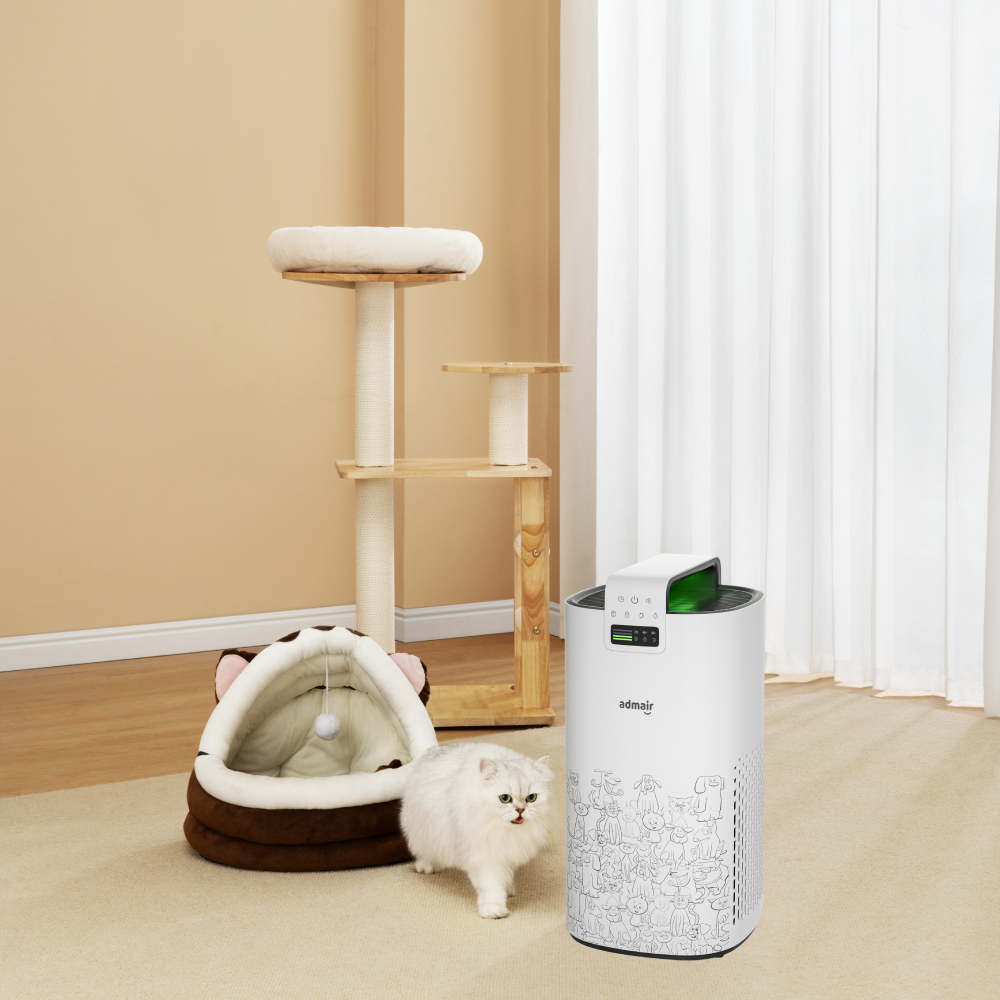
The effectiveness of a pet air purifier depends on understanding its core technology, proper placement, and realistic expectations about what it can and cannot accomplish. A pet air purifier combines multiple filtration stages to trap particles, remove odors, and improve overall air quality in pet-filled homes. This guide explores the genuine effectiveness of pet air purifier systems, examines the science behind their operation, and helps you determine whether a pet air purifier is the right investment for your household.
How a Pet Air Purifier Removes Pet Hair and Dander
Multi-Stage Filtration Technology
A pet air purifier uses several filtration layers working together to capture airborne particles. The pre-filter stage catches larger debris like pet hair and visible dust, extending the life of deeper filters and improving the efficiency of the entire pet air purifier system. Following the pre-filter, a pet air purifier typically includes a HEPA filter, which captures ultra-fine particles including pet dander, which measures just 2.5 microns or smaller. These microscopic dander particles are the primary cause of allergic reactions in pet-sensitive individuals, making their removal crucial for household air quality. A pet air purifier equipped with activated carbon adds another layer of protection by absorbing odor molecules that create unpleasant smells associated with pets. Together, these stages make a pet air purifier capable of addressing multiple dimensions of pet-related air quality problems simultaneously.
Airflow and Coverage Area
The effectiveness of a pet air purifier also depends on its Clean Air Delivery Rate (CADR) and how well it circulates air throughout your space. A pet air purifier with higher CADR values can process more cubic feet of air per minute, meaning faster and more thorough cleaning of your home's atmosphere. Room size matters significantly; a pet air purifier designed for small rooms will struggle in large open-concept spaces, while an oversized pet air purifier running at low speed may seem inefficient. Placement also affects performance—positioning a pet air purifier in high-traffic areas where pets spend most of their time maximizes its ability to capture particles before they settle on furniture and floors. Air circulation patterns in your home influence how quickly a pet air purifier can pull contaminated air through its filters, so centralized placement often outperforms corner positioning.
Real-World Effectiveness Against Pet Odors and Hair
Odor Reduction Capabilities
Pet odors originate from multiple sources: urine, feces, wet fur, and natural skin secretions. A pet air purifier with quality activated carbon can noticeably reduce airborne odor molecules, making your home smell fresher within hours of continuous operation. The extent of odor reduction depends on the activated carbon capacity and replacement frequency; a pet air purifier loses effectiveness if its carbon filter becomes saturated and isn't replaced regularly. Studies show that a pet air purifier can reduce pet-related odors by 60 to 80 percent when used consistently, though complete odor elimination requires combining a pet air purifier with basic hygiene practices like regular pet bathing and litter box maintenance. A pet air purifier works best as one component of a comprehensive approach to pet odor management rather than a standalone solution.
Pet Hair and Dander Capture
A pet air purifier excels at capturing airborne pet hair and dander before these particles settle onto surfaces. Once pet hair enters a pet air purifier's intake, the pre-filter traps larger fibers while the HEPA filter catches microscopic dander that would otherwise float through your home for hours. However, a pet air purifier cannot retrieve pet hair already embedded in carpets, furniture, or bedding—it only addresses particles currently suspended in the air. For maximum effectiveness, use a pet air purifier alongside regular vacuuming and grooming to prevent excessive hair accumulation. Testing data indicates that a pet air purifier reduces airborne pet hair by up to 85 percent within the device's coverage area, significantly improving conditions for allergy sufferers and those sensitive to pet-related irritants.
Factors That Determine Pet Air Purifier Success
Maintenance and Filter Replacement
A pet air purifier's performance deteriorates rapidly without proper maintenance. Pre-filters should be vacuumed monthly, while HEPA filters typically need replacement every 6 to 12 months depending on pet density and usage intensity. The activated carbon in a pet air purifier becomes less effective at odor absorption over time and should be replaced according to the manufacturer's recommendations, usually every 3 to 6 months in homes with multiple pets. Failing to maintain a pet air purifier means reduced air cleaning capacity and diminished odor control, making the investment ineffective. Many pet owners underestimate the importance of regular filter changes, which directly impacts whether a pet air purifier delivers the promised air quality improvements.
Environmental Conditions and Pet Behavior
A pet air purifier's effectiveness also depends on environmental factors like humidity, temperature, and the number and size of pets in your home. Homes with multiple large dogs or cats will overwhelm a pet air purifier designed for smaller households, while single-pet environments may experience dramatic improvements in air quality. Indoor humidity affects how pet dander and odor molecules behave; higher humidity can reduce a pet air purifier's ability to capture some particles efficiently. Pets that shed continuously, such as during seasonal coat changes, create challenges that even high-capacity pet air purifier systems struggle to address completely. Understanding your specific household conditions helps determine whether a pet air purifier will provide noticeable benefits or marginal improvements.
FAQ
How long does a pet air purifier take to show results?
Most users notice improvements in air quality and reduced odors within 24 to 48 hours of running a pet air purifier continuously. The speed depends on the purifier's CADR rating, your room size, and filter condition. New filters provide optimal performance, while worn filters show delayed results. Running a pet air purifier during hours when you're home allows you to observe the effect firsthand.
Can a pet air purifier eliminate pet allergies completely?
A pet air purifier significantly reduces airborne pet dander and can minimize allergy symptoms, but complete elimination depends on multiple factors including genetics, sensitivity level, and overall home cleanliness. A pet air purifier removes particles from the air but doesn't prevent dander from being generated by pets or eliminate settled particles on surfaces. Combining a pet air purifier with regular pet grooming, bedding washing, and air circulation produces the best allergy management results.
What size pet air purifier do I need for my home?
Choose a pet air purifier with a CADR rating matching your room size; most manufacturers provide coverage recommendations in square feet. For larger homes, consider either a single larger-capacity pet air purifier or multiple units in different rooms. Verify that a pet air purifier's air changes per hour (ACH) meets your needs—typically 4 to 5 ACH minimum for effective pet odor and hair control.