
 EN
 AR
 NL
 FR
 DE
 EL
 HI
 IT
 JA
 KO
 PL
 PT
 ES
 ID
 VI
 TH
 TR
 MS
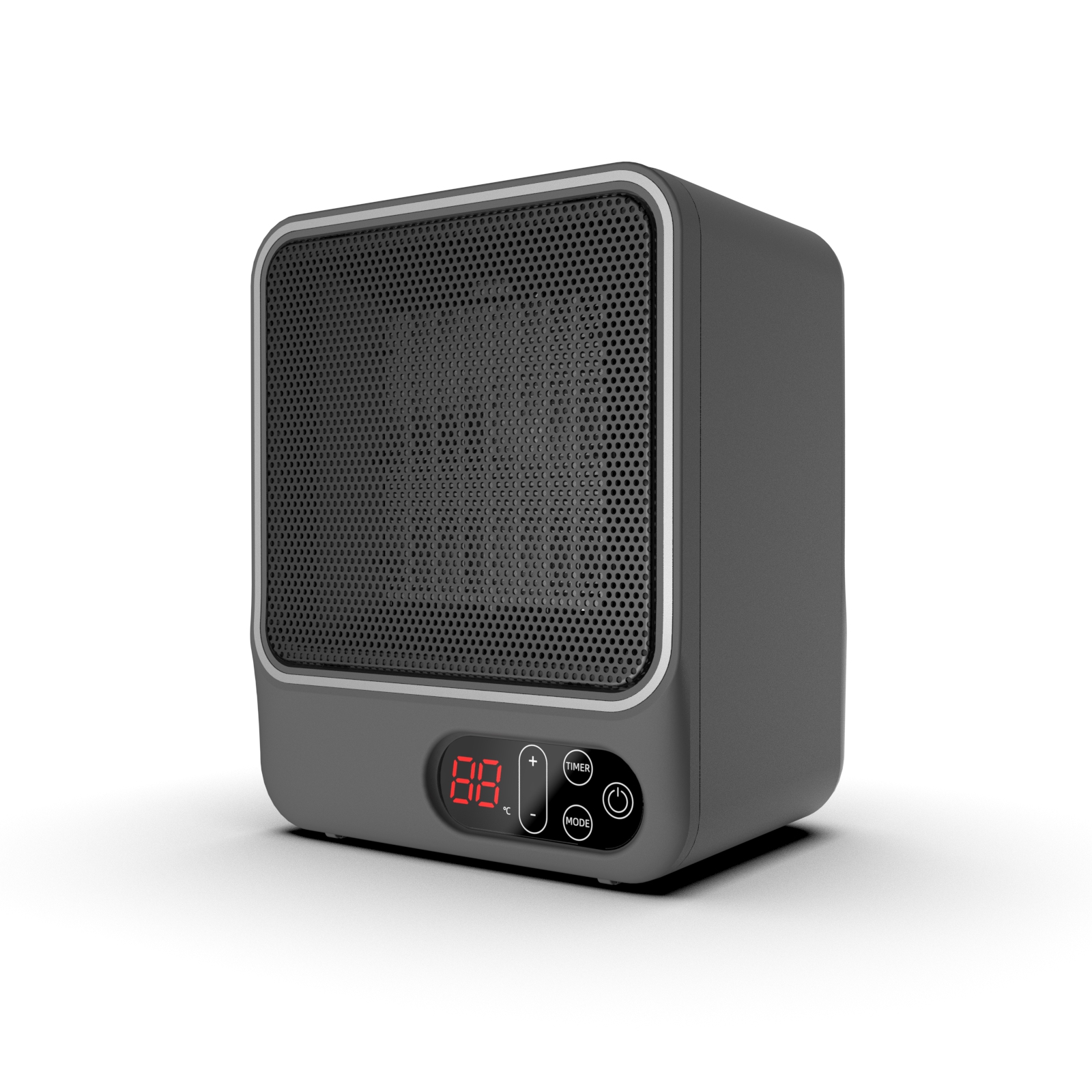
Achieving optimal heater comfort in any environment requires understanding how heating systems interact with personal preferences, space dynamics, and energy efficiency. Whether you work in a personal office, shared workspace, or multi-occupancy setting, heater comfort directly influences productivity, well-being, and operational costs. Modern heating solutions are designed to deliver precise temperature control while maintaining even warmth distribution across different room configurations. Understanding how heater comfort functions at both individual and collective levels enables smarter investment decisions and better environmental management.
The science behind heater comfort extends beyond simple temperature elevation. Effective heater comfort balances radiant warmth, air circulation, humidity levels, and localized heating zones. In shared environments like offices, classrooms, and communal spaces, achieving heater comfort requires systems that prevent temperature conflicts between occupants while maintaining energy efficiency. Personal heating devices offer targeted warmth solutions that reduce overall facility heating loads, while centralized systems provide consistent heater comfort across larger areas. This article explores the mechanisms, benefits, and practical applications of heater comfort in diverse settings.
The Science of Heater Comfort and Thermal Perception
How Temperature Regulation Affects Comfort Levels
Heater comfort depends on consistent temperature maintenance within the thermal comfort zone, typically between 68 and 72 degrees Fahrenheit for most occupants. The human body perceives heater comfort through multiple sensory pathways including skin temperature, radiant heat absorption, and air movement patterns. When heater comfort is properly calibrated, metabolic rates stabilize, cognitive function improves, and physical discomfort diminishes significantly. Studies demonstrate that inadequate heater comfort reduces workplace productivity by up to 15 percent, making strategic heating investment a sound business decision. Precision temperature control devices directly contribute to measurable heater comfort improvements across diverse demographic groups and activity levels.
Radiant Versus Convective Heating for Comfort
Two primary heating mechanisms define heater comfort delivery: radiant heating and convective heating. Radiant heater comfort relies on infrared energy transmitted directly to objects and occupants without heating intervening air, creating efficient and localized warmth zones. Convective heater comfort works by warming air masses that circulate throughout spaces, providing broader temperature distribution but potentially creating temperature stratification problems. Modern heater comfort solutions often combine both methods to maximize thermal efficiency while minimizing energy consumption. Radiant systems excel in providing personal heater comfort near workstations, while convective systems maintain baseline heater comfort throughout shared environments more effectively.
Enhancing Heater Comfort in Personal Workspaces
Targeted Heating Solutions for Individual Spaces
Personal heater comfort systems empower individual occupants to control their immediate thermal environment without affecting facility-wide temperature settings. Desk-mounted or floor-positioned heater comfort devices allow users to achieve personalized warmth without energy waste associated with over-heating entire buildings. This localized approach to heater comfort particularly benefits users with distinct thermal preferences, mobility challenges, or sensitivity to temperature fluctuations. Electric heater comfort devices provide rapid warm-up times, typically achieving comfortable temperatures within 5 to 15 minutes of activation. The ability to independently manage heater comfort reduces interpersonal temperature conflicts and enables facility managers to maintain lower baseline temperatures while preserving occupant satisfaction.
Energy Efficiency and Cost Reduction Through Personal Heating
Implementing personal heater comfort solutions substantially reduces facility heating expenses by decreasing demand for centralized system output. When employees utilize targeted heater comfort devices, facility managers can reduce ambient temperature settings by 2 to 4 degrees while maintaining overall occupant satisfaction levels. This strategic temperature reduction yields 10 to 15 percent energy savings in heating-intensive climates and seasons. Heater comfort achieved through efficient personal devices costs significantly less than facility-wide temperature increases that waste energy heating unoccupied or non-critical areas. Organizations adopting distributed heater comfort strategies report measurable reductions in utility bills alongside improved employee satisfaction metrics and thermal preference compliance.
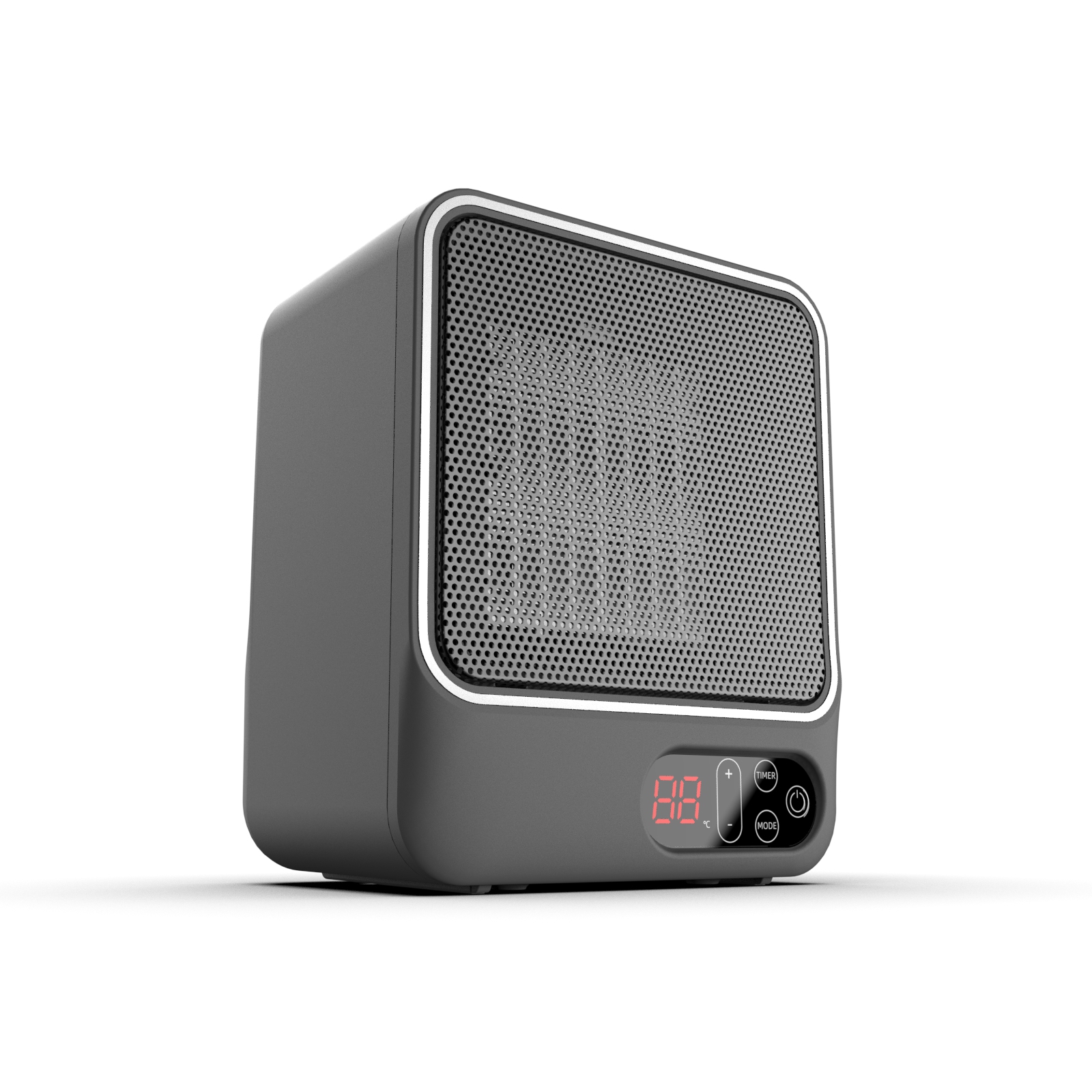
Managing Heater Comfort in Shared and Multi-Occupancy Environments
Temperature Consensus and Conflict Resolution
Shared spaces present unique heater comfort challenges because diverse occupants maintain conflicting thermal preferences simultaneously. Achieving consensus heater comfort typically involves setting baseline temperatures that satisfy 80 to 85 percent of occupants while offering supplementary heater comfort options for individuals requiring additional warmth. Strategic heater comfort zoning divides large shared spaces into thermal sections, allowing independent temperature management while maintaining overall environmental control. Supplementary heater comfort devices positioned in common areas enable users to adjust personal warmth without implementing costly HVAC system modifications. Facilities that combine baseline climate control with accessible heater comfort solutions report significantly higher occupant satisfaction and reduced temperature-related complaints.
System Design and Distribution for Optimal Heater Comfort
Effective heater comfort delivery in shared environments requires strategic system placement that ensures uniform temperature distribution without dead zones or excessive hot spots. Heater comfort systems should be positioned to prevent air flow obstruction while maintaining adequate circulation patterns that prevent stratification. Ceiling-mounted or wall-integrated heater comfort systems distribute warmth more evenly than floor-based units but may sacrifice personal temperature control advantages. High-efficiency heater comfort solutions incorporate thermostatic controls, programmable schedules, and sensor-based temperature monitoring that automatically adjust output based on occupancy and external conditions. Professional heater comfort system design assessment ensures optimal placement, capacity selection, and integration with existing climate control infrastructure, maximizing both thermal satisfaction and operational efficiency.
Practical Applications and Industry-Specific Heater Comfort Solutions
Heater Comfort in Office and Professional Environments
Office environments particularly benefit from layered heater comfort strategies combining centralized climate control with accessible personal heating devices. Open-plan workspaces present distinctive heater comfort challenges because individual workstations experience varying thermal conditions based on proximity to windows, doors, and airflow patterns. Implementing heater comfort solutions that allow occupants to customize their immediate thermal environment significantly improves focus, reduces discomfort-related disruptions, and enhances overall workplace satisfaction. Mobile heater comfort devices enable flexible use across multiple workstations, seasonal adjustments, and temporary heating needs without permanent infrastructure investment. Organizations implementing comprehensive heater comfort programs report measurable improvements in employee retention and reduced sick leave related to thermal discomfort.
Industry-Specific Implementation Strategies
Different industries require tailored heater comfort approaches reflecting their operational characteristics and occupant profiles. Healthcare facilities need heater comfort systems that accommodate patient requirements, staff mobility, and strict temperature maintenance for equipment functionality. Educational institutions require heater comfort solutions that support diverse age groups, varying activity levels in classrooms versus common areas, and flexible scheduling. Industrial facilities need heater comfort strategies addressing high-bay spaces, thermal hazards, and worker safety alongside operational equipment heat output. Retail and hospitality environments must balance heater comfort for customers and staff while managing variable occupancy and customer dwell times. Customized heater comfort assessment and implementation ensures regulatory compliance, operational efficiency, and occupant satisfaction across diverse commercial and institutional settings.
FAQ
What specific factors determine heater comfort levels in different room sizes?
Heater comfort in different room sizes depends on several interdependent factors including volume capacity, insulation quality, window and door placement, occupancy density, and activity levels. Smaller personal spaces require lower-capacity heater comfort systems rated for quick temperature response, while larger shared environments need distributed systems maintaining consistent heater comfort across diverse thermal zones. Room geometry, ceiling height, and material composition significantly influence heater comfort delivery efficiency and speed. Professional heater comfort assessment evaluates these variables to recommend appropriately sized systems that achieve comfort objectives while optimizing energy consumption and operational costs.
How quickly do modern heater comfort systems achieve target temperatures?
Modern electric heater comfort systems vary significantly in warm-up speed based on technology and capacity ratings. Efficient heater comfort devices typically achieve noticeable temperature improvement within 5 to 10 minutes of activation in small personal spaces. Larger-capacity heater comfort systems serving shared environments may require 20 to 30 minutes to establish uniform distribution throughout the entire space. Heater comfort speed depends partly on initial ambient temperature, target temperature settings, and system power output. Programmable heater comfort devices that operate continuously on low settings maintain consistent warmth more effectively than intermittent high-power operation, yielding superior long-term comfort satisfaction and energy efficiency.
Can personal heater comfort devices reduce overall facility heating expenses significantly?
Yes, strategic implementation of personal heater comfort devices demonstrably reduces facility-wide heating expenses by enabling lower baseline temperature maintenance throughout shared spaces. When occupants utilize targeted heater comfort solutions, facility managers can reduce ambient temperature by 2 to 4 degrees while preserving occupant satisfaction, yielding 10 to 15 percent energy savings in heating-intensive seasons. This heater comfort strategy proves particularly effective in facilities with variable occupancy patterns, diverse thermal preferences, and high baseline heating costs. Organizations combining personal heater comfort options with smart climate control systems, occupancy sensors, and programmable scheduling report cumulative energy reductions exceeding 20 percent. The financial investment in accessible heater comfort infrastructure typically returns through utility savings within one to two heating seasons while simultaneously improving occupant comfort and satisfaction metrics.