
 EN
 AR
 NL
 FR
 DE
 EL
 HI
 IT
 JA
 KO
 PL
 PT
 ES
 ID
 VI
 TH
 TR
 MS
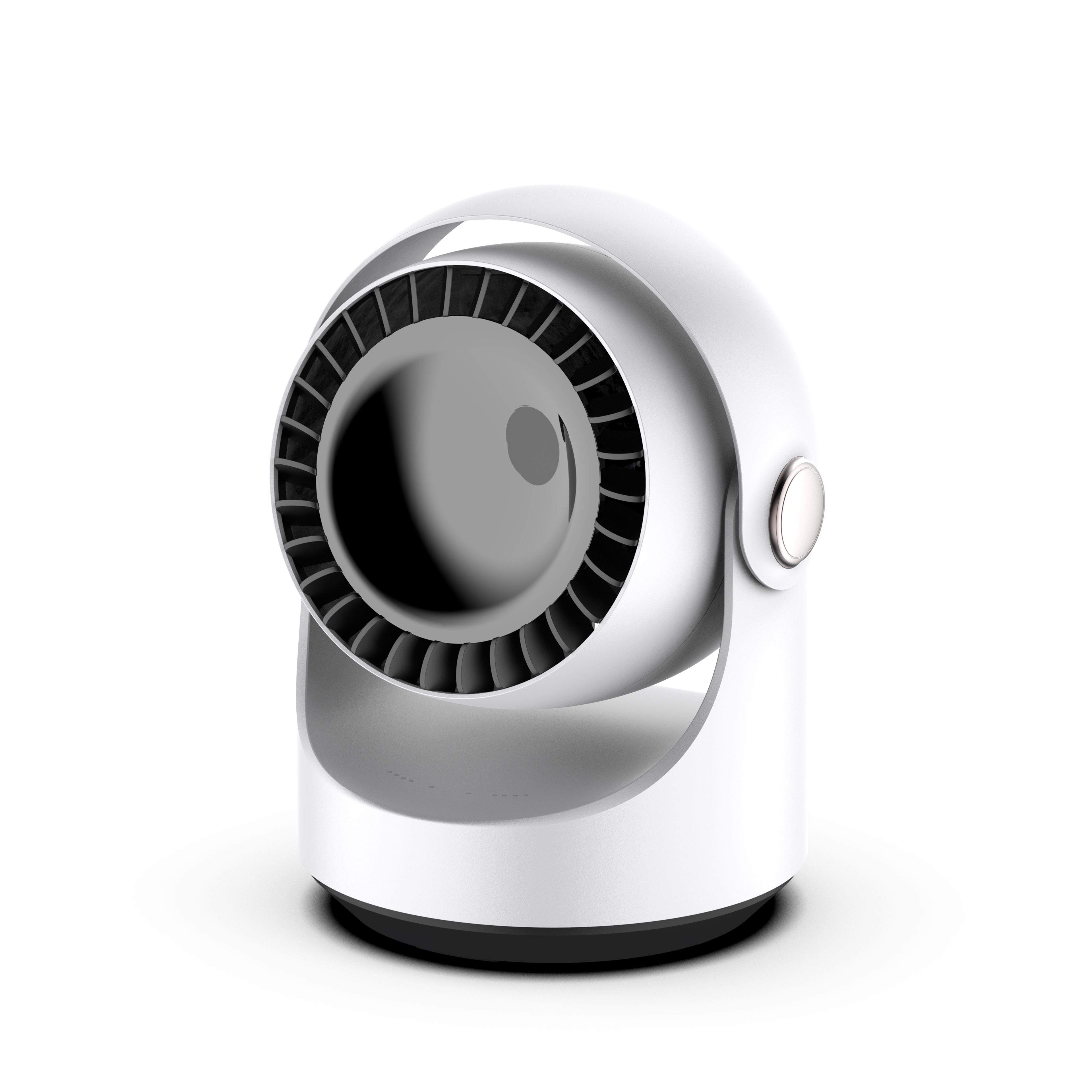
An air circulator fan is a powerful tool for transforming how air moves through office spaces. Unlike traditional fans that simply push air in one direction, an air circulator fan works strategically to distribute air more evenly throughout the entire room, creating consistent temperature zones and improving overall air quality. In modern office environments where employees spend eight or more hours daily in enclosed spaces, the role of an air circulator fan has become increasingly critical for both comfort and productivity.
The mechanics behind an air circulator fan differ fundamentally from standard ceiling or pedestal fans. An air circulator fan uses focused airflow patterns to push stagnant air from corners and dead zones back into active circulation, preventing hot or cold spots from forming. This targeted approach means an air circulator fan can reduce reliance on HVAC systems, lower energy consumption, and create a more balanced thermal environment that keeps office workers comfortable year-round.
How an Air Circulator Fan Distributes Air More Effectively
The Science Behind Strategic Air Movement
An air circulator fan operates on principles of momentum and directional flow. The compact motor and blade design of an air circulator fan generates concentrated jets of air that travel across a room in focused patterns, rather than dispersing immediately like traditional fan designs. This concentrated approach allows an air circulator fan to reach areas that conventional fans struggle to address, such as corners, under desks, and spaces blocked by furniture arrangements. When you position an air circulator fan strategically, it can push air along walls and ceilings, then redirect it downward to create complete room circulation.
Real-World Temperature Regulation Benefits
Offices frequently experience temperature layering, where warm air rises to the ceiling and cold air settles near the floor. An air circulator fan disrupts this stratification by forcing air movement that mixes these layers. When you run an air circulator fan during peak office hours, thermostats register more accurate room temperatures because the air is no longer separated into distinct zones. This means an air circulator fan helps HVAC systems operate more efficiently, as they do not have to overcorrect for perceived temperature variations. The result is that an air circulator fan reduces heating and cooling costs while maintaining occupant comfort across the entire office footprint.
Ventilation and Air Quality Improvements with an Air Circulator Fan
Moving Fresh Air and Removing Stale Air
Beyond temperature control, an air circulator fan plays a crucial role in air quality management. When office HVAC systems introduce fresh air into a space, an air circulator fan ensures that new air reaches all occupants rather than settling in one corner. Stale air pockets, which accumulate carbon dioxide and volatile organic compounds from office equipment and furnishings, are actively displaced when an air circulator fan is in operation. This continuous movement means an air circulator fan supports the natural ventilation cycle, making your existing HVAC investment work harder and smarter. Offices that deploy an air circulator fan in conjunction with proper fresh air intake report noticeably improved air quality metrics within weeks.
Allergen and Particle Distribution Control
Dust, pollen, and indoor allergens settle quickly in still air, creating localized contamination zones near workstations. An air circulator fan keeps these particles in suspension and moving toward HVAC filters, where they can be captured rather than accumulated on surfaces. When you operate an air circulator fan continuously or during work hours, airborne particles remain in the circulation loop instead of settling on keyboards, monitors, and desks. This reduction in particulate matter around individual workstations means an air circulator fan directly contributes to fewer sick days and allergies among office staff. The preventive health benefits of an air circulator fan often justify its modest energy cost.
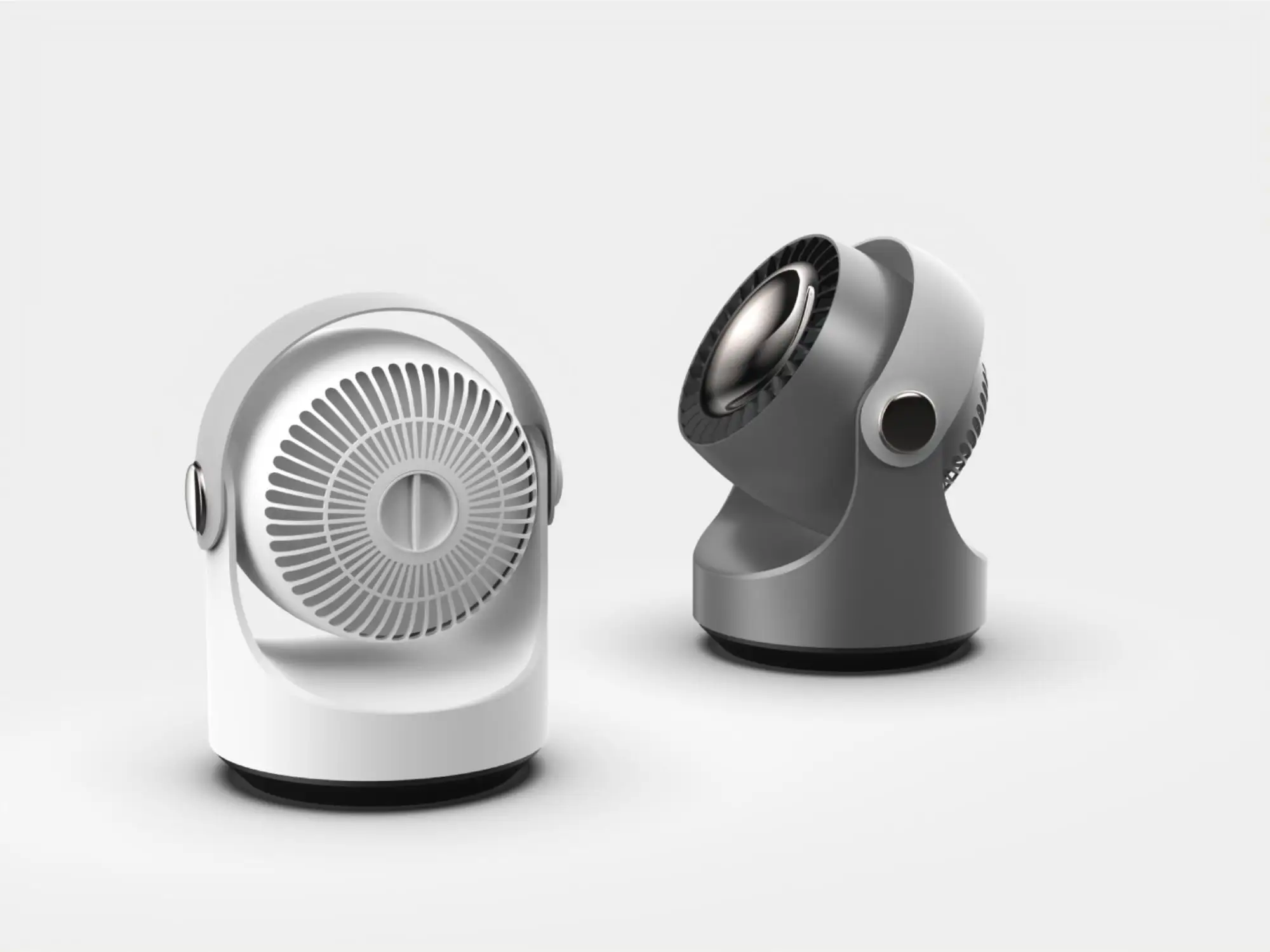
Practical Placement and Implementation Strategies
Optimal Positioning for Maximum Coverage
The effectiveness of an air circulator fan depends heavily on where you place it within your office layout. Position an air circulator fan in the center of large open areas to maximize reach, or place it near a wall to create a directional flow pattern that covers the entire perimeter. In enclosed office spaces with multiple workers, an air circulator fan should be elevated slightly off the floor, typically on a desk or stand, to ensure air movement reaches all occupant breathing zones. The key principle is that an air circulator fan works best when positioned to counteract your specific room's dead air zones. Test different placements and observe where air stagnation occurs; an air circulator fan positioned opposite that problem area will deliver the highest benefit.
Integration with Existing Ventilation Systems
An air circulator fan should never replace a proper HVAC system but rather complement it. Install an air circulator fan to augment your existing ventilation infrastructure by ensuring air supplied by ducts reaches all corners evenly. During seasons when HVAC systems run continuously, an air circulator fan can operate on a lower speed setting, reducing its own energy draw while still providing essential air movement support. Many offices schedule an air circulator fan to run during business hours and shut down after staff departs, balancing comfort and efficiency. The synergy between an air circulator fan and centralized ventilation creates superior indoor air quality compared to either system operating alone.
Health, Productivity, and Comfort Outcomes
Employee Comfort and Satisfaction Metrics
When office environments maintain consistent air movement through an air circulator fan, employees report higher comfort satisfaction scores and fewer complaints about stuffy or uncomfortable working conditions. An air circulator fan eliminates the perceived stuffiness that accompanies stagnant air, even when temperature readings are technically acceptable. Employees working in spaces equipped with an air circulator fan demonstrate better focus, reduced fatigue during afternoon hours, and fewer instances of headaches attributed to poor air quality. This perception of freshness and comfort matters significantly for retention and recruitment in competitive job markets. Organizations that invest in an air circulator fan for their offices signal to staff that workspace quality and well-being are priorities.
Energy Efficiency and Operating Costs
An air circulator fan consumes far less energy than running HVAC systems at increased capacity to overcome air stratification and dead zones. The typical air circulator fan uses between 30 and 80 watts, depending on size and speed settings, compared to several kilowatts for commercial HVAC operation. By deploying an air circulator fan, facility managers reduce HVAC load and extend equipment lifespan, lowering maintenance costs over time. The payback period for an air circulator fan investment is typically measured in months rather than years, making it one of the most cost-effective office ventilation upgrades available. For budget-conscious facilities, an air circulator fan represents exceptional value in improving both comfort and operational efficiency simultaneously.
FAQ
Can an air circulator fan work in small offices or cubicles?
Yes, an air circulator fan is highly effective in compact spaces. In small offices or individual cubicles, an air circulator fan prevents air from becoming stagnant and improves local air quality around the occupant's breathing zone. Position an air circulator fan at desk height or on a low stand to maximize its impact in confined areas. The concentrated airflow of an air circulator fan makes it particularly valuable when individual workspace ventilation is limited.
How often should an air circulator fan run during office hours?
An air circulator fan can operate continuously throughout business hours without causing discomfort or excessive noise if you choose a quiet model. Many offices run an air circulator fan on medium speed during standard working periods and increase speed during peak occupancy. An air circulator fan should be turned off after hours to conserve energy, as no occupants benefit from air circulation in an empty space. The optimal schedule depends on your office layout, occupancy patterns, and HVAC settings.
Does an air circulator fan replace air filters or professional ventilation maintenance?
No, an air circulator fan complements but does not replace regular ventilation system maintenance or filter replacements. An air circulator fan improves the distribution of air already in your system but does not purify or filter it independently. Continue scheduled HVAC maintenance and filter changes while using an air circulator fan to enhance overall air quality and system efficiency. The combination of proper maintenance and an air circulator fan delivers the best results.