
 EN
 AR
 NL
 FR
 DE
 EL
 HI
 IT
 JA
 KO
 PL
 PT
 ES
 ID
 VI
 TH
 TR
 MS
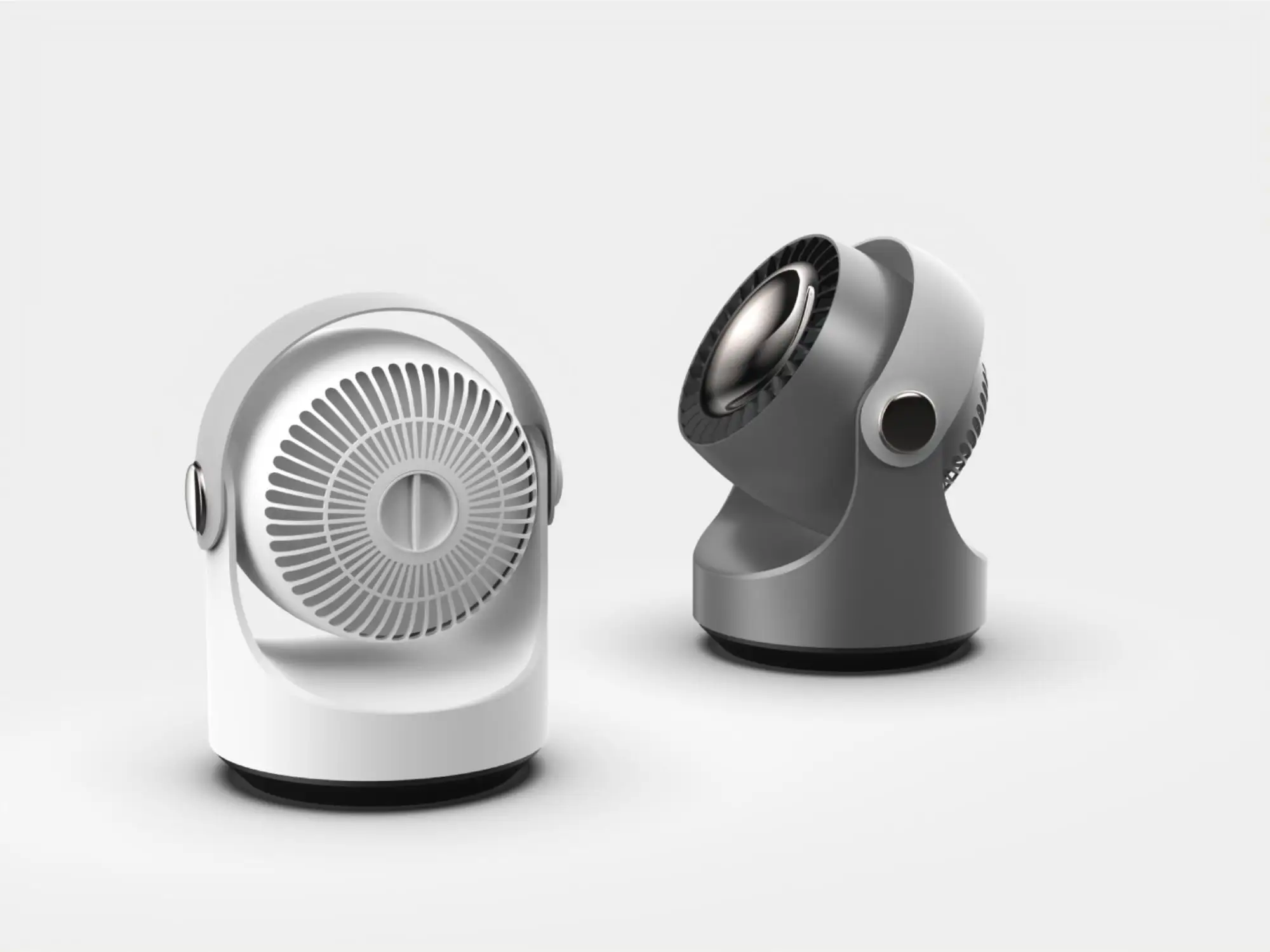
Homeowners today are increasingly turning to air circulator fan systems to maintain consistent comfort throughout their homes across all seasons. An air circulator fan represents a practical investment that goes far beyond simple temperature control, addressing multiple household comfort challenges simultaneously. Whether dealing with uneven room temperatures, stagnant air quality, or rising energy costs, an air circulator fan delivers measurable benefits that justify its growing popularity in modern households.
The decision to install an air circulator fan reflects a deeper understanding of how homes function thermally and how air movement affects perceived comfort. Unlike traditional fans that simply blow air in one direction, an air circulator fan works by redistributing existing air throughout a space, creating more uniform temperature distribution. This technology has become essential for households seeking to optimize their living environments while managing utility expenses effectively.
Core Reasons Households Invest in Air Circulator Fan Technology
Addressing Temperature Stratification and Uneven Comfort
One of the primary motivations for choosing an air circulator fan is combating the natural phenomenon of temperature stratification, where warm air rises and cool air sinks, leaving certain areas of a home significantly warmer or cooler than others. An air circulator fan counteracts this by pushing air upward and outward, forcing warm or cool air to mix throughout the entire space. This mechanical mixing ensures that every room maintains consistent temperatures, eliminating the frustration of hot and cold zones that plague many households. By investing in an air circulator fan, homeowners can finally achieve the uniform comfort they've always wanted without installing expensive zoning systems.
Reducing Energy Consumption and Lowering Utility Bills
An air circulator fan provides significant cost savings by allowing homeowners to adjust their thermostat settings while maintaining comfort levels. During winter, running an air circulator fan alongside heating systems helps distribute warm air more efficiently, reducing the need to raise temperature settings. In summer, an air circulator fan paired with air conditioning allows cooler air to spread evenly, meaning thermostats can be set slightly higher while comfort remains constant. This dual-season efficiency makes an air circulator fan a smart financial decision that pays dividends year-round through lower heating and cooling costs.
Seasonal Applications of Air Circulator Fan Solutions
Winter Performance and Heating Season Benefits
During colder months, an air circulator fan becomes particularly valuable for maximizing heating efficiency throughout the home. Many households find that their heating systems warm the upper portions of rooms while floors and lower spaces remain chilly. An air circulator fan addresses this by pushing warm air downward and outward, ensuring that heat reaches living spaces where people actually spend time. This capability means homeowners relying on an air circulator fan can achieve comfortable living conditions while using their furnace or heat pump less frequently. The result is a warmer, more comfortable home during winter months with measurably lower energy bills.
Summer Cooling and Circulation Enhancement
Summer presents unique challenges that an air circulator fan solves with remarkable effectiveness. Air conditioning units concentrate cold air in certain areas, leaving other rooms warmer and less comfortable. An air circulator fan redistributes cooled air throughout the home, allowing homeowners to use air conditioning more efficiently. Many households report that running an air circulator fan during summer allows them to maintain comfortable conditions at higher thermostat settings, resulting in substantial energy savings over the entire season. This makes an air circulator fan an economical alternative to installing additional air conditioning capacity or expanding existing systems.
Improving Air Quality and Creating Healthier Living Spaces
Enhancing Indoor Air Circulation and Freshness
Beyond temperature management, an air circulator fan significantly impacts indoor air quality by preventing stagnant air pockets where pollutants, odors, and allergens accumulate. Stagnant air allows dust, pet dander, and airborne particles to settle in specific areas, creating unhealthy conditions and contributing to respiratory issues. An air circulator fan continuously moves air throughout the home, preventing these harmful particles from becoming concentrated in any single location. This circulation capability means an air circulator fan works synergistically with air filters and purification systems, creating a comprehensive approach to healthier indoor environments. Households with allergies, asthma, or general health consciousness find that an air circulator fan substantially improves their living space quality.
Reducing Moisture and Preventing Mold Growth
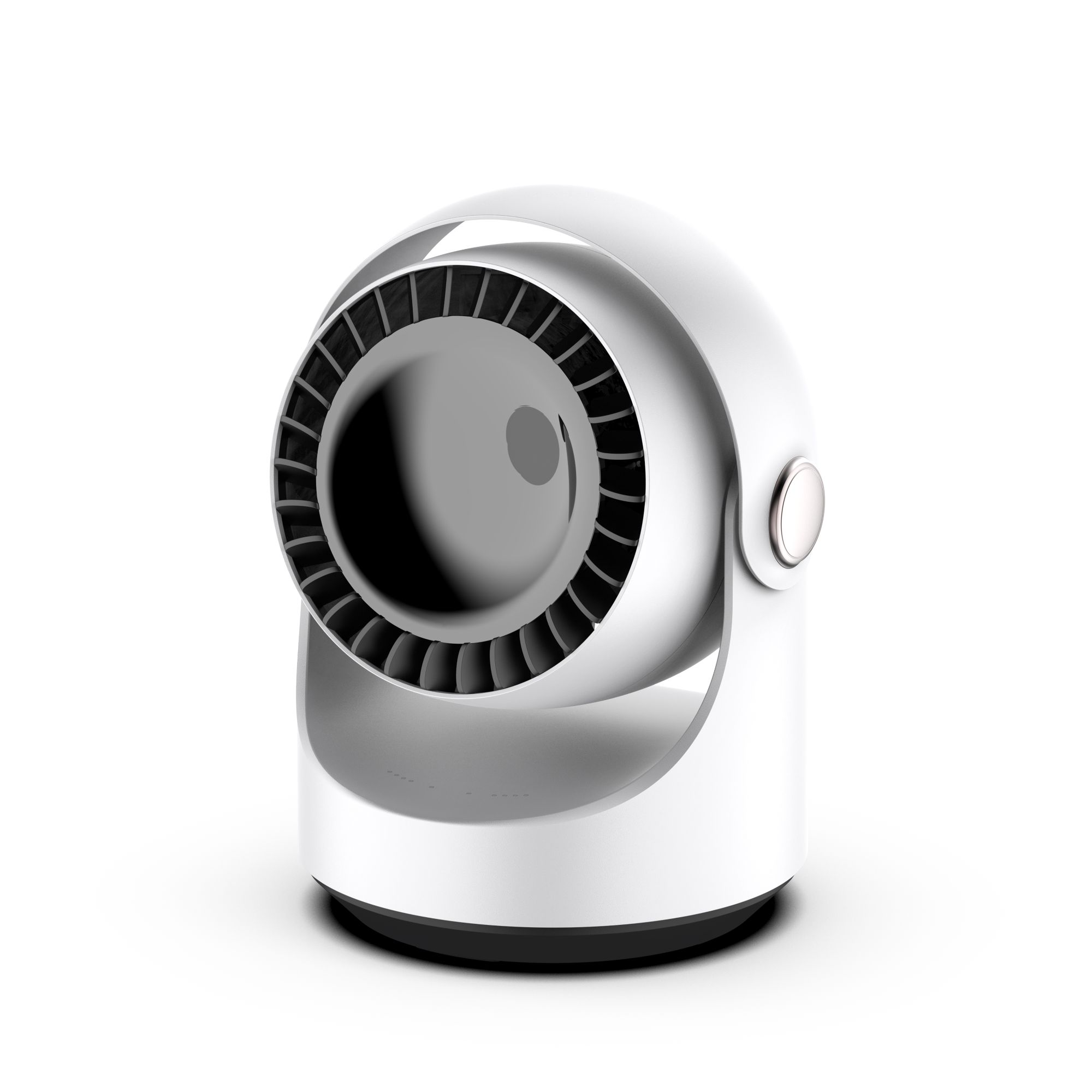
Moisture accumulation represents a significant challenge in many homes, particularly in bathrooms, basements, and humid climates. When air stagnates, moisture becomes trapped, creating ideal conditions for mold and mildew growth that damage structures and threaten health. An air circulator fan combats this by keeping air in constant motion, allowing moisture to evaporate rather than concentrate. This preventative capability makes an air circulator fan an investment in both home durability and family health. Many homeowners report that simply running an air circulator fan during and after high-moisture activities like showering or laundry significantly reduces mold problems and extends the life of building materials.
Practical Implementation and Year-Round Comfort Strategy
Positioning and Operating an Air Circulator Fan for Maximum Benefit
Effective use of an air circulator fan requires understanding proper placement and operation patterns throughout the year. During winter, positioning an air circulator fan near ceiling level allows it to push warm air downward where people can feel its benefit immediately. In summer, lower positioning helps distribute cool air more evenly across living spaces. An air circulator fan operates best when running continuously during heating or cooling seasons, rather than intermittently, as this maintains consistent air distribution patterns. Households that optimize their air circulator fan placement and operation schedules report superior comfort compared to those with casual deployment strategies. This strategic approach transforms an air circulator fan from a simple appliance into a core component of home comfort infrastructure.
Compatibility with Modern Home Systems
Today's air circulator fan models integrate seamlessly with smart home technology, allowing remote operation and automated scheduling. An air circulator fan that connects to home automation systems can activate based on temperature sensors, time of day, or seasonal settings. This intelligent operation ensures households achieve optimal air circulation without manual intervention. Many modern air circulator fan units feature quiet operation, energy-efficient motors, and aesthetic designs that complement contemporary home interiors. The combination of technological advancement and practical functionality makes an air circulator fan an attractive investment for households seeking comfort and convenience simultaneously.
FAQ
How much energy does an air circulator fan typically consume compared to heating or cooling systems?
An air circulator fan consumes significantly less energy than primary heating or cooling systems, typically using between 30 and 100 watts depending on motor size and speed settings. This minimal power consumption allows an air circulator fan to deliver measurable comfort improvements while reducing overall household energy use. The energy savings from adjusting thermostat settings while using an air circulator fan typically exceed the fan's own consumption by tenfold or more, making it an exceptionally efficient investment.
Can an air circulator fan replace traditional air conditioning or heating systems entirely?
An air circulator fan works best as a complementary technology rather than a replacement for primary heating or cooling systems. While an air circulator fan cannot generate cool air independently or provide primary heat, it dramatically amplifies the efficiency of existing systems by distributing conditioned air more evenly. Households use an air circulator fan alongside their primary HVAC systems to optimize comfort and minimize energy waste, creating a hybrid approach that maximizes both comfort and cost savings.
What noise level should households expect from an air circulator fan during continuous operation?
Modern air circulator fan designs operate at remarkably quiet levels, typically ranging from 20 to 50 decibels depending on speed settings and motor quality. An air circulator fan running at medium speed produces sound comparable to background conversation, making it suitable for bedrooms and living spaces during extended use. Higher-end models featuring advanced motor technology allow an air circulator fan to achieve even quieter operation while maintaining effective air distribution throughout the home.