
 EN
 AR
 NL
 FR
 DE
 EL
 HI
 IT
 JA
 KO
 PL
 PT
 ES
 ID
 VI
 TH
 TR
 MS
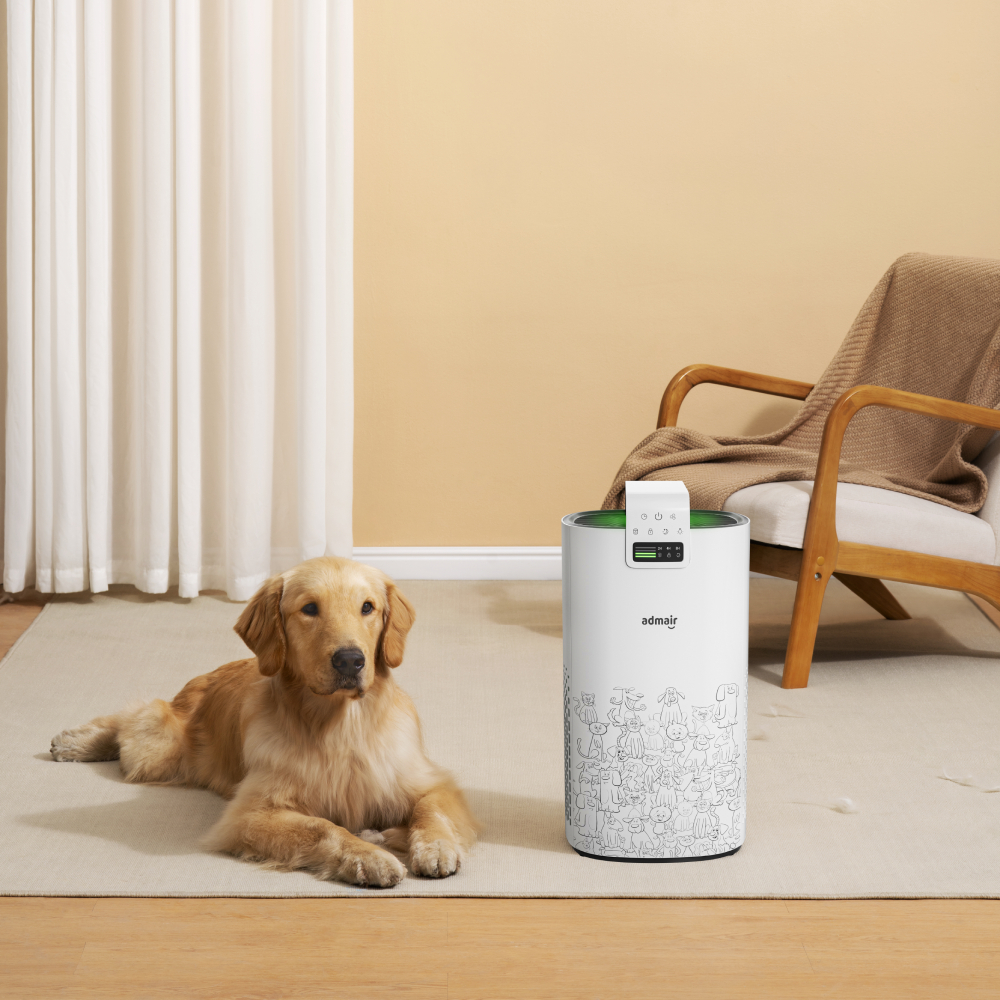
Living with pets brings joy, companionship, and warmth to any home — but it also introduces a persistent set of indoor air quality challenges that many owners underestimate. Pet dander, airborne hair, lingering odors, and allergens from saliva or urine can accumulate quickly in shared living spaces, affecting everyone who breathes that air. Whether you share your home with family members, roommates, or simply divide your space between humans and animals, maintaining clean indoor air becomes a daily concern. A pet air purifier is specifically engineered to address these challenges in ways that a standard household air purifier cannot fully match.
Understanding how a pet air purifier actually improves a shared living environment goes beyond marketing language. It requires looking at the specific filtration mechanisms, the behavioral patterns of airborne pet pollutants, and the real-world impact on human health and comfort. For households where allergies, asthma, or general air sensitivity are present, the difference can be significant. This article breaks down the core ways a pet air purifier transforms shared spaces — not just in theory, but in the daily experience of living alongside animals.

How Pet Pollutants Circulate in Shared Spaces
The Invisible Problem with Pet Dander and Hair
Most pet owners are aware of visible pet hair on furniture and clothing, but the more problematic pollutants are the ones that cannot be seen. Pet dander — microscopic flakes of dead skin shed by cats, dogs, birds, and other animals — is one of the most common indoor allergens worldwide. Because dander particles are extremely light, they remain suspended in the air for hours after a pet has moved through a room. A pet air purifier with a true HEPA filter captures particles as small as 0.3 microns, which covers the size range of most dander particles effectively.
In shared living spaces, this suspended dander doesn't stay in one area. It travels through ventilation systems, settles on soft surfaces, and re-enters the air whenever those surfaces are disturbed. Roommates who don't own pets but share the same apartment are often exposed to just as much airborne dander as the pet owner themselves. Running a pet air purifier continuously in high-traffic zones — such as living rooms, hallways, and bedrooms — reduces this cross-contamination significantly.
Odors That Settle Into the Shared Environment
Pet odors are another persistent challenge that affects everyone in a shared space, not just those who are desensitized to the smell over time. Odor molecules from pet urine, body oils, wet fur, and litter boxes are volatile organic compounds (VOCs) that disperse freely through air currents. Standard ventilation may dilute these odors temporarily, but it doesn't eliminate them. A pet air purifier equipped with an activated carbon filter layer is designed specifically to adsorb these odor-causing molecules, neutralizing them at the chemical level rather than simply masking them.
For shared living spaces — particularly apartments or condos with limited natural ventilation — this odor management capability is one of the most immediately noticeable benefits of using a pet air purifier. Guests and non-pet-owning residents notice the difference in air freshness, which also contributes to a more comfortable and socially welcoming environment.
The Filtration Mechanism Behind a Pet Air Purifier
Multi-Stage Filtration Designed for Animal Pollutants
A dedicated pet air purifier typically employs a multi-stage filtration system that addresses different categories of airborne contaminants simultaneously. The first stage generally consists of a pre-filter that captures larger particles — visible pet hair, dust, and debris — before they reach the more sensitive inner filter layers. This pre-filter stage extends the life of the HEPA filter beneath it, which is important for long-term maintenance in households where pets shed heavily.
The second stage, the true HEPA filter, is the core of what makes a pet air purifier effective against dander and fine particulate matter. HEPA filtration operates through a combination of interception, impaction, and diffusion mechanisms, capturing particles across a wide size spectrum with high efficiency. Some pet air purifier models also integrate an ionizer or UV-C layer to address bacteria and mold spores that can accompany animal environments, though the HEPA and carbon layers remain the primary workhorses for everyday pet pollutant removal.
Airflow Design and Coverage Area Considerations
The effectiveness of a pet air purifier in a shared living space depends not only on filter quality but also on its clean air delivery rate (CADR) and the room coverage it's rated for. CADR is a standardized metric that indicates how quickly a unit can filter a specific volume of air for dust, pollen, and smoke. For pet-heavy households, choosing a pet air purifier with a CADR appropriate to the room size ensures that the air is cycled and cleaned frequently enough to keep pollutant levels low.
In open-plan living areas common in modern shared housing, this becomes especially important. A pet air purifier placed near the center of a room or near the primary area where pets spend time will have a much greater impact than one tucked in a corner with obstructed airflow. Understanding placement as part of the overall strategy helps maximize the unit's contribution to cleaner shared air.
Impact on Health and Comfort in Shared Living
Allergy and Asthma Management for Non-Pet Owners
One of the most compelling reasons to invest in a pet air purifier is its measurable impact on allergy and asthma symptoms. When a household includes individuals who are sensitive to pet allergens — whether they own pets or simply live in proximity to them — a pet air purifier provides a continuous line of defense. By removing airborne dander and fine particulate matter consistently, it reduces the total allergen load in the breathing zone of everyone in the shared space.
Clinical and occupational health perspectives consistently point to indoor allergen reduction as one of the most effective environmental controls for managing pet-related respiratory symptoms. While a pet air purifier is not a medical device, it functions as a meaningful environmental management tool. Non-pet-owning roommates or family members with allergies often report noticeable improvements in symptom frequency and severity after a pet air purifier is introduced to the shared space.
Sleep Quality and Bedroom Air Management
Bedrooms in shared living spaces deserve particular attention when it comes to pet air quality. Many pet owners allow animals to sleep in or near the bedroom, which concentrates dander, hair, and odors in the space where residents spend the most time breathing deeply. Running a pet air purifier in the bedroom overnight creates a cleaner air environment during sleep, which can reduce nighttime allergy symptoms, improve respiratory comfort, and support better rest for both pet owners and any co-inhabitants sharing the household.
Because a pet air purifier operates quietly at lower fan speeds, it can run continuously during sleep without disturbing rest. Some models also offer sleep modes that dim indicator lights and reduce noise output to near-silent levels, making them well-suited for nighttime use in shared bedrooms or adjacent sleeping areas.
Practical Benefits for Different Types of Shared Living
Apartments and Multi-Resident Housing
In apartment settings, where multiple residents share walls, ventilation shafts, and common areas, pet-related air quality issues can extend beyond a single unit. However, within an individual apartment, a pet air purifier positioned in the living room or the area where pets spend most of their time can create a meaningful buffer. It reduces the concentration of pet pollutants that might otherwise migrate toward sleeping areas, kitchens, or shared corridors within the unit.
For renters, maintaining good indoor air quality with a pet air purifier also supports the condition of the living space over time. Reduced dander accumulation on soft furnishings, carpets, and curtains means less embedded allergen buildup — a practical benefit when lease-end cleaning is considered. Pet owners who use a pet air purifier consistently often find their shared spaces smell fresher and feel more neutral to visitors unfamiliar with animal environments.
Family Homes with Mixed Sensitivities
In family homes where children, elderly family members, or individuals with respiratory conditions share the space with pets, a pet air purifier serves a particularly important protective function. Children's respiratory systems are still developing, and early-life exposure to high levels of indoor allergens has been associated with increased sensitization risk. Elderly residents may have reduced respiratory resilience. Placing a pet air purifier in common areas and sleeping zones helps maintain air quality standards appropriate for the most sensitive members of the household.
A family home with multiple pets — or with pets that shed seasonally — experiences fluctuating allergen loads throughout the year. A pet air purifier that operates on a continuous or auto-sensing mode adapts to these fluctuations, increasing filtration intensity when particle levels rise and easing back when the air is cleaner. This adaptive operation makes a pet air purifier a reliable, low-maintenance tool for long-term shared living management.
Maintenance and Long-Term Value in Shared Spaces
Filter Replacement and Ongoing Upkeep
The long-term effectiveness of a pet air purifier depends on consistent filter maintenance. In pet-heavy households, HEPA filters and carbon filters accumulate contaminants faster than in non-pet homes, which generally means shorter replacement intervals. Most manufacturers of pet air purifier units recommend checking pre-filters monthly and replacing main filter assemblies every six to twelve months, depending on usage intensity and the number of animals in the household.
Neglecting filter replacement doesn't just reduce performance — it can result in the pet air purifier recirculating captured contaminants back into the air once the filter reaches saturation. Establishing a regular maintenance schedule keeps the unit operating at rated efficiency and ensures the shared living space continues to benefit from consistent air quality improvement. Some modern pet air purifier models include filter life indicators that remove the guesswork from maintenance timing.
Energy Efficiency and Continuous Operation
A concern many shared-space residents have about running a pet air purifier continuously is energy consumption. Modern pet air purifier units are generally designed with energy efficiency in mind, with many models consuming between 20 and 60 watts at medium operating speeds — comparable to a standard LED light fixture. Running a pet air purifier around the clock for a full month at typical residential electricity rates results in a relatively modest energy cost, especially when weighed against the health and comfort benefits delivered.
For shared living spaces where residents split utility costs, the per-person energy contribution of running a pet air purifier is minimal. The value it delivers in terms of reduced allergen exposure, neutralized odors, and cleaner breathing air makes continuous operation a practical and cost-justified choice for most pet-owning households.
FAQ
Can a pet air purifier help if I don't own a pet but my roommate does?
Yes. Pet dander, hair, and odors circulate freely in shared air, meaning non-pet owners in the same living space are exposed to the same airborne pollutants. Running a pet air purifier in shared zones reduces the overall allergen load in the air that everyone breathes, not just the pet owner.
Where should a pet air purifier be placed in a shared living space?
The most effective placement is typically in the room where the pet spends the most time — usually the living room or main common area. For overnight allergen control, placing a pet air purifier in or near the bedroom provides cleaner air during sleep. Ensuring the unit has unobstructed airflow around it maximizes its coverage efficiency.
How often do filters need to be replaced in a pet air purifier used in a multi-pet home?
In homes with multiple pets or heavy shedders, pre-filters should be cleaned or replaced monthly, and main HEPA and carbon filter assemblies typically require replacement every four to eight months. Higher pet density means faster filter saturation, so monitoring filter condition regularly is important to maintain consistent performance.
Is a pet air purifier effective against pet odors as well as allergens?
Yes, provided the unit includes an activated carbon filtration layer alongside the HEPA filter. The carbon layer adsorbs volatile organic compounds responsible for pet odors — including those from urine, body oils, and litter — while the HEPA layer addresses particulate allergens like dander. A pet air purifier with both filter types addresses both categories of pet-related air quality issues simultaneously.