
 EN
EN
 AR
AR
 NL
NL
 FR
FR
 DE
DE
 EL
EL
 HI
HI
 IT
IT
 JA
JA
 KO
KO
 PL
PL
 PT
PT
 ES
ES
 ID
ID
 VI
VI
 TH
TH
 TR
TR
 MS
MS
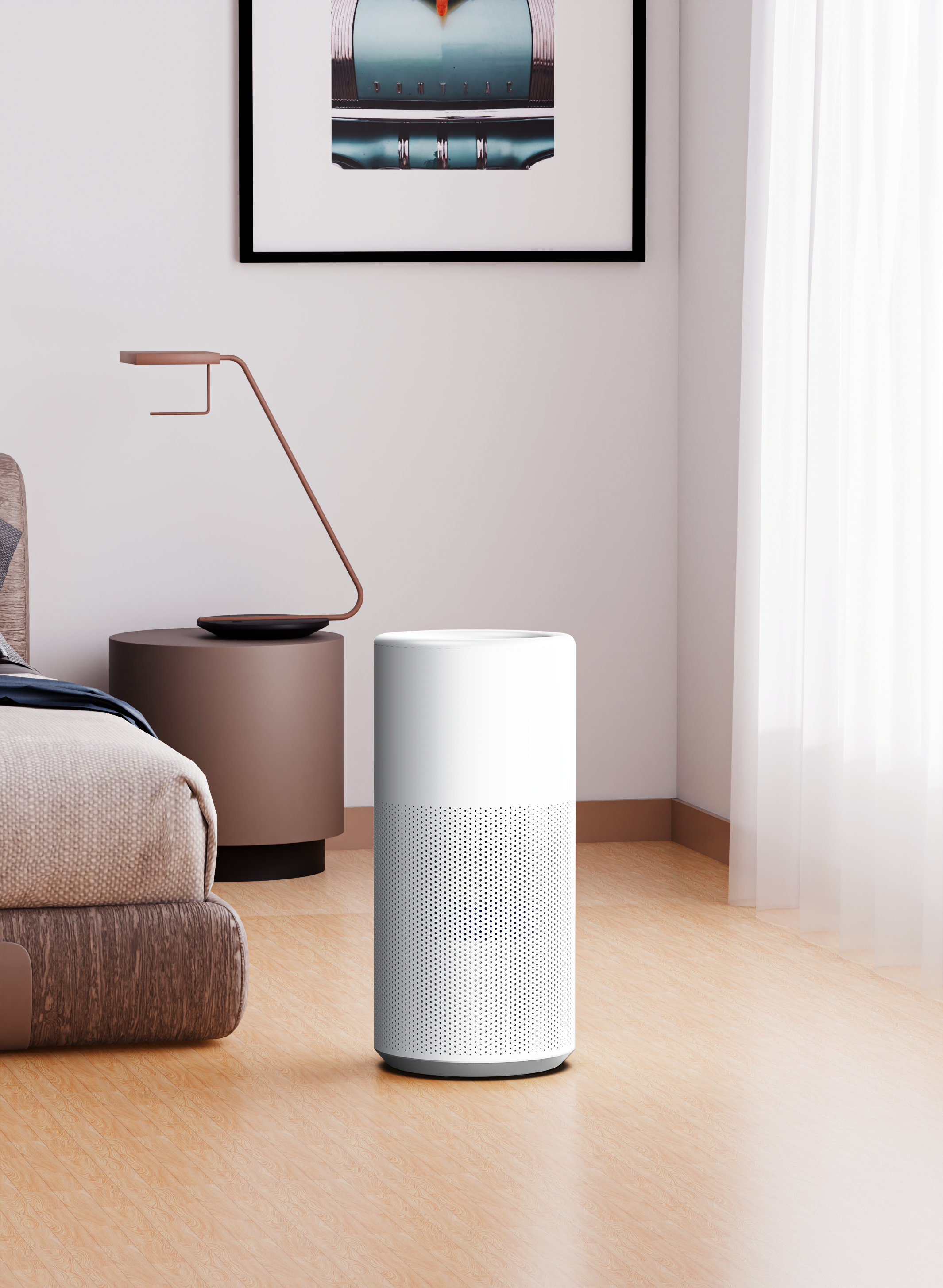
When managing indoor air quality across large spaces, the question of cost-effectiveness comes up quickly. An evaporative humidifier is often discussed as a practical solution, but facility managers, property owners, and procurement teams rightly want to know whether the investment holds up over time in genuinely large room environments. The answer is not just a simple yes or no — it depends on how you define cost-effectiveness across energy consumption, maintenance demands, output capacity, and long-term operational value.
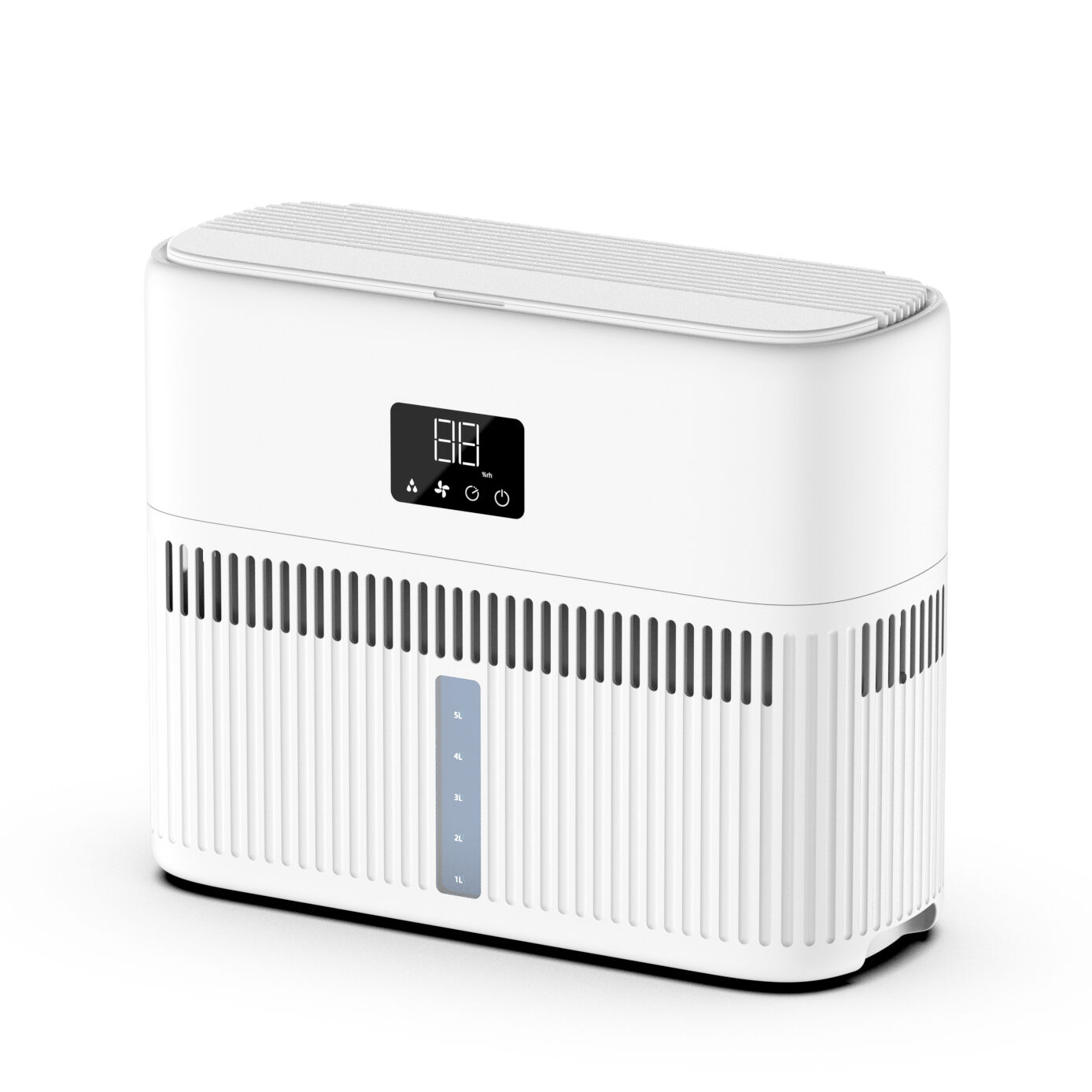
For large rooms — think open-plan offices, warehouses, commercial retail floors, server rooms, or industrial production spaces — the performance demands on any humidification system are significantly higher than in a standard residential setting. An evaporative humidifier operates on a fundamentally different principle than ultrasonic or steam-based alternatives, and those differences have direct implications for both upfront cost and ongoing operational expenditure. Understanding those differences clearly is the key to making an informed procurement decision.
How an Evaporative Humidifier Works in Large Room Contexts
The Core Operating Principle
An evaporative humidifier works by passing dry air through a water-saturated wick or evaporative pad. A fan draws ambient air across or through this medium, causing water to evaporate naturally and discharge moisture into the room as invisible water vapor. This self-regulating mechanism means the unit naturally produces less moisture output when the room's relative humidity is already high — a feature that is critically important in large environments where humidity levels can vary significantly across different zones.
This passive evaporation approach contrasts sharply with ultrasonic humidifiers, which use high-frequency vibrations to produce a visible mist regardless of ambient humidity, and with steam humidifiers, which boil water to produce steam. Both of those alternatives consume considerably more energy in sustained operation. For large rooms that require continuous or extended humidification cycles, energy efficiency is not a minor variable — it is a defining factor in overall cost of ownership.
In large room deployments, the ability of an evaporative humidifier to self-regulate output relative to ambient conditions provides a meaningful operational advantage. It reduces the risk of over-humidification, which can lead to condensation on surfaces, mold growth, and associated maintenance costs. The system finds its own equilibrium without requiring constant manual adjustment or sophisticated external sensors.
Output Capacity and Room Size Matching
One of the most important factors in determining whether an evaporative humidifier is cost-effective for large rooms is whether the unit's output capacity is properly matched to the room's volume and air exchange rate. Large commercial or industrial spaces often have high ceilings, active HVAC systems, and significant air turnover, all of which draw moisture out of the air continuously. An undersized unit will run constantly at maximum capacity without achieving the target humidity level, which undermines both efficiency and equipment longevity.
Properly specified evaporative humidifier models designed for large rooms typically feature high-output fan systems and large evaporative media surfaces to deliver substantial moisture volumes per hour. When the unit's rated output is correctly matched to the room's humidity demand, the system can maintain target levels without straining itself. This appropriate sizing is fundamental to achieving the cost-effectiveness that makes the technology attractive for large commercial applications.
Energy Efficiency as a Cost Driver
Comparing Power Consumption Across Humidifier Types
Energy costs are a dominant factor in any long-term cost-effectiveness analysis for large room environments. An evaporative humidifier typically consumes only the power needed to run its fan motor, which is substantially lower than the heating element required by steam humidifiers or the compressor-style components found in some other systems. For large facilities running humidification systems eight to twelve or more hours per day, the cumulative energy saving is considerable across a full heating season.
Steam humidifiers can consume anywhere from five to fifteen times more energy per liter of moisture output compared to an evaporative unit of equivalent capacity. In a large room context where high output is sustained for long periods, this disparity translates directly into significant operational cost differences. Facilities with tight energy budgets or sustainability mandates will find that the evaporative humidifier model consistently outperforms steam and heated options on energy cost per unit of humidity delivered.
Ultrasonic humidifiers occupy a middle ground in energy consumption but present their own challenges in large rooms — particularly around white dust deposits caused by dissolved minerals in tap water. Managing that issue requires either filtered or distilled water inputs or regular surface cleaning, both of which add hidden operational costs. The evaporative humidifier avoids this issue entirely because the evaporative medium naturally filters out minerals, preventing them from being dispersed into the room air.
The Role of Smart Controls in Reducing Energy Waste
Modern evaporative humidifier units designed for large commercial environments frequently incorporate built-in humidity sensors and smart control logic that modulates fan speed and output in response to real-time room conditions. This dynamic adjustment capability is especially valuable in large rooms where human occupancy, outside air infiltration, and HVAC activity cause humidity levels to shift throughout the day. Without responsive control, any humidifier will either overshoot the target or run unnecessarily, wasting energy in both cases.
Smart sensor integration allows the evaporative humidifier to operate in a demand-responsive mode, activating at higher fan speeds when humidity drops significantly and stepping down as conditions improve. This behavior closely mirrors the efficiency philosophy behind the evaporative mechanism itself. The result is a system that is not just energy-efficient by design but also operationally intelligent, reducing both energy waste and the risk of over-humidification in connected large-room deployments.
Maintenance Costs and Long-Term Reliability
Consumable Costs and Service Intervals
No cost-effectiveness analysis is complete without accounting for ongoing maintenance. The primary consumable in an evaporative humidifier is the evaporative wick or pad, which must be replaced periodically as mineral deposits accumulate and reduce evaporation efficiency. Replacement frequency depends on water hardness and usage hours, but in most commercial settings a pad replacement every few months is typical. These pads are generally low-cost components, and their replacement is straightforward without requiring specialist service.
Compared to steam humidifiers, which can develop scale buildup in their heating chambers requiring descaling treatments and more intensive servicing, the evaporative humidifier maintenance profile is both simpler and less disruptive. The evaporative media acts as a sacrificial filter that takes the mineral burden away from internal mechanical components, extending the service life of motors and other higher-value parts. For large room deployments where downtime has operational consequences, the lower service complexity of an evaporative unit is a genuine advantage.
Water quality management is a relevant consideration for any evaporative humidifier in large facilities. Where municipal water supply is particularly hard, pre-treatment through a simple water softener or sediment filter can significantly extend pad life and reduce overall maintenance frequency. This is a relatively minor infrastructure investment that pays back quickly in reduced consumable costs and improved equipment performance over the system's lifespan.
Equipment Lifespan and Replacement Cycle
The mechanical simplicity of an evaporative humidifier — essentially a fan, a water reservoir, and an evaporative medium — contributes to a favorable equipment lifespan compared to more complex humidification technologies. With fewer high-stress components, units designed for commercial large-room use can remain in reliable service for many years when properly maintained. This longevity has a direct bearing on cost-effectiveness because it extends the period over which the initial capital investment is amortized.
In large commercial or industrial deployments, the total cost of ownership calculation must include the cost of replacement units over a five-to-ten-year horizon. An evaporative humidifier that requires pad replacements every quarter but remains mechanically sound for five or more years will consistently outperform a lower upfront-cost alternative that requires full unit replacement every eighteen months. Procurement teams evaluating cost-effectiveness should model the full lifecycle cost rather than focusing solely on purchase price.
Practical Suitability for Different Large Room Applications
Commercial and Office Environments
Open-plan offices, conference centers, and commercial retail spaces are among the most common environments where an evaporative humidifier is deployed for large-scale humidification. In these settings, maintaining comfortable relative humidity levels between 40% and 60% improves occupant comfort, reduces the incidence of respiratory irritation, and can help reduce the spread of airborne particles. The quiet operation of evaporative units — driven by low-speed fan motors rather than heating elements or ultrasonic transducers — is particularly valued in noise-sensitive commercial environments.
For office buildings with central HVAC systems, an evaporative humidifier can complement the existing climate control infrastructure without conflicting with it. Because the unit adds moisture to the air rather than heating or cooling it, integration with the thermal management system is relatively straightforward. Facility managers can position units to address specific dry zones without disrupting the broader HVAC balance of the building.
Industrial and Specialty Applications
In industrial environments such as textile manufacturing, printing facilities, woodworking operations, and electronics assembly, precise humidity control is not just a comfort issue but a production quality requirement. An evaporative humidifier in these contexts must deliver consistent, controllable output to prevent static electricity buildup, material shrinkage, paper curl, or moisture-sensitive component degradation. The self-regulating nature of evaporative humidification helps maintain stable conditions without the overshot humidity peaks that can cause their own production problems.
Server rooms and data centers represent another critical application area where an evaporative humidifier can deliver high cost-effectiveness. Consistent relative humidity in the 40–55% range protects sensitive electronic equipment from electrostatic discharge events. The cool-mist output of an evaporative unit is also preferable in these environments because it does not introduce heat load, unlike steam humidifiers, which would counteract the cooling infrastructure of the data center. This alignment with the existing thermal management goals makes evaporative technology particularly well-suited to this demanding application.
Upfront Investment vs. Long-Term Return
Initial Capital Cost Considerations
Large-capacity commercial evaporative humidifier units designed for genuinely large room environments do represent a meaningful upfront investment compared to basic residential units. However, when the purchase price is evaluated in the context of the operational cost savings delivered over the equipment's service life, the economics typically favor the higher-quality commercial evaporative unit over lower-cost alternatives that consume more energy or require more frequent replacement.
Procurement teams should consider the total cost of ownership framework when evaluating an evaporative humidifier purchase for large room applications. This framework combines purchase price, installation costs where applicable, annual energy costs, consumable replacement costs, and service costs across the expected lifespan. When modeled this way, the evaporative technology's lower operational costs frequently result in a lower total cost over three to five years, even if the initial outlay is higher than some competing options.
Scenarios Where the Cost Case Is Strongest
The cost-effectiveness case for an evaporative humidifier in large room environments is strongest in situations that combine high operating hours, significant humidity demand, energy cost sensitivity, and a preference for low maintenance complexity. Facilities running humidification systems through long dry-air seasons in continental or cold climates will accumulate the greatest energy savings relative to steam or heated alternatives. Similarly, facilities with limited technical maintenance staff will benefit from the straightforward upkeep profile of evaporative technology.
The case is somewhat less compelling in environments where humidity demand is very occasional or unpredictable, where large spaces are only intermittently occupied, or where the facility has access to very low-cost electricity that reduces the energy saving differential. In those edge cases, a simpler and less expensive unit might serve adequately. But for the majority of large room commercial and industrial applications that require consistent, sustained humidification, the evaporative humidifier represents a well-justified choice on both performance and economic grounds.
FAQ
How do I determine the right size evaporative humidifier for a large room?
Sizing an evaporative humidifier for a large room requires calculating the room's cubic volume and factoring in the air exchange rate driven by HVAC systems. Manufacturers typically provide output ratings in liters per hour or per day, and matching this rated output to your estimated moisture loss rate is the starting point. For large commercial spaces, it is generally advisable to select a unit rated slightly above the calculated minimum demand to ensure target humidity levels are achieved without the unit operating at maximum load continuously. Consulting product specifications and technical support resources can help confirm the appropriate model selection for a specific application.
Does an evaporative humidifier work in rooms with active air conditioning?
Yes, an evaporative humidifier can work effectively alongside active air conditioning, though the air conditioning system will increase the rate at which moisture is extracted from the room air, requiring higher output from the humidifier to maintain target humidity levels. The key is ensuring the humidifier's rated capacity accounts for this higher moisture demand. Some commercial evaporative units with smart sensor controls can automatically compensate for increased dryness caused by air conditioning cycles, maintaining stable humidity without requiring manual adjustment.
How often do evaporative humidifier pads need to be replaced in commercial use?
In typical commercial use, evaporative pads or wicks need replacement every one to three months, depending on water hardness and daily operating hours. Harder water accelerates mineral scale buildup on the pad surface, which reduces evaporation efficiency and may introduce a slight odor if left unaddressed. Regular inspection is recommended. Using pre-filtered or softened water supply can significantly extend pad service intervals. Replacement pads for commercial evaporative humidifier units are generally low-cost and available through equipment suppliers, making this a manageable and predictable maintenance expense.
Can a single evaporative humidifier cover an entire large open-plan space?
Whether a single evaporative humidifier can cover an entire large open-plan space depends on the room's square footage, ceiling height, layout, and the unit's output rating. For very large areas exceeding the rated coverage of a single unit, using multiple strategically positioned units is often more effective than attempting to rely on one oversized unit. Distributing units across the space ensures more even humidity levels throughout, avoids dead zones where moisture does not reach, and provides redundancy if one unit requires maintenance. The decision between a single high-capacity unit and multiple mid-capacity units should be guided by both room geometry and operational flexibility requirements.
Table of Contents
- How an Evaporative Humidifier Works in Large Room Contexts
- Energy Efficiency as a Cost Driver
- Maintenance Costs and Long-Term Reliability
- Practical Suitability for Different Large Room Applications
- Upfront Investment vs. Long-Term Return
-
FAQ
- How do I determine the right size evaporative humidifier for a large room?
- Does an evaporative humidifier work in rooms with active air conditioning?
- How often do evaporative humidifier pads need to be replaced in commercial use?
- Can a single evaporative humidifier cover an entire large open-plan space?