
 EN
EN
 AR
AR
 NL
NL
 FR
FR
 DE
DE
 EL
EL
 HI
HI
 IT
IT
 JA
JA
 KO
KO
 PL
PL
 PT
PT
 ES
ES
 ID
ID
 VI
VI
 TH
TH
 TR
TR
 MS
MS
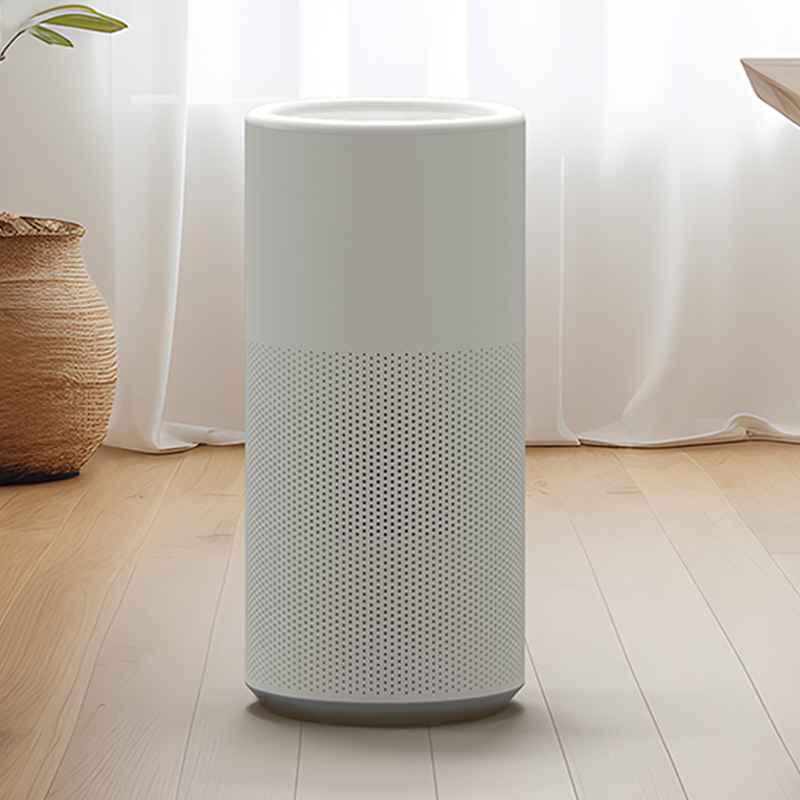
Seasonal demand cycles have always shaped how retailers plan their procurement strategies, and few product categories illustrate this dynamic as clearly as the evaporative humidifier. As dry seasons, winter heating periods, and transitional weather patterns arrive, consumers actively seek solutions to combat low indoor humidity levels. For retail buyers and category managers, understanding the precise reasons behind this seasonal sourcing behavior is essential to maintaining inventory health, driving sell-through rates, and maximizing margin efficiency during peak windows.
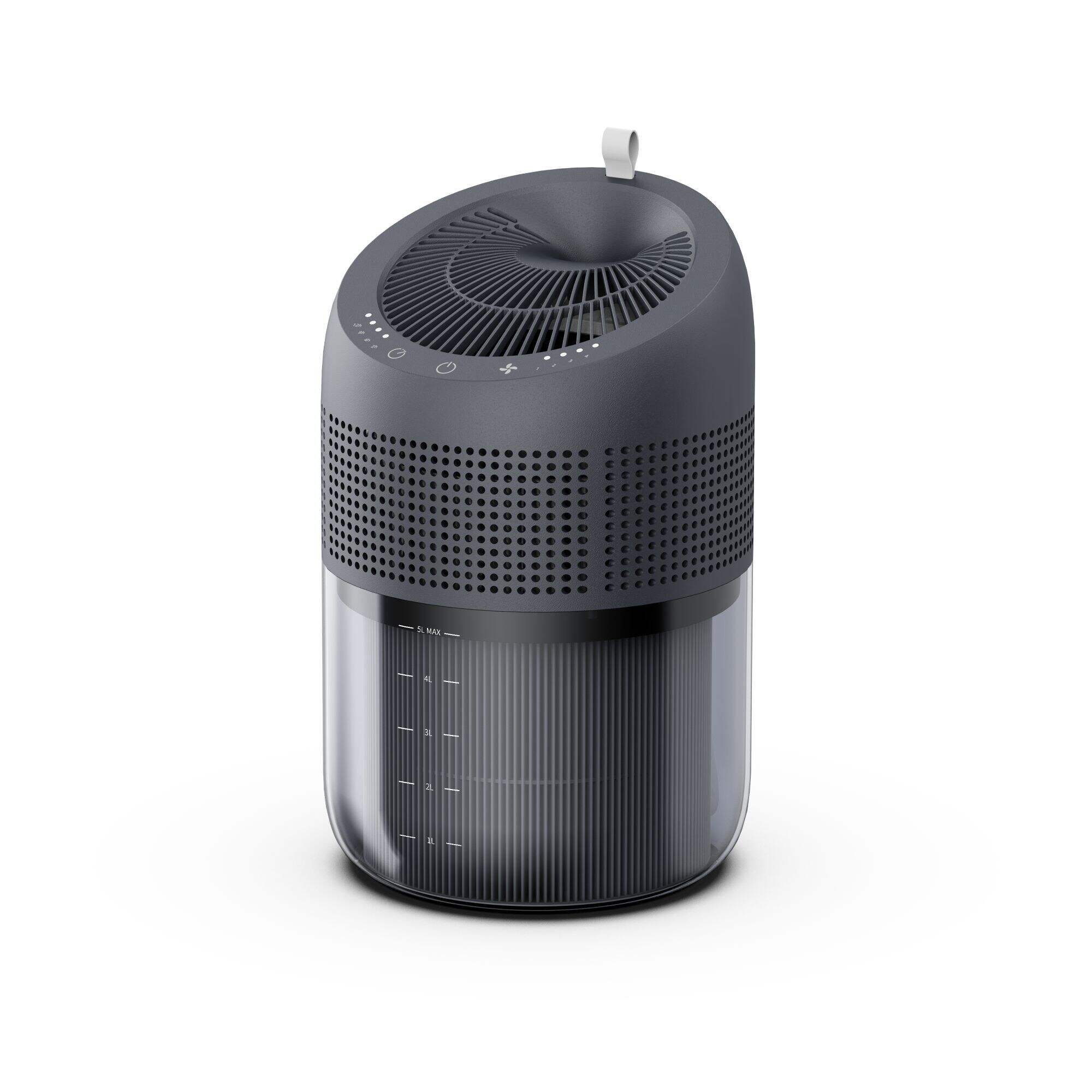
The evaporative humidifier occupies a unique position in the home comfort category because its relevance is tightly tied to atmospheric conditions that shift predictably across the calendar year. Unlike many other home appliances that see relatively stable year-round demand, the evaporative humidifier experiences sharp demand spikes during specific months, making it a classic seasonal retail product. This seasonal rhythm is not a limitation—it is actually an opportunity for retailers who source strategically, time their inventory correctly, and align their merchandising with consumer need states.
The Seasonal Demand Pattern Behind Evaporative Humidifier Sales
How Atmospheric Conditions Drive Consumer Purchase Intent
The primary driver behind the seasonal sourcing of an evaporative humidifier is straightforward: indoor humidity levels drop significantly during cold months when heating systems run continuously, and also during dry summer periods in low-humidity climates. When indoor relative humidity falls below comfortable thresholds, consumers experience dry skin, irritated airways, static electricity buildup, and discomfort that motivates purchasing behavior. This creates a predictable demand surge that retail buyers can anticipate months in advance.
An evaporative humidifier works by passing dry air through a water-saturated wick or filter medium, releasing moisture through natural evaporation. This mechanism makes it particularly effective in low-humidity environments, and its self-regulating nature means it cannot over-humidify a space — a feature that resonates strongly with health-conscious consumers. The alignment between product function and seasonal atmospheric conditions is one of the clearest demand drivers in the home comfort category.
For retail buyers, this means the consumer education burden is low during peak season. Customers arrive at stores or browse online already aware of their discomfort and actively searching for solutions. The evaporative humidifier category benefits from what procurement specialists call demand pull — the consumer comes to the product, rather than the retailer needing to push aggressively. This makes seasonal sourcing not just logical, but commercially compelling.
Regional Variation and Multi-Season Sourcing Windows
While winter heating seasons represent the most universally recognized demand window for an evaporative humidifier, sophisticated retail buyers recognize that demand windows vary significantly by geography. In arid climates across southwestern regions of North America, parts of the Middle East, and interior continental zones, dry conditions persist well beyond the traditional winter season, extending the evaporative humidifier's commercial window into spring and even summer months.
This geographic diversity means that retailers with multi-regional distribution networks can effectively source an evaporative humidifier for sequential demand cycles rather than a single annual spike. A product that peaks in December and January in northern markets may reach its commercial peak in March and April in southwestern markets. Retail buyers who map these regional patterns carefully can optimize order timing, reduce clearance risk, and improve full-price sell-through across their entire network.
Understanding this regional dimension is one reason why category managers treat evaporative humidifier sourcing as a year-round planning exercise rather than a last-minute seasonal buy. The earlier the sourcing decision is made, the more leverage buyers have over pricing, lead times, customization options, and inventory positioning.
Why Retailers Prioritize Evaporative Humidifier Products Over Other Humidifier Types for Seasonal Planning
The Operational Advantages That Make Seasonal Stocking More Practical
Not all humidifier technologies perform equally well as seasonal retail products. Ultrasonic humidifiers, steam vaporizers, and impeller models each carry their own set of consumer education requirements, safety considerations, and maintenance expectations. The evaporative humidifier, by contrast, offers a combination of consumer familiarity, visible operation, and energy efficiency that makes it particularly suitable for seasonal retail promotion.
From a logistics standpoint, evaporative humidifier units tend to be lightweight and relatively compact, particularly in the desktop and small-room categories. This reduces freight costs per unit during the critical pre-season stocking period when retailers are moving large volumes to regional distribution centers and store backrooms. Lower per-unit shipping costs improve landed cost economics, which directly supports the business case for carrying deeper seasonal inventory.
The evaporative humidifier also benefits from a strong replacement filter consumable business. Once a consumer purchases the base unit, they return regularly for replacement wicks and filter media, creating a secondary revenue stream that outlasts the initial seasonal purchase window. For retailers managing category profitability across the full year, this consumables tail adds meaningful post-season margin that pure seasonal products cannot deliver.
Consumer Perception and Product Positioning During Peak Season
Consumer perception of the evaporative humidifier has strengthened considerably as awareness of indoor air quality has grown. The product is widely understood to be a natural, chemical-free approach to humidity management — a characteristic that resonates with health-conscious households, families with young children, and individuals with respiratory sensitivities. This perception advantage is particularly powerful during seasonal demand peaks when purchase decisions are emotionally motivated by discomfort or health concerns.
Retailers who source evaporative humidifier products for seasonal display benefit from the fact that the product sells itself to an informed consumer. Packaging that clearly communicates the evaporative mechanism, the absence of heat, and the energy efficiency of the unit tends to convert well in both brick-and-mortar and e-commerce environments. This strong consumer pull reduces the need for heavy promotional investment during peak season, improving the return on merchandising effort.
When category managers evaluate seasonal assortment decisions, the evaporative humidifier consistently appears in core range plans precisely because it balances consumer demand clarity with manageable operational complexity. It is neither so specialized that it requires expert sales assistance, nor so commoditized that it cannot command meaningful margin positioning.
The Sourcing Strategy Behind Seasonal Retail Evaporative Humidifier Programs
Lead Time Management and Pre-Season Order Timing
Successful seasonal sourcing of an evaporative humidifier begins with disciplined lead time management. Production lead times for consumer electronics and home appliances typically range from eight to sixteen weeks when accounting for component procurement, manufacturing, quality inspection, and ocean freight. For a product that must land in distribution centers before the demand window opens, this means retail buyers must commit to evaporative humidifier orders months before consumers begin actively shopping.
Retailers who delay sourcing decisions until demand signals are already visible in early-season sell-through data often find themselves unable to replenish stock during the peak window. This stockout risk is particularly damaging for an evaporative humidifier program because consumers facing discomfort will substitute readily — either switching to a competitor brand or purchasing a different humidifier technology. Early sourcing commitments protect against this margin erosion while also providing leverage during supplier negotiations.
Many experienced retail buyers establish forward order agreements with evaporative humidifier suppliers that include tiered delivery schedules aligned to anticipated sell-through curves. An initial floor stock delivery might arrive six weeks before the expected demand peak, with replenishment orders scheduled at two-to-four-week intervals throughout the core season. This approach balances inventory carrying cost against the stockout risk that drives lost sales.
Assortment Depth and Price Architecture for Seasonal Programs
Seasonal evaporative humidifier programs are most commercially effective when retailers source across a clearly defined price architecture rather than relying on a single SKU. A good-better-best range allows the retailer to capture demand from budget-sensitive consumers, mainstream households, and premium buyers who prioritize design or enhanced features within a single seasonal program. This price ladder structure also protects average selling price during promotional events when the entry-level evaporative humidifier carries the promotional headline while mid and upper tiers hold full-price sales.
Desktop and small-room evaporative humidifier models are particularly important in the seasonal assortment because they represent the most accessible entry point for first-time buyers and those furnishing secondary spaces such as bedrooms, offices, or children's rooms. The compact form factor and lower price point make them natural impulse-adjacent purchases during the seasonal peak, and they drive unit volume metrics that support the overall category story.
Retail buyers who build seasonal programs around a coherent evaporative humidifier assortment — rather than opportunistically sourcing single models — consistently report stronger category sell-through and lower end-of-season clearance requirements. This is because a logical assortment provides natural trade-up pathways and helps consumers self-select the right product, reducing returns and post-purchase dissatisfaction.
Business Value Retailers Capture Through Disciplined Seasonal Evaporative Humidifier Sourcing
Inventory Economics and Margin Outcomes
The financial case for disciplined seasonal sourcing of an evaporative humidifier is grounded in inventory turn economics. A product bought correctly — at the right price, in the right quantity, timed to arrive before the demand peak — generates high inventory turns during the core season. High turn rates mean the capital tied up in evaporative humidifier stock is continuously cycling back into cash, improving working capital efficiency for the retail business.
Conversely, an evaporative humidifier that is over-bought, poorly timed, or mis-positioned creates end-of-season clearance pressure that erodes margin and distorts category profitability data for future planning cycles. This is why the most commercially successful seasonal programs are built on rigorous demand forecasting models that incorporate historical sell-through data, regional weather pattern analysis, and macroeconomic indicators that influence consumer spending on discretionary home comfort products.
The gross margin profile of an evaporative humidifier, particularly at full price during peak season, is typically strong relative to other home appliance categories. When sourced at competitive landed cost and sold at planned retail price during the demand peak, the category delivers margin rates that justify the planning investment required for disciplined seasonal execution.
Category Authority and Consumer Loyalty Benefits
Beyond the direct financial metrics, retailers who consistently execute strong seasonal evaporative humidifier programs build meaningful category authority with their target consumer base. When shoppers know that a particular retailer will carry a reliable selection of evaporative humidifier products when the season arrives, that retailer becomes a destination for seasonal home comfort shopping more broadly. This destination positioning drives basket-building behavior and increases the commercial value of each consumer visit during the peak season window.
The evaporative humidifier also serves as a gateway product into adjacent categories such as air purifiers, aroma diffusers, and other indoor air quality solutions. Retailers who staff their seasonal programs with appropriate cross-merchandising displays and educational content around the evaporative humidifier frequently see measurable uplift in adjacent category sales during the same shopping occasion.
Consumer loyalty earned through a positive seasonal evaporative humidifier purchase — particularly when the product performs well and the buying experience is smooth — tends to be durable. Customers who are satisfied with their initial evaporative humidifier purchase return to the same retailer for replacement filters, unit upgrades, and related home comfort products in subsequent seasons. This repeat purchase dynamic adds a long-term relationship value dimension to what might otherwise appear to be a straightforward one-time seasonal transaction.
FAQ
Why is the evaporative humidifier considered a seasonal product for retail planning purposes?
The evaporative humidifier experiences predictable demand peaks during dry seasons and winter heating periods when indoor humidity levels drop. Because its core benefit — restoring comfortable humidity levels — is directly triggered by seasonal atmospheric conditions, consumer demand concentrates in specific calendar windows. This predictable seasonality makes it a natural candidate for dedicated seasonal sourcing programs rather than year-round baseline inventory management.
How far in advance should retailers source evaporative humidifier products before the demand season begins?
Given typical manufacturing and ocean freight lead times of eight to sixteen weeks, retail buyers should initiate evaporative humidifier sourcing three to five months before the anticipated demand peak. This timeline allows for production scheduling, quality inspection, shipping, customs clearance, and distribution center processing before floor stock needs to be in place. Retailers sourcing closer to the demand window often face supply shortages, elevated pricing, and logistics premium costs.
What makes the evaporative humidifier a commercially favorable seasonal product compared to other humidifier types?
The evaporative humidifier combines strong consumer familiarity, natural moisture delivery without heat, energy efficiency, and a replacement filter consumables business that extends post-season revenue. Its compact size in desktop formats reduces freight cost per unit, and its self-regulating operation simplifies consumer communication. These characteristics collectively make the evaporative humidifier easier to stock, promote, and sell during compressed seasonal windows compared to more technically complex alternatives.
How should retailers structure their evaporative humidifier assortment for a seasonal program?
A well-structured seasonal program should include an evaporative humidifier range across at least two or three price tiers to capture entry-level, mainstream, and premium demand segments. Desktop and small-room models should anchor the accessible end of the range to drive unit volume, while mid and upper-tier models provide margin depth and trade-up opportunity. A coherent assortment with clear feature differentiation between tiers reduces consumer confusion and supports full-price selling throughout the peak season window.
Table of Contents
- The Seasonal Demand Pattern Behind Evaporative Humidifier Sales
- Why Retailers Prioritize Evaporative Humidifier Products Over Other Humidifier Types for Seasonal Planning
- The Sourcing Strategy Behind Seasonal Retail Evaporative Humidifier Programs
- Business Value Retailers Capture Through Disciplined Seasonal Evaporative Humidifier Sourcing
-
FAQ
- Why is the evaporative humidifier considered a seasonal product for retail planning purposes?
- How far in advance should retailers source evaporative humidifier products before the demand season begins?
- What makes the evaporative humidifier a commercially favorable seasonal product compared to other humidifier types?
- How should retailers structure their evaporative humidifier assortment for a seasonal program?