
 EN
EN
 AR
AR
 NL
NL
 FR
FR
 DE
DE
 EL
EL
 HI
HI
 IT
IT
 JA
JA
 KO
KO
 PL
PL
 PT
PT
 ES
ES
 ID
ID
 VI
VI
 TH
TH
 TR
TR
 MS
MS
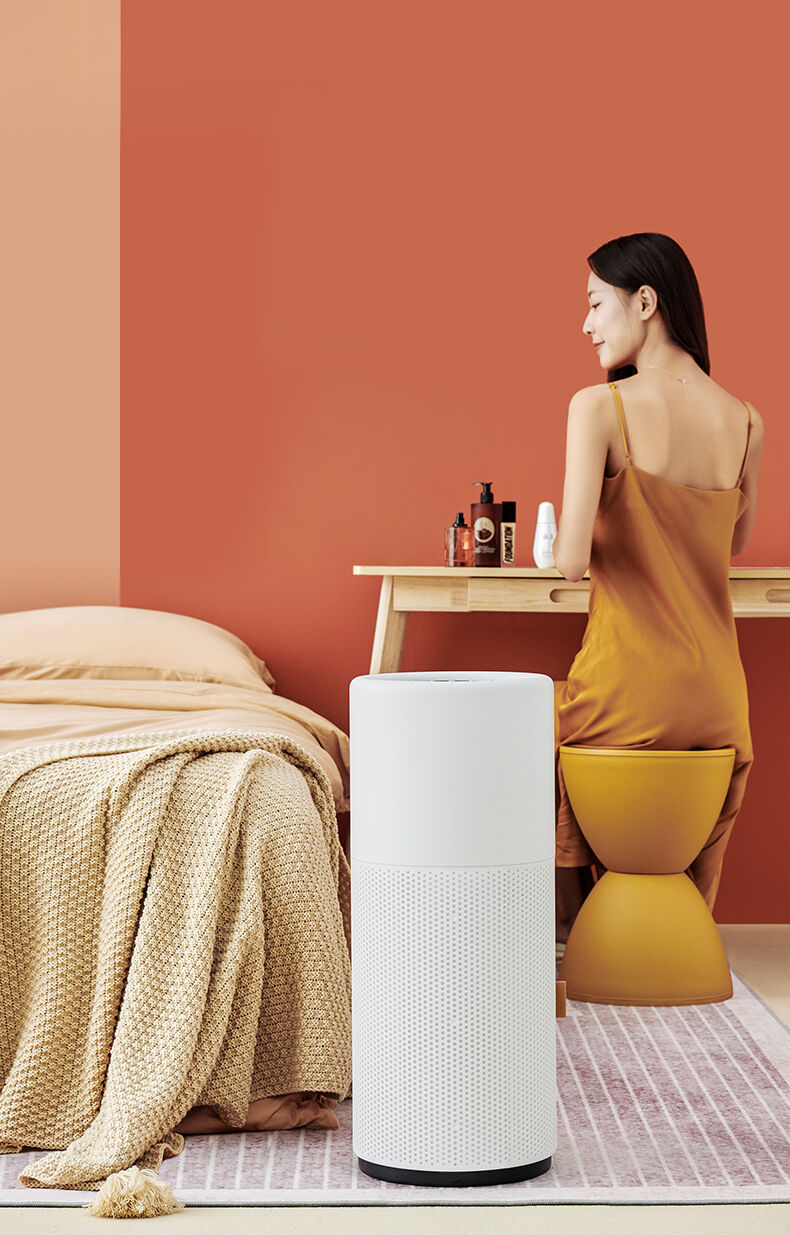
The automotive accessory market is evolving rapidly, driven by a growing consumer awareness of indoor air quality and the time people spend inside their vehicles. Commuters, families, rideshare drivers, and professionals are all increasingly conscious of what they breathe during daily drives. This shift in awareness has created one of the most consistent demand trends in the automotive accessories segment: the surge in interest for the car air purifier. What was once a niche product is now a market expectation, and understanding why that demand exists helps explain its staying power across both consumer and B2B channels.
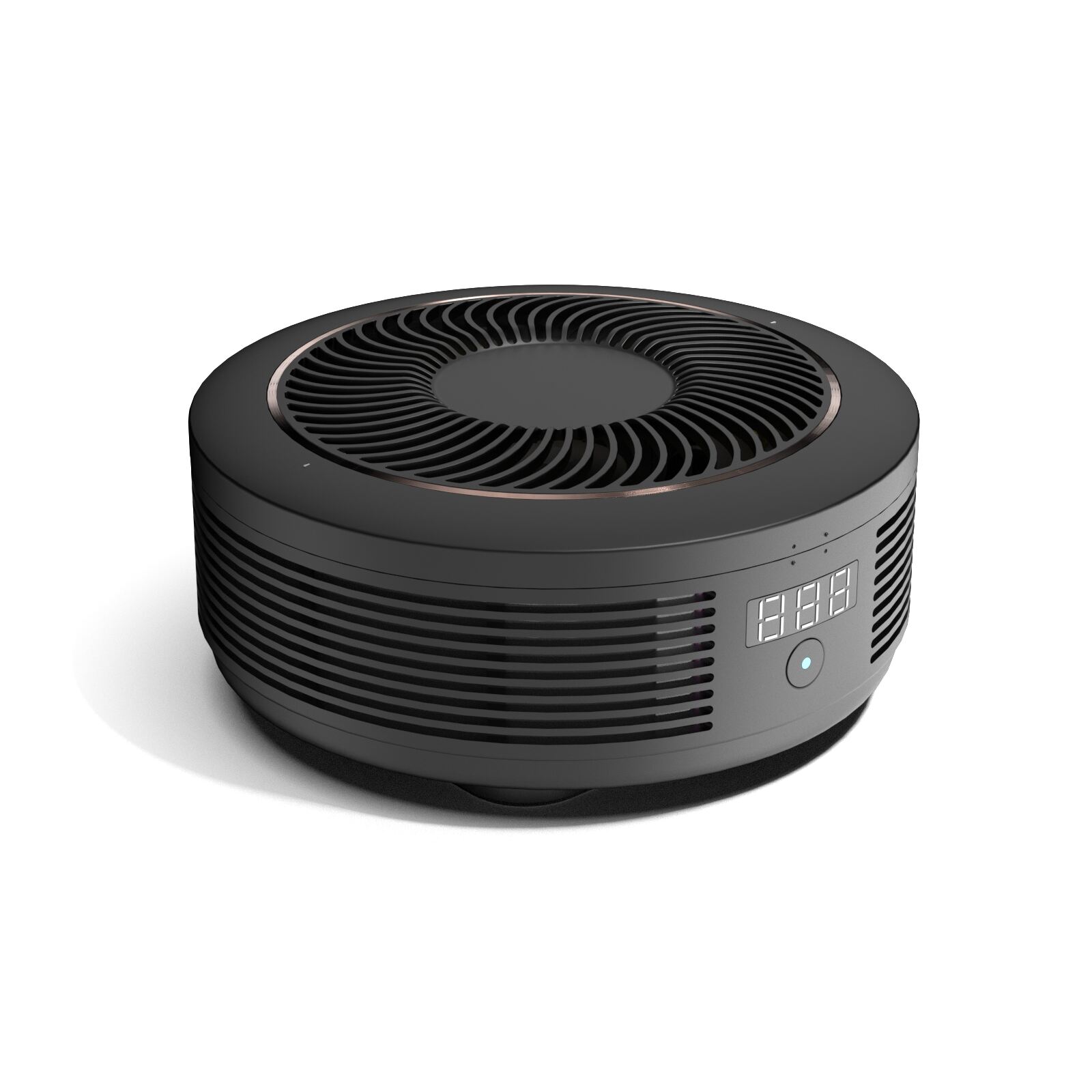
For retailers, distributors, and product developers operating in the automotive accessory space, recognizing the forces that drive car air purifier demand is essential for making sound sourcing and merchandising decisions. This is not a passing trend fueled by novelty alone. The demand is rooted in measurable lifestyle changes, documented health concerns, and technological advancements that make these devices genuinely useful for everyday vehicle users. Exploring these underlying drivers gives automotive market players the insight they need to position car air purifier products effectively and capture sustained commercial value.
The Health and Air Quality Argument Driving Market Demand
Rising Consumer Awareness of In-Vehicle Pollution
One of the primary reasons the automotive accessory market has embraced the car air purifier so strongly is the growing body of consumer knowledge surrounding vehicle cabin air quality. Studies and public health discussions have highlighted that the air inside a car can be significantly more polluted than outdoor air, particularly in urban driving conditions. Exhaust gases, volatile organic compounds from interior materials, pollen, fine particulate matter, and biological contaminants like mold spores all accumulate inside enclosed vehicle cabins.
This awareness has moved from specialist health circles into mainstream consumer consciousness. Social media, lifestyle publications, and even automotive review content now routinely discuss air quality inside cars as a genuine concern worth addressing. When consumers become aware of a health risk that affects them daily, they look for accessible solutions. The car air purifier sits at exactly that intersection of health concern and practical affordability, making it a natural fit for both impulse purchases and considered buying decisions.
Automotive accessory retailers who understand this dynamic can position the car air purifier not merely as a comfort upgrade but as a health investment. This framing resonates particularly well with health-conscious demographics, parents purchasing accessories for family vehicles, and professionals who spend extended hours driving as part of their work.
Allergy Sufferers and Respiratory Sensitivity as a Core Buyer Segment
Beyond general pollution awareness, a specific and commercially significant buyer group is driving consistent car air purifier demand: people with allergies, asthma, and other respiratory sensitivities. Seasonal pollen, pet dander, dust, and mold are all common cabin contaminants that trigger symptoms in sensitive individuals. For these buyers, the car air purifier is not a luxury accessory — it is a functional necessity that directly impacts their comfort and wellbeing during every journey.
This segment represents a reliable, repeat purchase behavior because air purifier filters require periodic replacement and devices are upgraded as technology improves. Automotive accessory businesses that serve this customer base benefit from stronger loyalty and higher lifetime customer value. The car air purifier category thus provides not only initial sale revenue but ongoing consumable and replacement revenue streams.
Recognizing allergy and respiratory sufferers as a distinct market segment within the broader automotive accessory space allows distributors and retailers to develop targeted product ranges, from basic activated carbon units to advanced HEPA and ionizer combination devices, each serving different severity levels of air sensitivity.
Urbanization and Commuter Lifestyle Trends as Market Catalysts
Extended Time in Vehicles as a Quality-of-Life Factor
Urban expansion has extended average commute times in cities across the world. As city populations grow and infrastructure struggles to keep pace, more people are spending between one and three hours inside their vehicles every single day. This extended cabin exposure time fundamentally changes how consumers evaluate their vehicle environment. A car that felt adequate for short trips becomes a shared living space requiring the same quality of air that people expect at home or in the office.
This commuter reality feeds car air purifier demand in a very direct way. When a driver spends two hours daily in stop-and-go urban traffic, they are repeatedly exposed to exhaust infiltration, road dust, and chemical off-gassing from dashboard materials. The cumulative effect becomes meaningful enough for consumers to seek active solutions. The car air purifier addresses this specific use case efficiently and without requiring vehicle modification.
Automotive accessory markets in high-density urban regions have registered some of the strongest car air purifier adoption rates precisely because their customer base experiences the longest cabin exposure times. This urban commuter profile is a key demographic that accessory businesses should understand when planning their inventory and marketing strategies.
Rideshare and Commercial Vehicle Drivers Creating New Demand Channels
The rise of rideshare platforms and gig economy transportation services has created an entirely new and commercially significant buyer group for the car air purifier. Rideshare drivers spend upwards of six to eight hours daily inside their vehicles and share that space with dozens of different passengers. Odors, bacteria, viruses, and allergens accumulate rapidly under these conditions, and drivers have strong personal and professional incentives to maintain a clean, fresh cabin environment.
Driver ratings on rideshare platforms are directly affected by passenger experience, and cabin air quality and odor control are frequently cited factors in reviews. A driver who invests in a car air purifier is making a business decision as much as a personal comfort choice. This professional driver segment is price-sensitive but also highly motivated, creating demand for mid-range car air purifier models that balance performance with cost-effectiveness.
Automotive accessory retailers targeting this segment can develop compelling value propositions around professional driving use cases, emphasizing odor elimination, viral particle reduction, and continuous operation capability. Fleet operators managing commercial vehicles face similar considerations at scale, representing a B2B opportunity for bulk car air purifier supply.
Technological Advancement Making Car Air Purifiers More Marketable
Miniaturization and Vehicle Integration Improvements
Early car air purifier products faced real usability barriers. Bulky designs obstructed visibility, weak power connections limited effectiveness, and noisy operation made them frustrating during longer drives. Advances in miniaturization, filtration materials science, and low-noise fan engineering have overcome these historical limitations, producing compact car air purifier units that fit discreetly on dashboards, in cup holders, or on sun visors without compromising cabin usability.
Modern car air purifier designs leverage improvements in HEPA filter compactness, activated carbon media, and ionization technologies to deliver meaningful filtration performance from a device small enough to fit in one hand. USB-C power compatibility ensures that contemporary vehicles can power these devices without adapters, removing another friction point from the purchase and installation experience. These engineering improvements have directly expanded the addressable market for the car air purifier by making it practical and user-friendly for a broad mainstream audience.
For automotive accessory distributors, this technological maturity means that the car air purifier category now supports a wide range of SKUs at different price points without sacrificing core performance. Entry-level units serve occasional drivers with modest needs, while premium multi-stage filtration models satisfy health-focused buyers who want maximum air quality control.
Smart Features and Connectivity Elevating Perceived Value
A significant accelerant to car air purifier market growth has been the integration of smart features that align the product with modern consumer technology expectations. Air quality sensors that provide real-time readings, auto-mode operation that adjusts fan speed based on detected pollution levels, and companion smartphone applications have collectively repositioned the car air purifier from a passive accessory to an active, intelligent vehicle health device.
These smart features matter commercially because they raise the product's perceived value and support higher retail price points. A consumer who can see their car's pollution levels drop in real time on an in-device display or mobile app has a tangible, reinforcing reason to continue using and recommending the product. This kind of engaging user experience creates organic word-of-mouth marketing within consumer communities that automotive accessory brands benefit from.
As connected vehicle ecosystems mature and consumers expect their automotive accessories to match the sophistication of their smartphones and smart home devices, the car air purifier category is well positioned to evolve further, maintaining sustained demand through technology-driven upgrade cycles.
Market Structure and Commercial Opportunity for Automotive Accessory Businesses
Cross-Category Placement and Bundle Potential
From a retail and distribution strategy perspective, the car air purifier benefits from exceptional cross-category placement flexibility. It can sit logically within automotive accessories, health and wellness products, air quality devices, and travel gear sections simultaneously. This placement versatility allows accessory retailers to capture demand from multiple customer journeys rather than relying on a single product category path.
Bundle opportunities further amplify the commercial value of carrying the car air purifier. Pairing a car air purifier with replacement filter packs, microfiber interior cleaning kits, or car fragrance products creates higher average transaction values without requiring significant additional floor space or inventory complexity. These bundle strategies are particularly effective in both physical retail environments and e-commerce product pages.
Automotive accessory businesses that treat the car air purifier as a category anchor rather than a single SKU will extract more commercial value from the demand trend. Developing a tiered range from entry to premium, supported by consumable refills and accessories, mirrors the business model logic that makes other high-repeat categories like automotive lighting and dash cameras so commercially durable.
B2B and OEM Supply Opportunities Expanding Beyond Retail
The demand for the car air purifier extends well beyond end-consumer retail into structured B2B procurement channels. Fleet operators managing company vehicles, rental car companies seeking competitive cabin hygiene differentiation, and corporate transportation providers all represent institutional buyers who require reliable, cost-effective car air purifier supply at volume. These B2B relationships offer more predictable revenue than consumer retail and often provide longer-term supply contracts.
OEM and customization opportunities exist for accessory manufacturers and distributors willing to develop private label or co-branded car air purifier products for fleet operators, automotive dealerships, or insurance wellness programs. As vehicle health and cabin hygiene become more prominent considerations in automotive value propositions, OEM integration of car air purifier solutions is a logical next development that forward-thinking suppliers should prepare for.
Understanding and developing these B2B channels requires a different sales approach than consumer retail, but the revenue stability and volume potential make it a worthwhile strategic investment for automotive accessory businesses looking to build defensible market positions around the car air purifier category.
FAQ
What types of pollutants does a car air purifier typically address?
A car air purifier is generally designed to address a combination of airborne particles and gaseous contaminants. Depending on the filtration technology used, it can target fine particulate matter including PM2.5, pollen, pet dander, dust, bacteria, and some viral particles through HEPA filtration. Activated carbon layers handle gaseous pollutants such as volatile organic compounds, exhaust fumes, and odors. Ionization-based car air purifier units charge particles to make them easier to capture or settle out of breathing air. The combination of these technologies in a single compact device is what makes the modern car air purifier genuinely functional rather than merely decorative.
How does a car air purifier differ from a standard cabin air filter?
A standard cabin air filter is a passive component built into the vehicle's HVAC system that filters incoming air when the ventilation system is running. It offers no active purification and does nothing when windows are closed and ventilation is off. A car air purifier, by contrast, is an active device that continuously circulates and filters the cabin's existing air independent of the HVAC system. It operates on its own power source, typically USB or 12V, and works even when the vehicle's ventilation system is not in use. The two products serve complementary but distinct functions, and many health-conscious consumers use both simultaneously.
What should automotive accessory distributors look for when sourcing a car air purifier?
Distributors evaluating car air purifier products for their catalog should prioritize filtration performance certification, build quality, noise levels, and power compatibility. HEPA certification and activated carbon inclusion are strong baseline requirements for performance credibility. Low operating noise is essential for customer satisfaction given the enclosed cabin environment. USB-C or dual-voltage compatibility ensures broad vehicle compatibility across modern and older fleets. Additionally, distributors should assess filter replacement availability and cost, since ongoing consumable support is a significant factor in customer satisfaction and repeat purchase behavior.
Is the car air purifier demand seasonal or year-round?
While certain demand spikes are visible during allergy seasons when pollen counts are high, the car air purifier category maintains year-round relevance. During colder months, people keep windows closed and cabin air circulation is reduced, which increases the appeal of active air purification. Wildfire smoke events in various regions have created new demand spikes during summer periods as well. Urban commuters driving through persistent traffic pollution experience consistent need regardless of season. For automotive accessory businesses, this year-round demand profile makes the car air purifier a lower-risk category to carry compared to purely seasonal accessories, supporting stable inventory planning throughout the calendar year.