
 EN
EN
 AR
AR
 NL
NL
 FR
FR
 DE
DE
 EL
EL
 HI
HI
 IT
IT
 JA
JA
 KO
KO
 PL
PL
 PT
PT
 ES
ES
 ID
ID
 VI
VI
 TH
TH
 TR
TR
 MS
MS
When living or working in a compact space, maintaining healthy air quality and adequate ventilation becomes a genuine daily challenge. Many homeowners and renters wonder whether an air purifier for home can do more than filter pollutants — specifically, whether it can actively improve how air moves through smaller rooms. The answer is nuanced, and understanding the mechanics behind these devices is essential before making any purchasing or placement decisions.
In compact interiors — think studio apartments, home offices, small bedrooms, or enclosed living areas — air can become stagnant quickly. Stagnant air carries elevated concentrations of dust, allergens, volatile organic compounds, and other particles that affect respiratory health and overall comfort. An air purifier for home use in these tighter environments not only cleans the air but also introduces a degree of mechanical air movement that influences how fresh and circulated the indoor atmosphere feels. This article explores exactly how that works, what limitations to keep in mind, and how to make the most of these devices in confined spaces.
Understanding What an Air Purifier for Home Actually Does to Air Movement
The Fan-Driven Mechanics Behind Air Circulation
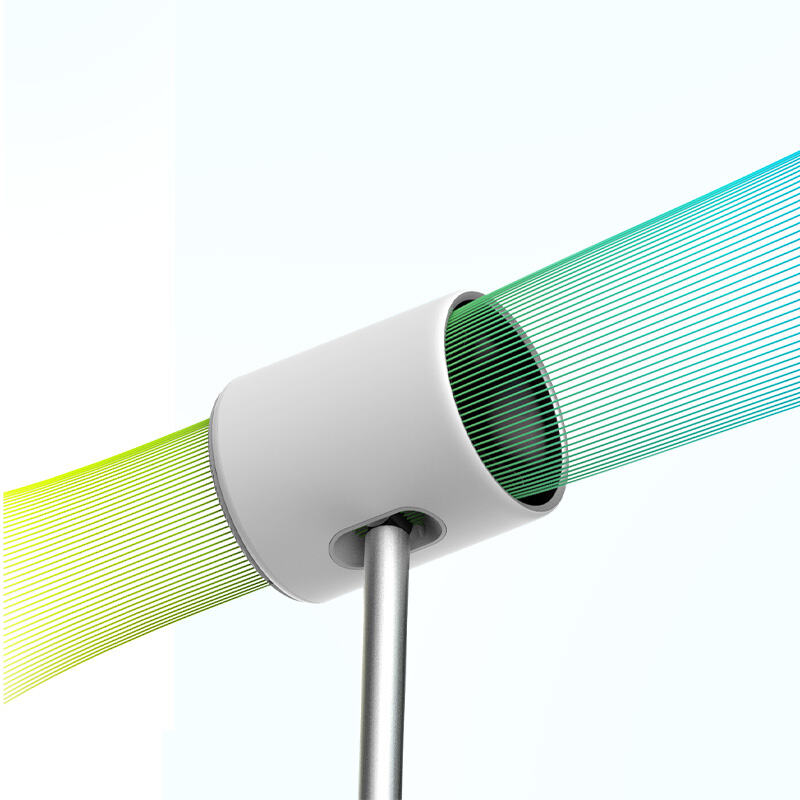
At its core, every air purifier for home contains a motorized fan that draws air into the unit, passes it through one or more filtration layers, and then expels the cleaned air back into the room. This intake-and-exhaust cycle is constant during operation, which means the device is always pulling stale air from one part of the room and releasing filtered air from another. In a compact space, this mechanical movement creates a localized circulation loop that would not otherwise exist without a separate fan or HVAC system running.
The fan speed and airflow volume — often measured as Clean Air Delivery Rate, or CADR — directly determine how much circulation effect the unit produces. A higher CADR means more air cycles per hour, which translates into noticeably better air mixing in small rooms. For compact home environments, even a desktop-sized air purifier for home with a moderate CADR can complete several full air exchanges per hour, effectively turning over the room's air supply multiple times daily.
It is important to clarify that an air purifier for home does not replicate the function of a dedicated ventilation system. It does not draw in fresh outdoor air or exhaust indoor air outside. However, the turbulence and airflow it generates inside a sealed or semi-sealed compact room can break up stagnant pockets of air and improve the distribution of temperature and particles throughout the space.
How Filtration and Airflow Work Together in Small Rooms
In compact spaces, the synergy between filtration quality and airflow volume becomes especially significant. A unit equipped with an H13 HEPA filter — considered one of the most effective filtration grades for residential use — captures particles as small as 0.3 microns, including fine dust, mold spores, pet dander, and many airborne bacteria. When this level of filtration is combined with continuous fan operation, the result is not just cleaner air but also more dynamically mixed air throughout the room.
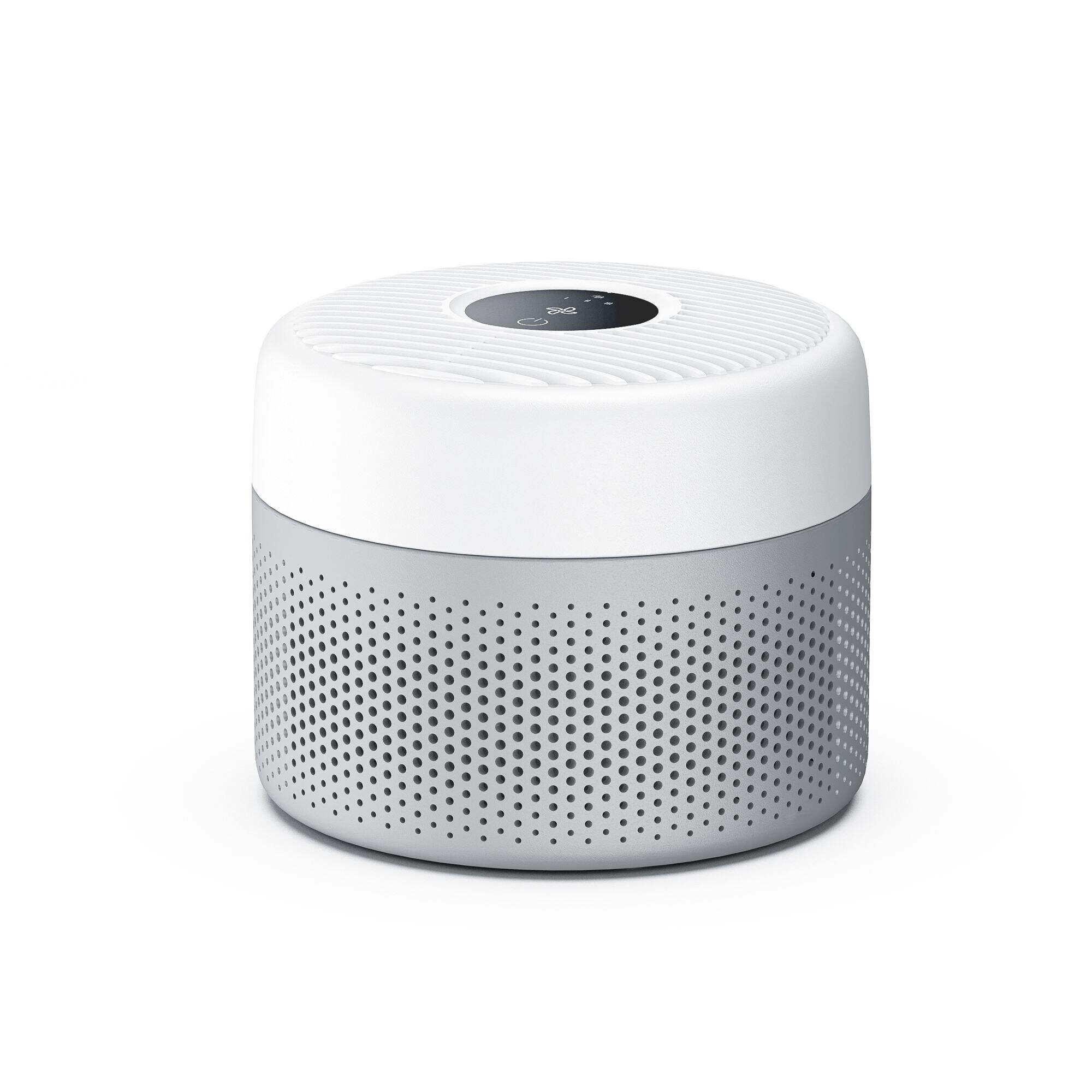
The air purifier for home designed for desktop or compact office use often features optimized 360-degree intake design, which allows the unit to draw air from multiple directions simultaneously. This multi-directional intake is particularly useful in small rooms where placing the unit in a corner still allows it to influence air movement across the entire space. The expelled, filtered air stream then travels outward and creates gentle secondary circulation patterns along walls and furniture surfaces.
The practical outcome for occupants is a room that feels fresher and less stuffy, even when windows must remain closed due to outdoor pollution, allergies, or seasonal conditions. For anyone relying on a compact living area as a primary indoor environment, this circulation benefit is just as valuable as the filtration function itself.
The Real Limitations of Air Circulation from an Air Purifier for Home
What a Home Air Purifier Cannot Replace
While an air purifier for home meaningfully influences air movement in compact spaces, it does have functional boundaries that should be acknowledged. It cannot introduce fresh outdoor air into the room, which means CO2 levels can still rise if the space is occupied for extended periods without any form of ventilation. For rooms that are consistently sealed and occupied, CO2 buildup can cause fatigue and reduced concentration, issues that filtration-based air movement alone cannot resolve.
An air purifier for home also cannot regulate temperature or humidity in the same way that a climate control system does. While the airflow it generates can slightly reduce the perception of stuffiness and help distribute conditioned air more evenly from a nearby heating or cooling source, it does not independently cool or warm the room. In extremely humid or hot compact spaces, pairing an air purifier with a dehumidifier or air conditioner remains the more complete solution.
Additionally, very large compact spaces — which sounds contradictory but refers to open-plan loft areas or irregularly shaped rooms — may require multiple units or strategic placement to achieve effective air circulation. A single air purifier for home unit positioned at one end of a long narrow room will primarily improve circulation near its location, with diminishing effects further away.
Sizing the Unit Correctly for the Space
One of the most common mistakes homeowners make is selecting an air purifier for home that is undersized for their room. The CADR rating of the unit should be matched to the room's square footage and ceiling height. As a general guideline, the unit should be capable of processing the room's total air volume at least four to five times per hour for meaningful circulation and filtration benefit. In a small bedroom or home office of around 150 to 200 square feet, a compact desktop unit with appropriate CADR can fully meet this requirement.
Oversizing is less problematic but can introduce unnecessary noise at higher fan speeds, which may be distracting in sleeping or working environments. Many compact air purifier for home models now incorporate near-silent modes that operate at lower fan speeds during rest periods while still maintaining adequate air movement. Choosing a unit with multiple speed settings gives occupants control over the balance between circulation intensity and acoustic comfort.
Optimal Placement Strategies for Maximizing Air Circulation in Compact Spaces
Positioning Logic Based on Room Layout
Where you place an air purifier for home within a compact room has a direct impact on how effectively it improves air circulation. The general principle is to position the unit where airflow restriction is greatest — typically in corners or near areas where air tends to become stagnant, such as spaces behind large furniture or adjacent to closet doors. Placing the unit at floor level captures heavier particles like dust and pet dander, while elevating it on a desk or shelf allows the outgoing clean air stream to travel further across the room.
In compact home offices or studio apartments, placing the air purifier for home on a desktop at breathing height combines the highest practical benefit of both filtration and circulation. The expelled clean air flows directly into the breathing zone of the occupant, reducing exposure to airborne particles while also maintaining the sensation of fresh, moving air. This is one reason why desktop-format purifiers have become particularly popular in small home working environments where personal air quality directly affects productivity and comfort.
Avoid placing the unit inside cabinets, behind curtains, or in enclosed alcoves. These positions block the intake of air and drastically reduce the unit's ability to draw from and circulate throughout the room. The air purifier for home requires clear surrounding space — ideally at least 12 to 18 inches on all sides — to function at its rated efficiency.
Using Multiple Units or Strategic Angling for Irregular Rooms
In L-shaped rooms, rooms with low ceilings and structural beams, or spaces with multiple partially enclosed zones, a single air purifier for home unit may not reach all areas evenly. In these cases, angling the unit's exhaust vent toward the less-ventilated zone can help project filtered air further into the problematic area. Some compact units allow their outlet direction to be manually adjusted, making targeted airflow easier to achieve without repositioning the entire unit.
For home environments that include multiple compact rooms — such as a studio with a separate bathroom nook or a bedroom with an attached dressing area — running a dedicated air purifier for home unit in the primary occupied zone while leaving interior doors ajar can allow secondary air movement to benefit adjoining spaces indirectly. This passive spill-over effect is modest but measurable in rooms where complete air stagnation is otherwise common.
Choosing the Right Air Purifier for Home Use in Compact Spaces
Key Specifications That Support Effective Air Circulation
When evaluating an air purifier for home specifically for compact space circulation improvement, certain technical specifications matter more than others. CADR is the primary metric, as discussed, but fan speed range, noise output (measured in decibels), and filter quality all contribute to the overall suitability of the unit. An H13 HEPA filter ensures that the air being circulated back into the room is genuinely clean, not just redistributed particulate matter. Activated carbon layers further address odors and gaseous pollutants that HEPA alone cannot capture.
Build quality and form factor also influence how well an air purifier for home performs in tight spaces. Compact, cylindrical, or tower-format units tend to direct airflow vertically and outward in a wider arc, making them more effective circulation tools in square-shaped rooms. Flat, box-format units with front or top exhaust ports create more directional airflow that can be aimed at specific zones. Selecting the right physical design for the room layout enhances both the filtration and circulation outcomes.
Smart features such as air quality sensors and auto-adjustment modes allow the unit to increase fan speed when pollutant levels rise, which also boosts circulation during the periods when it is most needed. For a home where occupants cook, exercise, or otherwise generate elevated pollutants during specific times of day, this responsive behavior ensures that the air purifier for home delivers maximum air movement precisely when conditions demand it.
Understanding Filter Maintenance and Its Impact on Airflow Performance
A clogged or overdue filter significantly reduces the airflow capacity of any air purifier for home unit. As the HEPA filter accumulates captured particles, resistance to airflow increases, causing the fan to work harder for less output. In a compact space where consistent air circulation is the primary benefit sought, reduced airflow from a dirty filter can return the room to its original stagnant condition relatively quickly. Regular filter replacement — typically every six to twelve months depending on usage intensity and local air quality — is essential to maintaining both filtration and circulation performance.
Many modern compact air purifier for home models include filter life indicators that alert the user when replacement is due. Heeding these indicators promptly ensures that the unit continues to move and clean air at its designed capacity. Neglecting filter changes is one of the most common reasons compact air purifiers fail to deliver their expected circulation and purification benefits over time.
FAQ
Does an air purifier for home actually move air, or does it only filter it?
An air purifier for home does both. Its internal fan continuously draws air in and expels cleaned air back into the room, creating a consistent circulation loop. While it cannot introduce outdoor air or replace a dedicated ventilation system, this fan-driven movement genuinely improves air mixing within compact indoor spaces, reducing stagnation and improving the distribution of clean air throughout the room.
How does room size affect how well an air purifier for home circulates air?
Room size is a critical factor. A properly sized air purifier for home unit should be capable of processing the room's full air volume at least four to five times per hour. In compact spaces — typically under 200 square feet — even a desktop-sized unit with appropriate CADR can achieve this. In larger or irregular rooms, circulation effectiveness decreases unless multiple units or strategic placement is used to compensate.
Can an air purifier for home reduce stuffiness in a sealed room with no windows?
Yes, to a meaningful degree. An air purifier for home reduces stuffiness by removing airborne particles, odors, and volatile organic compounds that contribute to the sensation of stale air, while also introducing mechanical airflow that breaks up stagnant zones. However, it cannot lower CO2 levels, which can still accumulate in a fully sealed, occupied room over extended periods. For best results in windowless environments, complement the air purifier with periodic brief ventilation when possible.
Where is the best place to position an air purifier for home in a small apartment?
In a small apartment, the best position for an air purifier for home is at or near breathing height — such as on a desk, nightstand, or shelf — in the most frequently occupied zone of the room. Keep the unit away from walls and enclosed furniture to allow unrestricted air intake on all sides. In studio layouts, centering the unit or placing it between the sleeping and living zones allows its circulation effect to benefit the entire space most evenly.
Table of Contents
- Understanding What an Air Purifier for Home Actually Does to Air Movement
- The Real Limitations of Air Circulation from an Air Purifier for Home
- Optimal Placement Strategies for Maximizing Air Circulation in Compact Spaces
- Choosing the Right Air Purifier for Home Use in Compact Spaces
-
FAQ
- Does an air purifier for home actually move air, or does it only filter it?
- How does room size affect how well an air purifier for home circulates air?
- Can an air purifier for home reduce stuffiness in a sealed room with no windows?
- Where is the best place to position an air purifier for home in a small apartment?