
 EN
EN
 AR
AR
 NL
NL
 FR
FR
 DE
DE
 EL
EL
 HI
HI
 IT
IT
 JA
JA
 KO
KO
 PL
PL
 PT
PT
 ES
ES
 ID
ID
 VI
VI
 TH
TH
 TR
TR
 MS
MS
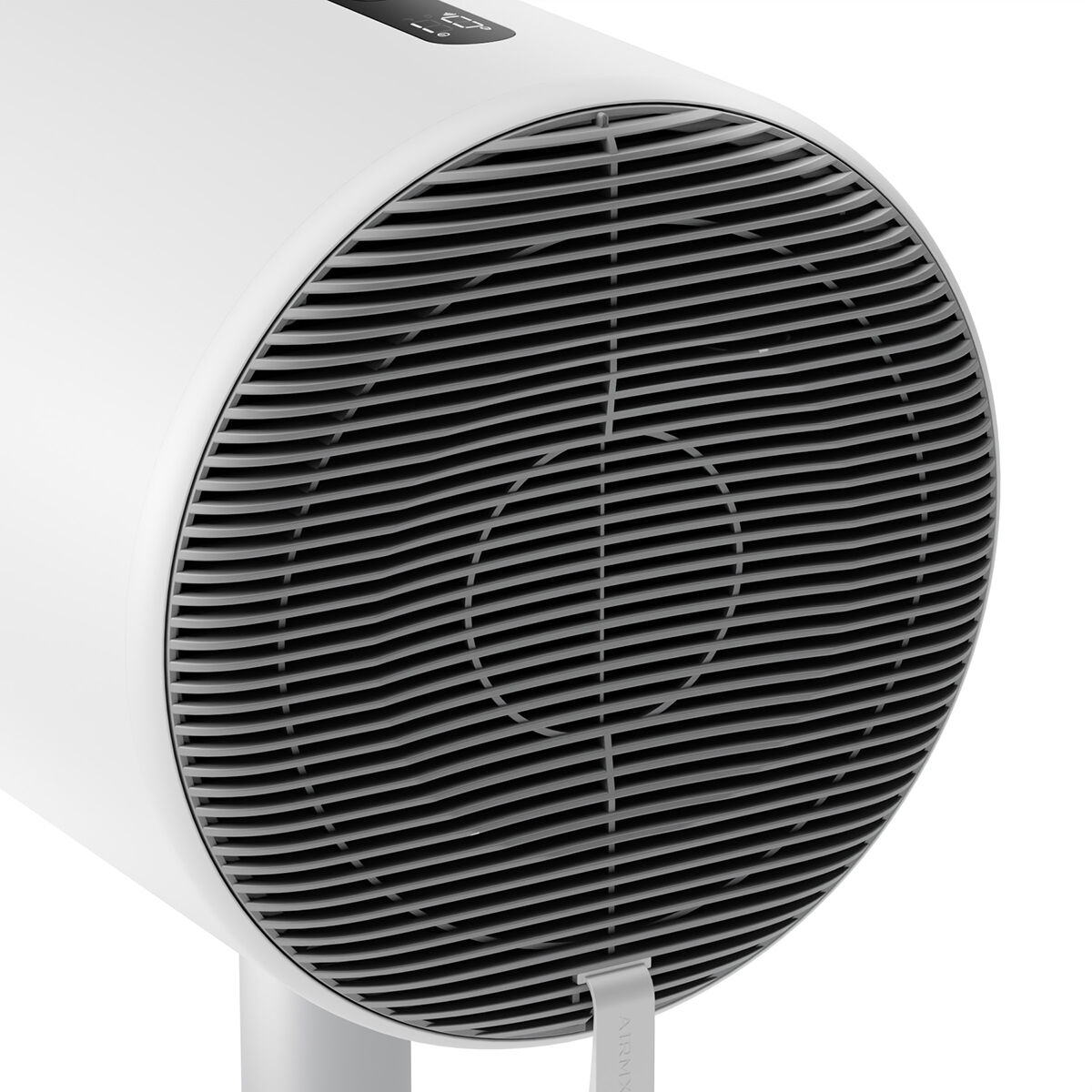
When sourcing air circulator fan products for large-scale distribution or retail markets, the stakes are significantly higher than a single-unit purchase. Buyers must evaluate dozens of variables simultaneously — from engineering performance to consumer appeal — to ensure the product resonates across a diverse buyer base. Understanding which features genuinely drive purchasing decisions in large markets is not just useful; it is essential for commercial success.
The air circulator fan market has grown considerably in recent years, driven by rising consumer awareness of indoor air quality, energy efficiency concerns, and the demand for multifunctional home appliances. For distributors, retailers, and procurement specialists targeting large markets, selecting the right product involves a structured evaluation of both technical and commercial attributes. This guide unpacks the features that matter most and why they can determine whether a product thrives or stalls on shelves.
Performance Specifications That Define Market Readiness
Airflow Efficiency and Circulation Range
The primary function of any air circulator fan is to move air effectively throughout a room or space. For large-market buyers, airflow efficiency is a non-negotiable baseline. Products must demonstrate measurable cubic feet per minute (CFM) ratings that are appropriate for the room sizes most consumers encounter — typically ranging from small bedrooms to open-plan living areas.
An air circulator fan that delivers strong, directed airflow at multiple angles is far more commercially viable than one limited to a single fixed direction. 360-degree or wide-angle oscillation significantly expands the perceived value of the product and broadens its suitability across living environments. Buyers in large markets expect versatility as a baseline, not a premium feature.
The ability to circulate air efficiently also reduces overall energy consumption per square foot of coverage. For environmentally conscious consumers — a growing segment in virtually every major market — this becomes a persuasive selling point that distributors can leverage in their marketing materials and product descriptions.
Speed Settings and Motor Quality
Motor quality directly impacts both performance longevity and noise levels, two attributes that consumer reviews consistently highlight in air circulator fan categories. A well-engineered brushless DC motor, for instance, tends to operate more quietly, consume less electricity, and last significantly longer than conventional AC motors. For large markets where warranty claims and return rates carry heavy cost implications, motor quality is a critical procurement variable.
Multiple speed settings allow end-users to customize their airflow experience, which is especially important in households where the fan will be used across different scenarios — sleeping, working, cooking, or exercising. An air circulator fan with at least three distinct speed levels appeals to a broader customer segment than a basic two-speed model. Procurement teams sourcing for high-volume retail channels should prioritize models offering graduated airflow control.
Beyond raw power, smooth speed transitions and consistent performance across all settings speak to build quality. Inconsistent motor behavior generates negative consumer feedback quickly, which in large market environments can cascade into reputation damage for both the brand and the retail partner.
Design and Aesthetic Appeal for Consumer Markets
Visual Design as a Commercial Driver
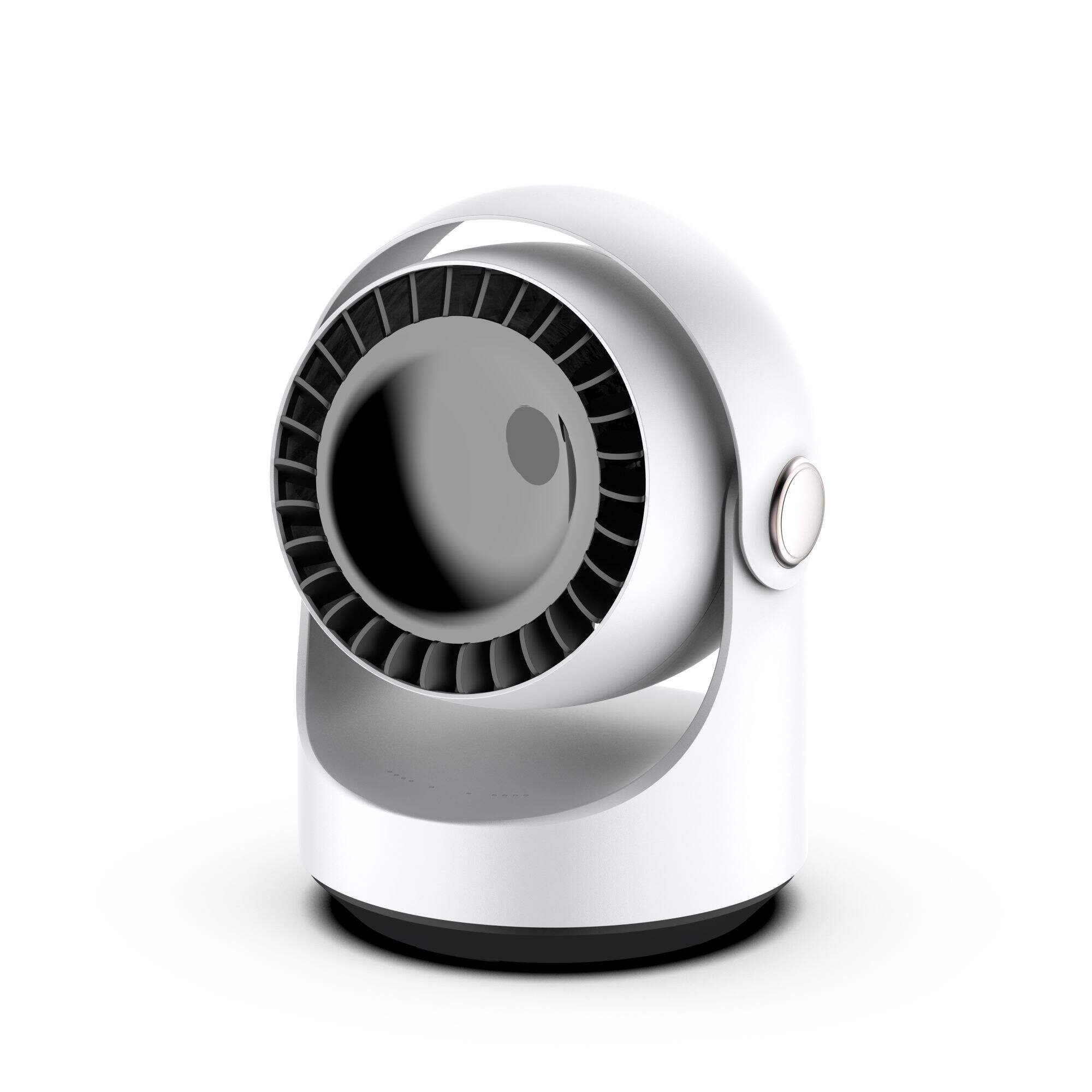
In today's consumer electronics and home appliance market, visual appeal is not a superficial consideration — it is a core commercial driver. An air circulator fan that looks attractive on a shelf, in a product listing, or in a lifestyle photograph is inherently easier to sell at scale. Sleek profiles, neutral color palettes, and modern geometries consistently outperform dated or utilitarian designs in retail environments.
For large markets that span multiple demographic segments — from young urban professionals to family households — a design that communicates both functionality and aesthetic sensibility tends to perform more broadly. The 'desktop nice-looking' category of air circulator fans represents this convergence particularly well, combining compact form factors with visually refined finishes that appeal to buyers who care about how their living spaces look.
When evaluating design for large-market fit, buyers should also consider how the product photographs. E-commerce channels now account for a significant share of fan product sales, and items that present well in digital images tend to generate higher click-through and conversion rates. A well-designed air circulator fan with clean lines and premium material finishes naturally lends itself to high-quality product photography.
Compact Footprint and Placement Flexibility
Desk-friendly and countertop-ready air circulator fan designs have surged in popularity because modern consumers operate in smaller, multifunctional spaces. Home offices, studio apartments, and shared living environments all benefit from a fan that can be placed conveniently without dominating the space. Compact desktop models that do not sacrifice airflow performance represent a particularly strong commercial opportunity.
Placement flexibility also correlates with product versatility, a key selling argument in large-volume retail contexts. An air circulator fan suitable for both desk use and floor placement addresses a wider range of consumer needs within a single SKU, which simplifies inventory management for distributors and increases the product's appeal in retail negotiations.
Weight and portability are secondary but meaningful attributes. Consumers increasingly expect appliances that are easy to move between rooms or carry for seasonal storage. Lightweight construction combined with a stable base design provides the balance of portability and safety that today's buyers expect from a well-rounded air circulator fan product.
Value-Added Features That Differentiate Products
Aromatherapy Integration as a Differentiating Feature
One of the most compelling differentiators in today's air circulator fan category is the integration of aromatherapy functionality. By allowing users to add essential oils or scent pads to the fan's airflow path, manufacturers create a multi-sensory product experience that transcends standard ventilation. This feature taps directly into the wellness market, which continues to expand across major consumer economies.
For large markets, aromatherapy-enabled air circulator fan models occupy a genuinely distinct product position. They are not simply competing on airflow metrics — they are competing in the lifestyle and wellness product space, which typically supports higher price points and stronger brand loyalty. Distributors who identify this positioning early gain a meaningful advantage in shelf placement, marketing narrative, and consumer engagement.
The practical implementation of the aromatherapy feature matters as much as its presence. A well-designed diffusion mechanism that does not discolor or deteriorate with regular oil use speaks to engineering maturity. Buyers evaluating an air circulator fan with aromatherapy should verify material compatibility, ease of cleaning, and whether the scent function operates independently of the fan's primary airflow settings.
Smart Features and Control Convenience
Remote control capability, timer functions, and sleep mode settings have become table-stakes features in the air circulator fan category for mid-to-premium market segments. Consumers expect the ability to adjust their fan without physically interacting with the unit, particularly in bedroom or office settings. Products lacking these basic convenience features are increasingly difficult to position competitively in developed markets.
Touch control panels with intuitive iconography improve the user experience and reduce the likelihood of misuse or customer complaints. For large markets where post-sale support can be costly, a well-designed air circulator fan interface that minimizes user error is a practical advantage that procurement teams should weigh carefully.
Voice assistant compatibility and app-based control represent the next tier of smart functionality. While not universally expected at entry price points, these features significantly enhance product competitiveness in premium channels and among tech-savvy demographics. When selecting an air circulator fan for distribution across multiple price tiers, understanding where smart features shift from 'nice to have' to 'expected' is essential for accurate assortment planning.
Safety, Compliance, and Certification Requirements
Regulatory Compliance Across Key Markets
For any buyer sourcing an air circulator fan at scale, regulatory compliance is a foundational requirement rather than an optional consideration. Different regions impose different safety certification standards — including CE marking for European markets, UL certification for North America, and various national standards across Asia-Pacific markets. Products lacking the necessary certifications cannot legally be sold in those territories, regardless of their technical or aesthetic merits.
Beyond basic market access, certifications signal manufacturing maturity to retail buyers and procurement committees. A certified air circulator fan has undergone independent third-party testing for electrical safety, electromagnetic compatibility, and in some cases energy efficiency. These test results provide a layer of objective evidence that supports buyer confidence, particularly for new supplier relationships.
Procurement teams should request certification documentation upfront and verify authenticity through the issuing body where possible. In large markets with high volume transactions, sourcing an air circulator fan based on unverified compliance claims can result in costly market withdrawals, regulatory fines, and reputational damage that far outweighs any initial cost savings.
Safety Design Features for Consumer Environments
Child safety is a recurring concern in consumer air circulator fan markets, particularly for products positioned in household or family retail channels. Blade guard design, blade tip clearance, and tip-over protection mechanisms are all features that responsible buyers evaluate during product assessment. Markets with strong consumer protection regulations often require these features by default.
Thermal overload protection prevents the motor from sustaining damage during extended use in warm environments — a scenario that is particularly relevant for summer-season demand peaks in large markets. An air circulator fan without this protection risks generating product returns and warranty claims during precisely the period when sales volumes are highest.
Cord design and plug safety are often overlooked but remain important. Appropriate cord lengths, strain relief mechanisms, and region-specific plug standards all contribute to a safe and compliant product experience. For large markets spanning multiple geographies, buyers frequently need to evaluate whether a single SKU can be adapted for multiple regional plug configurations without compromising safety integrity.
Packaging, Logistics, and Retail Readiness
Packaging That Protects and Sells
At scale, packaging decisions carry significant commercial and operational weight. An air circulator fan packaged with insufficient protection generates transit damage claims that erode margin and disrupt supply chain reliability. Conversely, over-engineered packaging adds unnecessary weight and cubic volume, increasing freight costs per unit across large-volume shipments.
Retail-ready packaging that communicates product features clearly — through photography, feature callouts, and specification summaries — reduces the in-store or online educational burden. For large retail partners, a well-packaged air circulator fan that requires minimal additional merchandising support is easier to list, range, and maintain on shelf. Buyers should evaluate packaging as a sales tool, not just a protective container.
Sustainable packaging materials are increasingly requested by major retail chains as part of their corporate environmental commitments. For suppliers seeking placement in large market retail channels, demonstrating that the air circulator fan is packaged using recycled or recyclable materials can be a meaningful differentiator during category reviews.
Carton Configuration and MOQ Alignment
Master carton configuration directly affects freight efficiency and warehouse handling costs. The number of units per carton, carton weight, and stacking configuration all influence landed cost calculations for large-market buyers. An air circulator fan with well-optimized carton dimensions that align with standard pallet configurations can yield meaningful freight savings across high-volume orders.
Minimum order quantities must be calibrated to the realities of large market distribution. Excessively high MOQs create inventory risk for buyers managing broad product assortments. Suppliers who demonstrate flexibility on MOQ without compromising production quality are more attractive partners for distributors managing seasonal demand fluctuations.
Lead time reliability is a final but critical logistics variable. In large markets with promotional calendars — seasonal campaigns, retail events, category reviews — an air circulator fan supplier that consistently delivers on time builds the kind of commercial trust that leads to long-term ranging decisions and expanded product placement.
FAQ
What makes an air circulator fan suitable for large retail markets compared to smaller channels?
Large retail markets require air circulator fan products that combine broad consumer appeal, regulatory compliance, competitive pricing, and supply chain reliability. Unlike niche channels where specialty features may dominate, large markets demand versatility — products must appeal to a wide demographic range, comply with multiple regional standards, and be deliverable in high volumes with consistent quality. Design, performance, value-added features, and logistics readiness all factor into suitability assessments at this scale.
How important is aromatherapy functionality when selecting an air circulator fan for distribution?
Aromatherapy integration adds meaningful product differentiation in a category that can otherwise become commoditized on price and airflow metrics alone. For large markets with wellness-oriented consumer segments, an air circulator fan with aromatherapy functionality occupies a distinct positioning that can command a premium price point and generate stronger brand loyalty. The key is ensuring the feature is well-engineered, easy to use, and durable enough to perform reliably across the product's lifecycle.
Why do safety certifications matter so much when procuring air circulator fan products at scale?
Safety certifications are both a legal market entry requirement and a trust signal to retail buyers and consumers. An air circulator fan without the appropriate certifications for its target market cannot be legally sold in that territory and exposes the buyer to significant regulatory and reputational risk. At scale, the cost of a non-compliant product — in terms of recalls, fines, and lost retailer relationships — vastly outweighs any procurement cost savings achieved by skipping certification requirements.
How does design aesthetics influence the commercial success of an air circulator fan in large markets?
In large consumer markets, purchasing decisions are driven by a combination of functional need and emotional appeal. An air circulator fan with a visually refined design photographs better, displays better on shelf, and generates stronger consumer desire than utilitarian alternatives with equivalent airflow performance. Aesthetic quality also supports higher price positioning and stronger brand perception, both of which contribute to better margin outcomes for distributors and retailers across high-volume distribution channels.
Table of Contents
- Performance Specifications That Define Market Readiness
- Design and Aesthetic Appeal for Consumer Markets
- Value-Added Features That Differentiate Products
- Safety, Compliance, and Certification Requirements
- Packaging, Logistics, and Retail Readiness
-
FAQ
- What makes an air circulator fan suitable for large retail markets compared to smaller channels?
- How important is aromatherapy functionality when selecting an air circulator fan for distribution?
- Why do safety certifications matter so much when procuring air circulator fan products at scale?
- How does design aesthetics influence the commercial success of an air circulator fan in large markets?