
 EN
EN
 AR
AR
 NL
NL
 FR
FR
 DE
DE
 EL
EL
 HI
HI
 IT
IT
 JA
JA
 KO
KO
 PL
PL
 PT
PT
 ES
ES
 ID
ID
 VI
VI
 TH
TH
 TR
TR
 MS
MS
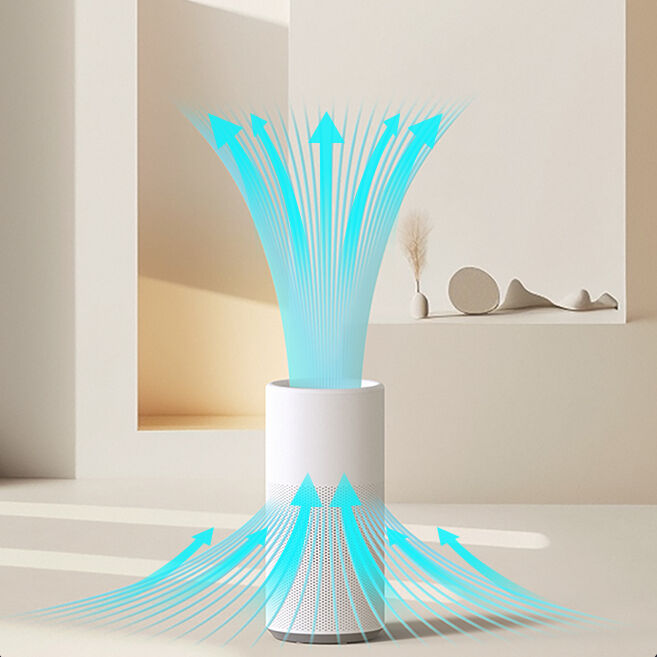
The pet care retail market has expanded significantly in recent years, and one product category that continues to attract strong consumer interest is the pet air purifier. As more households welcome dogs, cats, and other companion animals, indoor air quality becomes a genuine concern — one that retailers can address with the right product selection. Understanding exactly what makes a pet air purifier worth stocking is essential for any retailer looking to meet customer needs while maintaining a credible, competitive product assortment.
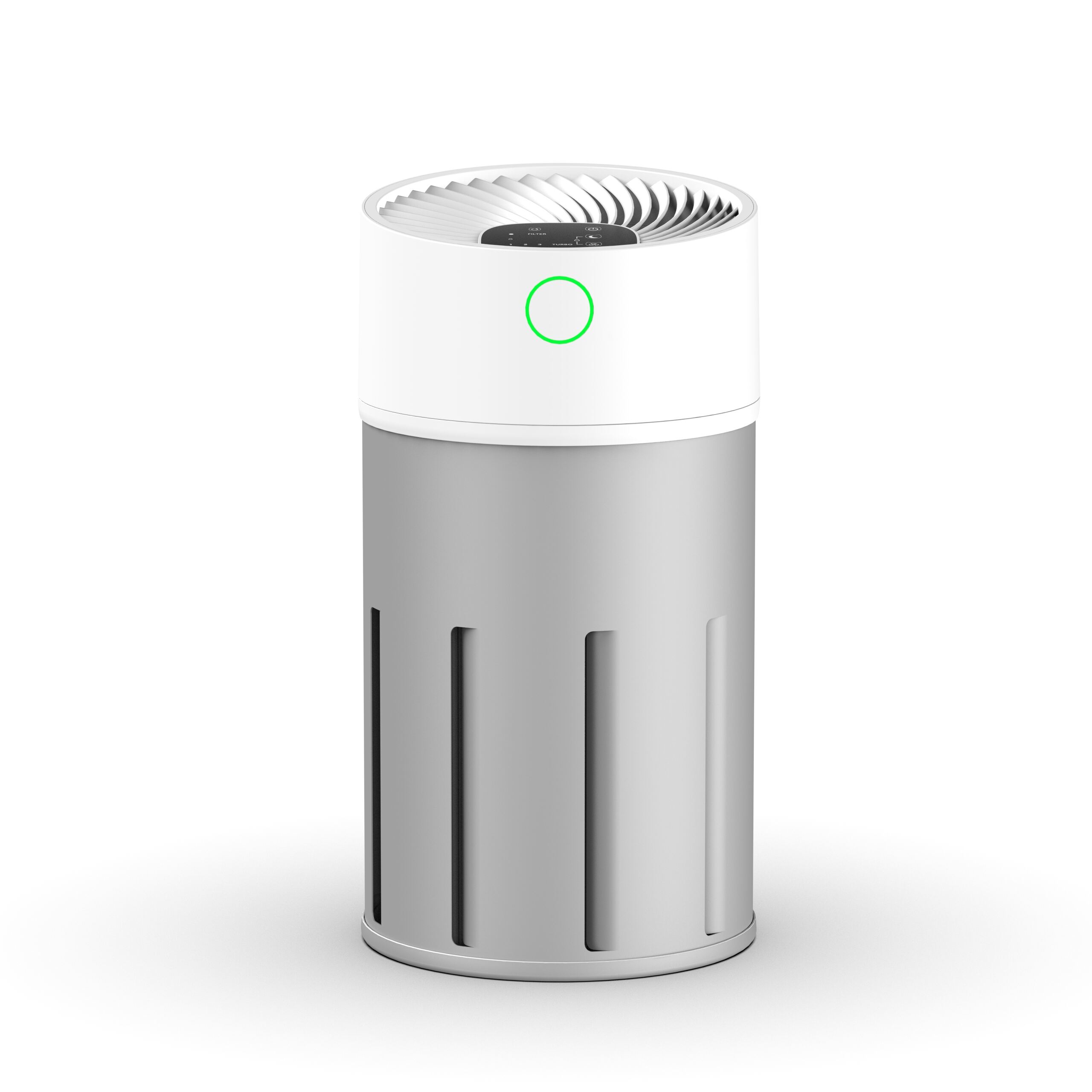
Sourcing decisions in this product segment go well beyond aesthetics or price point. A pet air purifier must perform reliably across a range of real-world conditions — capturing dander, neutralizing odors, filtering fine particles, and operating quietly enough not to disturb either pets or their owners. For retailers, the challenge is to identify products that check all the right boxes technically while also appealing visually and functionally to their target customer base. This guide breaks down the key features that should guide your sourcing decisions.
Filtration Technology and Performance Standards
The Importance of Multi-Stage Filtration in a Pet Air Purifier
Not all air purification systems are created equal, and this is especially true when it comes to handling the specific pollutants generated by pets. A high-quality pet air purifier should offer multi-stage filtration that addresses multiple airborne challenges simultaneously. The typical configuration includes a pre-filter to capture large particles like pet hair and debris, followed by a true HEPA filter for fine particles, and then an activated carbon layer designed to tackle odors and volatile organic compounds.
Retailers should look closely at whether a pet air purifier uses genuine True HEPA filtration rather than HEPA-type or HEPA-like materials, which often perform at much lower efficiency levels. True HEPA filters are rated to capture at least 99.97% of particles as small as 0.3 microns, which includes the fine dander particles that trigger allergies in sensitive individuals. This distinction is critical from both a performance and a marketing integrity standpoint.
Multi-stage filtration also extends filter longevity and reduces maintenance frequency, which is a strong selling point for end consumers. When sourcing a pet air purifier, ask suppliers to provide third-party test data confirming filtration efficiency, and prioritize models with clearly documented filter replacement schedules. This transparency builds consumer trust and reduces post-sale complaints.
Activated Carbon Layers and Odor Control Capability
Pet odors — from dander, urine, saliva, and general animal body scent — are among the most persistent and consumer-relevant air quality issues. The activated carbon component of a pet air purifier is specifically designed to adsorb these volatile molecules and neutralize them before they recirculate into the living space. Retailers should pay attention to the volume and quality of activated carbon used, as thin carbon coatings on foam layers offer only minimal performance.
Premium pet air purifier products typically use granular activated carbon in substantial quantities rather than surface-treated materials. This distinction directly affects how long the purifier remains effective at managing odors and how frequently the filter needs to be replaced. For retailers with customers who keep multiple pets or large breeds, this feature often becomes a key purchasing driver worth highlighting in product descriptions and in-store displays.
Coverage Area, Airflow Rate, and Room Compatibility
Matching CADR Ratings to Retail Customer Needs
The Clean Air Delivery Rate, commonly abbreviated as CADR, is one of the most objective measures retailers can use when evaluating a pet air purifier. CADR quantifies the volume of filtered air produced per minute and is measured separately for smoke, dust, and pollen. For a product designed for pet environments, the dust and pollen CADR figures are especially relevant since they correspond most closely to dander and fine particulate performance.
When sourcing a pet air purifier, retailers should consider the range of living spaces their customers occupy. Urban apartment dwellers may need units rated for 300 to 500 square feet, while suburban homeowners with dedicated pet rooms or open-plan living areas may require significantly higher CADR ratings. Offering a range of coverage options within the same product line allows retailers to serve different customer segments without overwhelming their assortment strategy.
It is also worth noting that manufacturers sometimes publish optimistic coverage area claims based on ceiling-height assumptions that do not reflect real-world conditions. Retailers should request documentation or independent testing data to verify that a pet air purifier's advertised coverage area is achievable under typical residential conditions rather than ideal laboratory scenarios.
Fan Speed Settings and Airflow Consistency
A pet air purifier that offers multiple fan speed settings gives consumers flexibility to balance performance against noise level. In bedrooms or quiet household areas, a lower speed setting with reduced noise output is typically preferred overnight, while a higher setting may be appropriate during peak activity hours when pets are shedding more actively. Retailers should look for units with at least three speed settings and a dedicated sleep or quiet mode.
Consistent airflow is also important for maintaining effective air exchange throughout the day. Some models feature auto mode functionality that uses an onboard air quality sensor to modulate fan speed in response to detected pollution levels. This smart adjustment reduces energy consumption during clean periods while automatically increasing purification intensity when pet activity increases, making the pet air purifier both efficient and responsive.
Noise Level, Design, and Household Integration
Why Low Noise Output Matters for Pet Households
Pets — particularly cats and dogs — can be sensitive to persistent mechanical noise. A pet air purifier that runs loudly may cause stress or behavioral changes in animals, which is counterproductive to its core purpose of improving household wellbeing. For this reason, noise level measured in decibels at each fan speed setting is a sourcing criterion retailers should not overlook.
Products that operate at or below 25 to 30 decibels on their lowest setting are generally considered whisper-quiet and suitable for continuous operation in shared pet and human spaces. Retailers can use this as a differentiating feature in product marketing, particularly for consumers who have reported dissatisfaction with noisier alternatives. The noise specification, when clearly communicated, helps set accurate consumer expectations and reduces the likelihood of returns.
A well-designed pet air purifier also needs to fit naturally into home environments. Modern consumers want products that complement their interior aesthetics rather than appearing as utilitarian appliances. Sourcing products that offer clean lines, neutral color options, and compact footprints will appeal to a broader demographic, including first-time pet owners who may be simultaneously purchasing furniture and home décor.
Durability, Build Quality, and Safety Certifications
Retail sourcing decisions must account for product durability, especially in pet households where units may be bumped, nudged, or investigated by curious animals. A pet air purifier with a stable, low-center-of-gravity base and sturdy housing materials is far less likely to result in damage claims or customer complaints. Look for units constructed with impact-resistant ABS plastic or metal-reinforced housings that can withstand incidental contact.
Safety certifications are equally important for retail credibility. Products destined for markets in North America or Europe should carry recognized safety marks such as ETL, UL, CE, or RoHS compliance, depending on the target region. These certifications confirm that the pet air purifier has been tested for electrical safety, electromagnetic compliance, and material safety standards. Retailers who stock uncertified products risk liability exposure and potential recalls, making certification verification a non-negotiable step in the sourcing process.
Smart Features, Sensor Technology, and Consumer Convenience
Air Quality Sensors and Automatic Mode Functionality
Modern consumers increasingly expect smart functionality in household appliances, and a pet air purifier is no exception. Built-in air quality sensors — particularly particulate matter sensors that detect PM2.5 concentrations — allow the unit to operate intelligently without requiring constant manual adjustment. This feature is highly valued in pet-owning households where airborne particle levels can fluctuate significantly throughout the day.
When evaluating a pet air purifier for retail, consider whether the sensor data is displayed visually through an indicator light or numerical readout, and whether that display is clear and interpretable for the average consumer. Products that communicate air quality status in an intuitive way reinforce the perception of product value and give consumers tangible evidence that the unit is actively working. This transparency in function directly supports repeat purchase decisions and positive word-of-mouth.
Some advanced models also include timers, child lock functions, and filter replacement indicator lights. These convenience features reduce consumer friction and align with the practical demands of busy pet-owning households. When a pet air purifier notifies the user when it is time to replace the filter rather than relying on memory, it also opens an opportunity for retailers to drive ongoing accessory sales through replacement filter programs.
Connectivity, App Integration, and After-Sales Relevance
Wi-Fi or Bluetooth connectivity is becoming a more common feature in the pet air purifier category, allowing users to monitor and control the device through a dedicated mobile application. While this feature is not universally demanded, it represents a meaningful differentiator for tech-forward consumers and younger demographics who expect seamless smart home integration. Retailers targeting premium or lifestyle-oriented customer segments should consider including at least one app-connected option in their assortment.
App connectivity also enhances the after-sales relationship by enabling push notifications for filter replacement, energy usage tracking, and remote scheduling. For retailers operating loyalty programs or subscription models, a connected pet air purifier provides a direct pipeline for ongoing engagement and repeat filter sales. This commercial consideration makes smart connectivity not just a product feature but a long-term revenue strategy worth factoring into sourcing decisions.
Packaging, Branding Flexibility, and Supplier Reliability
Private Label and OEM Options for Retail Differentiation
Many retailers sourcing a pet air purifier for their assortment are interested in private label or OEM arrangements that allow them to brand the product under their own retail identity. This approach reduces direct price comparison pressure from consumers and builds stronger brand loyalty at the category level. When evaluating suppliers, retailers should confirm whether private label customization is available and what minimum order quantities apply to custom branding requests.
Packaging design is also a critical retail consideration. A pet air purifier that arrives in well-designed, informative retail packaging requires less explanatory effort at the shelf level and conveys quality to the consumer before the product is even opened. Retailers should review packaging mockups carefully and ensure that key specifications — coverage area, filter type, noise level, and certifications — are prominently communicated to support purchase decisions without the need for staff intervention.
Supply Chain Consistency and Quality Control Processes
Even the most well-specified pet air purifier will underperform in retail if supply chain consistency cannot be maintained. Retailers should conduct thorough due diligence on supplier production capacity, quality management systems, and historical delivery performance before placing significant purchase orders. Requesting factory audit reports, ISO certification status, and production lead time documentation gives retailers a clearer picture of supplier reliability.
Quality control processes — including incoming material inspection, in-process checks, and final product testing before shipment — should be clearly outlined by any supplier offering a pet air purifier for retail distribution. Retailers with significant volume commitments may also consider third-party pre-shipment inspections to independently verify that products meet agreed specifications. This diligence protects the retailer's reputation, minimizes return rates, and ensures consistent customer satisfaction across all units sold.
FAQ
What filtration type is most effective in a pet air purifier?
True HEPA filtration combined with a substantial activated carbon layer represents the most effective configuration for a pet air purifier. True HEPA filters capture fine dander and particulate matter at 99.97% efficiency down to 0.3 microns, while activated carbon adsorbs pet odors and volatile compounds. Multi-stage systems that combine both with a pre-filter for hair and debris offer the most comprehensive air quality improvement for pet households.
How important is CADR rating when selecting a pet air purifier for retail?
CADR rating is one of the most reliable and objective criteria for evaluating a pet air purifier's real-world performance. It measures the volume of clean air delivered per minute and indicates how quickly the unit can clean a given space. Retailers should offer options across multiple CADR tiers to address different room sizes and pet ownership scenarios, from studio apartments to larger open-plan living areas.
Do retailers need to verify safety certifications for a pet air purifier?
Yes, verifying safety certifications is an essential step in the sourcing process. A pet air purifier intended for sale in regulated markets must carry the appropriate electrical safety and compliance markings for that region, such as CE for European markets or UL or ETL for North American retail. Without these certifications, retailers expose themselves to liability risks and potential regulatory penalties in addition to possible product recalls.
Is smart connectivity a necessary feature when sourcing a pet air purifier?
Smart connectivity is not universally necessary, but it adds meaningful value for certain consumer segments. A pet air purifier with Wi-Fi or app integration appeals to tech-forward and lifestyle-oriented buyers who appreciate remote control, usage data, and maintenance reminders. For retailers targeting premium demographics or building subscription filter programs, offering at least one connected model in the assortment can support both differentiation and long-term customer engagement.