
 EN
EN
 AR
AR
 NL
NL
 FR
FR
 DE
DE
 EL
EL
 HI
HI
 IT
IT
 JA
JA
 KO
KO
 PL
PL
 PT
PT
 ES
ES
 ID
ID
 VI
VI
 TH
TH
 TR
TR
 MS
MS
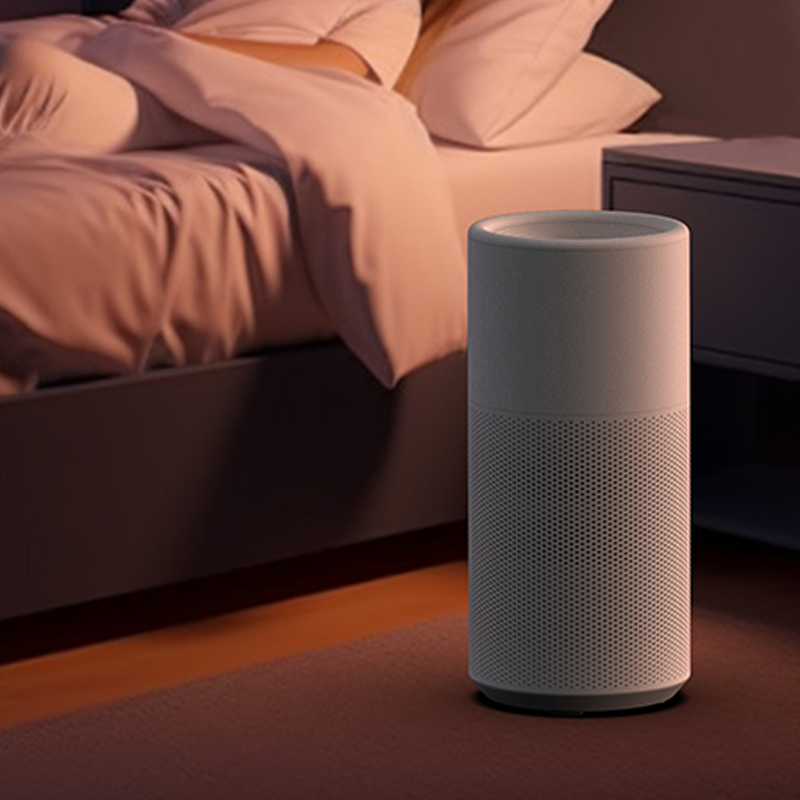
The pet care industry has experienced a remarkable transformation over the past decade, with pet owners investing more thoughtfully in the health, comfort, and wellbeing of their animals. Among the products gaining rapid traction across households and professional care facilities alike, the pet air purifier stands out as one of the most meaningful investments a pet owner can make. What was once considered a niche wellness gadget has evolved into an essential household appliance, and understanding why requires a closer look at the shifting priorities of modern pet care.
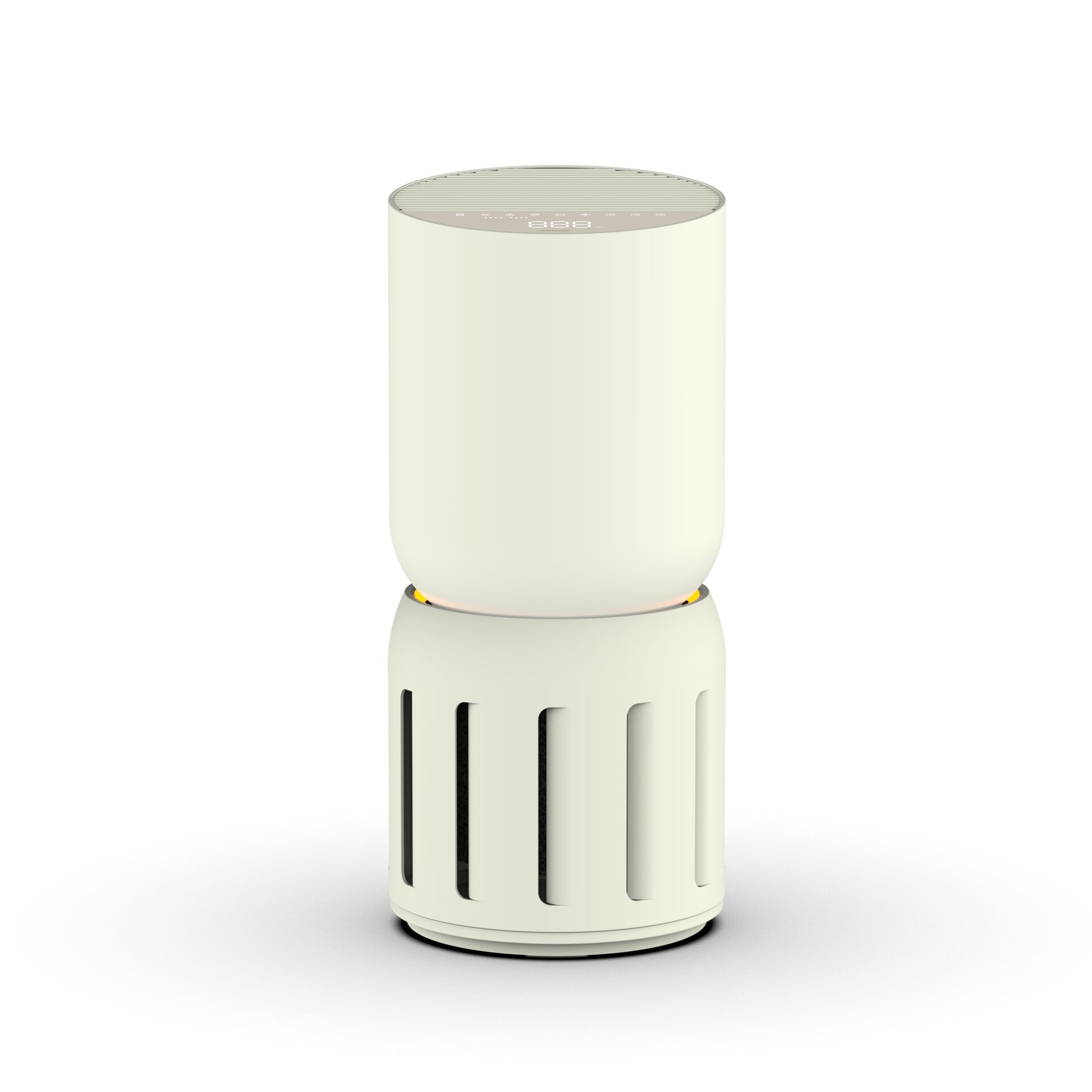
The growing popularity of the pet air purifier is not a coincidence or a passing trend. It is the result of converging forces: increased awareness of indoor air quality, rising rates of pet-related allergies among humans, growing concern for animal respiratory health, and a broader cultural shift in how people view their pets — not as animals kept at home, but as family members deserving of proactive healthcare. This article examines the specific reasons behind the surge in demand and what this trend signals for the future of the pet care market.
The Indoor Air Quality Problem in Pet-Friendly Homes
How Pets Affect the Air We Breathe
Living with pets significantly alters the composition of indoor air. Dogs, cats, birds, and other household animals continuously shed dander, hair, and microscopic skin particles that become suspended in the air for extended periods. These biological particles are among the most common household allergens and can trigger reactions even in people who have not previously been sensitive to animal-related irritants. Over time, without active air filtration, these contaminants accumulate at levels that affect both human and animal health.
Pet odors are another major contributor to indoor air quality degradation. Odor-causing compounds from pet waste, fur oils, and residual moisture on animal coats can permeate furniture, carpeting, and ventilation systems. Standard ventilation and air fresheners mask these compounds temporarily but do not remove them from the air. A pet air purifier addresses this at the source, using activated carbon and HEPA filtration to capture and neutralize odor-causing particles rather than simply covering them with fragrances.
The enclosed nature of modern homes exacerbates these issues. Energy-efficient construction with tightly sealed windows and walls reduces natural ventilation, meaning that whatever particles and odors are generated indoors remain indoors unless actively filtered out. For pet owners, this means that air quality management is not optional — it is a practical necessity that directly affects the living environment.
Why Conventional Cleaning Is Not Enough
Many pet owners rely on regular vacuuming, mopping, and surface cleaning to manage the mess associated with having animals at home. While these practices are important, they address only the visible and settled particles. Airborne dander, fine hair, volatile organic compounds from pet products, and bacteria introduced by outdoor pets all require a different approach — one that targets the air itself rather than surfaces.
A quality pet air purifier equipped with a multi-layer filtration system can capture particles as small as 0.3 microns, which is far below the threshold of visible debris. This means it catches what vacuums miss — the microscopic biological material that floats through the air and is inhaled by both humans and pets throughout the day. The continuous filtration provided by a pet air purifier creates a measurably cleaner air environment in ways that routine cleaning simply cannot replicate.
Growing Health Consciousness Among Pet Owners
Pet Allergies and Human Respiratory Health
One of the primary drivers behind the growing demand for the pet air purifier is the increasing prevalence of pet-related allergies. Research consistently shows that pet dander is one of the most significant indoor allergen sources, and the number of allergy sufferers who also own pets has grown substantially. This creates a health management challenge that many households are actively trying to solve without giving up their pets.
For allergy sufferers, a pet air purifier is not a luxury item but a functional health device. By continuously filtering dander and other biological particles from the air, these devices can significantly reduce allergen load in the home environment. This allows individuals who are allergic to pets to coexist more comfortably with their animals, reducing dependency on antihistamines and other symptomatic treatments. It is a preventive solution rather than a reactive one, which aligns well with the broader wellness movement shaping consumer behavior.
Medical professionals, including allergists and pulmonologists, have increasingly acknowledged the role of air purification in managing indoor allergen exposure. As this professional endorsement grows, it validates consumer investment in products like the pet air purifier and drives further market adoption, particularly among households where respiratory sensitivities are a known concern.
Animal Respiratory Health Is a Rising Priority
Pet owners are also becoming more aware that indoor air quality affects their animals, not just themselves. Cats and dogs, for instance, are highly susceptible to airborne irritants, dust, and secondhand smoke. Brachycephalic breeds — those with short snouts, like bulldogs or Persian cats — are particularly vulnerable to respiratory distress triggered by poor air quality. Bird owners have long known that their pets are extremely sensitive to airborne toxins and particles, making air quality management almost non-negotiable.
Veterinarians are beginning to recommend the use of a pet air purifier as part of a holistic approach to animal health management, particularly for pets with chronic respiratory conditions or allergies. This professional-level recommendation is a meaningful catalyst in the market, as pet owners tend to act quickly when a trusted veterinary professional identifies a health risk. The result is a growing segment of consumers who purchase a pet air purifier not for their own comfort, but specifically to protect their animals' long-term health.
Market Trends Driving Pet Air Purifier Adoption
The Humanization of Pets and Premium Spending
A defining characteristic of the modern pet care market is the humanization of pets — the cultural phenomenon in which animals are treated as full members of the family with needs, emotions, and health requirements comparable to those of humans. This mindset drives spending on premium food, veterinary care, enrichment products, and health monitoring devices. The pet air purifier fits naturally within this framework, positioned as a preventive health investment for a beloved family member.
As disposable income among pet owners increases and as the emotional bond with pets deepens across demographic groups, willingness to spend on non-essential but health-positive products rises accordingly. The pet air purifier has benefited directly from this trend, moving from a niche product category to a mainstream offering in household appliance and pet care retail segments. Its dual functionality — improving air quality for both humans and pets — makes it an easy purchase justification for premium-oriented consumers.
The growth in multigenerational pet ownership also contributes to market expansion. Households with children or elderly individuals who share space with pets face amplified concerns about allergen exposure and hygiene. A pet air purifier provides a solution that simultaneously protects the most vulnerable members of the household, making it a practical choice across varied living situations.
Product Innovation and Smart Home Integration
Product development in the pet air purifier category has advanced considerably, moving beyond basic filtration units to include smart connectivity, automatic air quality sensing, quiet operation modes suitable for nighttime use, and integrated night lights that make the device less intrusive in living spaces. These innovations reduce friction in adoption by making the product more convenient and compatible with modern lifestyle expectations.
Smart home ecosystems have created new entry points for the pet air purifier. Consumers who already manage their lighting, thermostats, and security systems through connected devices are receptive to adding air quality management to that infrastructure. Auto-adjust functions, filter replacement indicators, and real-time air quality displays bring a level of intelligence to the product that resonates strongly with technology-oriented buyers who are already invested in wellness tech for their households.
Compact and design-forward models have also expanded the appeal of the pet air purifier beyond functional buyers to aesthetically conscious consumers who want home appliances that complement their interior design. This aesthetic evolution has helped position the pet air purifier as a desirable household product rather than a medical necessity, broadening its addressable market substantially.
Commercial and Professional Pet Care Market Adoption
Pet Air Purifiers in Professional Settings
The demand for the pet air purifier is not limited to residential consumers. Professional pet care facilities — including grooming salons, veterinary clinics, kennels, boarding facilities, and pet daycare centers — have become significant adopters of commercial-grade air purification systems. These businesses operate in environments where odors, dander, and airborne pathogens are constant challenges that affect staff health, client experience, and the reputation of the facility.
For professional operators, a pet air purifier is both a hygiene tool and a business asset. Clean, odor-free air is a direct differentiator in a competitive market where pet owners increasingly evaluate facilities based on perceived cleanliness and care standards. A facility that visibly invests in air quality management communicates professionalism and attention to detail that builds client trust and supports premium pricing.
Worker health is an additional commercial consideration. Groomers, kennel staff, and veterinary technicians spend hours each day in close contact with animal dander and odors. Chronic exposure to these irritants contributes to occupational respiratory issues over time. Employers in the pet care industry are increasingly treating air purification as a workplace safety measure, reinforcing the commercial demand for the pet air purifier beyond individual consumer markets.
Distribution Channels and Retail Expansion
The retail footprint of the pet air purifier has expanded significantly as product awareness has grown. Beyond traditional home appliance channels, the product is now prominently featured in pet specialty retailers, online marketplaces, veterinary supply distributors, and direct-to-consumer e-commerce platforms. This multi-channel availability reduces barriers to purchase and exposes the product to buyers at multiple touchpoints in their decision journey.
Online review ecosystems have played a meaningful role in accelerating adoption. Pet owners actively seek product recommendations through community forums, social media groups, and review platforms. Positive user experiences shared publicly create a self-reinforcing demand cycle, particularly when reviews highlight tangible benefits such as reduced allergy symptoms, elimination of pet odors, and visible improvement in household air quality. This peer validation is particularly influential in a product category where the benefit — cleaner air — is not immediately visible to the naked eye.
FAQ
What makes a pet air purifier different from a standard home air purifier?
A pet air purifier is specifically designed to address the unique airborne challenges associated with living with animals. While standard air purifiers focus on general dust and pollutant removal, a pet air purifier typically includes enhanced HEPA filtration optimized for capturing fine dander and pet hair particles, along with activated carbon layers formulated to neutralize pet-specific odors. Some models also include antimicrobial features or specialized pre-filters designed for higher-volume dander environments common in multi-pet households.
How often should filters be replaced in a pet air purifier?
Filter replacement frequency in a pet air purifier depends on the number of pets, the size of the space, and the level of shedding. In high-dander environments with multiple pets, HEPA filters may need replacement every three to six months, compared to the standard six to twelve months for general household use. Many modern pet air purifier models include filter life indicators that alert the user when replacement is needed, removing the guesswork and ensuring consistent performance over time.
Can a pet air purifier help with pet allergies in humans?
Yes, using a pet air purifier can meaningfully reduce the concentration of airborne pet allergens — primarily dander and fine hair particles — in indoor environments. By continuously cycling room air through multi-stage filtration, a pet air purifier lowers the total allergen load that residents inhale throughout the day. While it does not eliminate allergens entirely, clinical and consumer evidence consistently suggests that regular use of a pet air purifier in rooms where pets spend the most time leads to a measurable reduction in allergy symptoms for sensitive individuals.
Is a pet air purifier suitable for use in professional grooming or boarding facilities?
Absolutely. Commercial pet care environments are among the most demanding air quality settings due to the concentration of animals, continuous dander production, and persistent odors. A pet air purifier designed for larger spaces or commercial use can significantly improve air quality for staff and visiting clients. Many operators in the professional pet care industry now treat the pet air purifier as essential equipment, comparable to ventilation systems, because it directly contributes to hygiene standards, staff comfort, and the overall client experience.