
 EN
EN
 AR
AR
 NL
NL
 FR
FR
 DE
DE
 EL
EL
 HI
HI
 IT
IT
 JA
JA
 KO
KO
 PL
PL
 PT
PT
 ES
ES
 ID
ID
 VI
VI
 TH
TH
 TR
TR
 MS
MS
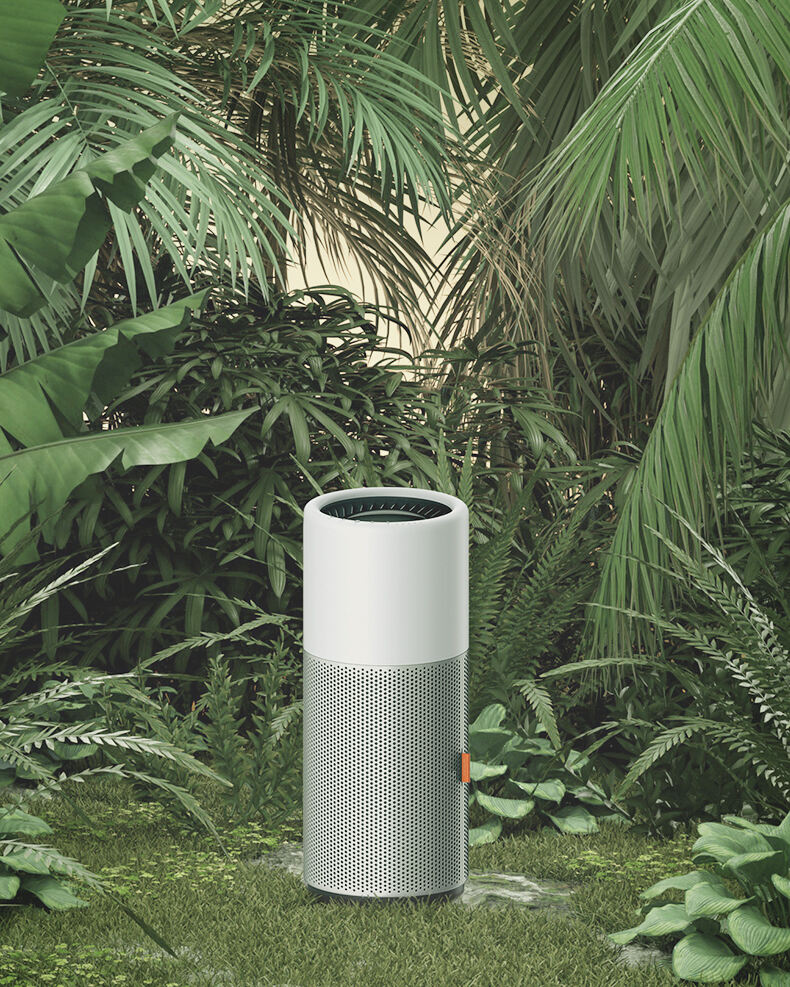
When you walk into a veterinary clinic or a professional grooming salon, the air tells a story before anything else does. Pet dander, fur particles, odors, and airborne allergens accumulate rapidly in these environments, creating conditions that affect both animal health and staff well-being. A pet air purifier is increasingly being considered as a practical solution for these professional settings, but the question is whether it truly meets the demands of veterinary and grooming environments or whether it is simply designed for household use.
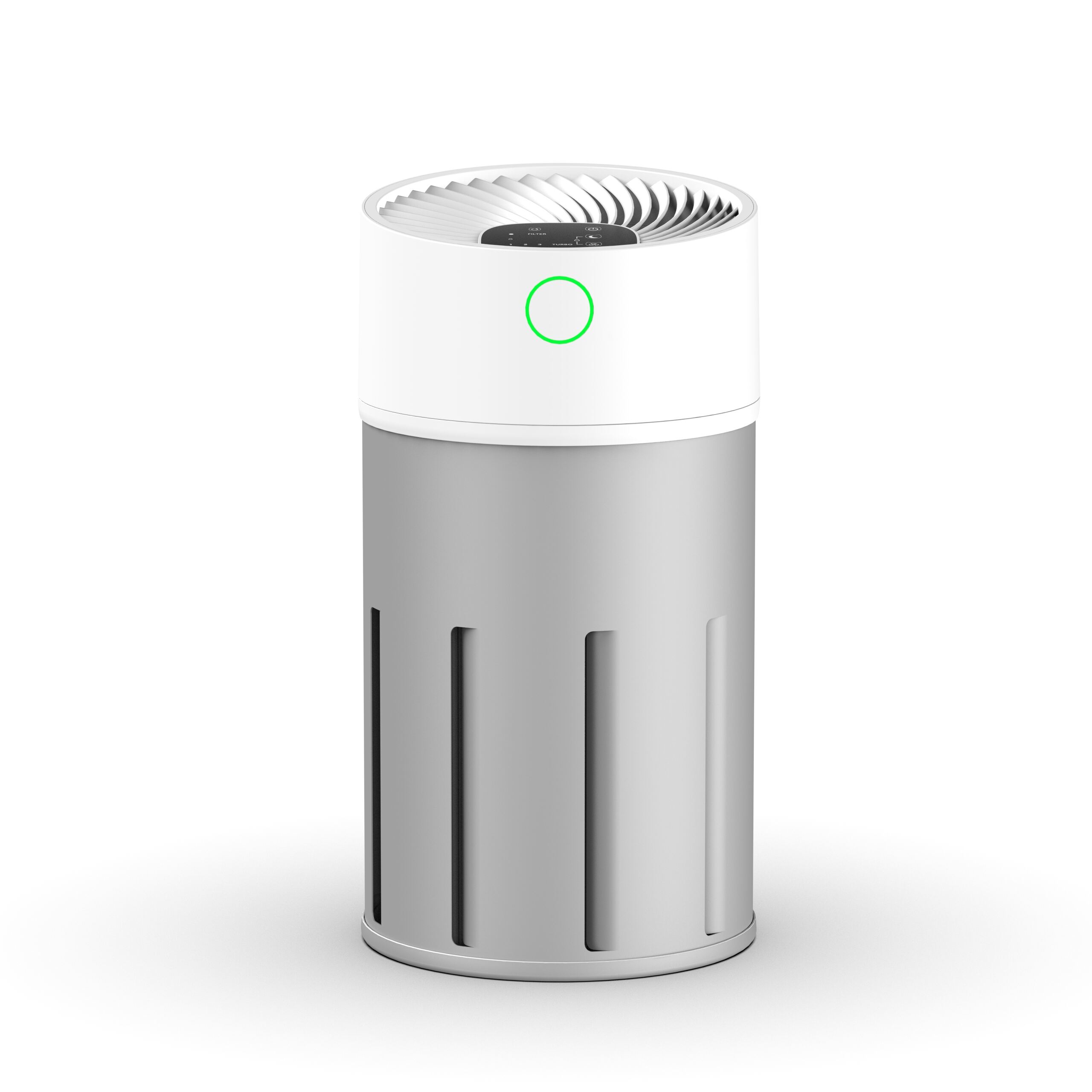
The short answer is yes — a pet air purifier can be highly suitable for veterinary and grooming environments, provided it is selected with the right specifications and deployed with a clear understanding of how these spaces generate airborne contaminants. This article explores the conditions that make these professional environments uniquely challenging, how a pet air purifier addresses those challenges, and what decision-makers should consider before making a procurement choice for commercial or clinical animal care settings.
Understanding the Air Quality Challenges in Veterinary and Grooming Spaces
The Volume and Variety of Airborne Contaminants
Veterinary clinics and grooming salons are not like typical indoor spaces. Multiple animals pass through these environments daily, each contributing to a complex mix of airborne particles. Pet dander — microscopic flakes of skin shed by animals — is one of the most persistent contaminants, capable of remaining suspended in air for extended periods. A pet air purifier specifically designed to capture fine particulate matter is better positioned to handle this challenge than a standard air filtration device.
Beyond dander, grooming environments generate significant volumes of loose fur during brushing, clipping, and bathing procedures. This fur can clog standard ventilation systems and irritate the respiratory tracts of both groomers and animals. Pollen brought in on pets' coats further compounds the problem, particularly during seasonal peaks. The density and diversity of these contaminants mean that only a pet air purifier with multi-stage filtration can address the full spectrum of airborne threats in these settings.
Odors also present a significant challenge. Animal waste, wet fur, grooming products, and antiseptic cleaning agents all contribute to complex odor profiles that can be difficult to manage with ventilation alone. A pet air purifier equipped with activated carbon filtration provides an important mechanism for absorbing and neutralizing these odor molecules rather than simply dispersing them.
Staff Health and Occupational Exposure Considerations
Veterinarians, technicians, and groomers spend many hours each day in close proximity to animals and the contaminants they shed. Prolonged exposure to pet dander is a well-documented trigger for allergic reactions and respiratory conditions, including asthma and rhinitis. This occupational risk is one of the most compelling reasons why deploying a pet air purifier in these professional environments is not a luxury but a practical investment in staff health and productivity.
When a pet air purifier continuously filters the ambient air, it reduces the cumulative load of allergens that staff members inhale throughout the working day. This is particularly important in spaces with limited natural ventilation, such as examination rooms, bathing areas, and kennels. By maintaining consistently cleaner air, a pet air purifier helps protect the long-term respiratory health of professionals who work daily in high-exposure conditions.
How a Pet Air Purifier Addresses Professional-Grade Air Quality Needs
Multi-Stage Filtration Systems
The effectiveness of a pet air purifier in a professional environment depends heavily on its filtration architecture. Units designed specifically for pet-related contaminants typically incorporate a pre-filter for capturing large particles like fur and dust, a true HEPA filter for trapping fine particles including dander and pollen down to 0.3 microns, and an activated carbon layer for odor absorption. This layered approach ensures that the full range of contaminants common to veterinary and grooming settings is addressed systematically.
In a high-traffic grooming salon, fur accumulation can be rapid and overwhelming. A pet air purifier with a robust pre-filter stage can significantly extend the service life of its HEPA layer by capturing larger debris before it reaches the finer filtration media. This is both a performance consideration and a cost management factor, as it reduces the frequency of filter replacements and keeps operating costs manageable in a commercial context.
For veterinary clinics, where airborne pathogen control adds another dimension to air quality management, the HEPA stage of a pet air purifier plays a particularly important role. While a pet air purifier is not a substitute for clinical-grade infection control protocols, its ability to remove fine particulate matter — including some airborne biological particles — contributes meaningfully to overall environmental hygiene.
Coverage Area and Air Exchange Rate
One of the most important factors in determining whether a pet air purifier is suitable for a professional space is its rated coverage area and air changes per hour (ACH). A unit designed for residential use may be entirely adequate for a small examination room, but a large open grooming floor or a kennel block requires a pet air purifier with significantly higher capacity or multiple units deployed strategically.
The ACH rating tells you how many times per hour the total volume of air in a room passes through the purifier. For environments with high contaminant generation rates, such as active grooming stations, a higher ACH is preferable. Decision-makers evaluating a pet air purifier for professional deployment should calculate room volume and match it against the unit's clean air delivery rate (CADR) to ensure adequate filtration throughput.
Placement also matters significantly. A pet air purifier positioned near the primary source of contamination — such as adjacent to grooming tables or in the airflow path of examination areas — will perform more effectively than one placed in a corner distant from where contaminants are being generated. Understanding the airflow dynamics of a specific space allows for more strategic deployment of a pet air purifier.
Specific Scenarios Where a Pet Air Purifier Delivers Clear Value
Grooming Salons During Peak Activity
A busy grooming salon handling multiple dogs or cats simultaneously generates a substantial airborne fur and dander load within a short period. During clipping and blow-drying sessions, particulate levels can spike significantly. Running a pet air purifier continuously during business hours ensures that the ambient particulate concentration is kept in check even as new contaminants are constantly being introduced.
Clients who visit grooming salons are often pet owners themselves, many of whom may have sensitivities to pet dander. A salon that visibly maintains a clean air environment — supported by a pet air purifier — projects a professional and health-conscious image that builds client trust and loyalty. This is not merely an operational benefit but also a brand differentiation opportunity for grooming businesses operating in competitive markets.
The odor management capability of a pet air purifier is especially relevant in grooming environments where the smell of wet animals and grooming chemicals can accumulate quickly. Activated carbon filtration within a pet air purifier can absorb these volatile compounds before they become noticeable to clients entering the space, contributing to a more pleasant and professional atmosphere.
Veterinary Waiting Rooms and Examination Areas
Waiting rooms in veterinary clinics present a unique challenge because they bring together multiple animals — often stressed and shedding more than usual — along with their owners, some of whom may themselves have pet allergies. Deploying a pet air purifier in the waiting area reduces the allergen load that accumulates during peak appointment periods, improving comfort for both clients and staff.
In examination rooms, where veterinarians and technicians work in close physical contact with patients, a pet air purifier provides localized air quality support that complements broader clinic hygiene protocols. While the room dimensions are typically small enough that a single well-specified unit is sufficient, the continuous operation of the pet air purifier throughout the day ensures that contaminant levels do not build up between appointments.
Post-surgical or recovery areas are another environment within veterinary facilities where a pet air purifier can make a meaningful contribution. These areas require a clean, low-stress environment for recovering animals, and maintaining good air quality — including low odor levels and reduced particulate matter — supports healing conditions and reduces unnecessary stress responses in patients.
Practical Considerations for Selecting and Deploying a Pet Air Purifier in Professional Settings
Noise Level and Animal Sensitivity
Animals are highly sensitive to sound, and operating a loud air filtration unit in a grooming or veterinary environment can contribute to animal stress. When selecting a pet air purifier for these settings, noise output at various fan speeds is an important specification to evaluate. Units that operate quietly at lower settings while still delivering adequate airflow are preferable for environments where animal calm is a priority.
Many modern pet air purifier units offer multiple fan speed settings, including a sleep or low-noise mode. For waiting rooms and examination areas, operating a pet air purifier at a moderate setting that balances noise output and filtration performance is often the most practical approach. Grooming areas, where the ambient noise from dryers and clippers is already significant, may allow for higher fan speeds without adding meaningfully to the overall noise environment.
Maintenance Requirements and Filter Replacement Cycles
Professional environments generate far more contaminants than typical household settings, which means that the filter replacement schedule for a pet air purifier will be accelerated compared to residential use. Facility managers should factor this into their total cost of ownership calculations and establish a regular maintenance schedule that ensures the pet air purifier operates at peak efficiency at all times.
Some pet air purifier models include filter life indicators that provide real-time feedback on when replacement is necessary. This feature is particularly valuable in busy commercial settings where tracking usage manually is impractical. Investing in a pet air purifier with accessible, standardly available replacement filters also reduces operational friction and ensures that maintenance can be carried out promptly without extended downtime.
Regular cleaning of the pre-filter, which captures the largest debris, is especially important in grooming environments. In many pet air purifier designs, the pre-filter can be vacuumed or washed, extending its useful life and preventing premature saturation. Establishing a weekly pre-filter cleaning routine in high-traffic grooming salons is a straightforward practice that significantly extends the overall performance and service life of the unit.
FAQ
Can a pet air purifier handle the odor levels in a busy veterinary clinic?
Yes, a pet air purifier equipped with activated carbon filtration is well-suited to managing odors in veterinary environments. The activated carbon layer adsorbs volatile organic compounds (VOCs) and odor-causing molecules from animal waste, cleaning products, and wet fur. For high-traffic clinics, selecting a unit with a substantial activated carbon stage and running it continuously during operating hours provides consistent odor control throughout the facility.
How many pet air purifier units are needed for a medium-sized grooming salon?
The number of units required depends on the total floor area and the layout of the space. A medium-sized grooming salon of approximately 50 to 80 square meters may require two to three pet air purifier units to achieve adequate air changes per hour, particularly if grooming stations are distributed across the space. Reviewing each unit's CADR rating and matching it to the room volume is the most reliable method for making this determination.
Is a pet air purifier safe to operate around animals in enclosed spaces?
Yes, a properly designed pet air purifier is safe to operate in the presence of animals. It is important to select a unit that does not use ozone-generating technology, as ozone can be harmful to animals and humans alike. HEPA-based pet air purifier models that rely on mechanical filtration rather than ionization or UV-C ozone generation are the appropriate choice for enclosed spaces where animals are present.
How often should a pet air purifier filter be replaced in a grooming environment?
In a professional grooming environment, filter replacement for a pet air purifier typically needs to occur more frequently than in residential use. Depending on the volume of animals processed daily, HEPA filters may need replacement every two to three months rather than the six to twelve months typical for home use. Pre-filters should be cleaned weekly, and the activated carbon layer should be replaced when odor breakthrough is detected or according to the manufacturer's commercial-use guidelines.
Table of Contents
- Understanding the Air Quality Challenges in Veterinary and Grooming Spaces
- How a Pet Air Purifier Addresses Professional-Grade Air Quality Needs
- Specific Scenarios Where a Pet Air Purifier Delivers Clear Value
- Practical Considerations for Selecting and Deploying a Pet Air Purifier in Professional Settings
-
FAQ
- Can a pet air purifier handle the odor levels in a busy veterinary clinic?
- How many pet air purifier units are needed for a medium-sized grooming salon?
- Is a pet air purifier safe to operate around animals in enclosed spaces?
- How often should a pet air purifier filter be replaced in a grooming environment?