
 EN
EN
 AR
AR
 NL
NL
 FR
FR
 DE
DE
 EL
EL
 HI
HI
 IT
IT
 JA
JA
 KO
KO
 PL
PL
 PT
PT
 ES
ES
 ID
ID
 VI
VI
 TH
TH
 TR
TR
 MS
MS
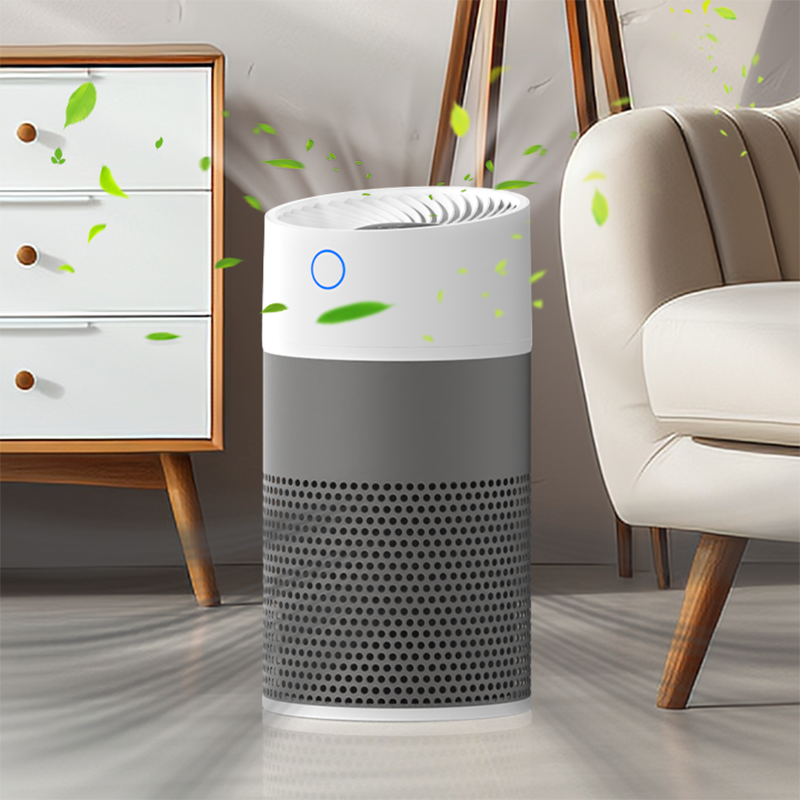
Living with multiple pets brings joy, companionship, and a unique set of indoor air quality challenges that most standard air purifiers are simply not equipped to handle. Dander particles, pet hair, persistent odors, and allergens from several animals can accumulate rapidly, turning a comfortable home into an environment that aggravates allergies, irritates airways, and leaves a noticeable smell even after routine cleaning. For households with two, three, or more animals, the concentration of these airborne pollutants is compounded with every additional pet, making it essential to use a device specifically engineered to address these overlapping sources of contamination. A dedicated pet air purifier is not just a comfort upgrade — it is a functional necessity for sustaining genuinely clean air in busy, multi-pet environments.
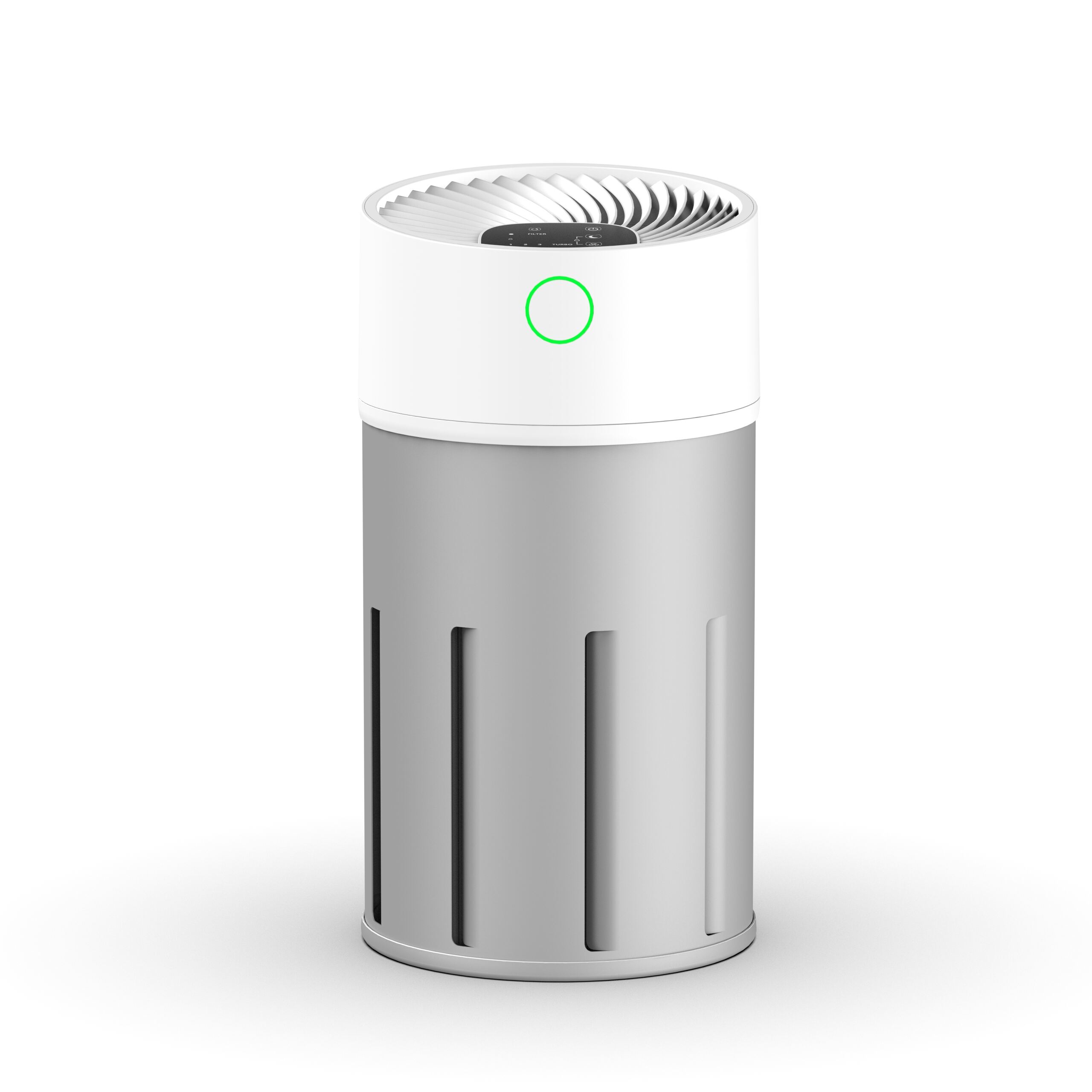
Understanding how a pet air purifier works in a multi-pet context requires looking beyond simple filtration claims. The interaction between multiple animals — each shedding different amounts of fur, producing different dander types, and contributing different biological compounds — creates a complex airborne mixture that demands a layered, high-capacity purification approach. This article examines the specific mechanisms through which a pet air purifier improves air quality in these demanding environments, helping pet owners make informed decisions about air quality management in their homes.
The Unique Air Quality Challenges of Multi-Pet Households
Compound Pollutant Load from Multiple Animals
In a single-pet home, the volume of dander, fur, and odor compounds generated by one animal is manageable with basic ventilation or a general-purpose air cleaner. However, in a multi-pet household, the pollutant load multiplies in ways that are not always linear. Different species shed different sizes and types of dander particles — cat dander tends to be extremely fine and buoyant, while dog dander is often slightly larger but produced in higher volumes. When both are present simultaneously, the particle size distribution in the air becomes highly diverse, requiring a pet air purifier capable of capturing a wide range of particle dimensions effectively.
The airborne concentration of pet-related allergens in multi-pet homes can remain elevated for hours even after the animals have left the room. Particles as small as 0.3 microns — which include the primary allergenic proteins from cat and dog dander — can stay suspended in still air for extended periods. This persistence means that air purification must be continuous and powerful, not just reactive. A pet air purifier designed for high-load environments incorporates filtration stages capable of addressing this broad particle spectrum without losing efficiency over time.
Odor Complexity and Volatile Compound Accumulation
Pet odors are not simply a matter of cleanliness — they are the result of volatile organic compounds (VOCs), ammonia from waste, biological secretions, and microbial activity on shed fur and skin cells. In a multi-pet household, these odor sources are continuous and overlapping. The smell from a litter box compounds with the musk from a dog's coat and the biological compounds from a bird or small mammal, creating an odor profile that is far more persistent and chemically complex than any single animal produces alone.
Standard HEPA filters capture particulate matter effectively but have no mechanism for neutralizing gaseous compounds or VOCs. This is a critical limitation in multi-pet environments where odor management is as important as particle removal. A pet air purifier built for this context typically integrates activated carbon filtration alongside particulate filtration, providing a chemical absorption layer that traps odor molecules and reduces VOC concentrations in the air. The depth and quality of the activated carbon layer directly determines how well a pet air purifier performs in households with multiple odor sources operating simultaneously.
How a Pet Air Purifier Operates to Combat Multi-Pet Pollutants
Multi-Stage Filtration Architecture
The core operational strength of a pet air purifier in a multi-pet setting lies in its multi-stage filtration design. The first stage typically involves a pre-filter that captures large particles such as visible pet hair, large debris, and fur clumps before they reach and clog the finer filtration layers. This pre-filtration stage is particularly important in homes with multiple long-haired animals, where the volume of shed fur can significantly shorten the lifespan of downstream filter components if not intercepted early.
Following the pre-filter, a true HEPA filter at the H13 or H14 grade captures the fine dander particles, pollen, dust mite fragments, and other microscopic allergens that define the chronic air quality problem in multi-pet homes. A certified pet air purifier at this grade captures 99.97% or more of particles at the 0.3-micron benchmark, ensuring that the smallest and most allergenic dander particles are reliably removed from circulating air. When combined with the activated carbon stage for odor and gas absorption, this multi-stage approach addresses the full spectrum of pollutants that multiple animals introduce into an enclosed space.
Air Change Rate and Coverage Capacity
In multi-pet households, the air change rate — often expressed as air changes per hour (ACH) — is a critical performance parameter for a pet air purifier. With higher pollutant loads being continuously generated by multiple animals, the unit must cycle and filter room air more frequently to prevent concentration buildup. A pet air purifier with a high Clean Air Delivery Rate (CADR) specific to smoke, dust, and pollen provides a measurable benchmark for comparing whether a unit can keep pace with the pollution volume produced in a given room size.
For multi-pet households, selecting a pet air purifier rated for a room size larger than the actual space — or deploying multiple units in different areas — is often the most effective strategy. High-traffic pet zones such as sleeping areas, living rooms, and feeding areas accumulate pollutants faster than infrequently used spaces, and positioning a pet air purifier in these zones maximizes its impact on the air quality that occupants actually breathe throughout the day. Continuous operation on a moderate fan speed tends to outperform intermittent high-speed operation for sustained air quality improvement.
Allergen Reduction and Health Benefits for Household Members
Managing Pet Allergens for Sensitive Individuals
One of the most practically significant ways a pet air purifier enhances air quality in multi-pet households is through consistent allergen reduction. Pet allergens — particularly Fel d 1 from cats and Can f 1 from dogs — are recognized as major triggers for allergic rhinitis, asthma exacerbations, and chronic respiratory irritation. In a household with multiple pets, the concentration of these proteins in the air can remain at clinically relevant levels indefinitely without active air filtration, even with regular vacuuming and grooming routines that reduce surface accumulation.
A well-positioned pet air purifier running continuously can meaningfully reduce the airborne concentration of these allergens, providing measurable relief for sensitive household members. This benefit extends beyond allergy sufferers — children, elderly individuals, and anyone with respiratory sensitivities can experience improved breathing comfort, better sleep quality, and reduced morning congestion when a pet air purifier maintains lower allergen levels throughout the home. The impact is cumulative and most pronounced when the unit operates consistently rather than only during symptomatic episodes.
Reducing Airborne Microbial and Biological Contaminants
Multiple pets also increase the introduction of bacteria, mold spores, and other biological contaminants into the home environment. Animals that spend time outdoors bring in pollen, soil microbes, and fungal spores on their coats, which then become airborne through normal movement and grooming. In a multi-pet household, this biological input happens more frequently and from more sources, creating a continuous stream of outdoor-origin particles entering the indoor air supply.
A pet air purifier with a high-efficiency HEPA stage captures the majority of these biological particles, reducing their concentration in the breathing zone. Some pet air purifier models also incorporate UV-C or photocatalytic stages designed to inactivate biological contaminants after capture, adding an extra layer of protection in environments with high biological loads. While particulate capture remains the primary mechanism, the supplementary antimicrobial features available in advanced pet air purifier models can provide additional value in multi-pet homes where biological contamination is a persistent concern.
Practical Placement and Usage Strategies for Multi-Pet Homes
Strategic Positioning for Maximum Effectiveness
The physical placement of a pet air purifier within the home has a direct impact on its performance in a multi-pet environment. Units placed in rooms where pets spend the majority of their time — particularly bedrooms, living areas, and any designated pet zones — will process the highest concentration of pet-related pollutants and deliver the greatest benefit. Positioning the unit away from walls and corners, with clear airflow access on all sides, allows the device to draw in and circulate room air most efficiently.
In multi-story homes with multiple pets, running a pet air purifier on each occupied floor rather than relying on a single large unit provides more consistent air quality across the entire living space. Air purifiers do not effectively move cleaned air between rooms or floors — they create cleaner air zones within the spaces where they operate. Understanding this limitation helps households distribute their purification capacity more intelligently, matching unit placement to actual pet activity patterns rather than simply to room size on paper.
Filter Maintenance in High-Load Multi-Pet Environments
Filter maintenance frequency is significantly higher in multi-pet households than in single-pet or pet-free environments, and this is an important operational consideration when selecting and managing a pet air purifier. Pre-filters that capture pet hair and large debris may need monthly cleaning or replacement in homes with several animals, while HEPA filters in high-load environments often reach their effective capacity faster than the manufacturer's standard replacement cycle suggests.
Neglecting filter replacement in a pet air purifier does not just reduce performance — it can eventually reverse the unit's effectiveness by allowing captured particles and odor compounds to re-enter the airstream through a saturated filter. Multi-pet households should establish a proactive maintenance schedule, inspect pre-filters regularly, and monitor the unit's filter replacement indicators if available. Choosing a pet air purifier with easily accessible, widely available replacement filters reduces the friction of maintaining this schedule over the long term.
Selecting the Right Pet Air Purifier for a Multi-Pet Home
Key Performance Specifications to Evaluate
When choosing a pet air purifier for a multi-pet household, the specifications that matter most are CADR rating, filter grade, activated carbon quantity, and coverage area. The CADR should comfortably exceed the actual room volume calculations, particularly for spaces where multiple animals congregate. A pet air purifier with a higher CADR provides a safety margin that accounts for the above-average pollutant generation rates in multi-pet environments.
Filter grade matters significantly — not all HEPA filters are certified to the same standard, and in a multi-pet household, the difference between H11 and H13 grade filtration has a tangible impact on the finest dander particles that drive allergic reactions. The activated carbon layer should be a substantial, granular-form component rather than a thin coated mesh, as the latter offers minimal VOC and odor absorption capacity. A pet air purifier that balances all these specifications in a reliable, well-engineered design will deliver consistently better results than units that optimize for one metric at the expense of others.
Noise Level and Operational Comfort
In a multi-pet home, the pet air purifier must operate continuously for maximum effectiveness — and this makes noise level a real-world consideration that often receives insufficient attention in technical comparisons. A unit that runs quietly at moderate fan speeds encourages continuous use, whereas a loud device is frequently switched off or reduced to an ineffective low setting. For bedrooms shared with pets, this is particularly important, as uninterrupted overnight operation provides the longest continuous clean-air period in the household's daily cycle.
Most quality pet air purifier models include a sleep or quiet mode that reduces fan speed and noise output while maintaining meaningful filtration. For multi-pet households where the purifier needs to run around the clock across multiple locations, selecting models with efficient, low-noise motor designs reduces both acoustic disruption and energy consumption over the long operational periods these environments demand.
FAQ
How many pet air purifiers does a multi-pet household need?
The number of pet air purifiers needed depends on the size of the home and the distribution of pet activity across rooms. As a general principle, one unit per primary living area where pets spend significant time is the most effective approach. Open-plan spaces may be served by a single high-CADR unit, while households with separate bedrooms, a dedicated pet room, or multiple floors typically benefit from deploying a pet air purifier in each zone to ensure consistent air quality throughout the home.
Can a pet air purifier fully eliminate pet odors in a multi-pet home?
A pet air purifier with a substantial activated carbon filter stage can significantly reduce airborne pet odors and VOC concentrations, making the indoor environment noticeably fresher. However, a pet air purifier addresses airborne odor molecules and cannot remove odors that have already absorbed into fabrics, carpets, or walls. For best results, air purification should be combined with regular cleaning, washing of pet bedding, and good ventilation practices to address both surface-absorbed and airborne odor sources comprehensively.
How often should filters be replaced in a multi-pet household?
In a multi-pet household, filter replacement should happen more frequently than the standard manufacturer guidelines recommend, since those timelines are typically based on average or low-pollution environments. Pre-filters may need cleaning or replacement every two to four weeks, while HEPA and carbon filters often reach saturation within three to six months in high-load multi-pet settings. Monitoring the unit's performance — reduced airflow, returning odors, or visible filter discoloration — provides practical signals that a pet air purifier filter needs attention regardless of elapsed time.
Does a pet air purifier also help with pollen brought in by outdoor pets?
Yes, a pet air purifier is effective at capturing pollen particles that outdoor pets carry into the home on their coats. Pollen particles are generally larger than fine dander and are well within the capture range of a true HEPA filter. In multi-pet households where some animals have outdoor access, this cross-contamination of indoor air with seasonal outdoor allergens is a real and recurring issue that a properly functioning pet air purifier can meaningfully address as part of its routine operation.
Table of Contents
- The Unique Air Quality Challenges of Multi-Pet Households
- How a Pet Air Purifier Operates to Combat Multi-Pet Pollutants
- Allergen Reduction and Health Benefits for Household Members
- Practical Placement and Usage Strategies for Multi-Pet Homes
- Selecting the Right Pet Air Purifier for a Multi-Pet Home
- FAQ