
 EN
EN
 AR
AR
 NL
NL
 FR
FR
 DE
DE EL
EL
 HI
HI
 IT
IT JA
JA
 KO
KO
 PL
PL PT
PT ES
ES
 ID
ID
 VI
VI
 TH
TH
 TR
TR
 MS
MS

Πώς αφαιρεί ένας αεροκαθαριστήρας για κατοικίδια τα τρίχωμα κατοικιδίων και τις εσωτερικές οσμές;
Η κατοχή κατοικιδίων προσφέρει αμύθητη χαρά και συντροφικότητα, αλλά εισάγει επίσης μοναδικές προκλήσεις για τη διατήρηση καθαρής ποιότητας εσωτερικού αέρα. Η λεπτή σκόνη από κατοικίδια, τα τρίχωμα και οι επίμονες οσμές μπορούν σημαντικά να επηρεάσουν την άνεση και την υγεία του περιβάλλοντος διαβίωσής σας. Ένας καθαριστής αέρα για ζώα αποτελεί μια απαραίτητη λύση για ιδιοκτήτες κατοικιδίων που επιζητούν αποτελεσματική αντιμετώπιση αυτών των αερομεταφερόμενων ρύπων. Αυτές οι ειδικές συσκευές χρησιμοποιούν προηγμένες τεχνολογίες φιλτραρίσματος για να αιχμαλωτίζουν μικροσκοπικά σωματίδια και να εξουδετερώνουν δυσάρεστες οσμές, δημιουργώντας ένα πιο φρέσκο και υγιές περιβάλλον στο σπίτι, τόσο για τα κατοικίδια όσο και για τις οικογένειές τους.
Κατανόηση των προκλήσεων ποιότητας αέρα σχετικά με τα κατοικίδια
Συνηθισμένοι αερομεταφερόμενοι ρύποι από κατοικίδια
Τα τρίχωμα των κατοικιδίων αποτελεί ένα από τα πιο ορατά προβλήματα ποιότητας εσωτερικού αέρα για τους ιδιοκτήτες ζώων. Ενώ οι μεγαλύτερες τρίχες μπορεί να κατακάθονται σε έπιπλα και δάπεδα, τα λεπτότερα σωματίδια αναδύονται στον αέρα και κυκλοφορούν σε όλους τους χώρους διαβίωσης. Αυτά τα μικροσκοπικά κομμάτια τριχώματος μπορούν να προκαλέσουν αναπνευστικές ευαισθησίες και να δημιουργήσουν συνεχή πρόκληση συντήρησης. Επιπλέον, η λεπτή λεπίδα δέρματος (dander) αποτελείται από μικροσκοπικά νιφάδια δέρματος που τα κατοικίδια αποβάλλουν φυσιολογικά, τα οποία είναι σημαντικά μικρότερα από τα σωματίδια τριχώματος και παραμένουν αιωρούμενα στον αέρα για μεγάλο χρονικό διάστημα.
Οι οσμές των κατοικίδιων προέρχονται από διάφορες πηγές, συμπεριλαμβανομένων των λεκανών με γάτεια άμμο, του υγρού τριχώματος, των φυσικών ελαίων των κατοικίδιων και των περιστασιακών ατυχημάτων. Αυτές οι οσμηρές ενώσεις μπορούν να διεισδύσουν σε υφάσματα, χαλάκια και άλλα πορώδη υλικά, δημιουργώντας επίμονες οσμές που οι παραδοσιακές μέθοδοι καθαρισμού δυσκολεύεται να εξαλείψουν. Ο συνδυασμός αυτών των ρύπων δημιουργεί μια περίπλοκη πρόκληση για την ποιότητα του αέρα, η οποία απαιτεί εξειδικευμένες μεθόδους φιλτραρίσματος για να αντιμετωπιστεί αποτελεσματικά.
Επιπτώσεις στην υγεία από τα αλλεργιογόνα των κατοικίδιων
Τα αλλεργιογόνα των κατοικίδιων επηρεάζουν εκατομμύρια νοικοκυριά παγκοσμίως, με την καταβολή (dander) να είναι ο κύριος παράγοντας που προκαλεί αλλεργικές αντιδράσεις. Αυτά τα μικροσκοπικά σωματίδια μπορούν να προκαλέσουν συμπτώματα που κυμαίνονται από ήπια ερεθισμό έως σοβαρή αναπνευστική δυσχέρεια σε ευαίσθητα άτομα. Ακόμη και τα νοικοκυριά χωρίς αλλεργικά άτομα επωφελούνται από τη μείωση των επιπέδων αλλεργιογόνων των κατοικίδιων, καθώς ο καθαρότερος αέρας συμβάλλει στη γενικότερη ευεξία και άνεση.
Το μέγεθος των σωματιδίων αλλεργιογόνων κατοικίδιων ζώων τα καθιστά ιδιαίτερα προβληματικά για την ποιότητα του εσωτερικού αέρα. Τα περισσότερα σωματίδια λεπίδων κατοικίδιων ζώων έχουν μέγεθος μεταξύ 2,5 και 10 μικρομέτρων, γεγονός που τους επιτρέπει να παραμένουν αιωρούμενα στον αέρα για ώρες πριν κατακαθίσουν. Κατά τη διάρκεια αυτής της περιόδου, μπορούν να εισπνευστούν βαθιά στο αναπνευστικό σύστημα, όπου μπορεί να προκαλέσουν ερεθισμό ή αλλεργικές αντιδράσεις σε ευπαθείς ατόμους. 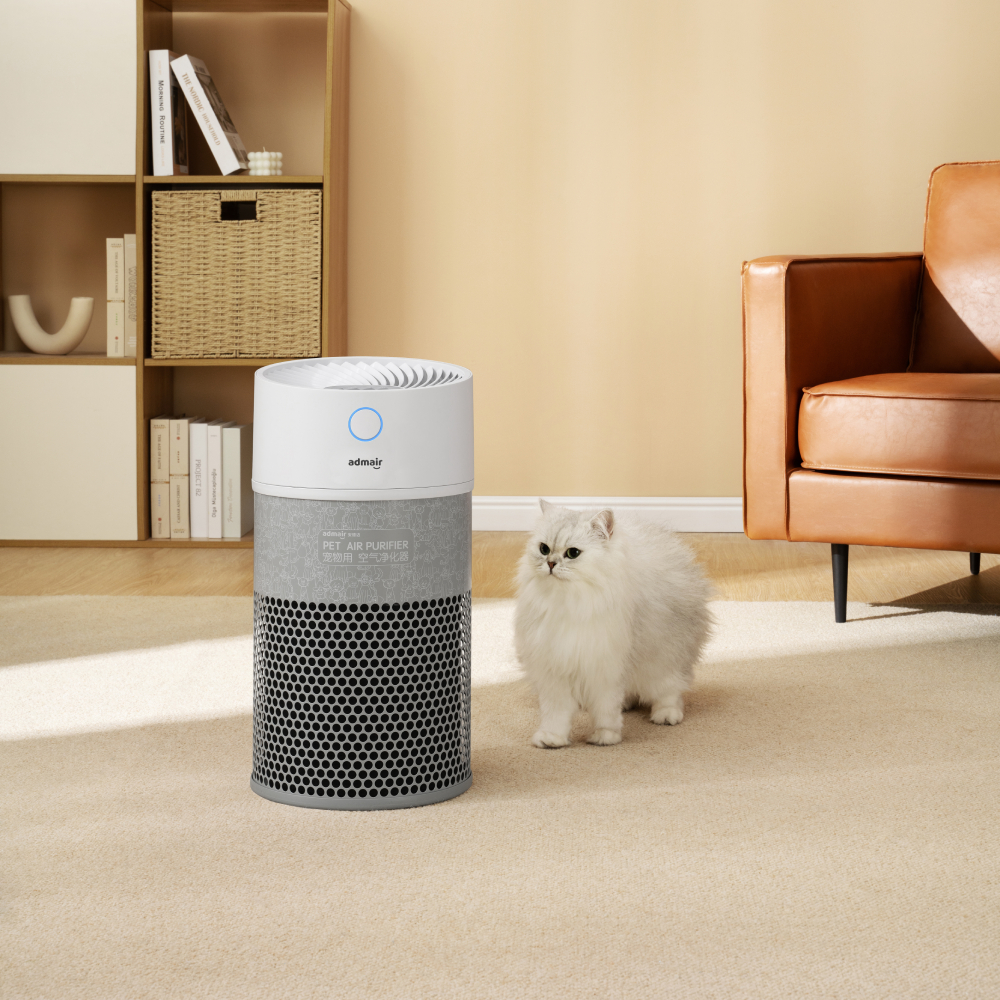
Πώς λειτουργούν οι αεροκαθαριστές για κατοικίδια
Συστήματα Πολυσταδιακής Φιλτράρεσης
Οι σύγχρονοι αεροκαθαριστές για κατοικίδια χρησιμοποιούν πολλαπλά στάδια φιλτραρίσματος για να αντιμετωπίζουν αποτελεσματικά διαφορετικούς τύπους αερίου ρύπανσης. Το πρώτο στάδιο περιλαμβάνει συνήθως ένα προ-φίλτρο που συλλαμβάνει μεγαλύτερα σωματίδια, όπως τα ορατά τρίχωμα και σωματίδια από κατοικίδια. Αυτό το αρχικό φιλτράρισμα προστατεύει τα επόμενα στάδια φίλτρων από πρόωρη φραγή και επεκτείνει τη συνολική διάρκεια ζωής του συστήματος.
Τα φίλτρα υψηλής απόδοσης για σωματίδια (HEPA) αποτελούν τον πυρήνα των περισσότερων αποτελεσματικών συστημάτων εκκαθάρισης αέρα για κατοικίδια. Αυτά τα φίλτρα μπορούν να αποτρέψουν σωματίδια μέχρι και 0,3 μικρομέτρων με απόδοση 99,97%, κάνοντάς τα εξαιρετικά αποτελεσματικά κατά της λεπτής σκόνης από κατοικίδια, των λεπτών σωματιδίων τριχών και άλλων μικροσκοπικών αλλεργιογόνων. Η πυκνή δομή ινών των φίλτρων HEPA δημιουργεί ένα λαβύρινθο παρόμοιο μονοπάτι που εγκλωβίζει τα σωματίδια μέσω πολλαπλών μηχανισμών, συμπεριλαμβανομένης της πρόσκρουσης, της παρεμπόδισης και της διάχυσης.
Τεχνολογία ενεργού άνθρακα
Η εξάλειψη των οσμών απαιτεί εξειδικευμένη τεχνολογία φιλτραρίσματος πέρα από την απομάκρυνση σωματιδίων. Τα φίλτρα ενεργού άνθρακα ξεχωρίζουν στην προσρόφηση οσμηρών ενώσεων και πτητικών οργανικών ενώσεων που σχετίζονται συχνά με την κατοχή κατοικιδίων. Η πορώδης δομή του ενεργού άνθρακα παρέχει τεράστια επιφάνεια για χημική προσρόφηση, εξουδετερώνοντας αποτελεσματικά τις οσμές των κατοικιδίων σε μοριακό επίπεδο.
Τα προηγμένα μοντέλα αερικών καθαριστών για κατοικίδια περιλαμβάνουν ενισχυμένες μορφοποιήσεις άνθρακα που σχεδιάστηκαν ειδικά για τις δυσοσμίες που σχετίζονται με κατοικίδια. Αυτά τα ειδικά φίλτρα άνθρακα μπορεί να περιλαμβάνουν επιπλέον χημικές επεξεργασίες ή καταλύτες που βελτιώνουν την απόδοση εξουδετέρωσης δυσοσμιών όπως η αμμωνία, οργανικές ενώσεις και άλλες δύσκολες οσμές που σχετίζονται με κατοικίδια.
Βασικές τεχνολογίες για την αφαίρεση τριχών κατοικιδίων
Ηλεκτροστατική κατάθλιψη
Ορισμένα μοντέλα αερικών καθαριστών για κατοικίδια χρησιμοποιούν τεχνολογία ηλεκτροστατικής καθίζησης για να αυξήσουν την αποδοτικότητα συλλογής σωματιδίων. Αυτή η διαδικασία περιλαμβάνει την ηλεκτρική φόρτιση των αιωρούμενων σωματιδίων, κάνοντάς τα να έλκονται από πλάκες συλλογής με αντίθετη φόρτιση μέσα στο σύστημα καθαρισμού. Η ηλεκτροστατική τεχνολογία αποδεικνύεται ιδιαίτερα αποτελεσματική στη σύλληψη τριχών και λεπιδωτών ουσιών κατοικιδίων που διαφορετικά θα μπορούσαν να διαπεράσουν συμβατικά φίλτρα.
Η διαδικασία ηλεκτρικής φόρτισης επηρεάζει σωματίδια διαφόρων μεγεθών, συμπεριλαμβανομένων λεπτών κομματιών τριχών κατοικιδίων που ίσως χάνει ο παραδοσιακός μηχανικός καθαρισμός. Η τεχνολογία αυτή δημιουργεί έναν επιπλέον μηχανισμό σύλληψης που συμπληρώνει τον καθαρισμό με φίλτρα HEPA, με αποτέλεσμα βελτιωμένη συνολική απόδοση αφαίρεσης σωματιδίων που σχετίζονται με κατοικίδια.
Βελτιστοποίηση Κυκλοφορίας Αέρα
Η αποτελεσματική αφαίρεση τριχών κατοικιδίων εξαρτάται όχι μόνο από την τεχνολογία φιλτραρίσματος, αλλά και από τα κατάλληλα μοτίβα κυκλοφορίας του αέρα μέσα στους χώρους διαβίωσης. Τα ποιοτικά συστήματα αερισμού για κατοικίδια διαθέτουν στρατηγικά σχεδιασμένες διαμορφώσεις εισαγωγής και εξαγωγής που μεγιστοποιούν την κίνηση του αέρα και τη σύλληψη σωματιδίων σε όλο το δωμάτιο. Η κατάλληλη κυκλοφορία του αέρα διασφαλίζει ότι τα σωματίδια τριχών και λεπτών κομματιών από κατοικίδια θα ελκύονται προς το σύστημα φιλτραρίσματος αντί να κατακάθονται σε επιφάνειες.
Οι ρυθμιζόμενες ταχύτητες ανεμιστήρα επιτρέπουν στους χρήστες να ρυθμίζουν την κυκλοφορία του αέρα βάσει του τρέχοντος επιπέδου δραστηριότητας των κατοικιδίων και των αναγκών ποιότητας αέρα. Υψηλότερες ταχύτητες ανεμιστήρα κατά τη διάρκεια αυξημένης δραστηριότητας των κατοικιδίων βοηθούν στη συλλογή περισσότερων σωματιδίων πριν αυτά διασπαρούν σε όλο το σπίτι, ενώ χαμηλότερες ταχύτητες διασφαλίζουν συνεχή καθαρισμό του αέρα κατά τις ήσυχες περιόδους.
Μηχανισμοί ουδετεροποίησης οσμών
Διεργασίες χημικής προσρόφησης
Η εξάλειψη οσμών κατοικιδίων περιλαμβάνει πολύπλοκες χημικές αλληλεπιδράσεις μεταξύ οσμώδων μορίων και των φίλτρων. Ο ενεργοποιημένος άνθρακας επιτυγχάνει την απομάκρυνση οσμών μέσω προσρόφησης, μια διαδικασία κατά την οποία οι οσμώδεις ενώσεις προσκολλώνται στην επιφάνεια του άνθρακα μέσω δυνάμεων μοριακής έλξης. Αυτός ο φυσικός δεσμός απομακρύνει αποτελεσματικά τα μόρια οσμής από τη ροή του αέρα, αποτρέποντας την άφιξή τους στο οσφρητικό σύστημα των χρηστών.
Διαφορετικοί τύποι οσμών κατοικιδίων απαιτούν διαφορετικές προσεγγίσεις προσρόφησης. Οι οσμές βασισμένες στην αμμωνία από τις λεκάνες αποχέτευσης αντιδρούν καλά σε άνθρακα που έχει επεξεργαστεί με συγκεκριμένες χημικές ενώσεις, ενώ οι οργανικές οσμές από το τρίχωμα και τα έλαια των κατοικιδίων μπορεί να απαιτούν διαφορετικές συνθέσεις άνθρακα. Τα προηγμένα συστήματα φίλτρων αέρα για κατοικίδια περιλαμβάνουν πολλαπλούς τύπους άνθρακα ή ειδικά επεξεργασμένα υλικά άνθρακα για να αντιμετωπίζουν ολόκληρο το φάσμα των οσμών που σχετίζονται με τα κατοικίδια.
Φωτοκαταλυτική Οξείδωση
Ορισμένα premium μοντέλα φίλτρων αέρα για κατοικίδια περιλαμβάνουν τεχνολογία φωτοκαταλυτικής οξείδωσης για ενισχυμένη καταστροφή οσμών. Αυτή η διαδικασία χρησιμοποιεί υπεριώδη φως για να ενεργοποιήσει καταλύτες διοξειδίου του τιτανίου, δημιουργώντας ισχυρούς οξειδωτικούς παράγοντες που διασπούν τις οσμηρές ενώσεις σε μοριακό επίπεδο. Σε αντίθεση με την απλή προσρόφηση, η φωτοκαταλυτική οξείδωση καταστρέφει πραγματικά τα μόρια της οσμής αντί να τα απλώς πιάνει.
Η φωτοκαταλυτική τεχνολογία αποδεικνύεται ιδιαίτερα αποτελεσματική κατά των επίμονων οργανικών οσμών που μπορεί να υπερβαίνουν την παραδοσιακή φιλτραρισμό με ενεργό άνθρακα. Αυτή η προηγμένη διαδικασία οξείδωσης μπορεί να αφουδιάζει σύνθετες ενώσεις οσμών, παράγοντας αβλαβή υποπροϊόντα όπως υδρατμούς και διοξείδιο του άνθρακα, καθιστώντας την ασφαλή για συνεχή λειτουργία σε χώρους με παρουσία ανθρώπων.
Παράγοντες τοποθέτησης και διαστασιολόγησης
Υπολογισμοί Μεγέθους Δωματίου
Η κατάλληλη διαστασιολόγηση ενός αεροκαθαριστήρα για κατοικίδια απαιτεί προσεκτική εξέταση των διαστάσεων του δωματίου, του ύψους της οροφής και των απαιτήσεων αλλαγής αέρα. Οι κατασκευαστές συνήθως καθορίζουν την επιφάνεια κάλυψης βάσει τυπικού ύψους οροφής και κανονικών συνθηκών ποιότητας αέρα, ωστόσο η κατοχή κατοικιδίων μπορεί να απαιτεί αυξημένη ικανότητα επεξεργασίας αέρα. Οι ιδιοκτήτες κατοικιδίων θα πρέπει να εξετάσουν την επιλογή συσκευών που είναι κατάλληλες για χώρους 20-50% μεγαλύτερους από τον πραγματικό χώρο τους, προκειμένου να διασφαλιστεί ικανοποιητική απόδοση καθαρισμού του αέρα.
Οι ταχύτητες αλλαγής αέρα υποδεικνύουν πόσες φορές την ώρα ο καθαριστής επεξεργάζεται ολόκληρο τον όγκο αέρα του δωματίου. Για σπίτια με κατοικίδια, η επίτευξη 4-6 αλλαγών αέρα την ώρα παρέχει βέλτιστη απόδοση αφαίρεσης σωματιδίων και οσμών. Αυτός ο υψηλότερος ρυθμός αλλαγής αέρα εξασφαλίζει ότι τα τρίχωμα, η λεπίδα και οι οσμές των κατοικιδίων απομακρύνονται γρήγορα πριν συσσωρευτούν ή διασπαρούν σε όλον τον χώρο.
Στρατηγική θέση
Η τοποθέτηση του αεροκαθαριστή για κατοικίδια επηρεάζει σημαντικά την αποτελεσματικότητα καθαρισμού και την ενεργειακή απόδοση. Η τοποθέτηση της συσκευής σε περιοχές όπου τα κατοικίδια περνούν τον περισσότερο χρόνο μεγιστοποιεί την απομάκρυνση ρύπων από την πηγή. Συνηθισμένες περιοχές με υψηλή κίνηση κατοικιδίων περιλαμβάνουν χώρους ύπνου, περιοχές τροφοδοσίας και αγαπημένα σημεία ξεκούρασης, όπου τα κατοικίδια χάνουν τρίχες και λεπίδα πιο ενεργά.
Η κατάλληλη απόσταση γύρω από τον αεροκαθαριστήρα για κατοικίδια εξασφαλίζει απερίσπαστη ροή αέρα και βέλτιστη απόδοση. Η διατήρηση απόστασης τουλάχιστον 45 εκατοστών σε όλες τις πλευρές αποτρέπει περιορισμούς στην κυκλοφορία του αέρα, οι οποίοι θα μπορούσαν να μειώσουν την αποτελεσματικότητα φιλτραρίσματος. Αποφύγετε την τοποθέτηση κοντά σε τοίχους, έπιπλα ή κουρτίνες που μπορεί να εμποδίζουν την εισαγωγή ή την εξαγωγή αέρα, ώστε να διατηρείται σταθερή η επεξεργασία του αέρα σε όλο το δωμάτιο.
Συντήρηση και αντικατάσταση φίλτρων
Συντήρηση προφίλτρου
Η τακτική καθαρισμός του προφίλτρου προσθέτει χρόνο ζωής στα πιο ακριβά φίλτρα HEPA και άνθρακα, διατηρώντας τη βέλτιστη απόδοση του αεροκαθαριστήρα για κατοικίδια. Τα προφίλτρα συνήθως απορροφούν τα μεγαλύτερα τρίχωμα κατοικιδίων και σωματίδια που διαφορετικά θα φράζανε τα λεπτότερα στάδια φιλτραρίσματος. Τα περισσότερα προφίλτρα μπορούν να καθαριστούν με αναρρόφηση ή πλύσιμο μία φορά το μήνα, ανάλογα με το βαθμό απώλειας τριχώματος από τα κατοικίδια και τις συστάσεις του κατασκευαστή.
Η οπτική επιθεώρηση των προφίλτρων παρέχει πληροφορίες σχετικά με τις γενικές συνθήκες ποιότητας του αέρα και τα μοτίβα δραστηριότητας των κατοικιδίων. Η έντονη συσσώρευση τριχών κατοικιδίων στα προφίλτρα μπορεί να υποδεικνύει την ανάγκη για συχνότερη συντήρηση ή τη λήψη επιπλέον μέτρων για την περιποίηση των κατοικιδίων, ώστε να μειωθεί η παραγωγή τριχών στον αέρα.
Αντικατάσταση φίλτρων HEPA και άνθρακα
Τα διαστήματα αντικατάστασης των φίλτρων HEPA ποικίλλουν ανάλογα με τις συνθήκες ποιότητας του αέρα, τα επίπεδα απώλειας τριχώματος από τα κατοικίδια και τα μοτίβα χρήσης. Τα περισσότερα φίλτρα HEPA για αεροκαθαριστές κατοικιδίων χρειάζονται αντικατάσταση κάθε 6-12 μήνες υπό κανονικές συνθήκες, αλλά σε νοικοκυριά με πολλά κατοικίδια ή κατοικίδια που χάνουν πολλές τρίχες ενδέχεται να απαιτείται συχνότερη αντικατάσταση. Η παρακολούθηση των δεικτών ποιότητας του αέρα και της κατάστασης του φίλτρου βοηθά στον προσδιορισμό της βέλτιστης στιγμής για αντικατάσταση.
Η αποτελεσματικότητα του φίλτρου άνθρακα μειώνεται καθώς οι θέσεις πρόσδεσης κορεσμένων με μόρια οσμής. Σε αντίθεση με τα φίλτρα HEPA που εμφανίζουν ορατή συσσώρευση βρωμιάς, ο κορεσμός του φίλτρου άνθρακα δεν είναι πάντα εμφανής με οπτική επιθεώρηση. Η ακολούθηση των προγραμμάτων αντικατάστασης του κατασκευαστή εξασφαλίζει συνεπή απόδοση αφαίρεσης οσμών και αποτρέπει τη διάσπαση των οσμών των κατοικιδίων.
Επιπλέον οφέλη πέραν του ελέγχου των τριχών και των οσμών
Μείωση αλλεργιογόνων
Τα συστήματα αεροκαθαρτών για κατοικίδια παρέχουν εκτεταμένη μείωση αλλεργιογόνων που υπερβαίνει τους ειδικούς ρύπους από κατοικίδια. Αυτές οι μονάδες αποτελεσματικά απορροφούν τη γύρη, τα ακάρεα της σκόνης και άλλα περιβαλλοντικά αλλεργιογόνα που μπορεί να επηρεάζουν τόσο τα κατοικίδια όσο και τους ιδιοκτήτες τους. Η αυτή η ευρείας κλίμακας αφαίρεση αλλεργιογόνων δημιουργεί ένα υγιέστερο εσωτερικό περιβάλλον που ευεργετεί όλους τους ενοίκους, ιδιαίτερα εκείνους με αναπνευστικές ευαισθησίες.
Μειωμένα επίπεδα αλλεργιογόνων μπορούν να οδηγήσουν σε βελτιωμένη ποιότητα ύπνου, μειωμένη ερεθισμό των αναπνευστικών οδών και ενισχυμένη γενικότερη άνεση για τα μέλη της οικογένειας. Οι ιδιοκτήτες κατοικιδίων συχνά αναφέρουν μειωμένες ανάγκες για καθαρισμό και λιγότερα συχνά συμπτώματα αλλεργίας μετά την εφαρμογή αποτελεσματικών συστημάτων καθαρισμού αέρα στα σπίτια τους.
Βελτίωση της Γενικής Ποιότητας του Αέρα
Πέρα από τα οφέλη που σχετίζονται με τα κατοικίδια, αυτά τα συστήματα καθαρισμού αέρα βελτιώνουν τη γενικότερη ποιότητα του εσωτερικού αέρα αφαιρώντας διάφορους αέριους ρύπους. Σκόνη, σωματίδια καπνού, οσμές μαγειρικής και άλλοι οικιακοί ρύποι απομακρύνονται αποτελεσματικά μαζί με τρίχες και λεπτά υλικά από κατοικίδια. Αυτός ο ολοκληρωμένος καθαρισμός του αέρα δημιουργεί ένα φρέσκο, πιο ευχάριστο περιβάλλον διαβίωσης για όλη την οικογένεια.
Η βελτιωμένη κυκλοφορία του αέρα από τη λειτουργία του καθαριστή αέρα για κατοικίδια βοηθά στην πρόληψη ακίνητων συνθηκών αέρα που μπορούν να προκαλέσουν προβλήματα υγρασίας και συσσώρευση οσμών. Η συνεχής κίνηση και φιλτράρισμα του αέρα δημιουργεί ένα πιο δυναμικό εσωτερικό περιβάλλον που ενισχύει την καλύτερη ποιότητα του αέρα σε όλο το σπίτι.
Συχνές Ερωτήσεις
Πόσο συχνά πρέπει να χρησιμοποιώ το φίλτρο αέρα για κατοικίδια;
Τα συστήματα φιλτραρίσματος αέρα για κατοικίδια πρέπει να λειτουργούν συνεχώς για βέλτιστη αποτελεσματικότητα, καθώς τα τρίχωμα και η λεπτή σκόνη από κατοικίδια παράγονται συνεχώς καθ' όλη τη διάρκεια της ημέρας. Η συνεχής λειτουργία της συσκευής εξασφαλίζει σταθερή συλλογή σωματιδίων και έλεγχο οσμών, αποτρέποντας τη συσσώρευση ρύπων στον χώρο διαβίωσης. Οι περισσότερες σύγχρονες συσκευές έχουν σχεδιαστεί για συνεχή λειτουργία με ενεργειακά αποδοτικούς κινητήρες που ελαχιστοποιούν την κατανάλωση ηλεκτρικής ενέργειας διατηρώντας παράλληλα αποτελεσματική απόδοση καθαρισμού του αέρα.
Μπορεί ένα φίλτρο αέρα για κατοικίδια να εξαλείψει πλήρως όλες τις οσμές από κατοικίδια;
Ενώ τα συστήματα φιλτραρίσματος αέρα για κατοικίδια μειώνουν σημαντικά τις οσμές στον αέρα, η πλήρης εξάλειψή τους εξαρτάται από διάφορους παράγοντες, όπως το μέγεθος του δωματίου, οι πηγές των οσμών και η χωρητικότητα της συσκευής. Αυτές οι συσκευές είναι εξαιρετικές στη σύλληψη και εξουδετέρωση των σωματιδίων οσμής στον αέρα, αλλά ίσως να μην αντιμετωπίζουν οσμές που έχουν εγκλωβιστεί σε χαλιά, έπιπλα ή άλλες επιφάνειες. Η συνδυασμένη χρήση φιλτραρίσματος αέρα με τακτικό καθαρισμό και περιποίηση των κατοικιδίων παρέχει την πιο ολοκληρωμένη προσέγγιση διαχείρισης οσμών.
Ποιο μέγεθος φίλτρου αέρα για κατοικίδια χρειάζομαι για πολλά κατοικίδια;
Οι νοικοκυριές με πολλά κατοικίδια θα πρέπει να επιλέγουν συσκευές φιλτραρίσματος αέρα για κατοικίδια που είναι κατάλληλες για χώρους πολύ μεγαλύτερους από το πραγματικό μέγεθος του δωματίου τους, προκειμένου να ανταποκρίνονται στα αυξημένα επίπεδα ρύπανσης. Γενικά, η επιλογή μιας συσκευής που είναι κατάλληλης για 150-200% του μεγέθους του δωματίου σας παρέχει επαρκή χωρητικότητα επεξεργασίας αέρα για σπίτια με αρκετά κατοικίδια. Λάβετε υπόψη παράγοντες όπως το μέγεθος των κατοικιδίων, το επίπεδο τριχώματος και τα μοτίβα χρήσης του δωματίου κατά τον καθορισμό της κατάλληλης χωρητικότητας του φίλτρου.
Κάνουν θόρυβο οι αεροκαθαριστές για κατοικίδια που θα μπορούσε να ενοχλήσει τα κατοικίδια;
Οι περισσότερες ποιοτικές μάρκες φίλτρων αέρα για κατοικίδια λειτουργούν σε επίπεδα θορύβου που δεν ενοχλούν σημαντικά τα κατοικίδια ή τα μέλη του σπιτιού. Οι σύγχρονες συσκευές διαθέτουν λειτουργίες ήσυχης λειτουργίας και σχεδιασμούς με μείωση του ήχου, οι οποίοι ελαχιστοποιούν τον θόρυβο λειτουργίας. Πολλά κατοικίδια συνηθίζουν γρήγορα στον σταθερό ήχο λευκού θορύβου που παράγεται από τα φίλτρα αέρα, ενώ ορισμένα βρίσκουν ακόμη και ανακούφιση στον ήπιο ήχο κατά τις ώρες ανάπαυσης.