
 EN
EN
 AR
AR
 NL
NL
 FR
FR
 DE
DE EL
EL
 HI
HI
 IT
IT JA
JA
 KO
KO
 PL
PL PT
PT ES
ES
 ID
ID
 VI
VI
 TH
TH
 TR
TR
 MS
MS

Γιατί είναι σημαντικός ένας αεροκαθαριστήρας για κατοικίδια για την υγιή ποιότητα του αέρα στο σπίτι;
Η ποιότητα του εσωτερικού αέρα έχει γίνει μια κρίσιμη ανησυχία για τους ιδιοκτήτες σπιτιών, ιδιαίτερα για εκείνους που μοιράζονται τον χώρο διαβίωσής τους με αγαπημένα κατοικίδια. Ενώ τα ζώα-σύντροφοι μας φέρνουν αμύθητη χαρά και παρέα, εισάγουν επίσης μοναδικές προκλήσεις στη διατήρηση καθαρού, υγιεινού αέρα μέσα στα σπίτια μας. Η λεπτή σκόνη από τα κατοικίδια, τα τρίχωμα, οι οσμές και τα αλλεργιογόνα μπορούν σημαντικά να επηρεάσουν τον αέρα που αναπνέουμε καθημερινά, καθιστώντας απαραίτητες ειδικές λύσεις αεροκαθάρισης για τη διατήρηση βέλτιστων συνθηκών εσωτερικού περιβάλλοντος. Η κατανόηση της σημασίας της αντιμετώπισης αυτών των προβλημάτων ποιότητας αέρα που σχετίζονται με τα κατοικίδια είναι το πρώτο βήμα προς τη δημιουργία ενός υγιεινότερου περιβάλλοντος διαβίωσης για τα κατοικίδια και τις ανθρώπινες οικογένειές τους.
Η κατοχή κατοικίδιων συνεχίζει να αυξάνεται παγκοσμίως, με εκατομμύρια νοικοκυριά να υποδέχονται γάτες, σκύλους, πουλιά και άλλα ζώα στα σπίτια τους. Αυτά τα αγαπημένα μέλη της οικογένειας συμβάλλουν στη συναισθηματική μας ευημερία, αλλά παράλληλα παράγουν διάφορα αιωρούμενα σωματίδια που μπορούν να επιδεινώσουν την ποιότητα του εσωτερικού αέρα. Από τα μικροσκοπικά σωματίδια λεπιδωτής ξηρασίας μέχρι τα ορατά τρίχωμα και τις έντονες οσμές, τα κατοικίδια δημιουργούν ένα σύνθετο μείγμα ρύπων που συχνά δεν μπορούν να αντιμετωπίσουν επαρκώς τα τυπικά συστήματα εξαερισμού. Η εφαρμογή αποτελεσματικών στρατηγικών καθαρισμού του αέρα γίνεται κρίσιμη για τη διατήρηση της αναπνευστικής υγείας και της γενικότερης άνεσης σε νοικοκυριά με κατοικίδια.
Κατανόηση των προκλήσεων ποιότητας αέρα σχετικά με τα κατοικίδια
Η επιστήμη πίσω από τη λεπιδωτή ξηρασία και τα αλλεργιογόνα των κατοικιδίων
Τα λεπιά κατοικιδίων αποτελούνται από μικρά, ελαφριά σωματίδια που αποβάλλονται από το δέρμα, το τρίχωμα και τα φτερά ζώων και μπορούν να παραμένουν αιωρούμενα στον αέρα για μεγάλο χρονικό διάστημα. Αυτά τα μικροσκοπικά σωματίδια, τα οποία συνήθως έχουν διάμετρο μεταξύ 0,5 και 40 μικρομέτρων, μεταφέρουν πρωτεΐνες που προκαλούν αλλεργικές αντιδράσεις σε ευαίσθητα άτομα. Σε αντίθεση με τη γύρη ή τη σκόνη, τα σωματίδια λεπιών κατοικιδίων έχουν ακανόνιστο σχήμα και στατικό φορτίο, το οποίο τους επιτρέπει να προσκολλώνται σε επιφάνειες και να ενσωματώνονται βαθιά σε χαλιά, επενδύσεις επίπλων και ρούχα. Ένας αποτελεσματικός αεροκαθαριστής για κατοικίδια, ο οποίος έχει σχεδιαστεί ειδικά για την απομάκρυνση αυτών των σωματιδίων, μπορεί σημαντικά να μειώσει τη συγκέντρωσή τους σε εσωτερικούς χώρους.
Έρευνες δείχνουν ότι τα επίπεδα αλλεργιογόνων κατοικίδιων στα σπίτια μπορεί να είναι 100 έως 1000 φορές υψηλότερα από ό,τι σε περιβάλλοντα χωρίς ζώα. Αυτά τα αλλεργιογόνα μπορούν να παραμένουν σε εσωτερικούς χώρους για μήνες μετά την αφαίρεση των κατοικίδιων, δείχνοντας την εξαιρετική τους σταθερότητα και ιδιότητες πρόσφυσης. Τα κύρια αλλεργιογόνα που προκαλούν αντιδράσεις περιλαμβάνουν το Fel d 1 από τις γάτες, το Can f 1 από τα σκυλιά και διάφορες πρωτεΐνες από άλλα κατοικίδια. Η κατανόηση αυτών των συγκεκριμένων προκλήσεων βοηθά τους ιδιοκτήτες σπιτιών να αντιληφθούν γιατί τα συνηθισμένα συστήματα φιλτραρίσματος αέρα μπορεί να αποδειχθούν ανεπαρκή για την αποτελεσματική αντιμετώπιση ζητημάτων ποιότητας αέρα που σχετίζονται με κατοικίδια.
Τρίχες, Οσμές και Αιωρούμενα Σωματίδια
Εκτός από τη λεπτή σκόνη, τα κατοικίδια παράγουν σημαντικές ποσότητες τριχών που εξαερώνονται και κατακάθονται σε όλους τους χώρους διαβίωσης. Αυτές οι τρίχες μεταφέρουν επιπλέον αλλεργιογόνα, έλαια και ρύπους από το περιβάλλον που τα κατοικίδια μπορεί να έχουν εκτεθεί κατά τη διάρκεια βόλτας ή άλλων εξωτερικών δραστηριοτήτων. Τα μοτίβα αποφλοιώνονται διαφέρουν σημαντικά ανάλογα με το είδος και τη φυλή, με ορισμένα ζώα να παρουσιάζουν συνεχή, μέτρια απώλεια τριχώματος, ενώ άλλα βιώνουν εποχιακές κορυφές που αυξάνουν δραματικά τα επίπεδα των αιωρούμενων σωματιδίων. Η διαχείριση αυτών των μεταβαλλόμενων φορτίων σωματιδίων απαιτεί συνεκτικές στρατηγικές καθαρισμού του αέρα, πέρα από τον περιοδικό καθαρισμό.
Οι οσμές των κατοικιδίων αποτελούν ένα άλλο σημαντικό πρόβλημα ποιότητας αέρα, το οποίο δεν περιορίζεται σε απλή δυσάρεστη μυρωδιά, αλλά υποδηλώνει την παρουσία βακτηρίων, ενώσεων αμμωνίας και οργανικής ύλης στον αέρα. Αυτές οι οσμηρές ενώσεις προέρχονται συχνά από τα κουτιά απορριμμάτων, σημεία ατυχημάτων, βρεγμένο τρίχωμα και φυσικά έλαια του σώματος των κατοικιδίων, τα οποία εισέρχονται στον αέρα μέσω της κανονικής δραστηριότητας. Οι παραδοσιακοί αποσμητικοί αέρα απλώς σκεπάζουν αυτές τις οσμές χωρίς να αντιμετωπίζουν την πηγή τους, ενώ ειδικά συστήματα φιλτραρίσματος μπορούν να αφαιρούν ενεργά τις μοριακές ενώσεις που ευθύνονται για τις δυσάρεστες οσμές, δημιουργώντας πραγματικά φρέσκο περιβάλλον με καλύτερη ποιότητα αέρα. 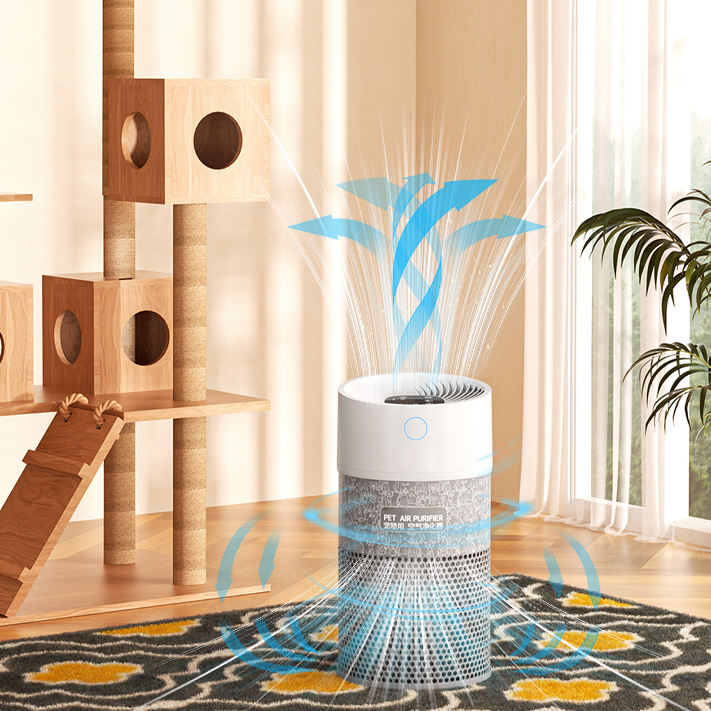
Επιπτώσεις στην υγεία από την κακή ποιότητα του εσωτερικού αέρα
Αναπνευστικές επιδράσεις και αλλεργικές αντιδράσεις
Η έκθεση σε αερομεταφερόμενους μικροοργανισμούς που σχετίζονται με κατοικίδια ζώα μπορεί να προκαλέσει διάφορα αναπνευστικά συμπτώματα, από ελαφριά ερεθίσματα μέχρι σοβαρές αλλεργικές αντιδράσεις. Συχνά συμπτώματα περιλαμβάνουν φτέρνισμα, βήχα, καταρροή, δάκρυα, και ερεθισμό στο λαιμό, τα οποία μπορούν σημαντικά να επηρεάσουν την καθημερινή άνεση και την παραγωγικότητα. Για άτομα με υπάρχουσες αναπνευστικές παθήσεις, όπως άσθμα ή χρόνια αποφρακτική πνευμονοπάθεια, οι αλλεργιογόνοι ουσίες από κατοικίδια μπορούν να επιδεινώσουν τα συμπτώματα και πιθανώς να προκαλέσουν σοβαρά προβλήματα στην αναπνοή που απαιτούν ιατρική παρέμβαση.
Η μακροχρόνια έκθεση σε κακή ποιότητα εσωτερικού αέρα μπορεί να συμβάλλει στην ανάπτυξη αναπνευστικών ευαισθησιών σε άτομα που προηγουμένως δεν επηρεάζονταν. Τα παιδιά είναι ιδιαίτερα ευάλωτα σε αυτές τις επιδράσεις λόγω του αναπτυσσόμενου ανοσοποιητικού τους συστήματος και των υψηλότερων ρυθμών αναπνοής σε σχέση με το μέγεθος του σώματός τους. Μελέτες έχουν δείξει ότι η έκθεση στην πρώιμη παιδική ηλικία σε υψηλές συγκεντρώσεις αλλεργιογόνων κατοικίδιων ζώων μπορεί να αυξήσει την πιθανότητα ανάπτυξης άσθματος και άλλων αλλεργικών παθήσεων αργότερα στη ζωή, τονίζοντας τη σημασία της προληπτικής διαχείρισης της ποιότητας του αέρα σε νοικοκυριά με κατοικίδια.
Επίδραση στην Ποιότητα του Ύπνου και τη Γενική Ευεξία
Η κακή ποιότητα του εσωτερικού αέρα μπορεί σημαντικά να διαταράξει τα μοτίβα ύπνου μέσω νυχτερινής καταρροής, βήχα και αναπνευστικής δυσφορίας. Όταν συσσωρεύονται αλλεργιογόνα και σωματίδια κατοικίδιων στα υπνοδωμάτια, μπορούν να προκαλέσουν συνεχή ερεθισμό που εμποδίζει τον αναπαυτικό ύπνο, οδηγώντας σε κατάθλιψη κατά τη διάρκεια της ημέρας, μειωμένη γνωστική λειτουργία και υποβάθμιση της ανοσοποιητικής λειτουργίας. Ο ποιοτικός ύπνος είναι απαραίτητος για τη φυσική ανάκαμψη, τη διαύγεια της σκέψης και τη συναισθηματική σταθερότητα, καθιστώντας την ποιότητα του αέρα στο υπνοδωμάτιο έναν κρίσιμο παράγοντα για τη διατήρηση της γενικής υγείας.
Δεν πρέπει να υποτιμάται η ψυχολογική επίδραση από τη ζωή με συνεχή προβλήματα ποιότητας αέρα. Χρόνια αναπνευστικά συμπτώματα, δυσάρεστες οσμές και συνεχής δυσφορία μπορούν να συμβάλουν στο στρες, τον άγχος και τη μείωση της ποιότητας ζωής. Όταν μέλη της οικογένειας βιώνουν συνεχή συμπτώματα που σχετίζονται με αλλεργιογόνα κατοικιδίων, μπορεί να δημιουργηθεί ένταση σχετικά με τις αποφάσεις για την κατοχή κατοικιδίων και τις οικογενειακές δυναμικές. Η εφαρμογή αποτελεσματικών λύσεων καθαρισμού αέρα βοηθά στη διατήρηση τόσο της φυσικής υγείας όσο και των συναισθηματικών οφελών της συντροφικότητας με κατοικίδια, χωρίς να υποχρεώνει σε δύσκολες επιλογές ανάμεσα στην υγεία και στα αγαπημένα ζώα.
Πώς οι αποκαθαριστές αέρα για κατοικίδια αντιμετωπίζουν αυτές τις προκλήσεις
Προηγμένες Τεχνολογίες Φιλτράρισματος
Τα σύγχρονα συστήματα αεριοκάθαρσης για κατοικίδια χρησιμοποιούν πολλαπλά στάδια φιλτραρίσματος που έχουν σχεδιαστεί ειδικά για να απομακρύνουν τη μεγάλη ποικιλία ρύπων που εισάγουν τα κατοικίδια στα εσωτερικά περιβάλλοντα. Τα φίλτρα υψηλής απόδοσης (HEPA) αποτελούν τον βασικό λίθο των αποτελεσματικών φίλτρων αέρα για κατοικίδια, καθώς μπορούν να αφαιρούν το 99,97% των σωματιδίων μεγέθους 0,3 μικρομέτρων ή μεγαλύτερα από τον αέρα. Αυτό το επίπεδο φιλτραρίσματος εξασφαλίζει την απομάκρυνση της λεπίδας των κατοικιδίων, των τριχών, της γύρης και άλλων αλλεργιογόνων που συμβάλλουν στην κακή ποιότητα του εσωτερικού αέρα και προκαλούν δυσκολία στην αναπνοή.
Τα συστήματα προ-φιλτραρίσματος σε αποσμητήρες αέρα υψηλής ποιότητας για κατοικίδια ζώα πιάνουν μεγαλύτερα σωματίδια, όπως τρίχες και σκόνη κατοικιδίων, πριν φτάσουν στο κύριο φίλτρο HEPA, επεκτείνοντας έτσι τη διάρκεια ζωής του φίλτρου και διατηρώντας τη βέλτιστη απόδοση. Τα φίλτρα ενεργού άνθρακα αντιμετωπίζουν τις ουσίες που προκαλούν οσμές και τις πτητικές οργανικές ενώσεις που δεν μπορούν να συλληφθούν από τα συνηθισμένα φίλτρα σωματιδίων, παρέχοντας έτσι ολοκληρωμένο καθαρισμό του αέρα που αντιμετωπίζει τόσο ορατούς όσο και αόρατους ρύπους. Ορισμένα προηγμένα συστήματα ενσωματώνουν επιπλέον τεχνολογίες, όπως απολύμανση UV-C ή φωτοκαταλυτική οξείδωση, για την εξουδετέρωση βακτηρίων, ιών και άλλων βιολογικών ρύπων που ενδέχεται να υπάρχουν σε περιβάλλοντα με κατοικίδια.
Ειδικά Χαρακτηριστικά για Ιδιοκτήτες Κατοικιδίων
Οι απορροφητήρες αέρα εξειδικευμένοι για κατοικίδια συχνά περιλαμβάνουν βελτιωμένα συστήματα κινητήρα και σχεδιασμό ανεμιστήρων που βελτιστοποιούνται για συνεχή λειτουργία σε περιβάλλοντα με υψηλή συγκέντρωση σωματιδίων. Αυτά τα συστήματα διαθέτουν συνήθως πολλαπλές ρυθμίσεις ταχύτητας, οι οποίες επιτρέπουν στους χρήστες να ρυθμίζουν την ένταση καθαρισμού ανάλογα με τις τρέχουσες συνθήκες, όπως περιόδους εκμαλάξεως, εποχιακές περιόδους απώλειας τριχώματος ή χρονικά διαστήματα κατά τα οποία τα κατοικίδια είναι ιδιαίτερα ενεργά. Λειτουργίες ήσυχης λειτουργίας διασφαλίζουν ότι ευαίσθητα κατοικίδια δεν ενοχλούνται από τον θόρυβο του ανεμιστήρα, διατηρώντας παράλληλα αποτελεσματική κυκλοφορία αέρα σε όλους τους χώρους διαβίωσης.
Πολλά φίλτρα αέρα για κατοικίδια περιλαμβάνουν έξυπνους αισθητήρες που ρυθμίζουν αυτόματα τη λειτουργία βάσει των επιπέδων σωματιδίων που εντοπίζονται, διασφαλίζοντας σταθερή ποιότητα αέρα χωρίς ανθρώπινη παρέμβαση. Αυτά τα συστήματα μπορούν να ανιχνεύσουν αυξήσεις στα αιωρούμενα σωματίδια που προκύπτουν από δραστηριότητες όπως η περιποίηση, το παιχνίδι ή η εποχιακή αλλαγή τρίχωματος των κατοικιδίων και να αντιδρούν αυξάνοντας την ένταση φιλτραρίσματος. Οι λειτουργίες χρονοδιακόπτη και τα τηλεχειριστήρια προσφέρουν ευκολία στους ιδιοκτήτες κατοικιδίων που επιθυμούν να προγραμματίσουν τη λειτουργία για συγκεκριμένες ώρες ή να ρυθμίσουν τις παραμέτρους χωρίς να ενοχλήσουν τα κατοικίδια που ξεκουράζονται.
Επιλογή της Κατάλληλης Λύσης Καθαρισμού Αέρα
Μεγέθη Δωματίου και Θεωρήσεις Χωρητικότητας
Η επιλογή κατάλληλου μεγέθους καθαριστής αέρα για ζώα απαιτεί προσεκτική εξέταση των διαστάσεων του δωματίου, του ύψους της οροφής και των προτύπων κυκλοφορίας του αέρα. Οι κατασκευαστές συνήθως παρέχουν βαθμολογήσεις κάλυψης βάσει τετραγωνικών μέτρων, αλλά οι ιδιοκτήτες κατοικιδίων θα πρέπει να εξετάσουν την επιλογή συστημάτων που είναι βαθμολογημένα για χώρους μεγαλύτερους από τους πραγματικούς χώρους τους, προκειμένου να εξασφαλιστούν επαρκείς ρυθμοί ανταλλαγής αέρα. Οι υψηλότερες ανταλλαγές αέρα ανά ώρα γίνονται ιδιαίτερα σημαντικές σε περιβάλλοντα κατοικιδίων όπου η παραγωγή σωματιδίων είναι συνεχής και ποικίλλει σημαντικά ανάλογα με το επίπεδο δραστηριότητας των κατοικιδίων και τους εποχιακούς παράγοντες.
Τα σπίτια με πολλά δωμάτια και κατοικίδια μπορεί να επωφεληθούν από τη στρατηγική τοποθέτηση πολλαπλών μικρότερων μονάδων αντί να βασίζονται σε ένα μεγάλο σύστημα. Αυτή η προσέγγιση εξασφαλίζει πιο ομοιόμορφη διανομή του αέρα και αντιμετωπίζει την πραγματικότητα ότι τα κατοικίδια περνούν χρόνο σε διάφορες περιοχές κατά τη διάρκεια της ημέρας. Λάβετε υπόψη σας παράγοντες όπως τα σημεία όπου τα κατοικίδια κοιμούνται, τρώνε και περνούν τον περισσότερο χρόνο όταν καθορίζετε τις βέλτιστες τοποθεσίες τοποθέτησης για μέγιστη αποτελεσματικότητα και ευκολία.
Κόστος Συντήρησης και Λειτουργίας
Τα κόστη μακροχρόνιας ιδιοκτησίας για απορροφητήρες αέρα για κατοικίδια περιλαμβάνουν την τακτική αντικατάσταση φίλτρων, την κατανάλωση ηλεκτρικής ενέργειας και τον περιστασιακό βαθύ καθαρισμό των εσωτερικών εξαρτημάτων. Τα φίλτρα HEPA σε περιβάλλοντα με κατοικίδια απαιτούν συνήθως συχνότερη αντικατάσταση σε σύγκριση με τις τυπικές εφαρμογές λόγω των υψηλότερων φορτίων σωματιδίων από τη συνεχή απώλεια τριχώματος και την παραγωγή λεπιδωτών. Οι ποιοτικοί συστήματα διαθέτουν συχνά ενδείξεις αντικατάστασης φίλτρων που ειδοποιούν τους χρήστες όταν απαιτείται συντήρηση, προκειμένου να αποφεύγεται η μείωση της απόδοσης και να διασφαλίζεται η συνεχής βελτίωση της ποιότητας του αέρα.
Η ενεργειακή απόδοση γίνεται σημαντικός παράγοντας για συστήματα που λειτουργούν συνεχώς σε νοικοκυριά με κατοικίδια. Ψάξτε για μοντέλα πιστοποιημένα με το ENERGY STAR ή για εκείνα με αποδεδειγμένη χαμηλή κατανάλωση ενέργειας, ώστε να ελαχιστοποιηθούν τα τρέχοντα λειτουργικά κόστη. Ορισμένα προηγμένα συστήματα διαθέτουν λειτουργίες eco ή ρυθμίσεις ύπνου που μειώνουν την κατανάλωση ενέργειας κατά τις περιόδους μειωμένης δραστηριότητας, διατηρώντας παράλληλα ικανοποιητική κυκλοφορία και ικανότητα καθαρισμού του αέρα.
Εφαρμογή και Στρατηγικές Βέλτιστης Χρήσης
Οδηγίες Τοποθέτησης και Εγκατάστασης
Η στρατηγική τοποθέτηση των φίλτρων αέρα για κατοικίδια μεγιστοποιεί την αποτελεσματικότητά τους και διασφαλίζει τη βέλτιστη κυκλοφορία του αέρα σε όλους τους χώρους διαβίωσης. Τοποθετήστε τις μονάδες μακριά από τοίχους και έπιπλα, ώστε να επιτρέπεται η απερίσπαστη ροή αέρα, με ελάχιστη απόσταση αρκετών ποδιών γύρω από τις εισόδους και εξόδους αέρα. Αποφύγετε την τοποθέτηση φίλτρων κοντά σε στόμια θέρμανσης ή ψύξης, όπου η υποχρεωτική κυκλοφορία αέρα μπορεί να παρεμβάλλεται στα πρότυπα επεξεργασίας αέρα της μονάδας ή να δημιουργήσει τύρβη, μειώνοντας την αποτελεσματικότητα φιλτραρίσματος.
Λάβετε υπόψη τα συνηθισμένα μοτίβα κίνησης των κατοικιδίων όταν καθορίζετε τις θέσεις τοποθέτησης. Οι περιοχές όπου τα κατοικίδια περνούν σημαντικό χρόνο, όπως αγαπημένα σημεία ύπνου, χώροι τροφοδοσίας ή ζώνες παιχνιδιού, επωφελούνται από την πλησιέστερη εγγύτητα προς τα συστήματα καθαρισμού αέρα. Ωστόσο, διασφαλίστε ότι οι μονάδες τοποθετούνται σε θέσεις όπου περίεργα κατοικίδια δεν μπορούν να προσπελάσουν ηλεκτρικά καλώδια, εισόδους αέρα ή πίνακες ελέγχου, τα οποία μπορεί να υποστούν ζημιά κατά τη διάρκεια ερευνητικών ή παιχνιδιού.
Προγράμματα Συντήρησης και Καλές Πρακτικές
Η δημιουργία τακτικών ρυθμών συντήρησης εξασφαλίζει σταθερή απόδοση και παρατείνει τη διάρκεια ζωής των συστημάτων αερισμού για κατοικίδια. Η εβδομαδιαία καθαρισμός του εξωτερικού μέρους αφαιρεί τα συσσωρευμένα τρίχωμα κατοικιδίων και τη σκόνη, τα οποία μπορούν να φράξουν τις εισόδους αέρα ή να μειώσουν την απόδοση. Ο μηνιαίος έλεγχος των προφίλτρων επιτρέπει τον καθαρισμό ή την αντικατάστασή τους πριν η υπερβολική συσσώρευση επηρεάσει τη ροή του αέρα ή προκαλέσει πρόσθετη πίεση στα εσωτερικά εξαρτήματα.
Η εποχιακή συντήρηση θα πρέπει να περιλαμβάνει ολοκληρωμένο καθαρισμό των εσωτερικών εξαρτημάτων, επαλήθευση της ακεραιότητας των στεγανωτικών και αξιολόγηση της συνολικής απόδοσης του συστήματος. Κατά τις περιόδους έντονης αποφλοιώσεως τριχώματος, εξετάστε την αύξηση της συχνότητας αντικατάστασης των φίλτρων ή τη βελτίωση σε φίλτρα μεγαλύτερης χωρητικότητας, σχεδιασμένα για σκληρές συνθήκες με κατοικίδια. Διατηρείτε εφεδρικά φίλτρα προκειμένου να διασφαλίζεται η αδιάκοπη λειτουργία όταν απαιτείται αντικατάσταση.
Επιπλέον οφέλη πέραν της ποιότητας του αέρα
Μείωση των απαιτήσεων καθαρισμού
Η αποτελεσματική αερική καθαροποίηση για κατοικίδια μειώνει σημαντικά την ποσότητα τριχών, λεπιδωτών και συνδεδεμένων υλικών που κατακάθονται σε έπιπλα, δάπεδα και επιφάνειες του σπιτιού. Αυτή η μείωση σημαίνει λιγότερο συχνό σκούπισμα, αναρρόφηση και βαθιά καθαρισμό, εξοικονομώντας χρόνο και προσπάθεια για απασχολημένους ιδιοκτήτες κατοικιδίων. Οι επιφάνειες παραμένουν καθαρές για μεγαλύτερο χρονικό διάστημα, ενώ η ορατή συσσώρευση σωματιδίων που σχετίζονται με κατοικίδια μειώνεται αισθητά με συνεχή καθαροποίηση του αέρα.
Η μειωμένη κατακάθιση σωματιδίων βοηθά επίσης στην προστασία ηλεκτρονικού εξοπλισμού, έργων τέχνης και ευαίσθητων επίπλων από ζημιές που προκαλούνται από τη διείσδυση τριχών κατοικιδίων ή τη συσσώρευση λεπιδωτών. Αυτή η προστατευτική επίδραση επεκτείνει τη διάρκεια ζωής των ειδών του σπιτιού και μειώνει τις ανάγκες συντήρησης για ευαίσθητο εξοπλισμό όπως υπολογιστές, συστήματα ψυχαγωγίας και συστήματα θέρμανσης-ψύξης, τα οποία μπορούν να επηρεαστούν αρνητικά από τη διείσδυση σωματιδίων από κατοικίδια.
Δημιουργία Πιο Φιλόξενου Περιβάλλοντος
Τα σπίτια με αποτελεσματική αεροκάθαρση για κατοικίδια δημιουργούν πιο άνετα περιβάλλοντα για τους επισκέπτες, συμπεριλαμβανομένων εκείνων που μπορεί να υποφέρουν από αλλεργίες ή ευαισθησίες σε κατοικίδια. Η βελτιωμένη ποιότητα του αέρα επιτρέπει στις οικογένειες που κατέχουν κατοικίδια να φιλοξενούν επισκέπτες χωρίς ανησυχία για την πρόκληση αλλεργικών αντιδράσεων ή τη δημιουργία δυσάρεστων συνθηκών. Η μείωση των οσμών από κατοικίδια συμβάλλει επίσης σε ένα πιο ευχάριστο κλίμα, το οποίο αντανακλά θετικά τα πρότυπα καθαριότητας και φροντίδας του σπιτιού.
Επαγγελματικές εφαρμογές, όπως κτηνιατρικά ιατρεία, κέντρα για το κούρεμα κατοικιδίων και υπηρεσίες φιλοξενίας κατοικιδίων, επωφελούνται σημαντικά από ειδικευμένα συστήματα αεροκάθαρσης. Αυτά τα περιβάλλοντα αντιμετωπίζουν εξαιρετικά υψηλές συγκεντρώσεις αερομεταφερόμενων ρύπων που προέρχονται από κατοικίδια και απαιτούν ισχυρές λύσεις φιλτραρίσματος για τη διατήρηση υγιών συνθηκών τόσο για τα ζώα όσο και για το προσωπικό. Η αποτελεσματική διαχείριση της ποιότητας του αέρα σε αυτά τα περιβάλλοντα συμβάλλει σε καλύτερα υγειονομικά αποτελέσματα και σε πιο ευχάριστες συνθήκες εργασίας για τους επαγγελματίες που ασχολούνται με τη φροντίδα κατοικιδίων.
Συχνές Ερωτήσεις
Πόσο συχνά πρέπει να αντικαθιστώ τα φίλτρα στον αεροκαθαριστή για κατοικίδια;
Η συχνότητα αντικατάστασης φίλτρων εξαρτάται από αρκετούς παράγοντες, όπως ο αριθμός και το μέγεθος των κατοικίδιων, τα μοτίβα απώλειας τριχώματος και η ένταση χρήσης. Οι περισσότεροι αεροκαθαριστές για κατοικίδια απαιτούν αντικατάσταση φίλτρου HEPA κάθε 6-12 μήνες, ενώ τα προφίλτρα και τα φίλτρα άνθρακα μπορεί να χρειάζονται αντικατάσταση κάθε 3-6 μήνες σε περιβάλλοντα με μεγάλο αριθμό κατοικίδιων. Πολλά σύγχρονα συστήματα περιλαμβάνουν ενδείξεις αντικατάστασης φίλτρων που παρακολουθούν τη χρήση και τη συσσώρευση σωματιδίων για να παρέχουν ακριβείς οδηγίες χρονισμού αντικατάστασης.
Μπορούν οι αεροκαθαριστές για κατοικίδια να εξαλείψουν όλες τις δυσοσμίες από κατοικίδια στο σπίτι μου;
Οι αποχωρητήρες αέρα για κατοικίδια με φίλτρα ενεργού άνθρακα μπορούν σημαντικά να μειώσουν τις δυσοσμίες από κατοικίδια, αλλά η πλήρης εξάλειψη εξαρτάται από την πηγή και τη σοβαρότητα της δυσοσμίας. Οι συσκευές αυτές είναι ιδιαίτερα αποτελεσματικές στην αφαίρεση των μορίων δυσοσμίας που μεταφέρονται με τον αέρα, αλλά δεν μπορούν να αντιμετωπίσουν δυσοσμίες που έχουν εγκλωβιστεί σε χαλιά, επενδύσεις ή άλλες επιφάνειες. Για τα καλύτερα αποτελέσματα, συνδυάστε τον καθαρισμό του αέρα με τακτικό καθάρισμα, σωστή υγιεινή των κατοικιδίων και άμεση αντιμετώπιση των σημείων ατυχημάτων ή της συντήρησης της λαχανίζας.
Είναι ασφαλείς οι αποχωρητήρες αέρα για κατοικίδια όταν χρησιμοποιούνται γύρω από ζώα;
Η πλειονότητα των αποχωρητήρων αέρα για κατοικίδια σχεδιάζονται ειδικά για ασφαλή λειτουργία σε περιβάλλοντα με ζώα, χρησιμοποιώντας κλειστά συστήματα φιλτραρίσματος και υλικά ασφαλή για κατοικίδια. Αποφύγετε συσκευές που παράγουν όζον, το οποίο μπορεί να είναι βλαβερό τόσο για τα κατοικίδια όσο και για τους ανθρώπους. Επιλέξτε μοντέλα με λειτουργίες ήσυχης λειτουργίας για να αποφύγετε το άγχος σε ζώα ευαίσθητα στον θόρυβο, και βεβαιωθείτε ότι τα ηλεκτρικά καλώδια και τα κουμπιά ελέγχου είναι τοποθετημένα μακριά από περίεργα κατοικίδια που μπορεί να τα δαγκώσουν ή να τα εξετάσουν.
Ποιο μέγεθος αποχωρητήρα αέρα για κατοικίδια χρειάζομαι για το σπίτι μου;
Η επιλογή μεγέθους αεροκαθαριστή για κατοικίδια εξαρτάται από τις διαστάσεις του δωματίου, το ύψος της οροφής και τον αριθμό των κατοικίδιων στο χώρο. Επιλέξτε συσκευές που είναι κατάλληλες για δωμάτια 20-50% μεγαλύτερα από τον πραγματικό σας χώρο, ώστε να διασφαλιστεί ο επαρκής ρυθμός ανταλλαγής αέρα σε περιβάλλοντα με κατοικίδια. Για σπίτια με πολλά κατοικίδια ή σοβαρά προβλήματα αλλεργίας, εξετάστε τη χρήση πολλών μικρότερων συσκευών τοποθετημένων στρατηγικά σε όλο το σπίτι, αντί να βασίζεστε σε ένα μόνο μεγάλο σύστημα για κάλυψη όλου του σπιτιού.