
 EN
EN
 AR
AR
 NL
NL
 FR
FR
 DE
DE
 EL
EL
 HI
HI
 IT
IT
 JA
JA
 KO
KO
 PL
PL
 PT
PT
 ES
ES
 ID
ID
 VI
VI
 TH
TH
 TR
TR
 MS
MS
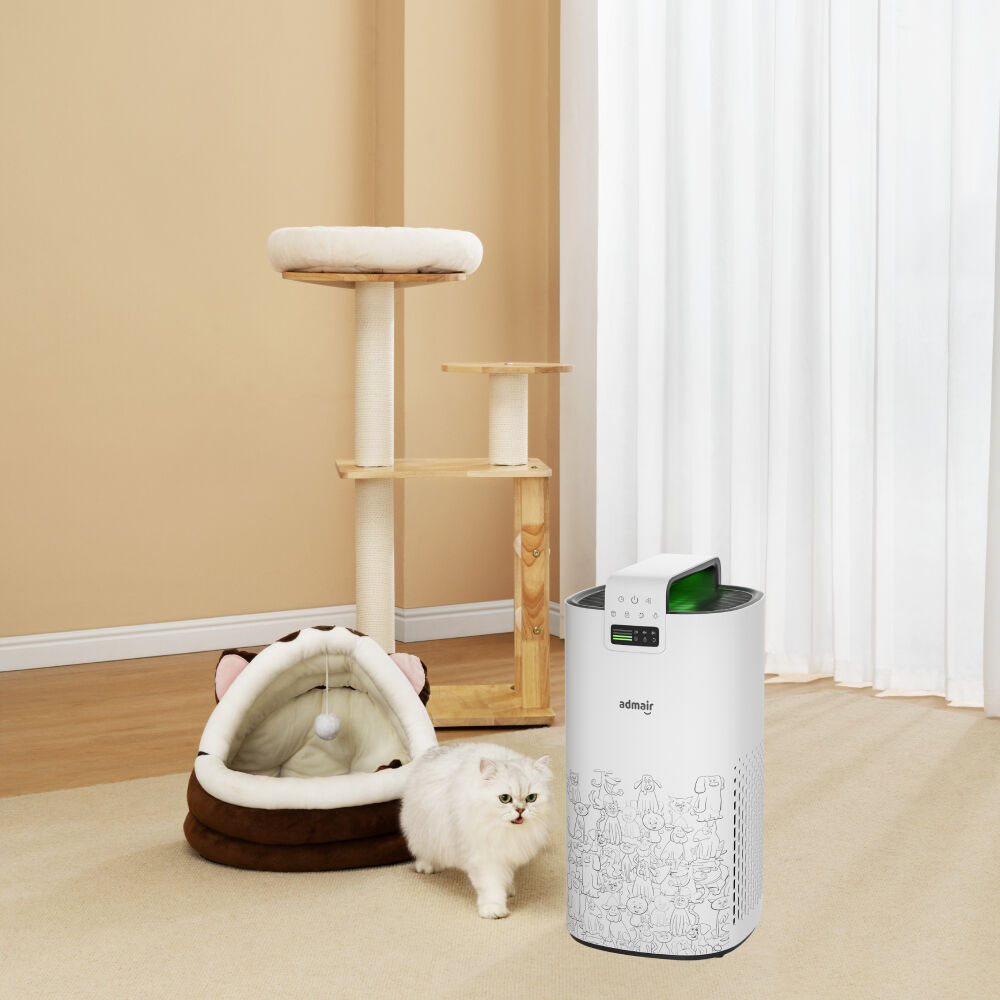
For households that share their living space with cats, dogs, or other animals, the question of indoor air quality is rarely straightforward. Pet dander, fur, saliva proteins, and associated odors combine to create an environment that can be genuinely challenging for allergy sufferers. A pet air purifier is increasingly regarded as one of the most practical tools available for managing these triggers — but whether it can truly support allergy reduction depends on how it works, how it is used, and what realistic expectations you bring to it.
The short answer is yes — a well-chosen pet air purifier can meaningfully support allergy reduction in pet-friendly homes. However, the degree of benefit depends on multiple factors, including the filtration technology used, the placement of the device, the size of the space, and whether the unit is operated consistently. This article breaks down the science and the practical logic behind that answer, giving pet owners and allergy sufferers the detail they need to make informed decisions.
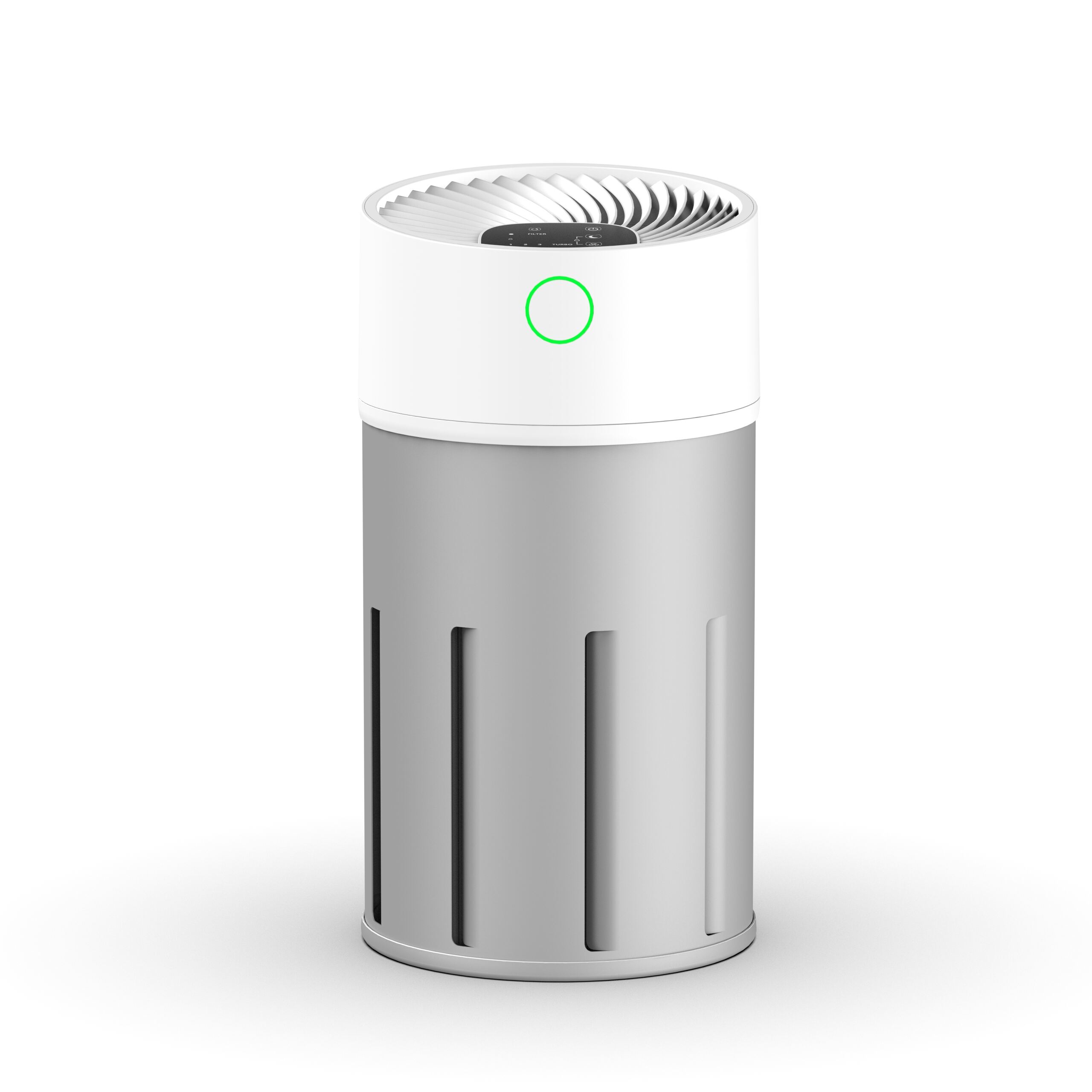
How Allergens Accumulate in Pet-Friendly Homes
The Nature of Pet-Related Allergens
Pet-related allergens are microscopic particles that are shed continuously by animals. The most common culprit is not pet hair itself, but rather a protein called Fel d 1 in cats and Can f 1 in dogs. These proteins are found in pet dander — tiny flakes of dead skin — as well as in saliva and urine. When pets groom themselves, these proteins attach to dander and become airborne, where they can remain suspended for hours.
Unlike larger dust particles, dander particles are often small enough to bypass basic filtration and penetrate deeply into the respiratory tract. This is precisely why pet allergy symptoms — sneezing, itchy eyes, nasal congestion, and in some cases asthma flare-ups — can persist even in clean-looking homes. The allergen load is invisible to the naked eye but real in its biological impact.
Over time, pet dander embeds itself in soft furnishings, carpets, curtains, and even walls. A pet air purifier addresses the airborne fraction of this problem, capturing particles before they settle or before they are re-suspended by movement and activity inside the home.
The Role of Pet Odors and VOCs
Beyond dander, pet-friendly homes often contend with persistent odors from animal waste, wet fur, and bacterial activity. These odors are primarily caused by volatile organic compounds (VOCs) and ammonia-based gases. While odors themselves are not allergens in the traditional immunological sense, they can aggravate respiratory sensitivity and trigger symptoms in people with pre-existing conditions.
A pet air purifier equipped with an activated carbon filter layer is specifically designed to adsorb these gaseous compounds. The carbon media binds odor molecules and prevents them from recirculating through the room. This dual approach — particulate capture plus gas adsorption — is what makes a purpose-built pet air purifier more effective for allergy-prone households than a basic air filtration unit.
The Filtration Technology That Makes a Difference
HEPA Filtration and Dander Capture
The cornerstone of any effective pet air purifier is a true HEPA (High-Efficiency Particulate Air) filter. By definition, a true HEPA filter captures at least 99.97% of airborne particles that are 0.3 microns in diameter — and typically performs even better on particles that are larger or smaller than this benchmark size. Pet dander particles typically range from 2.5 to 10 microns, placing them well within the effective capture range of HEPA filtration.
When a pet air purifier runs continuously in a room, it draws air through this filter media repeatedly, progressively reducing the concentration of dander in the air. Over a period of hours, this 'clean air delivery' process measurably lowers the allergen burden in the indoor environment. Studies on HEPA-based air cleaners have consistently demonstrated reductions in airborne allergen concentrations when devices are operated correctly and consistently.
It is important to distinguish between a true HEPA filter and products marketed with terms like 'HEPA-style' or 'HEPA-type.' Only a certified true HEPA filter meets the 99.97% efficiency standard. When selecting a pet air purifier for allergy support, this distinction matters significantly.
Pre-Filters and Their Importance for Pet Hair
Most quality pet air purifier models incorporate a washable pre-filter layer positioned ahead of the HEPA stage. This pre-filter captures larger particles — including visible pet hair and lint — before they reach the primary filter. This design extends the life of the HEPA filter considerably, since without a pre-filter, the fine media would clog quickly in homes with shedding animals.
For heavy-shedding breeds, the pre-filter may need to be cleaned weekly or even more frequently. Maintaining this layer is a practical responsibility that pet owners should factor into their routine. A blocked pre-filter reduces airflow and diminishes the overall effectiveness of the pet air purifier, so regular maintenance is directly tied to allergy reduction outcomes.
Some pet air purifier units also incorporate an additional layer specifically designed to capture fine pollen particles, which is particularly relevant for households where both pet allergies and seasonal pollen allergies coexist. This layered filtration approach ensures that the device is addressing multiple trigger sources simultaneously.
Placement and Usage Patterns That Maximize Allergy Benefit
Positioning the Pet Air Purifier for Maximum Effect
Where you place a pet air purifier has a direct bearing on how much allergen reduction you will experience. Ideally, the unit should be positioned in the room where pets spend the most time, or in the bedroom of the allergy sufferer — since nighttime exposure to airborne allergens can significantly disrupt sleep and worsen symptom cycles. Placing the device on the floor level is logical for dander capture, as dander-laden particles tend to drift downward.
Avoid placing the pet air purifier in corners or behind furniture, as this restricts the intake airflow and reduces efficiency. The device should have clear space on all sides to draw air freely. In open-plan living areas, a unit with a higher clean air delivery rate (CADR) is necessary to achieve meaningful air exchanges per hour across the larger volume of space.
For multi-room homes, a single pet air purifier may not be sufficient. Many households find that pairing a high-capacity unit in the main living area with a smaller unit in the bedroom provides the most consistent allergy relief throughout the day and night.
Consistent Operation Is Non-Negotiable
One of the most common mistakes allergy sufferers make is running a pet air purifier only occasionally or on a timer that leaves it inactive for long periods. Dander accumulates continuously, and a device that runs intermittently cannot maintain a consistently low allergen concentration. Experts recommend operating the pet air purifier on a medium or low setting continuously, rather than running it on a high setting only periodically.
Modern pet air purifier units are designed with energy efficiency in mind, so continuous operation at low to medium speeds does not translate to significant electricity costs. Many units also feature auto modes that use built-in air quality sensors to ramp up filtration speed when the particle count rises — for example, after a pet shakes itself or runs through a room.
Establishing a habit of running the pet air purifier around the clock, with regular filter maintenance, is the single most impactful behavior change an allergy-suffering pet owner can make when introducing this type of device into their home.
Realistic Expectations and Complementary Measures
What a Pet Air Purifier Can and Cannot Do
A pet air purifier is highly effective at reducing airborne allergen concentrations — but it is not a complete solution on its own. Allergens that have already settled into carpets, upholstered furniture, bedding, and other soft surfaces are not addressed by air purification. This means that even with a running pet air purifier, vacuuming with a HEPA-equipped vacuum cleaner, washing bedding frequently, and grooming pets regularly remain important parts of an overall allergen management strategy.
It is also worth noting that a pet air purifier does not cure allergies. It reduces exposure, which in turn can reduce symptom frequency and severity. For individuals with severe animal allergies, consulting an allergist remains important, and immunotherapy or medication may still be necessary alongside environmental controls.
What a pet air purifier does exceptionally well is lower the daily airborne allergen burden so that the immune system is not constantly provoked. This reduction in baseline exposure is clinically meaningful for many allergy sufferers and can translate to noticeably better daily quality of life within weeks of consistent use.
Combining Air Purification with Other Allergy Reduction Strategies
The most effective approach to allergy reduction in pet-friendly homes treats the pet air purifier as a central pillar within a broader strategy. Grooming pets outdoors or in a well-ventilated area reduces the volume of shed dander that enters the indoor environment in the first place. Using washable slipcovers on furniture and washing them in hot water weekly eliminates settled dander before it can become re-airborne.
Designating certain rooms — particularly the allergy sufferer's bedroom — as pet-free zones is another strategy that significantly reduces overnight allergen exposure. When this is combined with a running pet air purifier in the bedroom, the result is a substantially lower allergen environment during the hours when the individual is most stationary and vulnerable to prolonged inhalation exposure.
Ventilation also plays a role. Opening windows when outdoor pollen levels are low allows some dilution of indoor allergens. However, in high-pollen seasons, relying on natural ventilation can introduce pollen, which compounds the allergen load. In these scenarios, a pet air purifier with multi-layer filtration — including both HEPA and activated carbon — becomes even more valuable as it manages both pet-derived and pollen-derived allergens simultaneously.
FAQ
How quickly can a pet air purifier reduce allergens in a room?
The speed of allergen reduction depends on the device's CADR rating and the size of the room. In a correctly matched space, a quality pet air purifier can achieve multiple air changes per hour, meaningfully lowering airborne dander concentrations within one to two hours of operation. Consistent use over days and weeks produces the most significant and sustained results.
Does a pet air purifier help with pet odors as well as allergens?
Yes, provided the unit includes an activated carbon filtration stage in addition to HEPA filtration. The carbon layer adsorbs VOCs and odor-causing gases that HEPA filters alone cannot capture. A pet air purifier designed specifically for pet households typically incorporates this dual-layer approach to address both particulate allergens and gaseous odor compounds.
How often should filters be replaced in a pet air purifier used in a home with multiple pets?
In homes with multiple pets, filter replacement intervals are generally shorter than manufacturer averages, which are typically based on standard household conditions. HEPA filters in heavily used pet air purifier units may need replacement every four to six months rather than the standard six to twelve months. Pre-filters should be cleaned monthly or more frequently to maintain optimal airflow and efficiency.
Can a pet air purifier help allergy sufferers who cannot re-home their pets?
Absolutely. A pet air purifier is specifically designed to allow allergy sufferers to coexist more comfortably with their animals. While no device eliminates all exposure, consistent use of a well-specified pet air purifier — combined with other hygiene and management practices — can reduce allergen levels enough to significantly improve daily comfort and reduce symptom frequency for most individuals with mild to moderate pet allergies.